Key Highlights
-
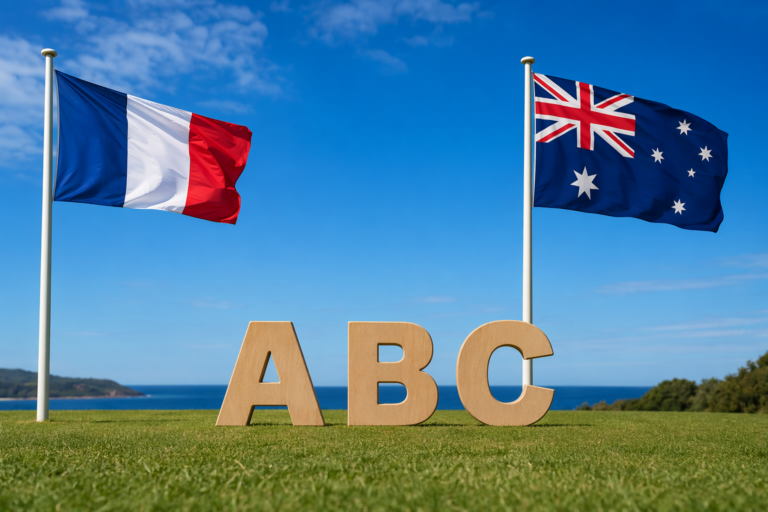
The french alphabet has 26 letters, the same as the english alphabet that people in Australia already know.
-
But, some french letters have different sounds, so you need to practice french pronunciation more.
-
French has six vowels. There are two types of vowel sounds in french: oral vowels and nasal vowels.
-
Accent marks and french accents are important. They can change how you spell and say french words.
-
Silent letters show up a lot in french words, mainly at the end.
-
If you get to know the letter names first, it’s much easier to read, spell, and say french words.
Introduction
If you are new to french in Australia, the alphabet is a good place to start. It has the same 26 letters as the english alphabet. The letters go from A to Z. But, the pronunciation of many french words is different from english. That can change the way you read, spell, and say things in french. When you know the letter names and simple sounds, it gets easier. This step is simple, but it gives you a good base to use for both speaking and writing in french.
Understanding the French Alphabet for Australians
When you look at the french alphabet, you see that it is the same as the english alphabet. This makes it easier for Australians who want to learn a new language. But, the way french alphabet pronunciation works is different. It does not follow the same rules as the english language.
So, the letters in the french alphabet can help you with spelling and reading. But they don’t always sound the way you think if you know the english alphabet. Some of the signs in the french language are small and can be hard to spot, especially when you use foreign words in french in your day to day life. In these next sections, you’ll get a look at the entire alphabet and learn about the main things that set them apart early on.
Overview of the 26 Letters in the French Alphabet
The entire alphabet in French has 26 french letters, exactly like English. That means you already recognise the alphabet in uppercase and lowercase form. What changes is the way many letters are named and how they support french spelling in real french words.
Here is a simple text table with the letters of the french alphabet and their common French names:
|
Letter |
French name |
|---|---|
|
A |
ah |
|
B |
bé |
|
C |
cé |
|
D |
dé |
|
E |
e |
|
F |
èf |
|
G |
gé |
|
H |
ache |
|
I |
i |
|
J |
ji |
|
K |
ka |
|
L |
èl |
|
M |
èm |
|
N |
èn |
|
O |
o |
|
P |
pé |
|
Q |
ku |
|
R |
erre |
|
S |
ès |
|
T |
té |
|
U |
u |
|
V |
vé |
|
W |
double vé |
|
X |
iks |
|
Y |
i grec |
|
Z |
zède |
As you learn these french names, you begin to decode spelling more confidently. This pronunciation guide also helps when someone spells a name, address, or new word aloud. It is a practical part of reading and listening, not just a memory exercise.
Differences Between the French and English Alphabets
Both the english alphabet and the french alphabet use the latin alphabet. So, the letters you see in english and french are the same. This setup helps beginners, as you are not trying to learn a new type of writing when you start with french.
The big challenge comes with sound. Even if the letters look the same, many have different sounds in french than in english. French holds on to rules and patterns from old french, so the pronunciation of each letter can be very different, even if the letter is familiar. When you hear the letter in french, it can sound new and a bit surprising.
For example, the letter R is said in the back of the throat, not like the way we say R in english. Both G and J can make this soft zh sound, a bit like the s in “measure.” U is also a hard one for english speakers to get right, as this sound just isn’t in the usual way we speak english. These different sounds start to matter from the very first day you learn french.
French Alphabet Pronunciation Essentials
French alphabet pronunciation gets easier if you pay attention to how it sounds before you say it fast. Each letter has its own name, and the way you use it in a word can change. That is the reason why listening is so important when you start to learn.
You don’t have to learn the whole international phonetic alphabet (IPA) right away. Still, ipa sounds and the IPA can really help you with the vowels and consonants that are hard to say. It’s good to try short bits of audio. Listen to them, then pause, and say them back. After, you can compare your voice with someone who grew up speaking French. Now, let’s see each letter on its own.
How to Pronounce Each Letter in French
A good guide to french pronunciation starts with knowing the names of the letters. When you listen to french letters, many of them are clear and steady once you hear them a few times. You do not need lots of theory first. But being a little aware of ipa sounds can help, if there is a sound that feels new to you.
Make sure you watch these letters:
-
A sounds like ah.
-
E is a soft and short sound. It is not a strong english “ee”.
-
G can sound soft, a bit like zh.
-
J has that same zh sound.
-
U means you round your lips and push your tongue forward.
When you practise, say the french alphabet slow. Don’t try to rush or race through it. French uses clean oral vowels, so don’t stretch the sounds like you do for english vowels. If you use ipa, it should help when your ear wants a bit more support.
Common Sounds Unique to French Letters
Some things about french pronunciation seem strange because french is not a phonetic language, even though many people think it is. The letters look like the ones you see in English, but the sound system is not the same. It has parts that stand out if you speak English. This is where lots of Australians first hear that the french language has its own way of talking.
Here are some sound patterns you should know when you start:
-
Nasal vowels pop up in mixes like an, on, in, and en.
-
The French R sits down in the throat.
-
H is always quiet.
-
Most of the time, you do not say the last consonant in a word.
These things change how french vowels and consonants act when you use them in words. Nasal vowels are very important because the sound moves through your nose and your mouth at the same time. When you can hear that, reading and understanding start to come together and make sense in french language.
Vowels and Consonants in the French Alphabet
French has six vowels in the alphabet. These are a, e, i, o, u, and y. But the language uses more vowel sounds than you think. There are both oral vowels and nasal vowels. A small change in the vowel sound can change what you say, so it is important to listen well.
There are also 20 consonants in the French alphabet. These do not always work the way english speakers expect. Some consonants are silent. Some change their sound in certain letter combinations. Some only come up when words join together during speech. To keep it simple, we’ll put the vowels and the consonants in their own groups and talk about each one on its own.
Distinguishing French Vowel Sounds
French vowels are important because they help give the words meaning. The alphabet in French has only six vowels, but there are many different vowel sounds. There are 12 oral vowels, 4 nasal vowels, and 3 semi-vowels. This is why French can sound both clear and a bit like music.
Here are some useful things to keep in mind:
-
Oral vowels are made by using the mouth.
-
Nasal vowels move through both the mouth and nose.
-
I and Y often sound like “ee”.
-
U is a special sound in French that you won’t hear in English.
If you are new to French, you might find U the hardest sound to get right. Nasal vowels can be hard too as they come from letter combinations, not just single letters. If you slow down, repeat short words, and listen, you will start to hear and catch these vowel sounds in a better way.
These points will help beginners learn how the alphabet, new vowel sounds, and letter combinations are used in French words. It’s good to listen for how oral vowels and nasal vowels make the language sound.
Mastering French Consonant Pronunciations
Many consonants in french words look a lot like the ones in english. But they can trick you if you are a beginner. Some of them sound close to what you know. Others change how they sound, depending on the letters that are next to them. French pronunciation gets a lot easier when you stop thinking you have to say every consonant that is written.
Here are a few things to watch out for:
-
H is always silent.
-
Final s, t, d, p, and x are usually silent letters.
-
C and G can sound different with some letters around them.
-
Some final consonants only get heard in liaison.
There is a good tip to help with french words. Take it slow with word endings. If you see a consonant at the end, it is best not to say it out loud straight away. This simple trick can keep you from making mistakes that a lot of beginners make. After a while, you might see that some silent letters come from old french words. These show old ways of spelling instead of the way people speak now.
French Accents and Special Characters
Yes, French uses accent marks and a few special characters, but the alphabet still has 26 letters. These french accents are a normal part of writing and are important for french spelling and how words sound.
You will see the accent aigu, the grave accent, and the little hook called a cedilla on the letter ç. For people learning french, these accents are not there for show. They help you know how to say a word and sometimes can change what a word means. The next two parts look at the most common types and show how these accent marks change french speech.
Common Accents Used in French (é, è, ç, etc.)
French writing has a few accent marks you will see often. These french accents are used in standard words and help you with the correct way to read. If you are a beginner, you will spot the acute accent, the grave accent, and the cedilla most of the time. These are a normal part of french spelling. They are not something extra you can leave out.
Here are some types you will see often:
-
é uses the accent aigu, which is also called the acute accent.
-
è uses the grave accent.
-
ç has a cedilla under the c.
-
Other accent marks show up in written French too.
Each mark tells you something good about the word you see. Most of the time, it shows what sound to make. Sometimes, it helps keep older ways of spelling. When you know more words, seeing these signs will help make reading much better and easier.
How Accents Affect Letter Pronunciation
Accent marks do more than just change how a word looks. In french pronunciation, they tell you how to say each vowel. Accent marks can also change a word’s meaning. So, it’s important to pay attention to them right from the start and not treat them as small details.
Here are a few things you should know:
-
The accent aigu on é shows you a clear difference in sound.
-
The grave accent on è tells you it makes a different sound from é.
-
Accent marks can change both a word’s meaning and pronunciation.
When reading aloud, these marks work as handy clues. They won’t take the place of listening practice, but they help you not just guess at words. If you are using a pronunciation guide or even basic ipa notes, accent marks often show you why two words that look almost the same are not said in the same way.
Practical Tips for Learning and Teaching the French Alphabet
Learning the french alphabet is easier when you keep it hands-on. For beginners, try linking the name of each letter with how it sounds. After that, join those sounds with simple words. The french language is not a perfect phonetic language, so it helps to listen as you learn french spelling, right from the start.
If you teach kids, the same rule shows up. Keep things short, clear, and repeat them often. Short lessons each day help build confidence better than long, tough sessions. The next parts will give good ways to remember the alphabet and show ideas to teach letters in a fun way, without stress.
Effective Techniques to Memorise French Letters
The best way to remember the french alphabet is to hear it, say it, and go back to it every day. Start with the entire alphabet and keep it slow. Don’t try to rush through it. When you get used to the names, begin adding easy words, so the french pronunciation starts to make sense in real life.
Try these useful tips:
-
Say the alphabet out loud every day.
-
Spend extra time on G, J, R, and U.
-
Listen to short audio clips done by french speakers before you talk.
-
Pick out the letter combinations that bring about new sounds.
Another good way is to record yourself talking for a few minutes and see how it goes compared to a native speaker. This is great for catching any bits of english stress, odd-sounding vowels, or missed nasal sounds. If you keep fixing small things again and again, you will remember a lot more than if you just cram.
Fun Ways to Teach Kids the French Alphabet
Kids learn the french alphabet best when they hear and repeat it, not when they get long explanations. Try to keep lessons fun and short. Say the french names out loud and let kids repeat after you. When children are confident, link each letter to something they know or an easy french language word.
These ideas can help:
-
Use a big, clear chart you can print out.
-
Play short listen-and-repeat audio clips.
-
Match letters with easy french names or things.
-
Turn tough letters into silly memory tricks or use acronyms.
-
Practise just a few letters each time, then go over them again.
When there is a chart on the wall at home or school, kids can look at it any time. Good audio really helps because french pronunciation is easier when kids can listen and repeat, not guess the sounds. If you make learning fun and hands-on, children will remember more, copy the right pronunciation, and really enjoy learning the french alphabet.
Conclusion
To sum up, getting to know the French alphabet is one of the first things Australian learners need to do when starting with the french language. When you learn more about how french and english letters are not the same, and get the hang of the different accents and ways of pronunciation, it will be much easier for you to speak and understand french. Try new ways to practise and learn, and soon you will see that picking up the alphabet can be good fun and really helpful. If you want to explore more, try out a free trial or set up a chat with us. Take that first step into the french language and enjoy something new today!
Frequently Asked Questions
Where can I find a printable chart or helpful resources for the French alphabet?
A good printable chart will show each letter of the French alphabet with its French name and a simple note on how you say it. It can help to have a short audio clip too. Some charts in the french language might also use the international phonetic alphabet, to help with tough sounds like U, R, and the nasal ones. These things make learning pronunciation in french easier for people who are just starting out.
What is the best way to practise French letter pronunciation at home?
The best way to improve at home is to keep things short and do them often. Listen to a native audio clip, stop it, and say the french letters out loud. Then, record yourself and see how you go. If there is a sound that is tricky, use some simple IPA sounds to help you. Just practicing your french pronunciation every day, even for a few minutes, will make you better quickly.
Are there any easy tricks to remember silent letters in French?
Yes. There is a simple trick for french pronunciation. You need to be careful with the last consonants in the french alphabet when you read words out loud. In french, endings such as s, t, d, p, and x are often silent letters. It gets easier to remember this if you know that french spelling still shows bits of old french.