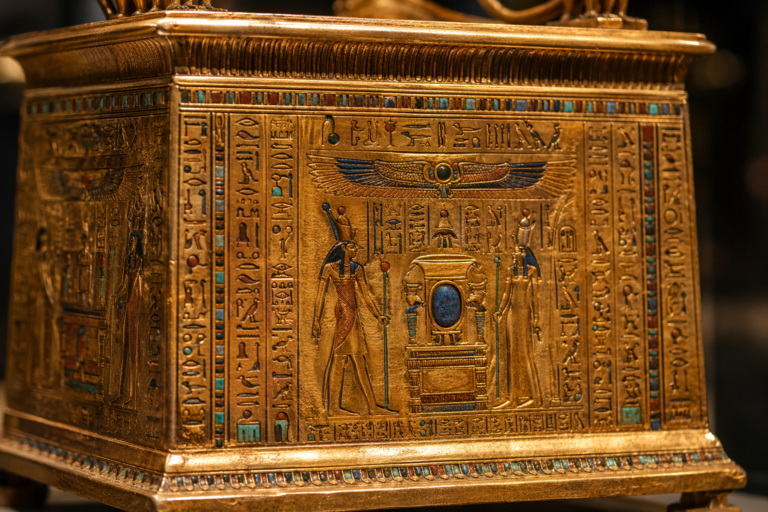
Key Highlights
-
Egyptian hieroglyphs was the sacred writing system in ancient Egypt. People used it for formal inscriptions.
-
This hieroglyph style was used to write about religion, rule, and memory on tombs, temples, and monuments.
-
The Rosetta Stone made it possible for people today to read the Egyptian language. It was a big step for us to know more about ancient egypt.
-
Hieroglyphic signs could show sounds, whole words, or put extra meaning into one text.
-
For Australians, looking at hieroglyphs gives a clear link to ancient egypt. It’s good for learning about art, history and education.
Introduction
Egyptian hieroglyphs get your attention because they link you to ancient Egypt in a strong and visual way. This writing system was not just for show. People in Egypt used it for many years to write down what they believed, who had power, names of people, and big events. If you live in Australia, learning about these Egyptian symbols can make going to the museum, watching movies or shows, and learning history a lot better. When you know the basics, Egyptian writing is not so puzzling.
Understanding Egyptian Hieroglyphs
Egyptian hieroglyphs were a formal writing system used by ancient Egyptians. You might know them as a sacred writing that is made of pictures, signs, and symbols. These signs had both sound and meaning. Most of the time, you will find this writing in formal inscriptions on stone from ancient Egypt.
The real importance of Egyptian hieroglyphs is that they gave us a way to get into the Egyptian language, religion, and how their government worked. When people found out how to read them, it changed what we know about ancient Egypt. If you want to know why they matter so much, you need to see where they came from, the history behind them, and how they were used every day by the ancient Egyptians.
Origins and Historical Significance
The start of Egyptian hieroglyphs goes all the way back to the late fourth millennium BC. This happened before the first dynasty brought Egypt together as one. No one is sure who was the first to make this kind of writing. The idea of writing might have come from Mesopotamia. But the way Egyptians did it was their own.
Some of the first examples show up as small bone tags from a tomb at Abydos. These go back to around 3150 BC. Over many years, people used this sacred writing to make strong formal inscriptions. This way of writing lasted over 3,500 years. It was used through the Middle Kingdom and times after.
This kind of writing from ancient Egypt is still important for us now. The discovery of the Rosetta Stone helped a lot. It let people start reading and understanding the old script. A big link to the British Museum, the Rosetta Stone opened new doors. People could see into ancient Egypt in new ways because this discovery helped read lost words.
How Hieroglyphs Shaped Ancient Egyptian Society
Hieroglyphs had a big part in shaping life for ancient Egyptians. This type of sacred writing let people record things like power, belief, and identity. Not many people could read or write, so being able to use writing gave a lot of status. Scribes were important people, and learning this sacred writing could help someone get a high job, more money, and even special treatment.
You can see how hieroglyphs mattered in a few key ways:
-
The ancient Egyptians used inscriptions to honour their pharaohs and gods. These were put up on temple walls and big monuments.
-
There were hieroglyphs on tombs. They often showed names, prayers, and special messages about the next life.
-
They gave support to those in charge by using official words in a way people could always see, even years later.
In day-to-day life, this sacred writing shaped what ancient Egyptians thought was important. It helped keep their religion, leadership, and memory alive in both public places and their homes. That is why these marks were never just pictures to look nice. They were right at the heart of how Egyptian society showed its beliefs and power.
Structure and Components of the Hieroglyphic Writing System
The hieroglyphic writing system used both looks and rules of language to keep things organised. Egyptian scribes would fit hieroglyphic signs into the space they had, making sure all the writing was easy to read and good to look at. The signs could go in more than one direction.
This writing system was not like our modern alphabet. It used sound and meaning together, and some signs helped make things clearer. To understand the hieroglyphic writing system better, you should first know the types of symbols, and then see how they work as one.
Types of Symbols and Their Meanings
Hieroglyphic signs generally fall into three broad groups. Some are phonetic, meaning they represent sounds. Others work like logograms, standing for a full word or idea. A third group, called determinatives, helps explain meanings when a sign could be understood in different ways.
For most of ancient Egyptian history, around 200 signs were in common use, though more than 700 are known overall. Australians looking at a chart of symbols and meanings should remember that one sign may show a sound, a word, or a category rather than a single letter.
|
Type of sign |
What it does |
Example from compiled information |
|---|---|---|
|
Phonetic |
Represents sounds or sound groups |
Basket with handle for “k” |
|
Logogram |
Represents a whole word or concept |
Face sign for “hr” |
|
Determinative |
Clarifies semantic meaning |
Three wavy lines showing water or river |
Phonetic vs. Semantic Elements in Hieroglyphs
A big part of hieroglyphs is how the sounds and meanings work together. Phonetic signs stand for sounds. They are kind of like parts of an alphabet. Signs that help with meaning are called determinatives. These were put after a word to show what it meant. This helped people read the Egyptian language easier because they could see the meaning right in the signs.
For example, a set of signs might spell the sounds for “river.” They would also add a water sign with it, so there is no mix-up about what the word means. In another case, signs for movement could show the word is about jumping or action. These little clues really helped. The same sound could mean more than one thing, so knowing if it was about water or jumping made a big difference.
So are hieroglyphs an alphabet? Not in the way most people think today. Middle Egyptian writing used some signs like an alphabet. But the Egyptian system was more than that. It mixed letters, meaning, and pictures, which is not how today’s alphabets work.
The use of determinatives in the Egyptian language made things clearer. It’s very different from the simple letter-based scripts that most people use now.
Uses of Hieroglyphs in Art, Monuments, and Everyday Life
Hieroglyphs were everywhere in ancient Egypt. You could see them on formal monuments and on written things that scribes worked with. Ancient Egyptian inscriptions mattered most where things like memory, religion, and power were big, like on temple walls, tombs, and special carved objects.
At the same time, the Egyptian language also showed up in other scripts. People wrote these with ink on papyrus for everyday use. When you look at ancient Egyptian art, artefacts, and buildings together, you can see the use of hieroglyphs was very wide. The next sections will make it all clear.
Common Applications in Temples, Tombs, and Artefacts
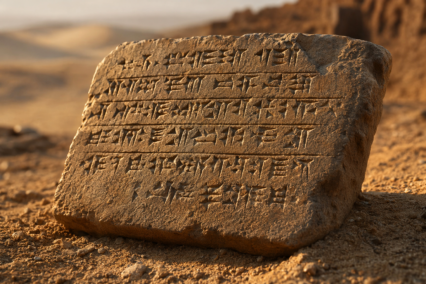
The Egyptian hieroglyph is best known for being carved into stone. You can see these inscriptions on temple walls, royal monuments, and inside tombs. People used them in places where they wanted their words to last a long time. The look of these carvings was just right for buildings that had to do with gods, pharaohs, and special ceremonies. This went on for many centuries up to later times in BC.
Common places and objects included:
-
Temple walls with formal hieroglyphic writing for religious and royal messages
-
Tombs marked with names, lists of offerings, and texts for the afterlife
-
Artefacts such as amulets and other carved items tied to belief or a high status
These hieroglyphic inscriptions were made for more than just a single thing. They honoured the pharaohs, helped people get close to gods, and kept messages safe for the future. While this style of writing was formal and set in stone, by showing up so often on things and buildings, it became a strong part of ancient Egyptian life and culture.
Representation of Names and Messages
Names and messages can be shown by picking hieroglyphic signs for the sounds in them. The reason people today might look for an Egyptian hieroglyph chart is because they want to write their own names that way. Back in ancient Egypt, people made sure to write down the names of pharaohs and other key people in their inscriptions.
If you want to do this in Australia, you can. Here is how to start: break your name into simple sounds. Next, match each sound to the signs you find in a hieroglyphic alphabet chart. It will not be perfect, because hieroglyphic signs are from the ancient Egyptian language, not English.
Writers in ancient Egypt used different things to write with, depending on what they needed. For official names on stone, they carved them in. For other notes, they used ink on papyrus and sometimes wrote in other scripts like hieratic. This is why some old egyptian texts feel special and others are just about daily life.
Conclusion
To sum up, learning about Egyptian hieroglyphs gives us a way to see ancient history and old culture, and this can be really interesting for Australians keen on this special writing system. The hieroglyphs are not just a tool to talk to others. They also show the art, what people believed, and what everyday life was like in ancient Egypt. When you look at where these signs come from, how they are built, and how people used them, you get to know more about this amazing civilisation. If you want to know more or try writing your name with Egyptian hieroglyphs, you can get in touch for a free chat. Getting to know this ancient writing helps you feel closer to history in your own special way.
Frequently Asked Questions
How can I write my name using the Egyptian hieroglyphic alphabet?
To write your name using this writing system, start by breaking your name into sounds. Then, match each sound to the symbols on a hieroglyphic alphabet chart. The Egyptian language and its alphabet do not line up perfectly with how we say names today, so what you get is only close. This is a sound-based style that is shaped by Egyptian.
Are Egyptian hieroglyphs considered an alphabet or something else?
Hieroglyphs are more than just an alphabet. The Egyptian writing system had signs that stood for sounds, symbols that showed whole words, and marks called determinatives that helped with meaning. Some signs worked like letters. But, the whole writing system was much bigger and more visual than the kind of alphabet we use now every day.
What are some interesting facts about Egyptian hieroglyphs for Australians?
One good thing to know is that hieroglyphic writing lasted more than 3,500 years. Also, you can read the texts in different ways. You just look at which way the figures face. The Rosetta Stone is big for readers in Australia. It helped people in the modern world learn about ancient Egypt. This stone made it easier to understand hieroglyphic writing and the stories of egypt.