Key Highlights
-
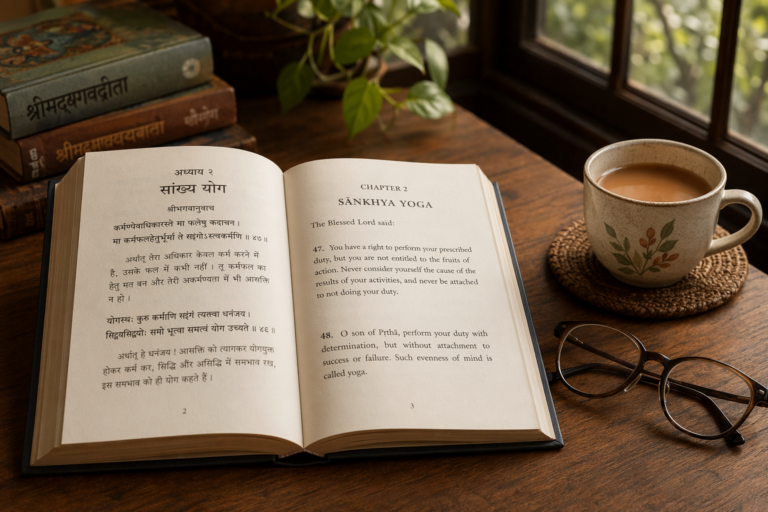
The devanagari script is a writing system that people use in South Asia. You will see it in Hindi, Marathi, Sanskrit, Nepali, and many other languages.
-
In this script, every consonant symbol comes with an inherent vowel. If a vowel sound changes, it shows up as a different sign or letter.
-
The script stands out because of the horizontal line, called the shirorekha, that runs across the top of most letters.
-
Devanagari script started from the brahmi script and spread across the Indian subcontinent over time.
-
Many Australian learners say that those consonant cluster forms can be tough, but just reading and writing a lot helps to get better with it.
-
Even now, service from the devanagari script can be seen in culture, literature, schools, and how people talk in modern times.
Introduction
The devanagari script is a key part of writing in many South Asian languages. You can see the devanagari script used in Hindi, Marathi, Sanskrit, Nepali, and others across this part of the world. For people in Australia who want to learn, it may seem hard to start with. But the script is set up in a clear way after you know the basics. If you want to understand signs, books, or modern Hindi better, learning this writing system is a good and useful goal. It is also a great way to begin your journey.
Understanding the Devanagari Alphabet
The devanagari script is a writing system you see in many parts of the Indian subcontinent. It came from the nagari script. You should know it works as an abugida, not just an ordinary alphabet like the Latin script does.
This means every consonant in devanagari script has an inherent vowel unless something is added to change it. Once you get this pattern, you start to see how the script makes sense. The next bit will tell you what is special about the devanagari script, how it came to be, and why people still use it right now.
What is the Devanagari Script?
The Devanagari script is a way to write used for many Indian languages. You will see it a lot in Hindi and Sanskrit. There are 47 main letters in the Devanagari script that blend consonants and vowels. People write it from left to right. One thing that makes the devanagari script stand out is the horizontal line that runs along the top of its letters.
Unique Features of the Devanagari Writing System
What makes the devanagari script special? The main thing is, in this writing system, most consonant letters have an inherent vowel to start with. That built-in sound can be changed or taken out by adding certain signs. Once you know this pattern, it helps the script have a clear way of working.
You will also see that it has a strong visual style. Many of the letters sit under a horizontal line called the shirorekha, and that makes words look joined together on the page. If there are sounds that come together, Devanagari script often uses joined forms for those.
-
Most consonants have an inherent vowel by default.
-
Vowel changes are made by putting signs around the main letter.
-
The shirorekha, or horizontal line, helps you spot words easily.
-
If there’s a consonant cluster, Devanagari can use a conjunct to join them instead of having two full letters.
For learners in Australia, these bits might look different at first. But, they also help to make reading the script more clear. Once you get the pattern, the devanagari script becomes easier to follow and understand.
Importance and Modern Relevance for Australian Learners
For people in Australia who want to learn, the devanagari script is important. It lets you see how real language works, not just the phrases you find in textbooks. If you want to pick up modern Hindi or read something written in Marathi, devanagari will help you. You get to know what native speakers use when they read and write.
Devanagari is useful in more ways than just learning in a classroom. South Asia shares a lot with Australia. There are cultural ties, community links, and education connections. Many people come across devanagari when they take part in festivals, see the media, talk with family, or go travelling. If you can read the devanagari script, you can have much better experiences in these places.
There is another good reason to know it. If you use romanised spellings instead, you can miss out on how some sounds are not the same. The devanagari script shows these small changes much better. So, if you want to say words like a native, read correct words, and know what people from south asia mean, learning devanagari is a good idea.
Historical Development of Devanagari
The devanagari script goes back a long way in history. It came from the brahmi script, and changed over the years through styles like Gupta, Siddham, and Nagari. By the 10th century, the script started to look much like the one people see and use today.
The name devanagari script is often said to mean script of the divine city. As time went on, this script became more important for writing Vedic Sanskrit, for many old books, and then for some modern languages. If you want to get why it looks the way it does now, it helps to see where it comes from, how it spread, and its place in culture.
Ancient Origins and Evolution
The story of the devanagari script starts with the brahmi script. People used ancient brahmi script from as early as the 4th century BC. Some of the old writing shows up on Ashokan pillars in the 3rd century BC spread out over the indian subcontinent. Later on, the script changed over time in different places. This made many letters start to look different as the years went by.
As time went on, brahmi script turned into two main groups. There were northern and southern types. In the north, it slowly changed to Nagari by the 8th century. By the 9th century, the script was called Devanagari and you could tell its letters apart from other scripts. By the 10th century, it started to look a lot more like its modern style.
This long change explains why some old books show letters that are not like the ones people use now. It is also why the script has been called the “script of the divine city.” The long past of the devanagari script shows it is a living script of the, growing and changing with time. This makes it special for everyone who wants to learn it.
Spread Across South Asia
The devanagari script spread all over South Asia because it was used by many languages, not just one. As it grew out of earlier local scripts, the devanagari script became handy for a big part of the Indian subcontinent. People used it in religion, stories, books and in their daily talk.
The script of the region stands out. The devanagari script has been used for Hindi, Marathi, Nepali, Sanskrit, Pali, Sindhi, and many other small and big languages. Because so many people could use it, it did not stay as a local script of the Indian subcontinent but became a key script of the area.
But, this spread led to change. People in the north and south wrote some letters of the script differently. The form in Bombay was not just the same as in Calcutta. Even with these changes, the script kept its main shape. This made it easy for groups across South Asia to know it and use it. You can still see this many years later.
Role in Preserving Culture and Literature
The devanagari script has been a big part of keeping literature and culture from ancient India safe all the way through to now. It was there for Sanskrit, and later on, for modern Hindi and a few other languages too. Because of this, the script took care of texts from different times.
This is important for learners. The script is more than just a set of letters. It ties you to traditional stories, religious writing, learning tools, and everyday things you read. The devanagari script helped save many Sanskrit words, and later, it kept other languages going by making sure words were written down, copied and passed on to others.
When printing and set ways of writing came in the 20th century, it helped protect all the history carried by the script. People were worried that if another system took over from Devanagari, there would be less of a link to the past. Because of this, the script saved more than just words; it kept a strong memory alive, made it easy to read old stories, and built a bridge from old traditions to how we read now.
Structure of the Devanagari Script
The devanagari script has a design that gets clearer as you spend more time with it. The writing system is not made up of random shapes. It uses a logical way to show how sounds are put together.
There are consonant symbols, vowel signs, and other small marks that all work together. They do things in ways you can predict. The letters are set out by how you say the sounds, not from learning a song like with English. This system is why the devanagari script can look tricky at first. Still, it starts to make sense when you learn the basic rules of the writing system and see how the letters work.
Syllabic Nature and Logical Layout
The devanagari script is called syllabic because it is set up around the sounds we make when we say both consonants and vowels together. Each consonant usually comes with a vowel built in. This only changes if something shows that the vowel should be different or left out. This is not like English, where every consonant and vowel is marked with its own symbol.
This way of working gives the script a simple and clear format. When a vowel kicks off a syllable, it’s shown as its own full letter. If a consonant symbol has a vowel change, you just add a small sign to it. Once you start to notice this way of writing, it is easier to see how words are made.
The order of the letters is also set up by where and how the sound is made in the mouth. This is called articulatory phonetics. So, if you are learning to read, you will see that Devanagari is not only easy on the eyes, but also matches the way we speak. Its set-up is smart and good for people who are learning, because it helps you read and say words in the right way.
The Concept of Shirorekha (Horizontal Headline)
One of the first things you see in the devanagari script is the shirorekha. This is a horizontal line that goes right over the top of many letters. It often joins them together in a word. This line gives the writing system a look that stands out.
For people new to it, the shirorekha can help you. It works as a guide for your eyes and shows which letters are all in the same word. There are lots of shapes and marks in the script of the city, but having that line keeps things neat. It also helps you find a sort of flow as you read.
The shirorekha is part of what makes devanagari script special. Some call it the major South Asian script. Others know it as the script of the city. Either way, this horizontal line is one of its top signs. Some people once wanted to take it out to make printing easier, but it is still a key part of how people write now.
Left-to-Right Reading Direction
If you already read English, here’s some good news—the devanagari script goes from left to right, just like English. This makes the writing system a bit easier to get used to than one where the words go in a totally new direction.
But just because the direction is the same does not mean your reading habits will be the same. In Devanagari, vowel signs can be above, under, before, or after the consonant they go with. So, you look from left to right, but you also need to see the whole group of marks as one sound.
This is important when you start reading modern Hindi or any language that uses the script. You do not need to learn how to scan the page again, but you will need to learn a new way to put the letters together. For Australian learners, the mix of the familiar left-to-right path and the new letter groups makes Devanagari both hard and possible to learn.
Vowels in the Devanagari Alphabet
Vowels are at the heart of the devanagari script. Every syllable needs a vowel sound to be clear, even if it is shown through a mark on a consonant or written by itself. When you get to know vowels early on, the whole devanagari script gets easier to learn.
In devanagari, a vowel letter can be written alone. A vowel can also show up as a mark added to a consonant. You need to see the difference between short vowels and long vowels. The next parts explain the main vowel letter types, show what the different forms look like, and say how to use them in everyday words.
List of Devanagari Vowel Letters
The Devanagari script has its own set of vowel letters. These are very important in the writing system since they help form words and show different vowel sounds. There are short vowels like ‘अ’ (a) and ‘इ’ (i). There are also long vowels, for example, ‘आ’ (aa) and ‘ई’ (ii). Every vowel comes with an independent form. The same sound also has a corresponding dependent form when you use it with a consonant. This makes the writing system more flexible and smooth.
To really get how the Devanagari script works, you have to know these vowels. It helps people speak and say words right, not just in Hindi, but in other South Asian languages too.
Independent vs Dependent Vowel Forms
One important thing you will see in the devanagari script is that a vowel has two roles. A vowel letter shows up in its own way if the vowel starts a syllable by itself. But if there is a consonant before it, the vowel will often change and use a different form.
This way of writing is also why the devanagari script looks quite different to the Latin alphabet. The vowel sound is not written with a full letter all the time. Many times, you will see it as a sign joined to the consonant.
-
The independent form shows when the vowel is by itself.
-
The dependent form comes if it is after a consonant.
-
The same vowel sound can look different, depending on where it is.
-
A dependent mark could go before, after, above, or under the main letter.
When someone is learning, they might know a vowel letter standing alone at first. After that, they see the corresponding dependent form of it with a word. That bit might feel tough. But it is a must if you want to read the devanagari script well.
Pronunciation and Common Uses of Vowels
When you start learning vowel sound in the devanagari script, it helps to listen to how long or short and clear they sound. The thing is, some hindi vowels are short, and some are long. That counts a lot for the way words come out when you speak, so it’s good to hear the difference again and again as you practise reading.
The letter अ is quite important. That is because it sits with the default vowel in a lot of consonants. On its own, it gives you the main vowel sound. It also helps you see why almost every consonant comes with this built-in vowel sound, unless a special mark changes it.
You will find vowels all over the common script. They come at the front of words, in the middle mixed with consonants, or even in long lines of writing. People in Australia do better when they match what they see in the devanagari script with the way it sounds. If you keep reading and saying words apart, the whole thing seems harder than it really is.
Consonants in Devanagari
Consonant symbols are the main part of the devanagari script. Each one often comes with a vowel sound unless it gets changed or dropped. So, when you learn these consonants, you need to know not just their shape but how the sounds mix too.
Many people think the devanagari script is random, but it’s not. The consonants start with the first consonant and the groups after it, lined up in a very clear way. The order follows how you say the sounds (manner of articulation) and where in your mouth you say them (place of articulation). So, as you work through the sounds, you’re really getting a map of how to say each one.
Types of Consonants (Stops, Nasals, Others)
The consonants in the devanagari script are set up in a way that is not random. They sit in groups by sound type. That means you can see links between stops, nasals, and the other types. This setup makes it much easier to work out how to say each one. It also helps you to remember them, even though it can look tough at first.
On many charts, you will see the sounds in rows. Each row shows a group of sounds that go together. When you look at the first consonant and then the second consonant, you can spot if there is a change from one to the next, like if it is breathed or if the sound gets louder. This comes in handy when you try to hear the different sounds in speech as you learn.
-
Stops are a big part of the most basic consonant group.
-
Nasals are put beside other sorts of grouped sound types.
-
A dental consonant goes with a set that is sorted by where the sound is made.
-
If you join some consonants, you may get what you call a consonant cluster, and this turns into a conjunct form.
Since the devanagari script shows these speech patterns, learning the consonants is about more than just seeing and remembering shapes. It is also about using your ears, and working out how the language sets up sound groups.
Arrangement by Articulation Points
One of the best things about the devanagari script is the way it puts the consonants in order by how we make the sounds. It doesn’t just use any order at all. Instead, the script sorts each letter by manner of articulation and place of articulation. The chart turns into a speech map in this way.
As you look at the groups of consonants, you will see the sounds that come from different spots in the mouth. Some will use the back of the tongue, while others are made more near the teeth. For example, a dental consonant is in its group because of the spot where you make the sound.
For Australian learners, this set-up can be good. The English way of spelling can hide the sound patterns. But the devanagari script lets people see them. If you look at how the chart is set out, you will not just learn the letters. You will also get a better idea of how to pronounce them.
Combining Consonants with Vowel Signs
In the devanagari script, consonant symbols come with an inherent vowel. This default vowel stays there unless a different sign is used to change it. It’s one of the most important things to know for reading and writing basic words in this script.
If you want a different vowel sound, you put the corresponding dependent form on the consonant. This sign can go above, below, before, or after the consonant symbol. The base letter is still easy to spot, but the mark changes how you say it.
This way of writing is efficient when you get used to it. You do not have to write a separate vowel letter each time now. In devanagari, the consonant gets changed right away. For people learning, real progress happens when you stop seeing only single letters and start seeing groups that show sound units. After that, reading and writing simple words is much easier.
Special Marks and Signs in Devanagari
The devanagari script has more than just vowels and consonants. It has special marks called diacritic marks. These can change how the sound comes out when you speak or read. They let you know about nasal sounds, a breathy finish, when to drop a vowel or, in some old lessons, an accent.
If you are starting to learn, these things are good to know. They change how you read a word, not just how it looks. It also matters for writing the script on computers, because the unicode standard helps show devanagari script in the right way all over. In the next part, you will see more about the main diacritic marks you meet early on.
Anusvāra, Visarga, and Chandrabindu
Some of the most easy-to-see diacritic marks in the devanagari script are the anusvāra, visarga, and chandrabindu. These special characters give sound hints that you do not get from the main consonants and vowels. For people just starting out, these marks may look small, but they play an important part in reading.
You will often find these marks once you know the main letters. The sound each one makes can change, depending on the word or how the language is used. Still, as written signs, they are a standard part of the writing system and it is good to know them early.
-
Anusvāra is a mark that looks like a dot and you see it used a lot.
-
Visarga is a mark that comes after a vowel and often means you make a breathy sound.
-
Chandrabindu is a mark above a letter that gives it a nasal sound.
-
These diacritic marks act as special characters in the writing system.
For Australian learners, your first step is to spot these marks when you look at a page. Once you know these marks well, reading printed devanagari script becomes less scary and much easier to do.
Halant (Virama) and Its Function
The halant, which some people call the virama, is an important sign in the devanagari script. This mark is used when you want to remove the inherent vowel that is usually a part of a consonant. If you do not have the halant or a special joined form, people will read the consonant with its default vowel.
This is key when it comes to words with joined consonants. If one consonant is right beside another, the script needs the halant to show that the first sound should not have its usual vowel after it. So, the halant really helps make things clear.
In everyday use, the virama helps form a consonant cluster. It lets you build a half form, or just tells you that the first member of a conjunct does not use the default vowel. For anyone starting to read the devanagari script, knowing about this mark is a big part of sounding out hard words the right way.
Accent and Emphasis Notation
Not every learner starts out with accent notation, but it is still a part of the wider devanagari script. In some cases, mostly in older scholarly or religious texts, there are extra diacritic marks to show accent or extra stress. These marks go beyond the writing that most people use.
This comes up a lot with Vedic Sanskrit. In these settings, accent plays a big role for how to say things out loud and for study. The writing system can add more details to help make sure people read or say the text right.
For most Australian beginners who are learning the language now, you don’t have to worry about these marks at first. But, it is good to know they are out there. They show that the devanagari script is useful for both everyday writing and for deep or exact work. That’s one reason it still matters in schools, books, and special learning even today.
Languages Using the Devanagari Alphabet
The devanagari script is used by more languages than people often think. Many people link it with the hindi language. But it is also important for the marathi language, Sanskrit, Nepali, and many other south asian languages.
The script of the region matters a lot because it is used in so many ways. People use the devanagari script in books, at school, and every day when they talk or write. In the next sections, we will talk about major languages that use it, small groups of people who use it, and how this script of the region helps people learn and read.
Hindi, Sanskrit, and Related Languages
Many people meet the devanagari script when they learn the Hindi language. But the role of the script of the region is much bigger than that. It is also very important for Sanskrit and other top languages from the area. This makes it a good script of the for anyone who wants to know about both the past and today.
For most who are learning, modern Hindi is often how they first get into devanagari script. This is because there are so many resources for it, and a lot of people use it every day in the community. At the same time, devanagari is still needed to read text with old Sanskrit words and many stories from long ago.
-
Hindi is one of the main languages that uses the devanagari script.
-
Sanskrit shares a strong history with this script of the.
-
Marathi also goes with devanagari when people write.
-
Nepali is mostly written in devanagari.
-
Pali and Sindhi sometimes use this script too.
If you are learning in Australia, this means one script of the like devanagari script, can help open doors to more than one language, not just one.
Other Regional and Minority Languages
The devanagari script has been used not only for the main languages but also for many local and smaller ones. Some of these are Bhojpuri, Dogri, Konkani, Maithili, Newar, Santali, and Sherpa. This shows just how far the script of the city has spread.
This is important because the devanagari script is not made for just one top language. It was made to help people in many groups, with different ways to talk, right across south asian languages. The older nagari script grew over time and became even more open to more people.
If you are learning, the marathi language will show you this variety. It uses the devanagari script like Hindi does, but it has its own words and ways to use them. When you study the devanagari script, you learn a script of the city that has been there for both the bigger and smaller languages in many places.
Devanagari’s Role in Literature and Education
The devanagari script has been part of the way people read and learn for a long time. You can see it in lots of languages, so the script shows up in textbooks, printed stories, holy books, and many other things that people have read over the years.
In the 20th century, the script of the became even more important at school. Governments and teachers wanted a way of writing that was easier for everyone to learn and use in printing and typing. Making it simple and clear helped people make good teaching books and useful readers for class.
Now, if you’re a student, there are easy ways you can study the script of the. Even a starter primer of modern standard hindi is part of the long history of learning. As people, when we talk about the devanagari script, we see that it still helps kids and grown-ups connect language lessons with all kinds of books. If you learn how to read it, you can open the door to learning about the language and many old and new stories people have written.
Learning the Devanagari Script as an English Speaker
If you are used to reading and writing with the latin script, the devanagari script might look very different at first. It is not the same as the writing system you see in English and most european languages. But you can get used to it with a clear plan and some steady practice.
The big thing to know is that you can’t always match one letter with one sound like you do in simple English. In the devanagari script, you need to learn how the consonants, vowels and marks go together as units. When you see that pattern, you can start to read better. Over time, you will also hear language more like the native speakers do.
Strategies for Fast Memorisation
Fast memorisation works well when you break the devanagari script into small parts you can repeat. Do not try to learn every sign all at once. Start with a few vowels, a few consonants, and the most common ways the letters join. That makes the writing system much easier and not too much to handle.
It is good to use digital tools that show the script right with the unicode standard. Clear fonts and typing help you see the same shapes again and again. This is good for your memory and helps you learn all the forms.
-
Learn letters by the way they sound instead of one very big list.
-
Practise reading and writing from the same small group of letters every day.
-
Look at independent vowels next to their linked forms early on.
-
Use clear digital charts, fonts, and images that follow the unicode standard.
-
Go back to tough letter joins after you feel good about the basic letter set.
For Australian learners, having contact each day is the best way to learn. Small daily sessions are better for the devanagari script than long study bursts with big breaks in the middle.
Writing Basic Words in Devanagari
To write simple words in the devanagari script, start with basic consonant and vowel pairs. Pick the consonant symbols first, then see if the default vowel fits your word or if you need a dependent form to change it. This idea is at the core of the whole writing system.
If your word begins with a vowel, you should use the full vowel letter. But if the vowel comes after a consonant, just add the right sign on that consonant. When two consonants are together, you need to use a conjunct or another sign to drop the vowel your students have learned is built into the letters.
This way works much better than only copying what words look like without knowing why. If you learn how each word is put together, it makes writing much easier. People in Australia often get better fast when they try to write simple words by hand and say each sound aloud as they go.
Tips for Correct Devanagari Pronunciation
Good pronunciation in the devanagari script starts with one main thing. Most of the time, the consonants have an inherent vowel unless something changes that. If you do not follow this, many words will not sound right. So, always check if the default sound is still there or if it is cancelled.
You should listen to how long the vowel sound is. Watch out for how consonant clusters work. A consonant cluster can change the rhythm of a word. If people put in an extra vowel where it does not belong, it will not sound right. When you are learning, it is okay to read slowly first.
It is good to link script study with listening. Hear the word, then see how the script shows it. This helps a lot with the letter अ, which is there in the usual pattern many times. When you learn both pronunciation and writing at the same time, the devanagari script feels much more natural.
Conclusion
To sum up, learning the Devanagari script can open a colourful and interesting world for people in Australia. When you get to know the special way this script works, its story from the past, and why it matters now, you start to see just how much it gives to languages like Hindi and Sanskrit. The Devanagari script is all about sounds, and saying words the right way matters. If you learn it well, it will help your language skills and link you to a long history. Take the step and join us in exploring the Devanagari script. If you want to learn more or get started, reach out now for a free trial or a chat!
Frequently Asked Questions
How many letters are there in the Devanagari alphabet?
The devanagari script is not like English when it comes to having a fixed number of letters. Most teaching charts show a core group of vowel letter forms and consonant symbols. They also include short and long vowels. Later, they add marks and more parts called conjuncts. When you look at it as a writing system, the devanagari script has more to it than just an alphabet.
How is the letter ‘अ’ pronounced and used?
In the devanag, अ represents a.
What are the best resources for learning Devanagari in Australia?
A good way to learn is to use clear digital charts, unicode standard fonts, and easy reading books. It helps to add some writing practice too. If you are in Australia, try a primer of modern standard hindi and use script tutor tools. Simple typed examples make it easier to get the writing system step by step and not feel too much at once.