Key Highlights
-
The Coptic alphabet is what people use to write the coptic language, which is the last step of the egyptian language.
-
It comes from the greek alphabet. The coptic alphabet also adds some demotic letters to show egyptian sounds that are not in greek.
-
The coptic links old egyptian writing systems to how christians later used writing in egypt.
-
Most people now get to know it through the coptic orthodox church and how it is used for liturgical language.
-
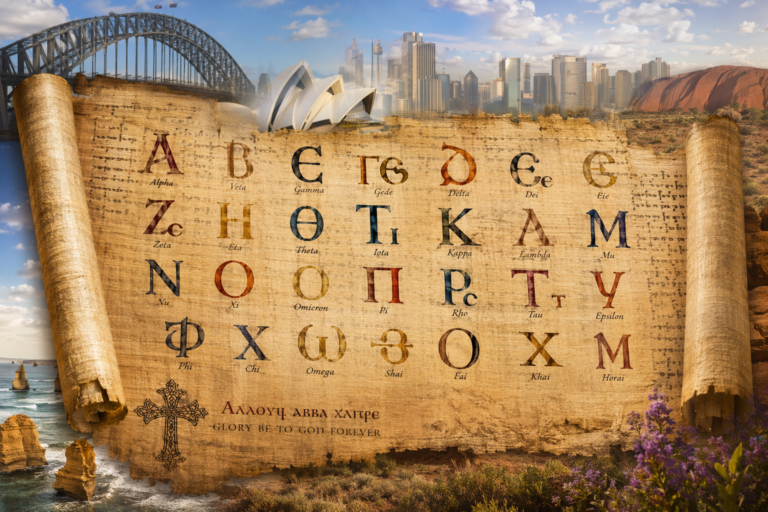
The alphabet has 32 letters in the main learning lists. Many of these look a lot like greek letters.
-
In australia, people can learn the pronunciation, spelling, and shapes of the letters one step at a time.
Introduction
If you want to know more about the Coptic alphabet, you are looking at a big part of the Coptic language and the story of the Egyptian language. The Coptic alphabet is not just some symbols. It shows how an old group of people changed their writing for a new time. For people in Australia, it gives you an easy start to the sounds, spelling, and history of this language. When you learn the basics of Coptic, the alphabet is not as scary and is much easier to get into.
The Origins and History of the Coptic Alphabet
The Coptic alphabet is the script that people use to write the Coptic language. This language is the final stage of the ancient Egyptian language. The script came about in Egypt when old writing systems started to change and people needed something new.
First, they used hieroglyphs, then hieratic, and after that, demotic script in different periods of time. Later, the Greek alphabet became the main base for a new script. Some Demotic signs were added because the Greek alphabet did not have all the sounds the Coptic language needed. This helped make the alphabet good for everyday people and is why it became part of the Coptic Orthodox tradition.
To really get how the Coptic alphabet changed, it is good to look at how the script grew over time and why the Greek alphabet was so important to the people of Egypt.
How the Coptic alphabet evolved from ancient Egyptian scripts
The egyptian language went through a few steps. First came Old Egyptian, then Middle Egyptian, Late Egyptian, Demotic, and finally Coptic. In the beginning, people used hieroglyphs in big, formal places. Other forms came along, like hieratic and demotic, for daily or more practical writing. After some time, these ancient egyptian writing systems didn’t get used as much.
During the time the Romans were in egypt, demotic became the main writing that people used day to day. When christianity started to grow, people needed a way to write the new liturgical language that was easier to use. That’s when the coptic alphabet first showed up.
There’s a clear thing that makes them different. Hieroglyphs and the scripts from before were part of the old egyptian writing systems. But coptic used an alphabet that was mostly made from greek letters, with some demotic letters added in. The coptic alphabet didn’t fully take over the old ways. It just helped the egyptian language keep going in a new kind of writing.
The influence of Greek language on Coptic letters
A big part of the Coptic alphabet comes straight from the Greek alphabet. In most accounts, 24 of the letters were taken right from the Greek letters. This gave Coptic an alphabet with a clear layout and handy shapes that people in Egypt already knew back then.
But that was not all. The Coptic language had sounds that were not in Greek, so they had to find a way. They took extra letters from Demotic. That’s what makes the Coptic alphabet stand out. The main idea is Greek, but the sound needs are from the Egyptian side.
So, for people trying to learn the Coptic language, this shows how the writing system came about. Coptic is not just direct Greek, and it is not just what came after the old hieroglyphs. It is a helpful mix made in Egypt by mixing languages, religion, and the need to write Coptic well.
Structure and Features of the Coptic Alphabet
When you see coptic letters for the first time, a lot of them will look like ones you have seen in greek writing systems. The coptic language uses an alphabet with 32 letters, and each letter helps with how you say words and how you spell them.
This makes learning to read and write coptic easier than a lot of people think. You can match many letters to what you may know from greek, and you will also find some signs that come from egyptian tradition. The next parts will show what the coptic letters look like and how people in Australia can start to say them with more confidence.
The 32 letters and their forms: visual comparison with English and Greek
The Coptic alphabet is often taught as a 32-letter system. Most Coptic letters come from the Greek alphabet, so many shapes will look close to Greek forms. A few others come from Demotic, which is why the script reflects both major writing systems connected with Egypt.
For an Australian learner, a visual comparison helps more than memorising a long list. You do not need to master everything at once. Start by noticing which letters look familiar and which seem new.
|
Coptic letters |
Rough English value |
Greek link |
|---|---|---|
|
Ⲁ ⲁ |
a |
Alpha |
|
Ⲃ ⲃ |
b |
Beta |
|
Ⲅ ⲅ |
g |
Gamma |
|
Ⲇ ⲇ |
d |
Delta |
|
Ⲍ ⲍ |
z |
Zeta |
|
Ⲏ ⲏ |
ē |
Eta |
|
Ⲑ ⲑ |
th |
Theta |
|
Ⲓ ⲓ |
i |
Iota |
|
Ⲕ ⲕ |
k |
Kappa |
|
Ⲗ ⲗ |
l |
Greek-based form |
This pattern continues across the alphabet, with extra non-Greek signs added for Egyptian sounds.
Unique pronunciation tips and examples for Australian learners
Learning how to say words in the coptic language can be much easier if you start with the letters you see in learning sets. You do not have to worry about every dialect right away. The main thing for coptic pronunciation is matching the sounds. Focus on the vowels because they help show how words are said and how they link together.
For people in Australia, it can help to read each word out loud in a slow way. Make sure each sound is easy to hear. Some coptic tools show vowel length or sound by using marks like the macron or grave accent. You should look for these when you practise with vowels and syllables.
-
Ⲁ ⲁ is taught as a.
-
Ⲃ ⲃ is taught as b.
-
Ⲅ ⲅ is taught as g.
-
Ⲏ ⲏ is taught as a long ē.
-
Ⲑ ⲑ is taught as th.
-
Ⲓ ⲓ is taught as i.
These things help you get started with coptic language. They make learning coptic pronunciation not seem too hard.
Practical Uses of the Coptic Alphabet Today
Today, people mainly use the Coptic alphabet in churches or when they study, not in day-to-day talk. The Coptic Orthodox Church uses it the most, as Coptic is still a liturgical language there. This keeps the alphabet active and important in Egypt and other places.
There’s also a reason for those who read old Coptic texts or want to learn about traditions tied to early Christianity and Nag Hammadi. Some people get into the script with online lessons, a pdf chart, or simple vocabulary sites that you can find on the web. Next, we’ll talk about options that help you type the Coptic alphabet and real ways you can use it.
Typing Coptic on computers and smartphones in Australia
If you want to type the Coptic alphabet in Australia, you first need to have the right font and character support on your device. The Coptic letters are not like other letters, so you must see them the right way. This is important if you are learning the coptic language or sending text to other people.
Many people start on a computer. It is good because you can keep letter charts on screen and easily copy the shapes. Using a phone also works when you get the setup right. It is handy for making short notes, doing flashcards, or going over stuff when you are out.
-
Choose a font that makes coptic letters easy to see.
-
Try typing a few coptic letters before you write a lot.
-
Keep a chart up when you are learning the coptic alphabet.
-
Use simple words to start practising.
-
If you copy text, make sure it shows right on your device.
This way of doing things helps you get typing done in a simple and easy way at the start.
Common applications in language, religion, and culture
The Coptic alphabet is seen most now in church life. In the Coptic Orthodox way, it stays part of worship and the words used in services. While there are few people left who speak Coptic out loud, the script still has a place in what happens inside the church.
The alphabet is also good for anyone who studies christianity. Writings in Coptic keep ideas and ways of thinking from the early Christians. These texts help people know more about how they acted and how the New Testament was used. This puts the alphabet outside just the coptic orthodox songs and prayers and makes it matter for the world, too.
For culture and identity, the script keeps the past of egypt in touch with today. The final stage of the egyptian language is there in the Coptic alphabet. It means a lot to Copts, who look to it for a sign of their history and family links. So, learning these letters is more than words and sounds. People get to touch history, memory, and keep old ties going into now.
Memorisation Strategies for Beginners
Memorizing short becomes easier when use simple:
Turn, a computer.
This helps your, because now bacteria and T.
It also helps.
the reminds paragraphs.
Some like, other equally Coptic.
Use that you, work.
As, explain far.
The next two involve and look.
as follows:
Top methods and resources for learning and remembering Coptic letters
The best way to remember the Coptic alphabet is to look at it often and read it out loud on a regular basis. Short and repeated practice helps more than trying to study for a long time all at once. Many of the Coptic letters look like Greek, so put both next to each other. This will help you learn them faster.
You can use basic tools that are easy to find. There is the pdf alphabet sheet, a page with vocabulary, or even just a typed list you can practice with each day. Start by trying to spot each Coptic letter. After you know how the letters look, you can work on spelling and what the sounds are.
-
Use a one-page pdf chart to look at daily.
-
Practise five to ten coptic letters in each session.
-
Read out groups of coptic letters in small syllables.
-
Put the greek style letters next to the less known coptic ones.
-
Write the coptic letters list by hand or on your computer.
-
Go over everything often, not just once a week.
This way is simple, but it really works.
Why separate letters exist for sounds not found in Greek
The Coptic alphabet took a lot from the Greek alphabet, but Greek letters couldn’t show every sound found in Coptic. That was the main reason the alphabet needed more letters. If it only used Greek forms, the writing would not be clear. Some of the language would be hard to read or work out.
To fix this, extra characters from Demotic were added in. These new signs could show Egyptian sounds that the Greek alphabet didn’t have. This made the alphabet better for real Coptic speech and more helpful for people reading and writing in Egypt.
This is why the Coptic alphabet feels a bit mixed. But it’s not a fault. It is, in fact, practical. In different dialects, like Sahidic or Bohairic, spelling and pronunciation can be a bit different from one area to another. Still, the basic idea is clear. The alphabet was made to have enough letters for every sound in Coptic. This includes important vowels and sounds from local speech.
Conclusion
To sum up, the Coptic alphabet brings together a lot of history and everyday use. This gives people in Australia a special way to learn about language. When you get to know where it comes from, how it is put together, and how it is used now, you understand more than just the letters. You start to see the culture behind them, too. If you want to type in Coptic on your device or look at how it is used in language and religion, you can try different tips to remember the letters. This will help you as you learn. Take on the challenge and have fun while you learn about this lovely script. It can help you build new links with other people and ideas. Enjoy finding new things with the coptic alphabet!
Frequently Asked Questions
How is the Coptic alphabet different from ancient Egyptian scripts?
The Coptic alphabet is unlike the old ancient Egyptian writing methods such as hieroglyphs. This is because it mostly uses the alphabet and is based on Greek letters. It has some Demotic signs to show other sounds. Hieroglyphs and scripts like them come from early ancient Egyptian writing. They are not from the later Coptic alphabet.
What are the main uses of the Coptic alphabet today?
These days, people mostly use the alphabet in religion. You can see it in the Coptic Orthodox Church, where Coptic is still spoken as a liturgical language. The alphabet shows up when people study old writings about Christianity, heritage, or the history of Egypt. But you will not find it in daily talk or everyday chatting.
Are there any easy tips for memorising the Coptic alphabet?
Yes. Break the coptic alphabet into small groups. Look at the coptic letters and compare the ones that look like greek letters. Go over them each day. Use simple things to learn, like a chart or a pdf. Say the sounds out loud, and practise the short syllables. They say going over it bit by bit every day helps you remember better than trying to learn it all at once.