Key Highlights
-
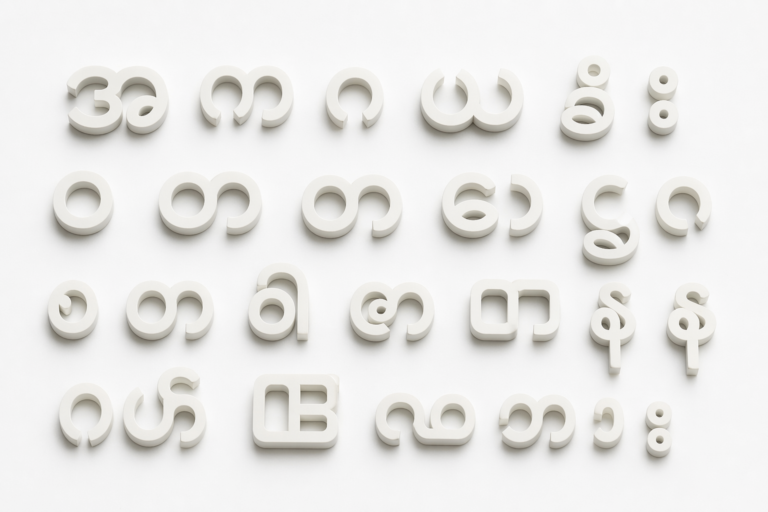
The Burmese alphabet is a big part of the Myanmar writing system. People use it for the Burmese language, which is the official language of Myanmar.
-
It is not the same as the Latin alphabet. The Burmese script works as an abugida, so each syllable has a mix of consonants, vowels, and diacritical marks.
-
These rounded letter shapes go way back. This now ties to the old way of writing on palm leaves and writing sheets, a method early writers in Asia used long ago.
-
Many Australians get into the Burmese script. They do this so they can travel, meet people in the community, or start learning a second language. This often links to other places in Southeast Asia.
-
The best way for beginners is to know basic consonants, vowel symbols, and how to say the sounds. It’s also good to have regular writing practice to get better at it.
Introduction
If you want to know more about the Burmese alphabet, you are not the only one. Australians who have a link to Myanmar, like languages, or just need to read signs and messages will find this type of writing different. The shapes are round and do not look like English. But once you see how the script works, it gets easier.
This guide will show you the Burmese alphabet in a simple way. So you can have more confidence when reading the Myanmar writing system.
Understanding the Burmese Alphabet for Australians
The Burmese language has a writing system made up of consonants, vowels, and small marks around each syllable. People often call it an alphabet, but it does not work the same as English. Burmese letters change the sound, based on the marks you put on them.
For Australians, this is important to know. In Myanmar, people still use this script for day-to-day writing. The burmese alphabet shows up in typed messages, dictionaries, keyboard layouts, and in learning tools. When you say words, you have to be careful. Some romanised letters in burmese do not sound like they do in English.
Why Australians Are Interested in the Burmese Script
Many people in Australia are getting more interested in the Burmese script these days. Myanmar is part of Southeast Asia, and that makes the script useful for those who travel, learn, or share in other cultures in this part of Asia. If you meet someone who speaks Burmese while you are in Australia, knowing the script can help the talk feel easier and you can show more respect.
Some people in Australia even choose Burmese as a second language. This can help when they need to read someone’s name, short notes, or easy learning guides. Just knowing how the script works can help you spot the way words go together, which is not always clear if you look at Latin letters only.
There is also a real every day use for it. The Burmese script is used now, not just for old books. You will find it on computers, in keyboard set-ups, and from people in the community. If you live in Australia, learning the Burmese script could help you get closer to Myanmar, the language, and life in Asia.
Importance of the Burmese Alphabet in Modern Communication
The Burmese alphabet is at the centre of how people talk and write because Burmese is the official language in Myanmar. If you want to read or write in modern Burmese, you have to know how the script uses consonants, vowel symbols, and some extra marks to build syllables.
Every day, people see this writing system on keyboards, in dictionaries, and when typing messages. You can learn how to get things like virama, asat, anusvara, visarga, and more signs by using a computer keyboard. So, the Burmese alphabet is active in digital life, not just when people write by hand.
This is important for us here in Australia. If you stick with only English spelling, you will miss how words should really look and sound. Knowing the Burmese writing system will help you read modern Burmese so you can see how the language is used by people today.
The History and Origins of the Burmese Alphabet
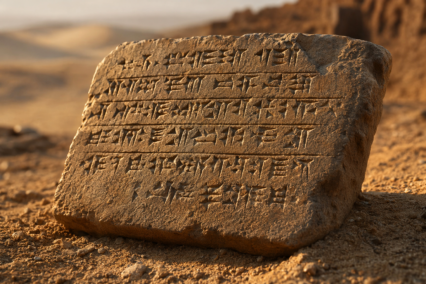
The story of the Burmese writing system starts with older writing traditions in Asia. People say that the Burmese alphabet came from the ancient Brahmi script. The Brahmi script shaped many other writing systems in Asia. So, the Burmese writing system is part of that long history. It was not made completely on its own.
As time went on, the script changed into the one you see in Burmese today. Its history also has links with the Mon script, Pali, and Sanskrit. If you want to understand the modern script, it is good to look at how these old writing systems helped to form and shape it.
Development from Ancient Scripts to Present Day
The Burmese alphabet comes from the ancient Brahmi script, which is part of a big group of Asian scripts. The script did not just show up quickly. It grew over time, with people using old written forms. Early writers changed these to fit new languages in the area.
You can see a good clue in the way many letters are rounded. Early writers would write on palm leaves or other soft writing sheets. It was just easier to use curved shapes on these. This small detail helps us see why the Burmese alphabet does not use a lot of straight lines like some other alphabets.
Many of the main terms point back to the 8th century. This shows the story of the script goes way back in time. Over the years, the Burmese alphabet has moved from old-style writing to how people in modern Burmese type words and use dictionaries. It still keeps some key signs from its ancient days.
Influences from Other Asian Writing Systems
The Burmese script is part of a wider group of Asian scripts that came from the Brahmi script. This gives Burmese script clear links with writing style found all over Southeast Asia. It also explains why some features in the script look like neighbouring scripts.
Mon script is also an obvious influence. The compiled information brings in old Mon script, which points to a close past between the two. This is important for people who want to know if Burmese and the scripts for other Myanmar languages are the same. The Burmese script is connected, but they aren’t exactly the same in every way.
Pali and Sanskrit changed the system too. There are many words of Pali and Sanskrit words that got into written Burmese. Some grey letters are hardly used and turn up mainly for Pali words. The Burmese alphabet shows how the region has made its own way, but also picked up things from other parts of Asia.
Structure and Key Features of the Burmese Alphabet
When you first see the Burmese script, you might think the writing looks fancy, but it is actually well-organised. The Burmese language has a writing system that uses syllables. The main consonants have vowel signs and some other marks that change the sound.
This is one way it is not the same as the Latin alphabet. In English, letters are just put in a straight line. In Burmese, one written group can have a few signs around one main symbol. The next parts explain how these character groups work and show you the structure in real use.
Number of Characters and Groupings
When people ask how many characters are in the Burmese alphabet, the answer depends on what you count. The compiled information lists core consonant letters, vowels, and number symbols from 0 to 9. It also shows extra signs such as the virama, asat, anusvara, visarga, and dot below.
That means the Myanmar alphabet is not just a set of separate letters in the English sense. Burmese letters work together to build a syllable, so learners should think in groups rather than a single long list. Consonants and vowels are both important, but added marks also shape pronunciation.
|
Group |
Examples from compiled information |
Role in a syllable |
|---|---|---|
|
Consonants |
ka, kha, ga, gha, nga, ca, cha, ja, jha, ña |
Base sounds for syllables |
|
Retroflex and dental sets |
Ṭa, Ṭha, Ḍa, Ḍha, Ṇa, ta, tha, da, dha, na |
Additional consonant letters |
|
Final consonants |
pa, pha, ba, bha, ma, ya, ra, la, wa, ha, sa |
Expand syllable patterns |
|
Vowels |
ā, i, ī, u, ū, e, o, ō, ai |
Vowel symbols and sounds |
|
Other signs |
virama, asat, anusvara, visarga, dot below |
Modify or combine letters |
How the Burmese Script Differs from the Latin Alphabet
If you use English, the Burmese script might look strange. That’s because it is not set out like the Latin alphabet. English puts letters next to each other in a straight line, but the Burmese writing system makes a syllable with a base consonant and adds a vowel sound or a diacritic sign to it.
Pronunciation is also quite different. The guide points out some romanised letters can sound different to what some people expect. For instance, j is read as /z/, c is read as /s/, and s comes out as /θ/ like in “thing”. So the way words are spelled and how they sound does not match how it works in English.
-
Burmese is an abugida, not just an alphabet like English.
-
A consonant in Burmese can have an inherent vowel sound if there is not another sign to change it.
-
Diacritical marks don’t just go after the main letter, they can sit around it too.
-
When you see Burmese in a romanised way, the sound can be different than what you would think from English.
For people in Australia, it’s good to get to know the Burmese writing system on its own, and not try to fit it into the Latin alphabet rules.
Consonants, Vowels, and Diacritics Explained
To read the Burmese alphabet, you need to know a few main things. The writing system has three parts: consonants, vowels, and diacritical marks. These parts all work together to build a syllable. Each consonant usually has an inherent vowel sound built in. But this sound can change when you add a vowel symbol or a different mark.
This writing system is not like English, but it has a pattern that makes sense. Once you can spot the basic consonants and the most common vowel symbols, it gets easier to say Burmese words out loud. Up next, we look at how pronunciation and vowel symbols work together in this alphabet.
Burmese Consonant Letters and Pronunciation
An easy way to learn the Burmese basic consonants is to start with the main ones listed in the guide. Go with ka, kha, ga, gha, nga first. Next, add ca, cha, ja, jha, and ña. Then, move on to the rest of them in their groups. This makes things easy to handle. You don’t have to learn every consonant at once.
You have to watch pronunciation closely. The guide explains that letters with h in Burmese, like in kha, are not said the same as an English speaker might think. It tells you that j sounds like /z/, c sounds like /s/, and s sounds like /θ/, the way it is in “thing”. You need to get these details right from your first lesson.
There’s also something called the glottal stop. The guide talks about a vowel sign that works as an independent glottal stop. There is also an initial glottal stop, used at the start of a word. When you learn every consonant, try to match it to its sound, where it comes in the syllable, and how you usually see it in writing.
Vowel Letters, Diacritics, and Their Sounds
The Burmese vowel system has two kinds of vowels. There are vowels that stand alone and vowel diacritics that you add to consonants. Some of these vowel symbols are ā, i, ī, u, ū, e, o, ō, and ai. These vowels help to make the syllable rhymes that give Burmese words their sound.
You should know how diacritical marks can change the sound and meaning of a word. The virama is used to join two consonants together. The asat can change or cut short the original sound, while the anusvara and visarga add extra sounds. So, one written syllable can hold more detail than it looks like it does at the start.
-
The vowel sounds aa, ii, and uu can be used for long vowels ā, ī, and ū.
-
The virama helps join together two consonants as one sound.
-
The asat, when put after a vowel, changes how you read it.
-
Anusvara and visarga are other diacritical marks that you need to know.
If you are just getting started, you will find it much easier to learn vowels using example syllables instead of trying to learn every single diacritic by itself.
Beginner’s Guide: How to Start Learning the Burmese Alphabet
Starting to learn the Burmese alphabet is easier if you take small and steady steps. Start with a few of the main consonants. Then, add the main vowel signs. Work out how each character sounds at the start of a word. See how the sound changes when you put a mark with it.
If Burmese is your second language, do not rush through long word lists. First, you should focus on recognising shapes, getting the right pronunciation, and writing clearly. When the letters no longer feel strange, you can put simple syllables together and read short items with less stress.
Essential Tools, Apps, and Resources for Beginners
Beginners find it helpful to use tools that show the script and the transliteration at the same time. The information below points out some very useful tools online, like a Burmese dictionary, keyboard help, ways to check the phonetic alphabet, and guides on typing. They are handy because they put together reading, writing, and pronunciation.
You can also try digital keyboard practice to see how each letter is made. The typing guides tell you how to type the virama, asat, long vowels, and other marks. This helps you see how the Burmese alphabet, vowels, and other signs are used when people really write text, not just in class or a book.
-
Use a Burmese dictionary to see the script, what it means, and how you say it.
-
Practise with keyboard tools to learn how to type the virama, asat, and the right vowel.
-
Try phonetic or IPA tools to check Bhutanese pronunciation and see how each sound is made.
-
Keep going with short, easy exercises that let you work on one syllable at a time.
For most people, the best online apps and tools are the ones you use every day, even if you only write or read for a few minutes. This way, you work on your Burmese vowels, alphabet, pronunciation, and syllable skills bit by bit.
Common Mistakes and Tips for Mastery
A big mistake people make is to treat the Burmese writing system like it’s English spelling. Many new learners think each symbol will act like a letter in the English alphabet, but the Burmese writing system is all about building a syllable. This can mess up your pronunciation, especially if you forget the inherent vowel or leave out a final mark.
Another thing people do is trust romanised forms too much. The letters like c, j, and s often don’t sound the same as in English, so it’s easy to get the wrong vowel sound or say a consonant wrong from the start. People also skip over marks like the virama or asat. This can change how you read a word.
-
Learn the Burmese script and the right sound for each at the same time, not just by memorising the English way to say it.
-
Practise changes in vowel sound caused by diacritical marks.
-
Once you know the basic script, then look at common grammar, words and patterns.
-
Write slowly, so you see every part of the syllable.
Good pronunciation comes from doing it right before you try to do it fast.
Step-by-Step Process to Master the Burmese Alphabet
You do not have to use a hard way to get good at the Burmese alphabet. The best way is to follow a clear order. First, learn burmese consonants. Then, add vowels. After that, practise writing. When you do that step-by-step, it will not feel too much from the start.
Your reading and writing should grow at the same time. If you just copy shapes, it goes slow. If you only read transliteration, it never comes to you in a natural way. The next four steps show you an easy order that will help you from day one with the burmese alphabet.
Step 1: Familiarise Yourself with Consonants and Vowels
Start off by learning the main consonants and a small group of vowels. When you are new, focus on picking up the usual consonant groups one after the other. Pair them each time with easy vowels like ā, i, u, e, and o. This is a good way to give the Burmese alphabet some order right from the start.
Then, link every symbol with how it sounds. Do not just spot its shape on the page. Say it out loud, check it with the romanised guide, and watch for odd sounds, for example when j is /z/ or c is /s/. This habit can help most people stop mistakes before they turn into problems.
After you do this, start making simple syllables. Burmese gets easier when you look at the script as small sounds, not just single marks. When you get to know both consonants and vowels together, short forms seem much less scary. You can then get into writing practice with a bit more confidence.
Step 2: Practice Writing and Recognising Burmese Script
When you know the basic symbols, start to write them out by hand. Try to spot them, too, when you see them typed out. Burmese script has a lot of rounded shapes, which makes it different to writing systems built on straight lines. If you keep repeating things, your eyes get better at seeing little differences between shapes that look almost the same.
Handwriting practice helps because it makes you slow down and take notice. You begin to see where a vowel sits in the letter. You notice how a consonant can change if there is a small mark on it. You see how forms get joined to make a new one. This makes it much easier when you look at typed text, because the way it works starts to make sense.
-
Copy a short set of characters every day, not a long list once each week.
-
Look at your handwritten forms and compare them with keyboard versions so you get better at seeing differences.
-
Practise combined consonants by using the virama with simple examples.
-
Use online tools so that you can type and check Burmese script by looking at it.
Doing this step helps you move from remembering the symbols, to being able to read them for real.
Step 3: Use Online Tools and Practice Exercises
Digital practice helps you learn faster because the Burmese writing system is easy to use with a keyboard. It has marks that you can test on your keys. The information you get shows you how to type things like virama, asat, long vowels, and punctuation in clear steps. This makes online tools and apps useful when you want to read or do more writing on the Burmese writing system.
It’s good to pick exercises that let you work on one thing at a time. You might spend one session on consonants, another on vowel symbols, and the next on joining these forms together. That way, things stay simple, and you do not get overloaded, especially when you are still getting used to the look of the Burmese writing system.
-
Use keyboard drills. They are great for learning how all the marks and base letters fit together.
-
Try out dictionary tools. These show you the Burmese script and the transliteration next to each other.
-
Do small, fast exercises for sounds or diacritics that are tough.
-
Save what you type so you have examples and can look back at your progress.
Doing short sessions often is much better than doing one big block of study now and then.
Step 4: Apply Burmese Alphabet in Everyday Contexts
The last thing to do is to use the Burmese alphabet in everyday life. This means you move from simple practice to real words, short texts, and day-to-day talking. The more you see the script in use, the more natural it will feel for you to read modern Burmese.
Daily practice with the Burmese language does not have to be hard. You can read simple dictionary entries, type basic words on a Myanmar keyboard, or spot words that keep coming up in short notes. This helps you join your practice to how the Burmese language is really used in the world.
-
Read a few new words each day in script, not just in the way they sound.
-
Type the words most people use and watch how the marks on letters change.
-
Look and see how people use the script in modern Burmese when they chat or write online.
-
Go back to things you’ve seen before until you know them without thinking about it.
When this alphabet becomes part of your normal day, learning the Burmese alphabet keeps getting easier and feels more useful.
The Burmese Alphabet in Everyday Use and Comparison
The Burmese alphabet is more than just something you see in textbooks. The writing system is a key part of the Myanmar script. People in Myanmar use it for reading and writing every day, including when they write standard Burmese. This everyday use is a good way to see how the writing system works, not just with the alphabet, but with all the letters and signs many people use.
At the same time, Burmese is linked to other scripts and languages in Southeast Asia. Some of these scripts are tied together by old traditions like Brahmi and Mon. Still, these are not the same as the Myanmar script or each other. If you look at how the alphabet and script are used and compare them, you will get to know more about how they all fit together in Myanmar, and even beyond, in Asia.
How the Alphabet Is Used in Myanmar and Australia
In Myanmar, people use the Burmese alphabet for everyday writing because Burmese is the official language. The information collected also points out that there is good keyboard support, tools like dictionaries, and ways to type online. This shows the script is part of daily digital talk, not just for the old days or formal use.
In Australia, the Burmese alphabet is important for people from Myanmar, those learning the language, and workers who connect with these groups. Even knowing a little bit can help people understand names, messages, or other things that come from Burmese-speaking people.
-
In Myanmar, you see the script in typing and in language tools.
-
In Australia, it helps groups talk and lets people learn.
-
Digital keyboards let people type on phones or a computer with no trouble.
-
Dictionary and tools that show how words sound make it simple to connect the script with the right pronunciation.
For most Australians, you may not see the Burmese alphabet as much as people do in Myanmar, but the script still is useful in many ways.
Distinctions Between Burmese and Other Myanmar Scripts
There are some clear differences between the Burmese alphabet and the alphabets linked to other Myanmar languages. This happens even though the scripts come from the same style of writing called the Myanmar script tradition. The gathered details show a close link to old Mon script, so there is a connection, but the two are not exactly the same.
One big reason they are different is in how the languages are used. The scripts might look the same, but they fit different vocabulary or sound systems. They might also have other habits in writing. Words borrowed from Pali and Sanskrit also add things to the way Burmese is written, like rare letters saved for loanwords.
-
The Burmese alphabet has some history shared with the Mon script and Brahmi traditions.
-
Scripts that joined from the myanmar script do not always show Burmese pronunciation the right way.
-
Different words or vocabulary can change which letters or signs you see the most in writing.
-
Some rare letters in Burmese show up in Pali words, old forms, or loanwords.
So you can see, Burmese has its own mix. It comes from a family of scripts but the language keeps its own way and style of use.
Conclusion
To sum up, getting to know the Burmese alphabet is a great way for people in Australia to learn about new culture and break down language barriers. This one-of-a-kind writing system links you to the history of Myanmar. It also helps you join in with the country’s rich culture. When you get used to how the letters look and sound, and use good tools to practise, you can learn this alphabet well. Take on the journey of learning Burmese. It will let you know more and help you meet new people. If you want to start, look into trusted lessons or tools and begin your path with this amazing writing system today.
Frequently Asked Questions
How many characters are in the Burmese alphabet?
The Burmese alphabet, also called the Myanmar alphabet, has consonant letters, vowels, and extra marks. These all work together in a syllable. There is not one simple total like in English. The information here brings together the main consonants, some vowels, numbers, and also marks like virama and asat.
Are there online tools or apps to practice writing Burmese?
Yes. The compiled information has some online tools for the Burmese writing system. These tools give help with the dictionary, keyboard input, and speak-sound references. You can use these apps and tools for learning the Burmese alphabet as well. They show you how to type, use, and mix letters, vowels, and marks in the Burmese writing system.
What are some effective methods for learning the Burmese alphabet?
Learning the Burmese alphabet is best when you start with the basic consonants and vowels. Next, work on how to say them and do a bit of writing practice. Short exercises help as well. Try to use some keyboard tools and dictionaries. Read easy syllables again and again. In this writing system, doing a little each day is better than having a long study just now and then. This way, it will be easier for you to get the feel of the basic consonants, vowels, and pronunciation.
How does the Burmese alphabet differ from other alphabets?
The Burmese alphabet is not like the Latin alphabet. This is because the Burmese writing system is based on syllables. It also uses special marks and attached signs to show vowels. The Burmese alphabet has a story that links back to the Mon script and old Brahmi ways of writing. Because of this, the structure and look of Burmese letters are very different from most Western alphabets.