You can pay tuition in India from the US via bank wire transfer, an online money transfer service, or an education payment platform accepted by the specific school. Gather the school’s payment details, compare fees and exchange rates, check delivery estimates, and confirm that the full payment reaches the school’s account.
Quick answers
- Confirm which payment methods the school accepts and use its official bank details and student payment reference.
- Compare the total US dollar cost of delivering the required amount in Indian rupees. A transfer with no sending fee may still include currency conversion costs.
- Send the money early enough to allow for verification, processing delays, and the school’s time to record the payment.
- Confirm that the school has credited the full tuition amount, and keep your transfer confirmation and school receipt.
For Indian students in the US helping family back home and US-based parents funding a child’s education in India, tuition payments are part of supporting a loved one’s future. A reliable way to pay tuition in India from the US makes it easier to manage costs and meet enrollment deadlines. However, hidden fees, unclear exchange rates, and unexpected delays can leave you wondering whether the full payment will arrive in time.
We understand that you want to support your loved one’s education without worrying about the payment process. This Remitly guide explains your payment options, fees, and transfer speeds, and then walks you through sending tuition step by step. Clear information and a provider that supports your payment needs can make tuition payments simpler, more transparent, and less stressful.

Why tuition payments to India can get complicated
Paying tuition across borders involves more than just sending the amount on an invoice. Exchange rates can change between budgeting and payment day, affecting how many US dollars you need to cover fees in Indian rupees. Bank holidays, processing cutoffs, and verification checks can also delay delivery, leaving less time before an enrollment deadline.
Regulatory checks can also add paperwork to the process. The transfer provider or receiving bank may need information to verify the sender and confirm the payment’s purpose. Depending on the transaction, documentation of incoming funds may include a Foreign Inward Remittance Certificate (FIRC) or another bank-issued remittance record. An FIRC isn’t a standard requirement for every tuition payment, but uncertainty about the required documents can complicate the process, and incomplete information can delay verification.
Costs can add another layer of difficulty. Traditional banks often charge higher international money transfer fees and may offer less favorable exchange rates than online money transfer services. That can mean spending more US dollars to cover the same tuition bill, putting extra pressure on your education budget.
You may also see India’s Liberalised Remittance Scheme (LRS) mentioned in tuition guides. It applies to money that Indian residents send out of India, so it doesn’t cover tuition you pay into India from the US.

Comparing tuition payment options: Banks, wire transfers, and online services
Your choice starts with the payment methods the school accepts. Bank wire transfers send money to the school’s designated account, money transfer services offer an online alternative, and education payment platforms (such as Flywire) connect your payment to a participating institution. Understanding the differences between remittance services and wire transfers can help you compare these routes.
Bank wire transfers let you pay through your existing bank using the school’s international payment instructions. They can be convenient, but fees for sending money internationally, intermediary charges, and currency conversion costs may increase the total.
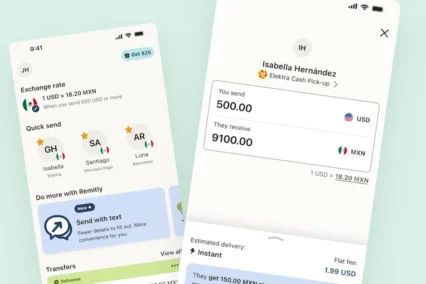
Online money transfer services, such as Remitly, often offer lower fees and more favorable exchange rates than traditional banks. With Remitly, you can review the transfer fee, exchange rate, recipient amount, and estimated delivery time before confirming the transfer.
Education payment platforms let you pay through a participating school’s payment portal. The payment request includes student details to help the institution identify your payment, and you can track its progress. Availability depends on whether the school uses the platform.
Here’s how these options compare in terms of fees, transfer speed, and exchange rate transparency.
| Payment Option | Transfer Fees | Transfer Speed | Exchange Transparency |
| Bank wire transfer | Typically $15–$65 USD. Conversion costs and intermediary charges may also apply. | Generally 1–5 business days. | The bank sets the conversion rate; an exchange rate markup may apply. |
| Remitly | $3.99 USD for transfers below $1,000; $0 for transfers of $1,000 USD or more. | From minutes to anywhere between 1–3 business days. | Exchange rate, transfer fee, and recipient amount shown before confirmation. |
| Flywire | Quoted per payment, including applicable Flywire, processing, and conversion costs. Separate bank or card fees may apply. | Typically 2–3 business days after Flywire receives your funds, plus funding time. | Exchange rate and total payment amount confirmed when creating the payment request. |

How to pay tuition in India from the US: Step by step
Once you’ve checked which payment methods the school accepts, follow these four steps to send the funds and confirm they’ve been credited to the student.
- Gather the school’s payment details. Get the school’s official payment instructions, tuition invoice, and student ID or enrollment number. For a bank payment, collect the school’s account holder name, account number, bank name, and SWIFT/BIC or IFSC code, as required for your transfer route.
- Choose a provider and compare the total costs. Confirm that the service supports payments to the school’s account and can handle the tuition amount. Compare quotes for the same amount arriving in Indian rupees, including transfer fees and the exchange rate. Check whether receiving or intermediary bank charges could reduce the amount delivered.
- Review the details and send your payment. Enter the school’s recipient information and include the student ID or payment reference where instructed. Double-check the account number, the account holder’s name, and bank codes against the school’s official instructions before confirming. Review the estimated delivery date, allowing time for the school to record the payment before its deadline, and save the transfer reference number.
- Confirm receipt and keep your records. Track your transfer, then confirm with the school that the full amount has been credited to the correct student account. Request a tuition receipt and save it with the invoice and transfer confirmation. These records can help resolve payment queries and support any applicable tax or visa documentation requirements.
Double-check the school’s account details and student payment reference before sending. Errors can delay delivery or prevent the school from matching the payment to the student. For help preparing supporting paperwork, see our guide to documents required for large international money transfers.

Understanding fees, exchange rates, and delivery times
A “no transfer fee” offer doesn’t necessarily mean a lower total cost. Providers can build a charge into the exchange rate, giving you fewer rupees for each dollar. Understanding how exchange rates work will help you see beyond the advertised fee. Transparent pricing shows what you’ll pay and what the school will receive before you confirm.
For example, consider sending $10,000 USD toward tuition, with transfer fees paid separately:
| Illustrative Payment | Bank Wire | Online Transfer Service |
| Exchange rate | 84 INR per 1 USD | 85 INR per 1 USD |
| Transfer fee | 40 USD | 5 USD |
| Total you pay | 10,040 USD | 10,005 USD |
| Amount received | 840,000 INR | 850,000 INR |
In this example, the online service costs 35 USD less and delivers 10,000 INR more. These are hypothetical figures, not current quotes, and they assume no additional charges.
Cost is only part of the decision, though. Check the estimated arrival date alongside the quote, allowing time for the school to credit the payment. Our guide to international money transfer times explains what can affect delivery.

Tips for safer tuition payments with less stress
A few habits can help you avoid last-minute problems and make future payments easier:
- Start early. Allow extra time beyond the estimated delivery date for verification, bank holidays, and the school to record your payment.
- Keep all your paperwork together. Save tuition invoices, transfer confirmations, and school receipts for any applicable US tax documentation or Indian compliance checks. Retain an FIRC or other bank-issued remittance record where relevant to your payment.
- Use secure, regulated providers. Send money through the provider’s official app or website, and verify unexpected changes to payment instructions directly with the school. This digital safety checklist covers practical ways to protect your accounts and payment information.
- Plan for each semester. Where your provider supports recurring transfers, consider scheduling payments around the school’s billing dates. Review the tuition amount, recipient details, and exchange rate arrangements before each payment. Otherwise, save the school’s details and set a reminder for the next deadline.

Make tuition payments to India simple and secure
Paying tuition in India from the US starts with understanding the school’s accepted payment options, comparing fees alongside exchange rates, and allowing time to receive and process the payment before the deadline. A reliable transfer service with clear pricing and delivery estimates can make the process easier to manage, so you can focus on supporting your loved one’s education.
Ready to plan your payment? Use Remitly’s USD-to-INR calculator to explore the conversion, then enter your details to review fees and estimated delivery before sending. For more tips, explore our guide to sending money to India.
FAQs
How long does it take to send tuition money to India?
Tuition payments from the US to India can take anywhere from a few minutes to five business days to arrive, depending on the provider and payment method. Bank wire transfers typically take one to five business days, while online transfers may arrive sooner.
What documents do I need to pay tuition in India?
You’ll generally need the school’s tuition invoice, official bank details, and the student’s enrollment number or payment reference. Depending on the transfer, your provider may also request proof of identity, information about the payment, or additional supporting documents, particularly for larger amounts.
Can I pay tuition in India using a US credit or debit card?
Yes, some Indian schools accept international credit or debit card payments through their approved payment portals. Availability depends on the institution and payment platform. Before paying, check for card processing fees, foreign transaction charges, and currency conversion costs.
Are there limits on how much tuition money I can send from the US to India?
Yes, transfer limits may apply depending on your provider, payment method, and identity verification status. Some services support larger education-related transfers but require additional documentation.