


Quick answer: Your options for sending money abroad for a wedding include an international bank transfer, a money transfer provider such as Remitly, or a card payment if the vendor accepts one. Start by confirming who needs to receive the money, the required currency, and the deadline. Then compare the full cost, delivery estimate, transfer limits, and cancellation or dispute terms before you commit to a method.
You’ve found the venue, or a relative overseas has agreed to help coordinate the big day. Now comes a quieter but equally important question: how do you actually get the money where it needs to go? A venue deposit, a contribution toward a family member’s wedding expenses, and a cash gift for the happy couple can each call for a different payment approach. Mixing them up, or assuming one method fits every situation, can cost you time, money, or both.
This guide breaks down the realistic payment options for an overseas wedding, what to check before you send, and where a provider like Remitly may fit into your plans.

First, what kind of wedding payment are you making?
Before comparing payment methods, identify exactly what you’re paying for. The right option depends heavily on who’s receiving the funds and why.
Paying a venue or wedding vendor
If you’re sending money directly to a venue, photographer, caterer, florist, or planner, treat the payment like any other vendor transaction. Before sending anything, gather:
- A written contract or invoice.
- The amount and currency due.
- The payment deadline.
- The payment methods the vendor actually accepts.
- Verified beneficiary details, confirmed through a trusted channel.
- Deposit, cancellation, and refund terms spelled out in writing.
One detail couples often overlook: a vendor’s trading name may not match the legal name on their bank account. If you notice a mismatch, don’t ignore it. Ask the vendor to explain the discrepancy and verify it independently before you send a cent.

Sending money to family helping with the wedding
Many couples lean on relatives overseas to coordinate local expenses, such as paying a caterer in person or managing deposits with vendors who don’t take international payments easily. If that’s your situation, agree upfront on the amount, what it’s meant to cover, and how your relative will share receipts or updates.
Keep in mind that sending money to a family member is a separate transaction from the vendor actually getting paid. You’re trusting someone to handle that second step, so clear communication matters as much as the transfer itself.
Sending a wedding gift
A cash wedding gift is simpler, but it’s still worth a moment of planning. Focus on what’s convenient for the recipient: their preferred currency, the delivery options available to them (bank deposit, mobile wallet, or cash pickup, for example), and any details they need to provide for the gift to arrive smoothly.
One note: this guide doesn’t cover tax or gift-reporting thresholds, since those rules vary and change. If that’s a concern for a larger gift, it’s worth checking current guidance separately.

What are your overseas wedding payment options?
Once you know what kind of payment you’re making, compare your options against it.
| Option | When to consider it | What to check |
| International bank transfer or wire | A vendor requests payment into a bank account | Exchange rate, bank charges, beneficiary details, timing, and recall terms |
| Money transfer provider, including Remitly | The provider supports the recipient, destination, amount, and payment purpose | Full quote, limits, delivery options, eligibility, and cancellation terms |
| Direct credit or debit card payment | A venue or vendor accepts cards | Currency conversion, issuer fees, vendor charges, and applicable dispute procedures |
| Payment platform or vendor payment link | The vendor offers a supported checkout service | Authenticity, fees, recipient eligibility, and protection terms |
| Transfer to a trusted relative | A family member is arranging approved local payments | Records, onward-payment arrangements, and the additional time or cost involved |
No single option is automatically the best choice for every wedding payment. You might use a money transfer provider for a family contribution and a card for a vendor that accepts it directly. According to Moneysmart.gov.au, it pays to compare international transfer methods, since providers set their own exchange rates and fees, and costs can vary significantly depending on the amount, destination, and method you choose.
How do you compare the total cost?

Start with what the recipient needs to receive
There’s a difference between “I can spend $2,000” and “the venue must receive exactly €2,000.” Exchange rate fluctuations and fees sit between those two numbers, so decide which one matters more for your payment before you request a quote. When comparing providers, use the same sending amount and the same required receiving currency each time, or the numbers won’t line up fairly.
Look beyond the transfer fee
A low headline fee doesn’t always mean a low total cost. Review:
- The exchange rate being offered.
- The transfer fee itself.
- Any payment-method charges (some providers charge more for card payments than bank transfers).
- Possible intermediary or receiving-bank fees.
- The amount actually expected to arrive.
The Consumer Financial Protection Bureau recommends reviewing transfer disclosures so you can compare the full cost of sending money abroad before you pay, since providers are generally required to show the total cost and the amount your recipient should receive ahead of time.
Exchange-rate changes can affect later installments
Imagine a couple pays a venue deposit now and owes the remaining balance, in local currency, several months later. Even if nothing else changes, the dollar cost of that final payment can shift with the exchange rate between now and then. This guide won’t predict where rates are headed or suggest a “best day” to send money, because no one can reliably do that. Just factor the possibility of change into your budget.

How early should you arrange wedding payments?
Build a simple payment schedule around your contractual deadlines rather than waiting until the last minute.
| Payment | Information to record |
| Venue deposit | Amount, currency, due date, refund terms |
| Interim vendor payment | Contract milestone and invoice reference |
| Final balance | Deadline for funds to be received |
| Family contribution | Agreed purpose and recipient |
| Wedding gift | Preferred delivery method and timing |
Processing a transfer can involve funding time, identity checks, banking schedules, and recipient-side requirements, all of which take time to clear. There’s no single lead time that applies to every transfer. Instead, check the delivery estimate your provider gives you and build in a practical buffer rather than cutting it close to the deadline.
Could Remitly work for your overseas wedding payment?
With Remitly, you can explore sending money abroad for a family contribution or a wedding gift. If you want to pay a venue or vendor directly, confirm first that the recipient, payment purpose, destination, and account type are supported for your specific transfer.
Remitly offers international transfers with destination-specific payment and delivery options across more than 175 countries.
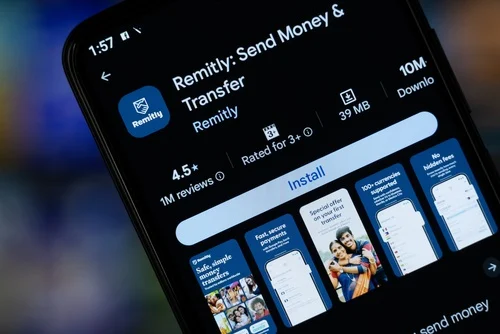
Check the options for your specific transfer
Before relying on Remitly for any wedding-related payment, confirm:
- Your destination and currency are supported.
- The recipient and account type are eligible.
- Your available sending and receiving limits.
- The payment and delivery methods offered for that corridor.
- The exchange rate, fees, amount the recipient will receive, and estimated arrival time.
Prepare for a larger payment
Larger wedding-related transfers, like a significant family contribution, may require identification or supporting documents. Remitly may ask about the purpose of your transfer or the source of funds as part of its standard security checks. Sending limits vary by country, delivery method, and exchange rates, and banking partner requirements may add further documentation needs, so it’s worth preparing for a large international transfer in advance rather than at the last minute.
How to explore a transfer with Remitly
- Sign in or create an account.
- Choose the destination and amount.
- Review the available delivery options.
- Enter the verified recipient details.
- Select an available payment method.
- Complete any requested verification.
- Review the full quote and delivery estimate.
- Confirm the transfer and save the receipt.
Check your options for sending money abroad with Remitly.

How can you check wedding payment instructions before sending?
Wedding season is a known target for payment scams, partly because couples are juggling multiple vendors and relatives at once. Keep these practices in mind:
- Verify the vendor independently before paying, using contact details you already have, not ones sent in a new message.
- Match the invoice, the contract, and the beneficiary details on the payment itself.
- If an account number changes unexpectedly, confirm it by calling a previously verified phone number, not one provided in the message that requested the change.
- Pause if a message pressures you to send money urgently.
- Confirm receipt once the payment lands, and keep the invoice and transfer confirmation on file.
The FBI recommends independently verifying changes to payment instructions, since fraudsters often impersonate vendors or request last-minute changes to banking details.

What happens if the wedding plans change?
A vendor refund and a transfer cancellation are different things
It’s worth separating these two concepts clearly:
- The vendor’s contract governs its own cancellation and refund commitments, subject to applicable law.
- A transfer provider’s cancellation or error-resolution process addresses the transfer itself, not the underlying service.
- Successfully delivering money to a vendor doesn’t guarantee that vendor will follow through on the agreed service.
Covered U.S. remittance transfers come with certain disclosure, cancellation, and error-resolution protections, though conditions apply. According to the Consumer Financial Protection Bureau, you generally have the right to cancel a covered remittance transfer within 30 minutes of sending it, as long as the funds haven’t already been picked up or deposited.
Check card-dispute terms before choosing how to pay
A direct card purchase may come with a dispute process, depending on your card issuer and the circumstances. Ask your issuer about the specific terms that apply to you.
It’s important to distinguish between funding a money transfer with a credit card and purchasing wedding services directly from a vendor with that same card. These are not the same transaction, and they don’t necessarily carry the same protections. For purchases made directly with a card, the Consumer Financial Protection Bureau outlines the process for disputing a credit card purchase if something goes wrong.
Frequently asked questions (FAQs)
What is the cheapest way to pay for a wedding abroad?
There’s no single cheapest method that applies to every situation. Get quotes for your specific destination, amount, currency, and receiving arrangement, then compare the total cost, not just the advertised fee.
Can I send money directly to an overseas wedding venue?
It depends. Both the venue and your chosen payment service need to support that specific type of transfer, including the destination, currency, and recipient account type. Confirm support with your provider before assuming it will work.
Should I pay the vendor directly or send money to family?
Paying a vendor directly gives you a clear record tied to the contract. Sending money to family can be more convenient if they’re coordinating local payments on the ground. Whichever route you choose, agree clearly on amounts and expectations in advance.
Can I make separate payments for the deposit and final balance?
Yes, as long as your vendor’s contract allows split payments and your provider supports each transaction. Don’t split a single payment into smaller transactions purely to bypass limits or verification requirements.
Can I send a wedding gift with Remitly?
You can check whether your destination, recipient, amount, and preferred delivery option are supported for a wedding gift transfer before sending.
Plan your payments with confidence
Sending money abroad for a wedding doesn’t have to feel uncertain. Confirm the invoice and currency you’re working with, verify the recipient independently, compare the full cost across providers, check the timing and refund terms, and keep records of every payment you make.
Remitly is one option worth exploring for supported wedding-related transfers, whether that’s a family contribution or a gift for the couple.
Transfer availability, payment purposes, limits, fees, exchange rates, and delivery estimates vary. Review the details before confirming. Vendor cancellation policies and any payment-dispute rights depend on the contract, payment method, and applicable terms.


