


Quick answer: Yes, you may be able to pay rent with an international money transfer if your landlord accepts it and your provider supports the destination, recipient account, and payment purpose. Confirm the required currency, amount, bank details, payment reference, and deadline before sending. Then compare the total cost and estimated arrival time.
You’ve found a place to live overseas, but your income or savings are still sitting in a U.S. bank account. Now you’re facing a few extra questions before that first rent payment goes out: which currency should you send, how much actually needs to land in your landlord’s account, and when is a payment considered “on time” when it’s crossing borders?
Paying rent internationally isn’t complicated once you know what to check. This guide walks through when an international transfer works for rent, what to confirm before you send money, and how to compare your options so your payment arrives where it needs to—on time and in full.

When can an international transfer work for rent?
Whether an international money transfer is a good fit for your rent payment depends on who’s receiving the money and what they’ll do with it. Here are three common situations.
Paying your overseas landlord directly
If you’re sending rent straight to a landlord or property manager, they need to agree to the arrangement first. Some landlords only accept payments to a specific bank account. Others require payments through a designated tenant portal. Before you send anything, confirm exactly how your landlord wants to receive rent and whether an international transfer fits that requirement.
Sending money to your own overseas account
If you already have a bank account in the country where you’re renting, you may be able to transfer funds there and then pay your landlord locally. Not every provider supports transfers to your own account, so check this in advance. This approach also adds an extra step: once the funds arrive in your account, you’ll still need to complete a separate local payment to your landlord, which may involve its own fees or timing considerations.
Helping a family member pay rent abroad
Sending money to a relative who will then pay their own landlord is different from paying a landlord directly. In this case, agree upfront on who is responsible for completing the local rent payment, and ask them to keep the receipt. This documentation matters if a question ever comes up about whether rent was paid on time.

What should you confirm with your landlord before sending?
Before you send a single dollar, get written confirmation from your landlord or property manager on the following details:
| Detail | What to confirm |
| Accepted payment method | Whether an international transfer is accepted |
| Currency | The currency specified in the lease |
| Amount | The exact amount that must arrive |
| Recipient | The authorized person or company receiving payment |
| Account details | Bank information obtained through a verified channel |
| Reference | Tenant name, property address, month, or account number required |
| Deadline | When the payment must be received and credited |
| Fees | Who is responsible for any receiving charges |
| Confirmation | How the landlord will acknowledge payment |
Get this information in writing, not just a verbal agreement. A transfer receipt documents that you sent money—it doesn’t automatically confirm that every lease obligation has been satisfied. That’s why landlord acknowledgment matters just as much as the transfer itself.
Illustrative example: Imagine a tenant named Maya needs her landlord to receive €1,200 for September rent. Rather than assuming a fixed dollar amount will cover it, Maya should get a quote based on the euro amount she needs to arrive. Exchange rates shift daily, so working backward from the required amount in the destination currency helps avoid shortfalls.

What are your options for paying rent internationally?
Several methods can move rent money across borders. The right choice depends on your landlord’s requirements and your own circumstances.
| Option | When to consider it | What to check |
| International bank transfer | The landlord provides bank-transfer instructions | Exchange rate, bank charges, required details, and timing |
| Money transfer provider, including Remitly | The provider supports the intended payment and recipient | Delivery options, limits, full quote, and eligibility |
| Landlord’s payment portal | The lease requires or permits portal payments | International card or account acceptance, fees, and payment confirmation |
| Your own local bank account | You have an eligible account in the destination country | Incoming-transfer costs, onward-payment timing, and local payment setup |
| Transfer to a trusted relative | A family member is coordinating an agreed local payment | Records, onward-payment arrangements, and extra processing time |
There’s no single “best” method here—each works better in different situations. A landlord who insists on a local bank deposit may rule out some options entirely, while a landlord who’s open to a money transfer provider gives you more flexibility.

How much does it cost to pay rent with an international transfer?
Compare the full cost of sending rent abroad
The sticker price of a transfer isn’t the whole story. To understand what your landlord will actually receive, look at each of these components:
- The transfer fee charged by your provider
- The exchange rate applied to your payment
- Any charges tied to your chosen payment method
- Possible deductions from intermediary or receiving banks
- The final amount expected to land in your landlord’s account
According to the Consumer Financial Protection Bureau, third-party fees, receiving-bank charges, or foreign taxes can reduce the amount received, even when your provider discloses its own fees upfront. This is why the amount received can be lower than what you expected. If you’re unsure whether your transfer amount covers all potential deductions, ask your landlord directly whether they’ve accounted for these costs.
Budget for exchange-rate changes
If your rent is fixed in a foreign currency, the dollar cost of that rent can shift from month to month as exchange rates move. Don’t try to predict exchange rates or delay a payment while waiting for a supposedly better rate, especially when a deadline is approaching. Instead, build a small buffer into your monthly budget to absorb typical fluctuations.
Check the cost of repeat payments
A first-transfer promotion might make your initial payment look especially affordable. Since rent is a recurring expense, compare the standard terms you’ll pay on an ongoing basis, not just the introductory offer.

How early should you send rent abroad?
Start by working backward from the date your landlord actually needs the funds in hand—not just the date you want to initiate the transfer. Several factors affect how long a transfer takes to complete:
- The time it takes to fund the transfer from your account
- Identity or payment verification steps your provider may require
- Weekends and holidays in both the sending and receiving country
- Processing time on the recipient’s bank
- The time your landlord needs to identify and credit the payment to your account
Transfer speed depends on the destination you’re sending to and the delivery options you select. Rather than relying on a blanket rule like “send three days early,” check the specific delivery estimate for your transfer and build in a practical buffer for anything unexpected.
It helps to think of these as three separate events: starting the transfer, the funds being delivered, and your landlord crediting the payment to your rent account. A transfer can be “delivered” while still taking time to be recognized as rent paid.

Can I use Remitly to send money for rent?
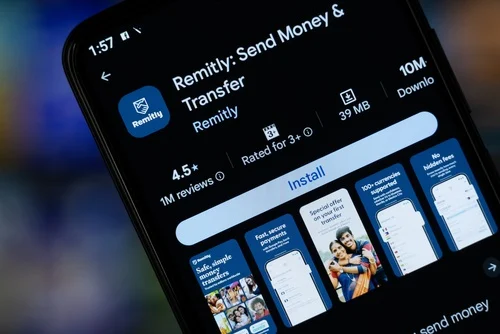
With Remitly, you can explore sending money overseas to help cover rent. Before paying a landlord directly, confirm that the destination, recipient account, and payment purpose are supported—and that your landlord accepts this payment arrangement.
Check your available delivery options
Depending on your recipient’s location, bank deposit may be available as a delivery method. Availability varies by country, so not every rental company or bank account can receive a transfer through every delivery option. Before committing to this payment method, check that your recipient’s bank account is supported.
How to explore your rent transfer with Remitly
- Sign in or create an account.
- Select the destination and enter the amount.
- Review available delivery methods.
- Confirm recipient eligibility and enter verified details.
- Choose an available payment method.
- Complete any requested verification.
- Review the rate, fees, recipient amount, and estimated arrival.
- Confirm and save the transfer receipt.
Before you confirm, check whether any rent reference your landlord requires—like a tenant name, unit number, or account ID—can be included or communicated in a way your landlord will recognize. If you’re paying a property management company rather than an individual landlord, confirm separately that both the company and your provider support this type of payment. Always check your specific transfer details to confirm current features; delivery options and recurring-payment capabilities can vary.
Check your options for sending money abroad with Remitly.

How can you avoid rental-payment scams?
Arranging housing from a distance comes with real risk. The FTC warns that scammers copy genuine listings and seek deposits or rent before renters discover the fraud—often by lifting photos and descriptions from a legitimate listing and swapping in their own contact details.
Here’s how to protect yourself before you send anything:
- Verify the property and confirm the identity of the person authorized to rent it.
- Search for duplicate listings with conflicting owner or contact details.
- Review the lease carefully before sending any payment.
- If you can’t visit the property yourself, ask a trusted person to inspect it on your behalf.
- Independently verify any unexpected changes to payment instructions, even if they appear to come from your landlord.
- Be cautious of pressure to send money immediately—legitimate landlords rarely require instant payment.
Using a money transfer provider doesn’t verify the legitimacy of the rental itself. That’s a separate step you need to take on your own, regardless of which payment method you choose.

What if your payment is delayed, incorrect, or needs canceling?
If something goes wrong with your rent transfer, take these steps:
- Check the status of your transfer through your provider’s app or website.
- Contact the provider promptly with your transaction reference number.
- Notify your landlord of the issue and keep all written communications.
- Confirm exactly what happened before sending a duplicate payment.
Cancellation rights come with conditions. According to the CFPB, for covered U.S. remittance transfers, a timely cancellation generally requires that the recipient has not already collected the money or had it deposited into their account. Review the conditions for canceling an international transfer with your provider as soon as you notice an issue.
Keep in mind that a transfer cancellation or error claim is separate from a dispute about your property, lease, or security deposit. A provider can address a transfer error, but it can’t recover funds that have already been delivered simply because your tenancy situation changes.
Frequently Asked Questions (FAQs)
Do I need a local bank account to pay rent abroad?
Not necessarily. It depends on your landlord’s requirements and which payment options your provider makes available for your destination.
Can I pay a property management company instead of an individual landlord?
Yes, but both the company and your transfer provider need to support the arrangement. Confirm with the property company how they prefer to receive international payments, and check with your provider that this type of recipient and payment purpose is supported.
Can I send the security deposit and first month’s rent together?
Follow the verified payment instructions in your lease, and check any local deposit requirements that may apply in your destination country. Request an itemized acknowledgment from your landlord so you have a clear record of what each payment covered.
Can I set up automatic international rent payments?
Scheduling features vary by provider. Don’t assume that saving a recipient’s details automatically creates a recurring or automatic payment—verify what’s actually available before relying on it for your monthly rent.
What happens if my landlord receives less than the rent due?
Compare your landlord’s reported receipt against your original transfer quote. If there’s a shortfall, contact your provider to understand why, and work with your landlord to agree on how to resolve the difference.
Is a transfer confirmation the same as a rent receipt?
No. A transfer confirmation documents that you sent money through your provider. It doesn’t confirm that your landlord credited it to the correct rental period—ask for that confirmation separately.
Paying Rent Abroad, Step by Step
Paying rent internationally comes down to a simple sequence: confirm your lease instructions in writing, verify your recipient’s details through a trusted channel, compare the amount your provider estimates will arrive against what your landlord actually requires, build in enough time for the transfer to process, and keep records of both the transfer and your landlord’s payment confirmation. Following these steps each month helps rent arrive where it needs to, on time, without surprises.
Payment acceptance and rental requirements vary by landlord and location. Transfer availability, limits, fees, exchange rates, and delivery estimates vary. Review your lease, local requirements, and transfer details before sending.


