

Music provides a universal form of expression that connects us all. Every year, people across the globe come together to observe World Music Day. This annual event honors the power of sound, rhythm, and song. It offers communities a chance to share their cultural heritage through live performances and public gatherings.
In 2026, World Music Day will continue its tradition of bringing communities closer. Musicians, fans, and local organizations will participate in various events worldwide. From small street corners to massive digital platforms, the day highlights how melody and rhythm bridge gaps between different cultures and backgrounds.
Understanding the history and significance of this day can help you appreciate the celebrations even more. Music plays a vital role in our social lives and mental well-being. By participating in World Music Day, you support artistic creativity and help preserve cultural traditions for future generations.
What Is World Music Day?
World Music Day is an international celebration dedicated to live music and cultural exchange. It encourages people to step outside, play music, and enjoy free performances in their neighborhoods.
The Purpose of World Music Day
The primary goal of this event is to celebrate artistic creativity. It encourages musicians of all skill levels to share their talents with the public. Organizers prioritize free public performances and community participation. This approach ensures that everyone has access to live entertainment. Ultimately, the day promotes cultural exchange and mutual respect through shared musical experiences.
When World Music Day Is Celebrated
People observe World Music Day annually on June 21. This date coincides with the summer solstice in the Northern Hemisphere. Global participation spans across different countries and cultures. Cities worldwide transform into open-air concert halls, filling the streets with diverse sounds and joyful celebrations.
The History of World Music Day
The origins of this global event start in Europe, but its message quickly resonated worldwide.
How World Music Day Began
World Music Day began in France in 1982. It was originally known as “Fête de la Musique.” The French Ministry of Culture wanted to create a holiday that made music accessible to everyone. They encouraged amateur and professional musicians to perform in streets, parks, and public squares without charging an admission fee.
Expansion Into an International Celebration
The success of the first event in Paris inspired other nations. The celebration quickly expanded beyond French borders. Today, the holiday sees adoption by cities and countries around the world. Over 120 countries now host their own local versions of the festival.
Why Music Is Considered a Universal Language
Music transcends spoken language barriers. It creates a deep connection between culture and communication. A beautiful melody can convey joy, sorrow, or excitement to a listener who does not understand the lyrics. This shared emotional response is the core reason the holiday has achieved such widespread global success.
Why Music Matters
Music provides essential benefits that extend far beyond simple entertainment. It impacts our minds, our relationships, and our societies.
Emotional and Mental Health Benefits
Listening to or playing music offers significant emotional and mental health benefits. It provides excellent stress relief and encourages relaxation. Music also offers a safe outlet for emotional expression. Many people find comfort and healing through their favorite songs during difficult times.
Music and Community Connection
Shared musical experiences build strong communities. Concerts, festivals, and local performances bring people together. These events foster a sense of belonging and mutual support among neighbors and strangers alike.
Cultural Identity and Storytelling
Cultures preserve their traditions and history through music. Folk songs and traditional instruments pass down vital stories from one generation to the next. This oral history helps communities maintain their unique identities in a rapidly changing world.
The Role of Music in Entertainment and Education
Music deeply influences media, learning, and creativity. Educational programs use rhythm and song to help students learn complex subjects. In entertainment, soundtracks elevate films, theater, and digital media, creating memorable experiences for audiences worldwide.
How World Music Day Is Celebrated
Communities celebrate this special day in a variety of engaging and accessible ways.
Free Concerts and Public Performances
The most common way to celebrate is through free concerts. You will find street performances and outdoor festivals in major cities and small towns alike. Musicians set up on sidewalks, in parks, and outside local businesses to share their art.
Local Music Festivals and Community Events
Many regions organize large-scale local music festivals. These citywide celebrations feature live entertainment from multiple genres. Local governments and community groups often sponsor these events to support community bonding and local commerce.
School and Educational Music Programs
Schools play a major role in the festivities. Educational music programs host student performances and music appreciation activities. Teachers use the day to educate children about different global music traditions and the value of practice and discipline.
Digital Concerts and Social Media Campaigns
Technology has changed how we participate. Digital concerts allow fans to watch international artists from their living rooms. Social media campaigns encourage online music sharing, making virtual participation accessible for those who cannot attend physical events.
Ways to Celebrate World Music Day 2026
You can easily get involved in the 2026 festivities. Here are a few straightforward ways to participate.
Attend a Live Music Event
Check your local community boards for concerts, festivals, and gatherings. Attending a free public show is a great way to support your local arts scene and meet your neighbors.
Support Independent Musicians and Artists
Independent artists rely on community support. You can help by streaming their music, attending their shows, and purchasing their merchandise. Sharing their work on your social media accounts also helps them reach new listeners.
Learn a New Instrument or Song
World Music Day is the perfect time to start learning. You can pick up a beginner-friendly instrument like the ukulele or keyboard. Many online platforms offer free tutorials to help you master your first song.
Create a Music Playlist or Host a Music Night
Gather your friends and family for a music-themed evening. You can create and share a music playlist featuring your favorite genres and artists. Hosting a listening party provides a relaxed environment to discover new sounds together.
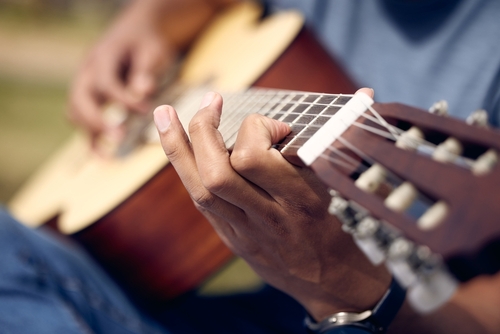
Music Trends and Conversations in 2026
The music landscape continues to evolve. Several key trends will shape the conversations around World Music Day 2026.
Growth of Independent and Digital Music Platforms
Streaming services and digital platforms give independent artists more control over their careers. We see a rise in direct artist engagement. Fans now interact closely with their favorite creators through subscription platforms and exclusive online communities.
Global Music Collaborations
Cross-cultural influences are reshaping popular music. Artists from different continents frequently collaborate, resulting in exciting genre blending. This trend introduces listeners to new instruments, languages, and rhythmic structures.
Music and Mental Wellness
The therapeutic uses of music and sound are gaining major recognition. Sound baths, frequency healing, and curated relaxation playlists are incredibly popular. Health professionals increasingly recommend music therapy to support emotional well-being.
Technology and AI in Music Creation
Digital production tools and artificial intelligence are changing the music industry. AI helps artists mix tracks, generate ideas, and master audio. While these tools spark debates about authenticity, they also make music creation more accessible to beginners.
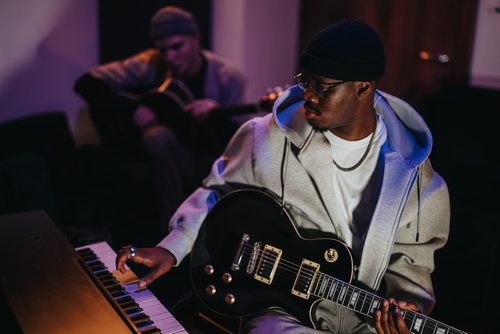
Different Music Genres and Cultural Traditions
World Music Day highlights the incredible diversity of global soundscapes.
Popular Music Genres Around the World
Mainstream genres like pop, jazz, classical, hip-hop, country, rock, and electronic music dominate global charts. Each genre brings its own history and loyal fanbase to the celebrations.
Traditional and Folk Music
Regional music styles ensure cultural preservation. Folk music tells the specific stories of a region’s ancestors. Instruments like the sitar, bagpipes, or djembe feature prominently in these important cultural expressions.
Music and Dance Traditions
Music and physical movement go hand in hand. Dance traditions rely heavily on musical cues for celebrations and ceremonies. From weddings to seasonal harvest festivals, rhythm guides the cultural dances that define these milestones.
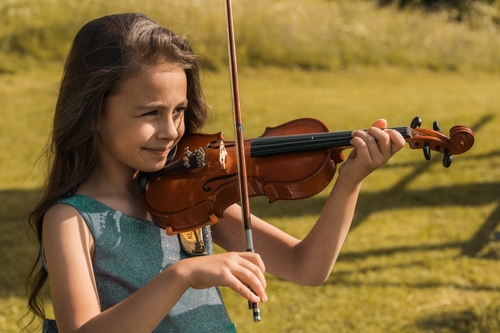
Music Education and Youth Participation
Passing a love of music to the next generation remains a vital part of the holiday.
Importance of Music Education
Music education provides immense learning benefits. It teaches children discipline, patience, and active listening. Reading sheet music and playing in time with others improves cognitive function and teamwork skills.
School Bands, Choirs, and Community Programs
Opportunities for youth involvement are crucial. School bands, choirs, and local community programs give young people a safe place to learn and grow. These groups often perform publicly on World Music Day, showcasing their hard work.
Encouraging Creativity Through Music
Learning an instrument builds confidence. It encourages artistic expression and helps young people process their emotions. Providing access to instruments and lessons sets children up for a lifetime of creative fulfillment.
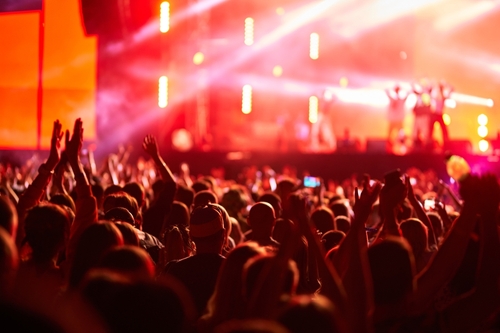
Why World Music Day Still Matters
Decades after its creation, this holiday remains incredibly relevant.
Encouraging Artistic Expression
The day champions accessibility and appreciation for music. It reminds us that art belongs to everyone, regardless of professional status or financial background.
Strengthening Cultural Connections
Shared experiences across communities and countries foster empathy. Listening to music from a different culture helps us understand and respect one another. It builds bridges in an often divided world.
Celebrating Creativity and Diversity
The importance of music in everyday life cannot be overstated. World Music Day celebrates the creativity and diversity that make human culture so rich and vibrant.
Frequently Asked Questions
When is World Music Day 2026?
World Music Day 2026 is celebrated on June 21.
What is World Music Day?
World Music Day is an international celebration that promotes music, live performances, and cultural connection through artistic expression.
Where did World Music Day begin?
World Music Day began in France in 1982 as “Fête de la Musique.”
How do people celebrate World Music Day?
People celebrate with concerts, festivals, street performances, music classes, and online music events.
Why is music important across cultures?
Music supports emotional expression, storytelling, cultural identity, entertainment, and social connection.
Is World Music Day only for professional musicians?
No. The celebration encourages participation from everyone, including amateur musicians, students, and music fans.
What are some ways to participate in World Music Day?
You can attend concerts, support local artists, learn an instrument, create playlists, or share music with others.
How does music benefit mental health?
Music can help reduce stress, improve mood, encourage relaxation, and support emotional well-being.
Prepare for the Celebrations
World Music Day 2026 promises to be an inspiring global event. Mark your calendar for June 21 and start planning how you will participate. Whether you choose to attend a local festival, stream new artists, or learn a few chords on the guitar, your involvement supports the global music community. Embrace the sounds around you and let music bring a sense of harmony to your day.



