

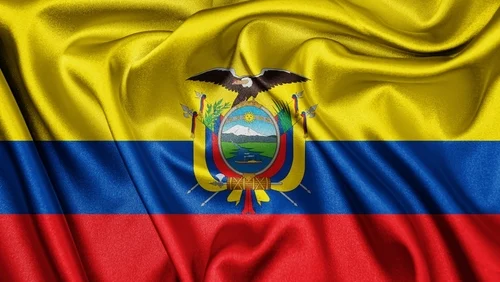
Quick answer: Ecuador Independence Day on August 10 commemorates the 1809 “Grito de Independencia” (Cry of Independence)—the first organized uprising against Spanish colonial rule in Quito. Ecuadorians celebrate with parades, music, traditional food, and cultural events across the country and in diaspora communities worldwide.
August 10 is one of the most important dates on the Ecuadorian calendar. Known as the “Grito de Independencia,” or Cry of Independence, this national holiday marks the moment in 1809 when a group of Quiteño patriots took a bold stand against Spanish colonial authority—setting in motion a chain of events that would eventually lead to full independence.
Whether you have roots in Ecuador, know someone who does, or simply want to learn more about this vibrant Latin American nation, Ecuador Independence Day is a holiday worth understanding. This guide covers the history behind the date, how Ecuadorians celebrate it today, and what makes 2026’s commemoration especially meaningful.
What Is Ecuador Independence Day and Why Is August 10 Significant?
Ecuador celebrates two major independence dates: August 10 (the Grito de Independencia of 1809) and May 24 (the Battle of Pichincha in 1822, which secured full independence). Of the two, August 10 holds the distinction of being the first—and is recognized as the country’s primary national holiday.
August 10, 1809 was the day a group of Quito’s criollo elite—people of Spanish descent born in the Americas—formally declared their rejection of colonial rule. They ousted the Spanish-appointed governing council and established a provisional governing junta, making Quito one of the first cities in all of Latin America to make such a declaration.
It was a short-lived uprising. Spanish forces suppressed it within months, and many of its leaders were imprisoned or killed. But the symbolic weight of that moment never faded. The Grito de Independencia is remembered not as a military victory, but as an act of courage—the spark that inspired future generations to keep fighting.

The Story Behind the 1809 Grito de Independencia
To understand why August 10, 1809 matters, it helps to understand the world Ecuador existed in at the time.
By the early 19th century, Spain’s grip on its American colonies was weakening. Napoleon’s invasion of Spain in 1808 created a political vacuum, and colonial subjects across Latin America began to question whether loyalty to a destabilized Spanish crown was still warranted.
In Quito, a group of intellectuals, clergy, and local landowners saw an opportunity. On the night of August 9 into August 10, 1809, they moved swiftly—removing the Spanish president of the Real Audiencia de Quito and installing a governing junta led by Juan Pío Montúfar, the Marquis of Selva Alegre.
Their declaration was radical for its time. They demanded rights, self-governance, and the recognition of Quito’s people as equal subjects—not subordinates—of the crown. The movement lasted only 78 days before Spanish colonial forces reasserted control. Many of the key figures were imprisoned in the Real Audiencia, and on August 2, 1810, a massacre of the imprisoned patriots took place—an event now commemorated separately as Día de los Mártires.
Despite its rapid collapse, the Grito of 1809 planted a seed. The ideas it represented—local sovereignty, civil rights, and freedom from external rule—continued to grow over the following decade, eventually culminating in full independence in 1822.
How Is Ecuador Independence Day Celebrated in 2026?
In 2026, Ecuador Independence Day falls on a Monday, August 10—making it a public holiday that extends many Ecuadorians’ weekends. Celebrations typically begin days in advance, with the festivities reaching their peak on the day itself.

What happens in Quito on August 10?
Quito, as the city at the center of the 1809 uprising, hosts the country’s most elaborate Independence Day events. Key celebrations include:
- Military parades along the Avenida de los Shyris and through the historic city center, featuring the Ecuadorian Armed Forces, police units, and school marching bands
- Cultural performances in Plaza Grande (the main square in the historic center), including traditional music, dance, and theatrical reenactments of the Grito de Independencia
- Official ceremonies at the Palacio de Carondelet, where the President of Ecuador typically addresses the nation
- Fireworks displays in the evening, lighting up the sky over the capital
The historic center of Quito—a UNESCO World Heritage Site—becomes especially vibrant during this period, with its colonial architecture providing a striking backdrop for the festivities.
How do other cities across Ecuador celebrate?
Independence Day is a nationwide celebration, and cities across the country mark it in their own ways:
- Guayaquil holds cultural events and patriotic ceremonies, though the city’s own independence (October 9) tends to draw larger local celebrations
- Cuenca organizes community gatherings, school events, and public concerts
- Smaller towns and villages celebrate with local fairs, traditional food markets, and community dances that can last well into the night
What traditional foods are part of the celebration?
Food plays a central role in any Ecuadorian celebration. During Independence Day festivities, you’re likely to encounter:
- Ceviche de camarón – shrimp marinated in citrus juices, a coastal classic
- Seco de pollo – a slow-cooked chicken stew with beer and spices
- Llapingachos – pan-fried potato cakes stuffed with cheese, often served with chorizo and avocado
- Fanesca – a thick, ceremonial soup made with grains and salted fish, traditionally prepared for significant occasions
- Chicha – a fermented corn drink with indigenous roots, served at festive gatherings
- Canelazo – a warm drink made with naranjilla (a native fruit), cinnamon, and aguardiente (sugarcane spirit)
How Do Ecuadorians Living Abroad Celebrate Independence Day?
For the millions of Ecuadorians living outside their home country—particularly in the United States, Spain, and Italy—August 10 is a deeply felt occasion. Distance doesn’t diminish the connection to home; if anything, it can intensify it.
Diaspora communities around the world organize:
- Cultural festivals and fairs featuring Ecuadorian food, music, and traditional dress
- Community gatherings at local Ecuadorian associations and cultural centers
- Social media tributes using hashtags like #10deAgosto and #IndependenciaEcuador, sharing family photos, flags, and memories of celebrations back home
- Virtual events that connect family members across different countries in real time
For many Ecuadorians abroad, Independence Day is also a time to connect with younger generations—explaining the history of the Grito de Independencia and keeping cultural traditions alive in new environments.
Why the Grito de Independencia Still Resonates Today
More than 200 years later, the events of August 10, 1809 continue to hold real significance for Ecuadorians. The uprising wasn’t just a political event—it was a statement of identity. The patriots of Quito were asserting that they belonged to the land they lived on, that their voices deserved to be heard, and that the future of their city should be in their own hands.
That spirit carries forward into how Ecuadorians think about their nation today. Independence Day celebrations aren’t just about history lessons; they’re about shared identity, pride in cultural heritage, and a reminder of the resilience that has defined the country across centuries.
For Ecuadorians living abroad, that connection to home and identity is often even more pronounced. The flag, the music, the food—they’re all threads that link back to something larger than geography.
Frequently Asked Questions About Ecuador Independence Day
When is Ecuador Independence Day 2026?
Ecuador Independence Day 2026 falls on Monday, August 10. It is a national public holiday in Ecuador.
What does “Grito de Independencia” mean?
“Grito de Independencia” translates to “Cry of Independence.” It refers to the declaration made on August 10, 1809, when Quiteño patriots formally rose up against Spanish colonial authority—marking the first organized act of rebellion against Spanish rule in Ecuador.
Is August 10 Ecuador’s only independence day?
No. Ecuador has two major independence dates. August 10 (1809) marks the first uprising against Spanish rule, while May 24 (1822) commemorates the Battle of Pichincha, which secured full independence. Both are observed nationally, but August 10 is the primary national holiday.
What year does Ecuador gain independence?
Ecuador achieved full independence from Spain on May 24, 1822, following the Battle of Pichincha. However, the first major act of rebellion—the Grito de Independencia—took place on August 10, 1809.
How long have Ecuadorians been celebrating Independence Day?
Ecuadorians have been commemorating August 10 as a national holiday for over 200 years, with celebrations becoming more formalized after full independence was achieved in 1822.
What is the significance of Plaza Grande in Quito on Independence Day?
Plaza Grande (officially Plaza de la Independencia) sits at the heart of Quito’s historic center and is the symbolic center of Independence Day celebrations. It is surrounded by the Palacio de Carondelet (the presidential palace), the Metropolitan Cathedral, and the Archbishop’s Palace—all sites with deep historical ties to Ecuador’s colonial and independence-era history.
A Holiday Rooted in Courage
Ecuador Independence Day isn’t just a date on the calendar. It’s a living celebration of a moment when a group of ordinary people decided to stand up—knowing the risks, accepting the consequences, and trusting that the idea they were fighting for was worth it.
The Grito de Independencia of 1809 didn’t immediately succeed. But it lit a flame that couldn’t be put out. In 2026, as Ecuadorians at home and abroad mark another August 10, that flame burns as bright as ever.
Whether you’re planning to join a local celebration, cook a traditional Ecuadorian meal, or simply take a moment to learn more about this remarkable history—August 10 is a day worth honoring.



