

The Summer Solstice marks a significant turning point in the calendar. Occurring every June, it signals the official start of summer in the Northern Hemisphere. During this annual event, the sun reaches its highest point in the sky. This creates the longest period of daylight we experience all year.
This extended daylight happens because the Northern Hemisphere tilts directly toward the sun. For thousands of years, people have tracked this specific moment to guide farming, travel, and seasonal planning. Understanding this astronomical event helps us appreciate the natural cycles that govern our planet.
Beyond science, the Summer Solstice holds deep cultural meaning. Communities around the world celebrate this day with lively festivals, outdoor gatherings, and ancient traditions. From the historic stones of Stonehenge to modern yoga retreats in the park, people find unique ways to welcome the warmth and light.
As we look ahead to the Summer Solstice 2026, you might wonder how to make the most of this special day. This guide covers everything you need to know about the science, history, and modern traditions surrounding the longest day of the year.
What Is the Summer Solstice?
Definition of the Summer Solstice
The Summer Solstice is a specific astronomical moment. It happens when the Earth’s North Pole reaches its maximum tilt toward the sun. For the Northern Hemisphere, this results in the most direct sunlight and the most daylight hours of the entire year.
Why It’s the Longest Day of the Year
Our planet spins on an axis that is slightly tilted. During the Summer Solstice, the Northern Hemisphere faces the sun more directly than at any other time. This position exposes the upper half of the globe to sunlight for a longer duration. While the day has the most light, it does not immediately bring the hottest temperatures. The oceans and land need time to absorb the sun’s heat.
When the Summer Solstice Happens in 2026
The Summer Solstice typically falls between June 20 and June 22. In 2026, this event occurs in late June. While people celebrate it as a full-day event, the solstice itself is actually a brief astronomical moment when the sun sits directly over the Tropic of Cancer.
The Science Behind the Summer Solstice
Earth’s Tilt and Orbit Explained
The Earth orbits the sun at an angle of about 23.5 degrees. This axial tilt is the reason we have different seasons. As the Earth travels around the sun, different parts of the planet receive varying amounts of direct sunlight.
The Sun’s Highest Position in the Sky
Because of the Earth’s tilt, the sun takes a longer, higher path across the sky during the summer. This elevated solar angle maximizes the duration of daylight. If you stand outside at noon on the solstice, your shadow will be the shortest it gets all year.
Difference Between Solstices and Equinoxes
Solstices and equinoxes both mark seasonal changes, but they happen for different reasons. Solstices occur in June and December, bringing the longest and shortest days of the year. Equinoxes happen in March and September. During an equinox, the Earth’s tilt is completely sideways to the sun, resulting in nearly equal amounts of day and night.
Why Seasons Differ Between Hemispheres
When the Northern Hemisphere tilts toward the sun, the Southern Hemisphere tilts away. This means the two halves of the Earth experience opposite seasons. When the United States enjoys the Summer Solstice in June, countries like Australia and Argentina experience their winter solstice.
Historical and Cultural Significance of the Summer Solstice
Ancient Solstice Celebrations
Ancient civilizations relied heavily on the sun to survive. They tracked the sun’s movement to determine when to plant and harvest crops. The Summer Solstice became a vital spiritual and practical milestone. Communities hosted large feasts to honor the sun and pray for a successful harvest.
Stonehenge and Solar Alignments
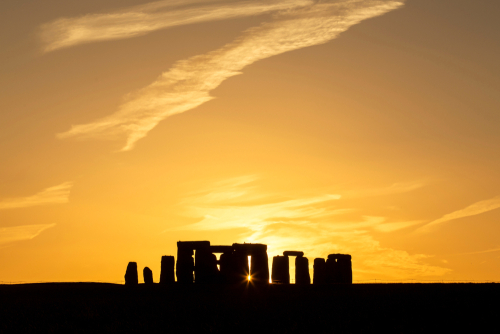
Stonehenge in England is one of the most famous solstice landmarks in the world. Thousands of years ago, builders carefully arranged these massive stones to align with the sun’s movements. On the morning of the Summer Solstice, the rising sun shines perfectly through the center of the monument.
Indigenous and Cultural Traditions
Indigenous communities across the globe observe the solstice with deep respect. Many Native American tribes hold sun dances and ceremonies to honor the earth’s cycles. These traditions emphasize gratitude, community, and respect for nature’s life-giving light.
Midsummer Festivals Around the World
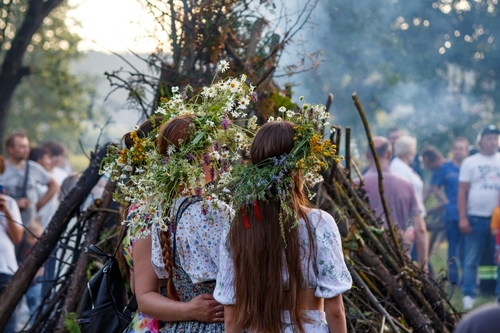
In many European countries, the solstice is celebrated as Midsummer. Sweden hosts massive Midsummer festivals where people wear flower crowns, eat traditional foods, and dance around a maypole. These global celebrations highlight the universal joy that warmer weather brings.
How People Celebrate the Summer Solstice Today
Outdoor Festivals and Gatherings
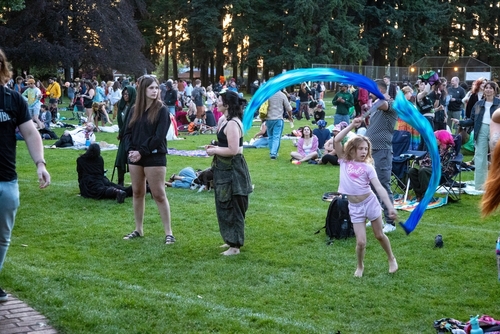
Today, people celebrate the longest day of the year by heading outside. Cities frequently host outdoor music festivals, block parties, and food markets. These community gatherings take advantage of the extended evening light.
Sunrise and Sunset Viewing Traditions
Many individuals prefer a quiet, reflective celebration. Waking up early to watch the solstice sunrise is a popular tradition. Others gather at local beaches or hillsides to watch the sun finally set after a remarkably long day.
Nature-Based Activities
The Summer Solstice is an excellent time to reconnect with nature. Families often plan camping trips, long hikes, or beach days. Gardeners use this weekend to tend to their summer crops and enjoy the outdoors.
Wellness and Spiritual Practices
Wellness communities embrace the solstice as a time of renewal. Yoga studios frequently host special outdoor sessions, such as completing 108 sun salutations. Meditation retreats and seasonal rituals help people set positive intentions for the rest of the year.
Summer Solstice Traditions in the United States
Seasonal Festivals and Events
Across the United States, communities mark the solstice with local fairs and parades. Places like Santa Barbara, California, host large annual solstice parades featuring colorful floats, music, and dancing. These events draw massive crowds and boost local tourism.
National Parks and Outdoor Recreation
The National Park Service sees a surge in visitors during the solstice weekend. With extra daylight, hikers have more time to explore trails safely. Parks often organize special ranger-led programs to educate visitors about the night sky and local wildlife.
Solstice Events in Major US Cities
Major cities celebrate the start of summer with large public gatherings. New York City famously hosts a massive yoga event in Times Square. Museums, observatories, and educational centers run special programs to teach children and adults about astronomy.

Fun Facts About the Summer Solstice
The Longest Day Doesn’t Mean the Hottest Day
Even though the solstice brings the most sunlight, it is rarely the hottest day of the year. The Earth’s oceans and landmasses take weeks to release the heat they absorb. This creates a seasonal lag, pushing peak summer temperatures into July and August.
Places With Midnight Sun
If you travel far enough north, the sun never sets on the solstice. Regions inside the Arctic Circle, like parts of Alaska, Norway, and Iceland, experience the “Midnight Sun.” Residents enjoy nearly 24 hours of continuous daylight.
Solstice Traditions Through History
Fire is a common symbol in solstice history. Many ancient European cultures lit massive bonfires on Midsummer’s Eve. They believed the fires would boost the sun’s energy and drive away evil spirits for the remainder of the year.
Interesting Astronomy Facts
Daylight duration varies drastically depending on your location. On the Summer Solstice, cities in the northern US like Seattle get about 16 hours of daylight. Meanwhile, southern cities like Miami experience closer to 13.5 hours of sunlight.

Ways to Celebrate the Summer Solstice 2026
Spend More Time Outdoors
The simplest way to celebrate is to step outside. Plan a family picnic at a local park or take a long evening walk. Enjoying the fresh air helps you appreciate the warmth and light of the new season.
Host a Seasonal Gathering
Gather your friends and family for a backyard barbecue. Summer meals featuring fresh, local produce are a great way to mark the occasion. Keep the celebration simple, relaxed, and focused on good company.
Learn More About Astronomy and Nature
Use the solstice as an educational moment. Visit a local planetarium or use a stargazing app to explore the night sky. Teaching children about the Earth’s orbit helps them understand the physical world around them.
Reflect on Seasonal Goals and Wellness
Take a moment for personal growth. Write down your goals for the second half of the year. Mindful practices like journaling or meditation provide mental clarity and help you transition smoothly into the summer months.

Environmental and Seasonal Conversations in 2026
Climate and Seasonal Changes
The solstice often prompts important discussions about our environment. As summer begins, communities prepare for changing weather patterns and potential heat waves. Understanding seasonal shifts helps cities plan resources to keep residents safe and comfortable.
Growing Interest in Nature-Based Wellness
More people recognize the mental health benefits of spending time outside. The solstice highlights the importance of outdoor recreation. Doctors and mental health professionals increasingly recommend nature walks to lower stress and improve overall well-being.
Sustainability and Seasonal Living
The solstice encourages a closer connection to seasonal living. People are showing greater interest in eco-conscious lifestyles. Shopping at local farmers’ markets, starting a home garden, and eating seasonal foods are practical ways to support a sustainable environment.
Embracing the Summer Solstice 2026
Connection Between Nature and Daily Life
Tracking the Summer Solstice reminds us of the natural cycles that guide our world. Acknowledging this astronomical event helps us feel grounded. It brings awareness to the changing seasons and how they impact our daily routines.
Celebrating Community and Tradition
Whether through a large festival or a quiet family dinner, the solstice is about connection. Shared cultural and outdoor experiences strengthen community bonds. These traditions give us something positive to look forward to every year.
Appreciating Science and Astronomy
Understanding the Earth’s relationship with the sun builds a deep appreciation for science. The Summer Solstice 2026 offers a perfect opportunity to look up, learn something new, and celebrate the light.
Frequently Asked Questions (FAQs)
When is the Summer Solstice 2026?
The Summer Solstice 2026 occurs in June and marks the official start of summer in the Northern Hemisphere.
Why is the Summer Solstice the longest day of the year?
It is the day when the Northern Hemisphere is tilted most directly toward the sun, resulting in the most daylight hours.
What causes the Summer Solstice?
The Summer Solstice is caused by Earth’s axial tilt as it orbits the sun.
Is the Summer Solstice the first day of summer?
Yes, the Summer Solstice is commonly considered the astronomical start of summer in the Northern Hemisphere.
What is the difference between a solstice and an equinox?
Solstices mark the longest and shortest days of the year, while equinoxes occur when day and night are nearly equal in length.
How do people celebrate the Summer Solstice?
People celebrate with festivals, outdoor activities, sunrise gatherings, yoga events, and seasonal traditions.
Does the Summer Solstice happen worldwide?
Yes, but seasons are opposite in the Southern Hemisphere, where it marks the winter solstice.
Why is Stonehenge associated with the Summer Solstice?
Stonehenge is aligned with the sunrise during the Summer Solstice, making it a famous gathering site for solstice celebrations.



