

Quick answer: Bolivia Independence Day is celebrated on August 6 each year. The holiday marks Bolivia’s declaration of independence from Spanish rule on August 6, 1825. In 2026, Bolivia will celebrate its 201st anniversary with military parades, civic ceremonies, and cultural festivities held across the country—most notably in La Paz and Sucre.
Bolivia’s Independence Day is one of the most significant public holidays in South America. On August 6, 1825, Bolivia officially declared independence from Spain after more than 300 years of colonial rule—a hard-won moment that reshaped the region’s political landscape and gave birth to a nation.
In 2026, Bolivia marks 201 years of independence. For Bolivians living at home and abroad, the date carries deep cultural and emotional weight. The celebrations are grand, the traditions are rich, and the national pride is unmistakable.
This guide covers everything you need to know about Bolivia Independence Day 2026—its history, how it’s celebrated, what to expect if you’re visiting, and what the day means to Bolivians today.
The History Behind Bolivia’s Independence Day

How did Bolivia gain independence from Spain?
Bolivia’s path to independence was long and difficult. Spanish colonizers arrived in the 1530s, establishing control over the region then known as Upper Peru. For nearly three centuries, the territory served as a critical source of silver for the Spanish crown—particularly from the mines of Potosí, which became one of the largest cities in the world during the 16th century.
Resistance movements began gaining momentum in the early 1800s, inspired in part by the broader independence movements sweeping Latin America. Simón Bolívar and Antonio José de Sucre—two of the most celebrated liberators in South American history—played pivotal roles in the military campaigns that ultimately freed Upper Peru from Spanish control.
On August 6, 1825, the newly independent republic officially declared its sovereignty. The nation was named Bolivia in honor of Simón Bolívar, who had championed the liberation cause. Sucre became the country’s first constitutional capital, while La Paz later emerged as the seat of government.
Why is August 6 so important to Bolivia?
August 6 is not just a date on a calendar—it represents the birth of a nation. The Declaration of Independence signed in 1825 was the culmination of years of armed struggle, political maneuvering, and sacrifice. For Bolivians, the day is a reminder of their ancestors’ resilience and their country’s sovereignty.
The significance is amplified by Bolivia’s extraordinary cultural diversity. With 36 officially recognized indigenous nations, the country’s identity is layered and complex. Independence Day serves as a unifying moment—a time when all Bolivians, regardless of background, come together to celebrate a shared history.
How Is Bolivia Independence Day Celebrated in 2026?

What are the main official ceremonies on August 6?
The most prominent celebrations take place in La Paz and Sucre, Bolivia’s two capitals. Official ceremonies typically include:
- Military parades: Uniformed soldiers, military vehicles, and marching bands move through the main plazas and avenues. The parade in La Paz is particularly large-scale, often drawing significant crowds along Avenida del Ejército.
- Civic ceremonies: Government officials, including the President of Bolivia, participate in formal acts of remembrance at national monuments and public squares. Speeches honor the liberators and reflect on the country’s progress.
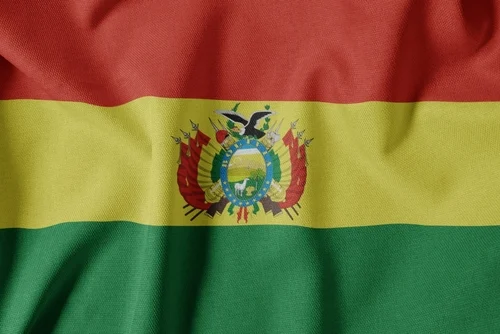
- Flag-raising rituals: The Bolivian flag—red, yellow, and green—is raised with ceremony in public spaces across the country. Schools, government buildings, and businesses display national colors prominently.
- Te Deum Mass: A traditional Catholic thanksgiving service is held in the Metropolitan Cathedral of Sucre, attended by high-ranking officials and dignitaries.
How do ordinary Bolivians celebrate Independence Day?
Beyond the official ceremonies, Independence Day is a lively public holiday. Across the country, families gather for meals, communities host local festivals, and cultural performances fill public plazas.
Traditional music and dance are central to the celebrations. You’ll find performances of the cueca and the morenada—two of Bolivia’s most iconic folk traditions—alongside regional dances that reflect the country’s ethnic diversity. Colorful costumes, handmade instruments, and communal dancing make these events vibrant and festive.
Food also plays a major role. Dishes like salteñas (savory pastries), pique macho (a hearty meat and vegetable dish), and chicha (a traditional fermented maize drink) are commonly enjoyed during Independence Day gatherings.
Fireworks light up the night sky in many cities and towns, capping off the day’s events with spectacle.
What happens in Sucre specifically on August 6?
Sucre holds a special place in Bolivia’s Independence Day celebrations. The city is the birthplace of Bolivian independence—it was here, in the Casa de la Libertad (House of Freedom), that the Declaration of Independence was signed on August 6, 1825.
The Casa de la Libertad is now a national museum and serves as the symbolic heart of Independence Day in Sucre. On August 6, the site hosts official ceremonies, historical reenactments, and public events that draw visitors from across the country and beyond. The city’s colonial architecture provides a striking backdrop for the festivities.
Sucre’s celebrations tend to be more formal and historically focused than those in other cities—an acknowledgment of the city’s central role in the nation’s founding story.
The Cultural Significance of Bolivia Independence Day

What does Independence Day mean to Bolivians living abroad?
For the Bolivian diaspora, August 6 is a powerful connection to home. Bolivian communities in countries like Argentina, Brazil, Spain, and the United States mark the occasion with cultural events, traditional meals, and gatherings that keep the sense of national identity alive across borders.
Cultural organizations and Bolivian consulates often host events in major cities around the world, giving expatriates a space to celebrate together and share their heritage with their children and communities.
How does Bolivia’s indigenous heritage shape Independence Day celebrations?
Bolivia has one of the largest indigenous populations in Latin America, and this identity is woven into how the country observes its national holidays. Many Independence Day celebrations incorporate elements of indigenous culture, including traditional textiles, musical instruments like the charango and zampoña, and ceremonial practices.
In recent decades, there has been a growing emphasis on recognizing pre-colonial history alongside the story of independence from Spain. This reflects a broader national conversation about identity, representation, and what it means to be Bolivian.
Practical Information for Visiting Bolivia on Independence Day 2026

What should travelers know about visiting Bolivia on August 6, 2026?
Bolivia Independence Day in 2026 falls on a Thursday. Many businesses, banks, and government offices will be closed. Travelers should plan ahead for limited services and increased crowds in city centers.
Key practical tips:
- Book accommodation early: Hotels in La Paz and Sucre fill up quickly around Independence Day, especially in the historic city centers closest to parade routes and ceremonies.
- Arrive early for parades: The military parades in La Paz draw large crowds. Arriving at least an hour before start time helps secure a good vantage point.
- Use public transport: City centers may have road closures and restricted vehicle access during official ceremonies.
- Dress appropriately: Daytime temperatures in La Paz in August can be cool at high altitude (the city sits at approximately 3,640 meters above sea level). Layers are recommended.
Is Independence Day a good time to visit Bolivia as a tourist?
For travelers interested in culture and history, August 6 is one of the most rewarding times to visit Bolivia. The combination of official ceremonies, public festivals, and authentic local celebrations offers a window into Bolivian identity that is hard to replicate at any other time of year.
That said, it’s worth noting that Independence Day falls within Bolivia’s dry season, which runs roughly from May to October. This is already peak travel season in the country, meaning key attractions—from the Uyuni Salt Flats to Lake Titicaca—tend to see higher visitor numbers.
Bolivia Independence Day 2026: What to Expect
Bolivia’s 201st Independence Day will be a moment of national reflection and celebration. While the core traditions—military parades, civic ceremonies, folk music, communal gatherings—remain consistent year to year, each anniversary brings its own context. In 2026, the occasion will likely include renewed discussions about Bolivia’s future, its political landscape, and the ongoing project of national identity.
For Bolivians at home and abroad, August 6 is ultimately about pride—pride in a history that was fought for, and in a culture that continues to evolve. Whether you’re watching the parade in La Paz, attending a ceremony in Sucre, or celebrating with a Bolivian community far from home, Independence Day offers a meaningful connection to one of South America’s most fascinating nations.
Frequently Asked Questions About Bolivia Independence Day 2026
When is Bolivia Independence Day in 2026?
Bolivia Independence Day falls on August 6, 2026. Bolivia celebrates this date every year to mark its declaration of independence from Spain on August 6, 1825.
What year did Bolivia gain independence?
Bolivia declared independence in 1825. The declaration was signed in Sucre (then known as Chuquisaca), making it one of the last South American nations to formally break from Spanish colonial rule.
Who led Bolivia’s independence movement?
Simón Bolívar and General Antonio José de Sucre were the two key liberators behind Bolivia’s independence. Sucre led the decisive military campaigns, while Bolívar provided broader political leadership across the South American independence movement.
Where are the main Independence Day celebrations in Bolivia?
The main celebrations take place in La Paz and Sucre. La Paz hosts large military parades and public festivities, while Sucre—where the Declaration of Independence was signed—holds formal civic ceremonies at the Casa de la Libertad museum.
Is August 6 a public holiday in Bolivia?
Yes. August 6 is a national public holiday in Bolivia. Schools, government offices, banks, and most businesses are closed. Public transport may be affected in city centers due to road closures for parades and ceremonies.
How long have Bolivia’s Independence Day celebrations been happening?
Bolivia has observed Independence Day annually since 1825. In 2026, the country will mark its 201st anniversary of independence.



