

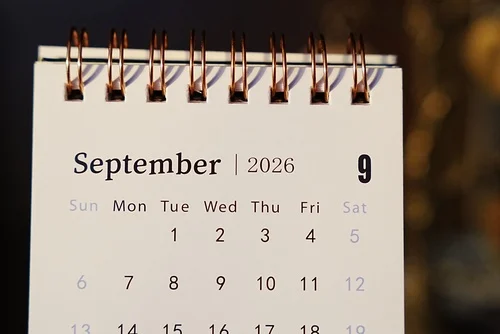
September is filled with cultural and religious celebrations that bring families and communities together. In 2026, the month includes the Jewish High Holy Days, several Latin American independence celebrations, Hispanic Heritage Month, and the Mid-Autumn Festival.
For many people in the United States, these holidays are an opportunity to celebrate their heritage, share traditions with younger generations, and connect with their communities.
Here are the major cultural holidays and celebrations to know about in September 2026.
September 2026 Cultural Holidays at a Glance
| Date | Holiday or Celebration |
|---|---|
| September 7 | Brazil Independence Day |
| September 11–13 | Rosh Hashanah |
| September 15–October 15 | National Hispanic Heritage Month |
| September 15 | Central American Independence Day |
| September 16 | Mexican Independence Day |
| September 16 | Malaysia Day |
| September 18 | Chilean Independence Day |
| September 20–21 | Yom Kippur |
| September 25–October 2 | Sukkot |
| September 25 | Mid-Autumn Festival |
Note: Jewish holidays begin at sunset.
Brazil Independence Day
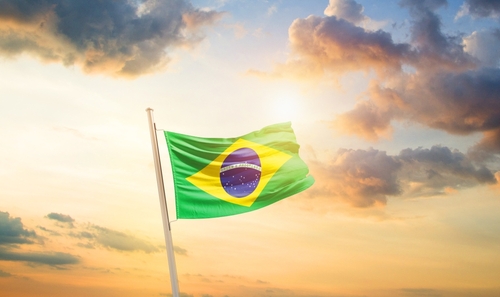
Monday September 7
Brazil celebrates its independence from Portugal with parades, cultural performances, and family gatherings. The day commemorates Dom Pedro I’s declaration of independence in 1822 along the Ipiranga River. Major cities host military parades, while communities organize festivals featuring traditional music, dance, and Brazilian cuisine.
Many Brazilian families living abroad send money home during this time to help relatives participate in local celebrations or purchase traditional foods for their own community gatherings.
Rosh Hashanah

Sunset September 11 to nightfall September 13
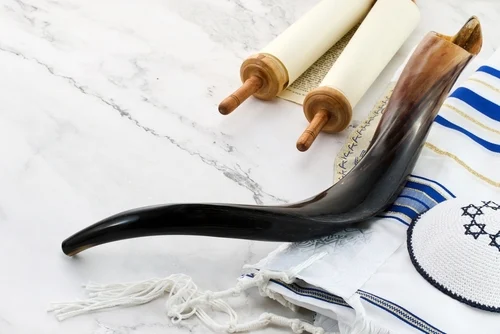
Rosh Hashanah is the Jewish New Year and the beginning of the High Holy Days. It is a time for reflection, prayer, family gatherings, and looking ahead to the new year. One of the best-known traditions is hearing the shofar, a ram’s horn sounded during synagogue services as a call to reflection and spiritual renewal. Food also plays an important role in the holiday. Apples dipped in honey symbolize hopes for a sweet new year, while round challah can represent the cycle of the year. Some Jewish communities also observe Tashlich, a tradition that involves gathering near a body of water and symbolically casting away sins. A common greeting during Rosh Hashanah is “Shanah Tovah,” meaning “a good year.”
National Hispanic Heritage Month

September 15–October 15
National Hispanic Heritage Month celebrates the histories, cultures, and contributions of Hispanic and Latino Americans. Unlike most month-long observances, it begins in the middle of the month because September 15 is Independence Day for Costa Rica, El Salvador, Guatemala, Honduras, and Nicaragua. Mexico celebrates its independence on September 16, followed by Chile on September 18. This makes mid-September an especially meaningful time for many Latin American communities. Throughout Hispanic Heritage Month, museums, schools, cultural organizations, businesses, and community groups may hold exhibitions, festivals, performances, and educational programs. The month is also an opportunity to learn about the diversity of Hispanic and Latino cultures, histories, and traditions rather than treating them as a single cultural experience.
Central American Independence Day

Tuesday, September 15
September 15 marks Independence Day for Costa Rica, El Salvador, Guatemala, Honduras, and Nicaragua. The five countries share the date because they were once part of the Captaincy General of Guatemala under Spanish rule, and the Act of Independence of Central America was signed on September 15, 1821. Today, each country has its own Independence Day traditions and ways of celebrating its national identity. In the United States, Central American communities may mark the occasion with festivals, parades, traditional foods, music, flags, performances, and family gatherings. These celebrations can also give younger generations an opportunity to learn more about their family’s history and stay connected to traditions passed down by parents and grandparents.
Mexican Independence Day
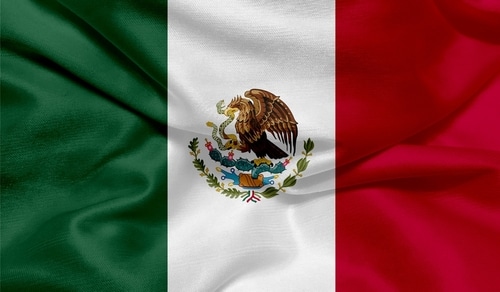
Wednesday, September 16
Mexican Independence Day commemorates the beginning of Mexico’s fight for independence from Spain. The holiday is closely associated with El Grito de Dolores, the call traditionally linked to Miguel Hidalgo y Costilla and the beginning of the Mexican independence movement in 1810. Celebrations typically begin on the evening of September 15 with El Grito. In Mexico, the president reenacts the famous call from the National Palace in Mexico City, followed by bells, flags, music, fireworks, food, and public festivities. Mexican Independence Day is also widely celebrated in the United States, where Mexican and Mexican American communities may hold parades, mariachi performances, traditional dances, festivals, and family gatherings. Mexican Independence Day falls on September 16 and should not be confused with Cinco de Mayo, which commemorates the Mexican victory at the Battle of Puebla.
Malaysia Day
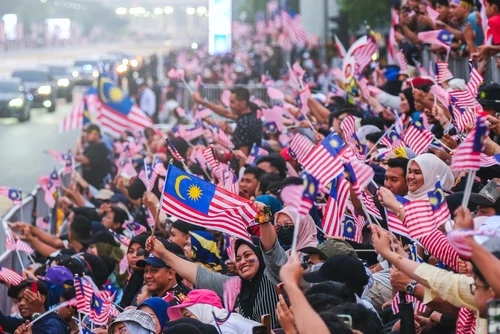
September 16
Malaysia Day celebrates the formation of Malaysia in 1963 when Malaya, North Borneo, Sarawak, and Singapore united to create the Federation of Malaysia. The celebration emphasizes unity among Malaysia’s diverse ethnic communities through cultural performances, food festivals, and community service projects.
Chilean Independence Day

Friday, September 18
September 18 is at the heart of Chile’s Fiestas Patrias, one of the country’s biggest annual celebrations. The date commemorates the establishment of Chile’s first national government junta in 1810, an important step toward independence. Celebrations are known for fondas, lively gathering places where people enjoy traditional food, music, and dancing. The cueca, Chile’s national dance, is another important part of the festivities, while foods such as empanadas and asado are closely associated with the celebration. Chilean communities in the United States may organize their own gatherings, giving families and friends an opportunity to enjoy familiar foods, music, dancing, and traditions while staying connected to their cultural heritage.
Yom Kippur
Sunset September 20 to nightfall September 21
Yom Kippur, the Day of Atonement, is the holiest day of the Jewish calendar. Unlike holidays centered on festive meals and celebrations, Yom Kippur is a solemn observance focused on prayer, repentance, forgiveness, and reflection. Many observant Jewish adults fast for approximately 25 hours, beginning before sunset and continuing until nightfall the following day, and synagogue services are central to the observance. Because of the solemn nature of the day, “Happy Yom Kippur” is generally not the most appropriate greeting. “Have an easy fast” is commonly said to someone who is fasting, while “G’mar Chatimah Tovah” is a traditional greeting expressing the hope that the person will be sealed for good in the Book of Life.
Sukkot

Sunset September 25 to nightfall October 2
Sukkot is a week-long Jewish festival with religious, historical, and agricultural significance. One of its most recognizable traditions is the sukkah, a temporary structure built specifically for the holiday. Families may decorate the sukkah and gather inside it for meals throughout the festival, making the tradition a memorable way for children and younger generations to participate. Another important Sukkot practice involves the Four Species: the etrog, or citron; lulav, or palm branch; hadassim, or myrtle branches; and aravot, or willow branches. These are used together as part of the religious observance. For Jewish families around the world, Sukkot is a time for worship, gathering, hospitality, and continuing traditions that have been practiced for generations.
Mid-Autumn Festival

Friday, September 25
The Mid-Autumn Festival is an important celebration in several East and Southeast Asian cultures. Sometimes called the Moon Festival or Mooncake Festival, it falls on the 15th day of the eighth lunar month. Family reunion, gratitude, the harvest, and appreciation of the moon are common themes, although traditions vary between cultures. Mooncakes are among the festival’s best-known foods in Chinese communities and are often shared with family or given as gifts. Lanterns are another familiar part of the celebration, particularly for children, while families may gather for meals and spend time appreciating the full moon. In the United States, communities may celebrate with lantern displays, cultural performances, food, children’s activities, and public festivals. Chinese, Vietnamese, and other communities have their own traditions, foods, stories, and names associated with the occasion, so there is no single universal way to celebrate the Mid-Autumn Festival.
Frequently Asked Questions (FAQs)
What cultural holidays are in September 2026?
Major cultural and religious observances include Rosh Hashanah, Central American Independence Day, Mexican Independence Day, Chilean Independence Day, Yom Kippur, Sukkot, and the Mid-Autumn Festival. Hispanic Heritage Month also begins on September 15.
Which Latin American independence days are in September?
Costa Rica, El Salvador, Guatemala, Honduras, and Nicaragua celebrate independence on September 15. Mexican Independence Day is September 16, followed by Chile’s national celebrations on September 18.
What Jewish holidays are in September 2026?
Rosh Hashanah runs from sunset September 11 through nightfall September 13. Yom Kippur begins at sunset September 20 and ends at nightfall September 21. Sukkot begins at sunset September 25 and continues into October.
What Asian cultural holiday is in September 2026?
The Mid-Autumn Festival falls on September 25 in 2026. The festival is observed in several East and Southeast Asian cultures, with traditions varying by community.
Celebrating Culture and Tradition in September
What makes these September holidays meaningful isn’t simply their place on the calendar. It’s the traditions people continue through food, music, faith, language, family gatherings, and community celebrations. For families living far from the places where these traditions originated, celebrating can be an especially meaningful way to stay connected to their heritage and share it with the next generation.
For anyone who wants to learn about another culture, these occasions offer a good starting point. Attending a community event, learning the history behind a celebration, trying a traditional food, or asking friends and neighbors how they observe a holiday can provide a deeper understanding of what these occasions mean to the people who celebrate them.



