

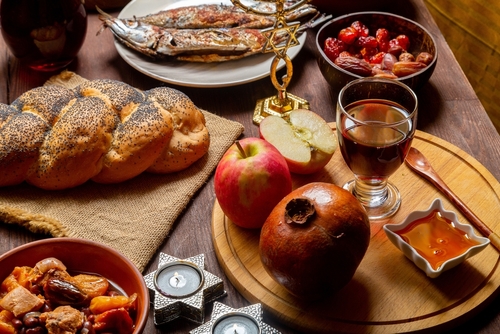
Quick answer: Rosh Hashanah 2026 begins at sundown on Friday, September 11, and ends at nightfall on Sunday, September 13. The Jewish New Year is marked by the blowing of the shofar, festive meals, and the beloved tradition of dipping apples in honey to welcome a sweet new year.
Rosh Hashanah is one of the most significant dates on the Jewish calendar. For Jewish communities across the United States and around the world, it marks the start of a new year—a time for reflection, family, and renewal. The holiday carries deep spiritual meaning, but it also comes with a rich set of customs, foods, and greetings that bring people together.
Whether you’re celebrating for the first time, reconnecting with traditions, or simply want to understand what the holiday means, this guide covers everything you need to know about Rosh Hashanah 2026—including key dates, traditional greetings, customs, and what to expect from banks and businesses during the holiday period.
When Is Rosh Hashanah 2026?
Rosh Hashanah 2026 begins at sundown on Friday, September 11 and ends at nightfall on Sunday, September 13. Like all Jewish holidays, Rosh Hashanah follows the Hebrew calendar, which is based on lunar cycles. This means the date shifts each year on the Gregorian calendar.
The Hebrew calendar year beginning in 2026 is 5787. Rosh Hashanah literally translates to “head of the year” in Hebrew, and it marks the anniversary of the creation of the world according to Jewish tradition.
Because the holiday begins at sundown on Friday, it coincides with the start of Shabbat in 2026—making the observance particularly layered for those who keep both.
What Is the Meaning of Rosh Hashanah?
Rosh Hashanah is the Jewish New Year, but it’s quite different from January 1st celebrations. The holiday is both a joyful occasion and a solemn one. It opens a ten-day period of reflection and repentance known as the Yamim Noraim, or “Days of Awe,” which culminates in Yom Kippur—the Day of Atonement.
During this time, Jewish tradition teaches that God reviews each person’s deeds from the past year and inscribes their fate for the year ahead in the Book of Life. The phrase “L’shanah tovah tikatev v’taihatem” (may you be inscribed and sealed for a good year) reflects this belief directly.
Rosh Hashanah is a time for self-examination—a chance to make amends, set intentions, and approach the coming year with purpose and gratitude.
Rosh Hashanah Greetings: What to Say
Knowing how to greet someone during Rosh Hashanah is a meaningful way to show respect and warmth. Here are the most common greetings used in the United States and beyond:
- Shanah Tovah (שָׁנָה טוֹבָה) — “A good year.” This is the most widely used greeting and is appropriate throughout the holiday season.
- L’shanah Tovah — A shortened version of the full blessing, meaning “For a good year.”
- L’shanah Tovah Tikatev V’taihatem — “May you be inscribed and sealed for a good year.” This longer greeting is traditional before and during Rosh Hashanah.
- Gut Yontiff — A Yiddish greeting meaning “Good holiday,” common in Ashkenazi communities.
- Happy New Year — Many Jewish Americans also use this simple, inclusive phrase.
If you’re not Jewish but want to wish a colleague, friend, or neighbor well, “Shanah Tovah” or “Happy New Year” is always appreciated.
Rosh Hashanah Traditions and Customs
The Blowing of the Shofar
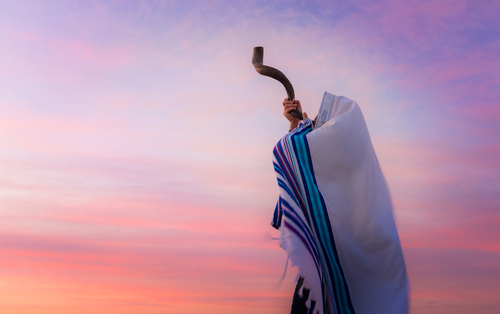
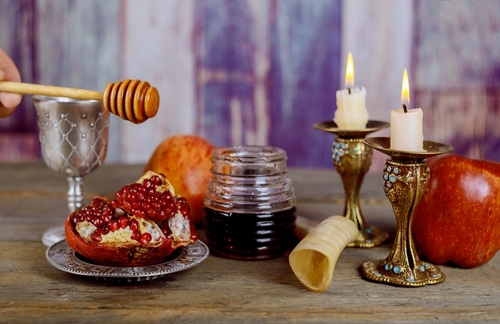
The shofar—a horn traditionally made from a ram’s horn—is the defining symbol of Rosh Hashanah. Its distinctive, resonant sound is blown during synagogue services on both days of the holiday (where two days are observed). The shofar serves as a spiritual wake-up call, urging listeners to reflect on the past year and commit to growth in the year ahead.
There are four distinct shofar calls: Tekiah (one long blast), Shevarim (three medium blasts), Teruah (nine short blasts), and Tekiah Gedolah (one very long, sustained blast). Each carries its own emotional and spiritual weight.
Apples and Honey
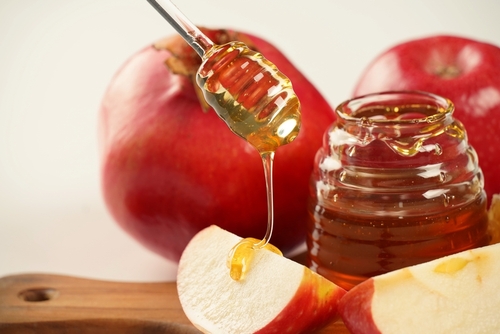
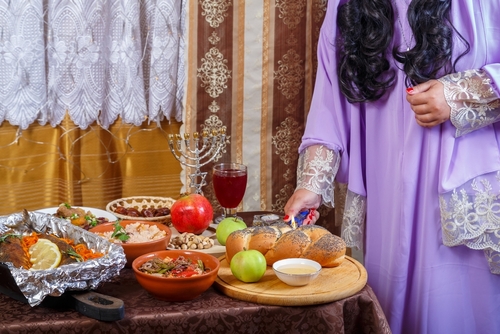
One of the most beloved Rosh Hashanah customs is dipping apple slices into honey. Apples represent sweetness and abundance, while honey symbolizes the hope for a sweet new year. Many families place honey cake and other sweet foods on the holiday table for the same reason.
The traditional blessing said before eating the apple and honey is: “May it be Your will to renew for us a good and sweet year.”
Festive Family Meals
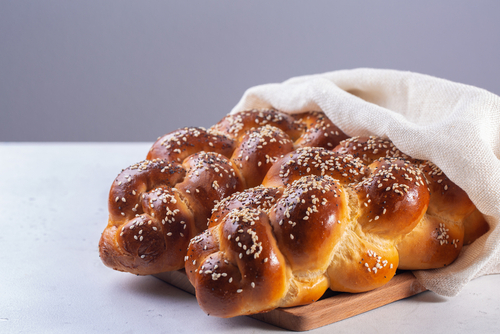
Rosh Hashanah is celebrated with elaborate meals shared among family and friends. These gatherings often feature symbolic foods called Simanim, each representing a different hope or blessing for the new year.
Common Simanim include:
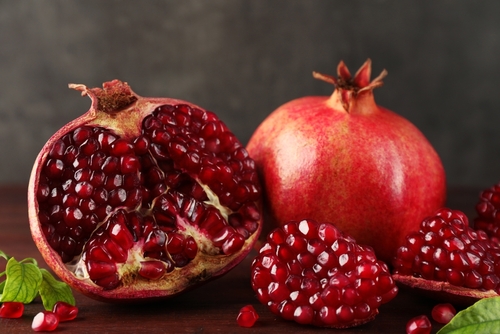
- Pomegranates — Representing the wish to be as full of good deeds as the fruit is full of seeds
- Round challah — The circular shape symbolizes the cycle of the year and the hope for continuity
- Fish or fish head — Symbolizing the wish to be at the “head” (front) and not the tail of the year
- Dates, beets, and leeks — Each carries a Hebrew or Aramaic wordplay connecting it to a blessing
Tashlich
On the afternoon of the first day of Rosh Hashanah, many Jewish communities perform Tashlich—a ritual in which bread crumbs or small stones are cast into a natural body of water, symbolizing the casting away of sins from the previous year. In cities across the US, you’ll find Jewish families gathered by rivers, lakes, and ocean shores to observe this tradition.
Synagogue Services
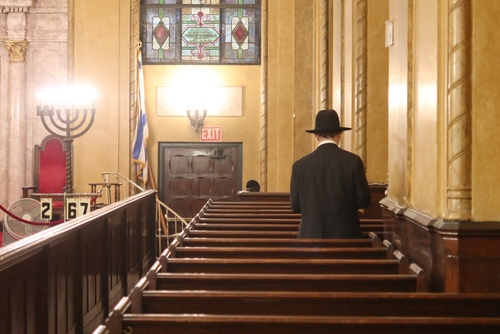
Synagogue attendance peaks during Rosh Hashanah and Yom Kippur. Services can last several hours and include special prayers, the Torah reading, and the blowing of the shofar. Many synagogues offer High Holiday tickets or special arrangements for those who don’t attend regularly throughout the year.
Are Banks and Businesses Open on Rosh Hashanah 2026?

Rosh Hashanah is not a federal public holiday in the United States, so most banks, government offices, and businesses remain open on September 11–13, 2026.
That said, there are some practical considerations worth knowing:
- Banks: Major US banks are generally open during Rosh Hashanah. However, if you need to process an important wire transfer or transaction, it’s worth confirming with your specific bank, as some branches in areas with large Jewish populations may operate with reduced hours or staff.
- Financial transactions: Wire transfers and ACH payments typically follow federal banking hours and are not affected by Jewish holidays unless there’s a separate federal holiday overlap.
- September 11: This date holds national significance in the US as the anniversary of the 2001 attacks. Some businesses and institutions may hold memorial services or observe moments of silence, but it is not a federal holiday and does not affect banking hours.
- Shabbat overlap: Because Rosh Hashanah 2026 begins on a Friday evening and continues through Sunday, observant Jewish individuals will not use electronic devices, make financial transactions, or conduct business from sundown Friday through nightfall Sunday.
If you’re planning to send money internationally or need help with a time-sensitive financial task, it’s best to complete those transactions before sundown on Friday, September 11.
Rosh Hashanah Around the United States
Jewish communities across the US celebrate Rosh Hashanah in ways that reflect both shared tradition and local culture. Cities with large Jewish populations—including New York, Los Angeles, Chicago, Miami, and Boston—often see packed synagogues, special holiday events, and a visible shift in the rhythm of daily life.
Many public schools in areas with significant Jewish populations close or reduce attendance on Rosh Hashanah, and some employers allow Jewish employees to take the day off. In 2023, New York City officially added Diwali to its public school calendar, and similar conversations about Rosh Hashanah continue in many districts.
For Jewish Americans with family abroad, the holiday is also a time for long-distance connection—whether through video calls, care packages, or sending money to support loved ones celebrating in other countries.
How to Be a Respectful Ally During Rosh Hashanah
Even if you don’t celebrate, showing respect for colleagues, classmates, or neighbors who observe Rosh Hashanah goes a long way.
A few simple ways to be considerate:
- Avoid scheduling major meetings or deadlines on September 11–12, 2026, if possible
- Wish Jewish friends and colleagues “Shanah Tovah” or “Happy New Year”
- Be understanding if someone is unavailable from Friday evening through Sunday night
- Learn a bit about the holiday—curiosity and openness are always welcome
The Heart of the Holiday
Rosh Hashanah is more than a calendar milestone. The sounds of the shofar, the sweetness of honey-dipped apples, and the warmth of a family table all point toward something larger: a collective pause to ask how we’ve lived and how we want to live. That question—deeply human and endlessly relevant—is what gives the holiday its staying power across generations and continents.
Whether you’re marking the new year with synagogue services, a festive meal, or a quiet moment of reflection, Shanah Tovah—may it be a good and sweet year.
Frequently Asked Questions
When does Rosh Hashanah 2026 start and end?
Rosh Hashanah 2026 begins at sundown on Friday, September 11, 2026, and ends at nightfall on Sunday, September 13, 2026. The holiday follows the Hebrew calendar, which is based on lunar cycles, so the Gregorian date changes each year.
What does “Rosh Hashanah” mean in English?
“Rosh Hashanah” is Hebrew for “head of the year.” The holiday marks the beginning of the Jewish New Year and opens a ten-day period of reflection known as the Days of Awe, ending with Yom Kippur.
What is the most common Rosh Hashanah greeting?
The most widely used greeting is “Shanah Tovah,” which means “a good year” in Hebrew. You can also say “L’shanah Tovah” or the Yiddish “Gut Yontiff.” All are warm, appropriate ways to wish someone well during the holiday.
Are banks open on Rosh Hashanah in the United States?
Yes. Rosh Hashanah is not a federal holiday in the US, so most banks remain open during regular business hours. However, observant Jewish individuals will not conduct financial transactions from sundown Friday, September 11, through nightfall Sunday, September 13. If you need to complete a time-sensitive financial transaction, it’s advisable to do so before the holiday begins.
What foods are traditionally eaten on Rosh Hashanah?
The most iconic Rosh Hashanah food is apples dipped in honey, symbolizing hopes for a sweet new year. Other traditional foods include round challah, pomegranates, honey cake, and a variety of symbolic dishes called Simanim—each representing a different blessing for the year ahead.
What is the shofar and why is it blown on Rosh Hashanah?
The shofar is a horn, traditionally made from a ram’s horn, that is blown during synagogue services on Rosh Hashanah. Its sound serves as a spiritual call to reflection and repentance. There are four distinct shofar calls, each carrying its own meaning within the holiday liturgy.
Is Rosh Hashanah the same as the Jewish calendar new year?
Yes. Rosh Hashanah marks the beginning of the Jewish year. In 2026, the holiday ushers in the Hebrew year 5787.



