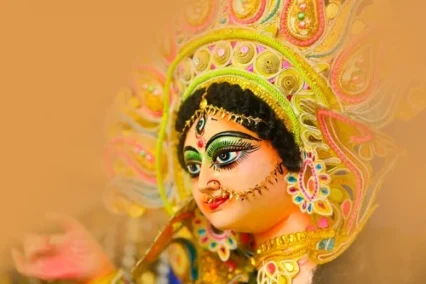
May 2026 brings a rich mix of public holidays, religious observances, and global cultural celebrations. These events are widely recognised across the UK’s diverse communities. They offer a reliable chance to step back from work, connect with others, and celebrate spring.
From the Early May Bank Holiday to major religious events like Wesak and Shavuot, this month is full of meaningful moments. You will also find international celebrations such as Africa Day and World Bee Day. These days present plenty of opportunities to learn and participate in your local area.
If you are planning time off, coordinating with international colleagues, or simply curious about British multicultural traditions, this guide is for you. We cover everything you need to know about dates, meanings, and respectful ways to take part.
Quick Reference: May 2026 Key Dates at a Glance
Keep track of the month with this simple list of dates.
Public Holidays (UK)
- May 4, 2026: Early May Bank Holiday
Religious Observances
- May 5, 2026: Wesak (Buddha Day)
- May 14, 2026: Ascension Day
- May 16–17, 2026: Lag BaOmer
- May 21–23, 2026: Shavuot
- May 23, 2026: Declaration of the Báb
- May 23–28, 2026: Hajj (approximate dates)
- May 24, 2026: Pentecost Sunday
Cultural & Community Celebrations
- May 1, 2026: International Workers’ Day
- May 17, 2026: Norwegian Constitution Day
- May 18, 2026: Haitian Flag Day
- May 25, 2026: Africa Day
Awareness & Lifestyle Events
- May 18–22, 2026: Walk to School Week (UK)
- May 20, 2026: World Bee Day
- May 29, 2026: World Biscuit Day
Public Holidays in the UK
Early May Bank Holiday (May 4, 2026)

The Early May Bank Holiday is a welcome break for people across the UK. In 2026, it falls on Monday, 4 May. This gives most workers and students a three-day weekend. The UK government introduced this holiday in 1978 to give workers a rest at the start of the season.
This date marks the arrival of spring and longer days. It is closely tied to traditional May Day celebrations. Historically, communities celebrated with village fetes and dancing around a Maypole. Today, people celebrate by taking weekend getaways, visiting community fairs, or tackling gardening projects at home.
During the bank holiday weekend, expect banks, post offices, and standard GP surgeries to close. Public transport usually runs on a Sunday timetable. Supermarkets stay open but often operate on reduced hours.
Global Awareness & Lifestyle Events
International Workers’ Day (May 1)

International Workers’ Day falls on Friday, 1 May 2026. It is a global moment dedicated to recognising workers’ rights, fair pay, and safe working conditions. While much of Europe takes a day off, 1 May is not an official public holiday in the UK.
You can mark the occasion in practical ways. Attend local discussions, learn about the history of the labour movement, and support ethical brands. Taking time to reflect on your own work-life balance is another great way to observe the day.
World Bee Day (May 20)
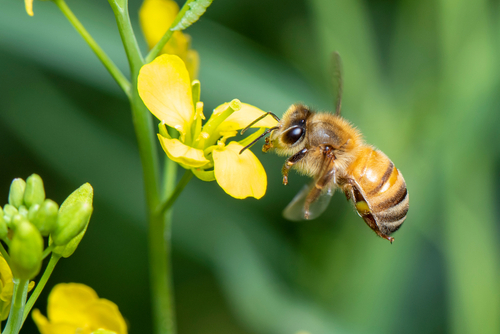
World Bee Day highlights the vital role pollinators play in our food supply and local biodiversity. UK agriculture relies heavily on bees to pollinate crops like apples and strawberries. Sadly, habitat loss and pesticide use put significant pressure on bee populations.
Supporting our local pollinators is straightforward. Plant bee-friendly flowers like lavender and foxgloves. Reduce how often you mow your lawn to let clovers bloom. You can also buy local honey to support responsible beekeepers in your area.
Walk to School Week (May 18–22, 2026)

Walk to School Week encourages families to leave the car at home. Trading morning traffic for a walk brings surprising benefits to your child’s physical health and mental wellbeing. Regular physical activity helps children arrive at school feeling alert and ready to learn.
If you live too far away to walk the whole route, try the “park and stride” method. Park your car ten minutes away from the school and walk the rest of the journey. This helps reduce dangerous traffic congestion around the school gates.
World Biscuit Day (May 29)
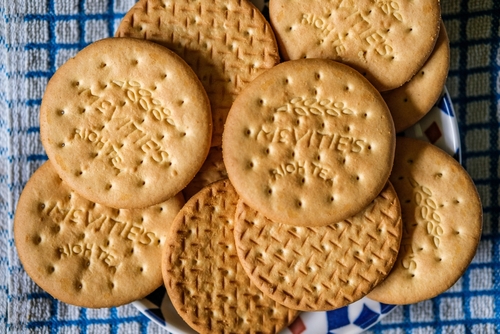
The daily tea break is a cornerstone of British culture. World Biscuit Day on 29 May offers a brilliant excuse to put the kettle on. Biscuits hold a special place in UK homes. The biscuit tin represents hospitality and social connection.
Celebrate this day by hosting a simple biscuit tasting. Digestives and Hobnobs are sturdy options, making them perfect for dunking. Gather your colleagues or family members for ten minutes of shared downtime.
Religious Observances in May 2026
Wesak / Buddha Day (May 5)
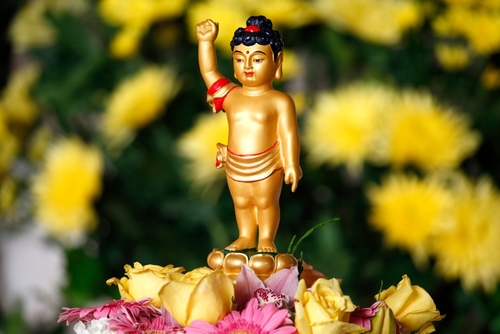
Wesak is a central festival for Buddhists. It commemorates the birth, enlightenment, and passing of the Buddha. In the UK, Buddhist communities observe this important day through temple visits, meditation, and quiet reflection. People also perform acts of kindness, donate to charity, and set up beautiful lantern displays.
Ascension Day (May 14)

Ascension Day is an important date in the Christian calendar. It marks the moment Jesus Christ ascended into heaven, occurring 40 days after Easter Sunday. Many churches in the UK hold special services to mark the occasion.
Lag BaOmer (May 16–17)
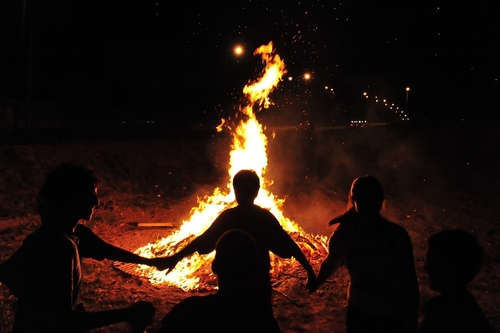
Lag BaOmer provides a joyful break during the solemn Omer counting period in the Jewish faith. Communities celebrate with lively outdoor gatherings. People light bonfires, sing, and enjoy outdoor meals together.
Shavuot (May 21–23)
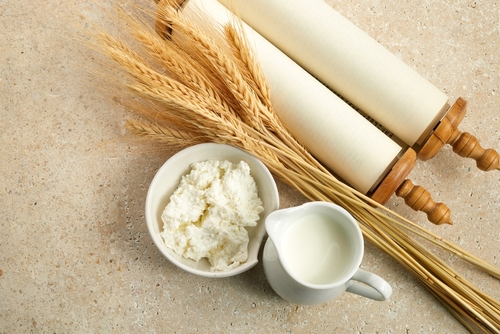
Shavuot celebrates the giving of the Torah to the Jewish people at Mount Sinai. UK observance involves synagogue services and all-night study sessions. Families traditionally enjoy dairy-based meals, serving dishes like cheesecake and blintzes.
Declaration of the Báb (May 23)
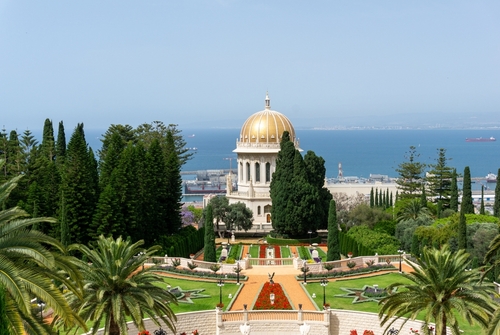
This date is a significant event in the Bahá’í Faith. It marks the moment the Báb announced his mission, paving the way for the foundation of the religion. Bahá’í communities gather for prayers and fellowship.
Hajj (Approx. May 23–28)
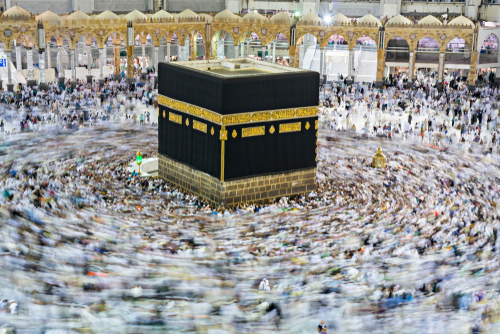
The Hajj is one of Islam’s Five Pillars. Every year, thousands of British Muslims travel to Mecca to perform this sacred pilgrimage. Locally, Muslim communities gather for special prayers and offer strong support to those making the journey.
Pentecost Sunday (May 24)

Pentecost Sunday celebrates the coming of the Holy Spirit to the early disciples. Often described as the birthday of the Christian church, this day is celebrated with vibrant church services across the country.
International & Cultural Celebrations in the UK
Norwegian Constitution Day (May 17)
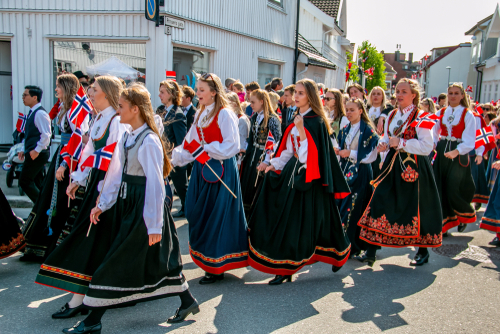
Also known as Syttende Mai, this day marks the signing of Norway’s constitution. Norwegian communities in Britain celebrate with parades, traditional dress, and community gatherings.
Haitian Flag Day (May 18)
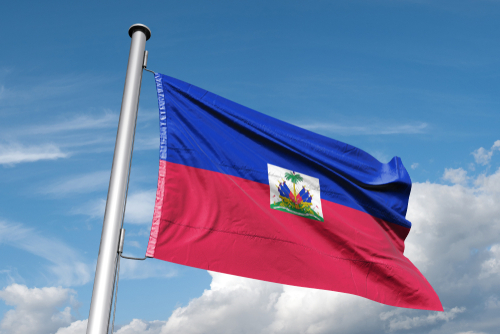
Haitian Flag Day celebrates Haitian identity and the nation’s independence. It is an important day for the Haitian diaspora in the UK to honour their heritage and culture.
Africa Day (May 25)

Africa Day celebrates African unity, culture, and progress. It marks the founding of the Organisation of African Unity. In the UK, cities host cultural festivals featuring traditional food, music, art, and educational programmes.
Bank and Public Holiday Closures (UK Context)
It is important to know what stays open during bank holidays to avoid frustration. On the Early May Bank Holiday, banks and government offices close. Standard postal services and deliveries pause for the day. Public transport usually runs on reduced timetables. Ensure you plan ahead and check local schedules before travelling.
How to Participate Respectfully in UK Communities
Engaging with different cultures is a wonderful way to learn. Approach new celebrations with curiosity and respect.
- Learn the history and meaning behind a celebration before joining in.
- Attend official community-led events rather than guessing or recreating traditions.
- Support local cultural organisations, restaurants, and businesses.
- Pay attention to religious customs, dress codes, and specific dietary practices when attending events.
Frequently Asked Questions (FAQs)
Why do many religious holidays change dates each year?
Many religious events follow lunar or lunisolar calendars. Examples include the Islamic and Jewish calendars. Because the UK uses the solar Gregorian calendar, the specific dates for these festivals shift every year.
Are all these holidays public holidays in the UK?
No. Only bank holidays like the Early May Bank Holiday are official public holidays. Most other dates are cultural or religious observances celebrated within specific communities.
Can I participate in celebrations from other cultures?
Yes. Many events are open to the general public. Simply approach the celebrations with an open mind and a respectful attitude.
Why is May such a diverse month for observances?
Spring is historically associated with renewal and growth. Many different religious and cultural calendars align their most important festivals with these natural seasonal cycles.
Embrace the Month Ahead
May 2026 highlights the incredible diversity of cultures, faiths, and traditions that shape modern life in the UK. From a quiet tea break on World Biscuit Day to the spiritual reflection of Wesak, the month is filled with meaningful moments.
By understanding the significance of these dates, you can connect more deeply with the people around you. Start planning your bank holiday weekend early, mark your calendar for community events, and take time to appreciate the varied celebrations happening in your area.