The Jewish calendar is filled with rich traditions and meaningful observances. Among them is Lag BaOmer, a distinctly joyful day that provides a welcome break during a traditionally solemn period. It is a time for bonfires, outdoor gatherings, and community celebrations.
In 2026, Lag BaOmer begins on the evening of Monday, 4 May, and concludes at nightfall on Tuesday, 5 May. Because the Hebrew calendar is lunar, all Jewish holidays begin at sunset. Across the UK, diverse Jewish communities will mark this occasion with vibrant events, bringing light and warmth to the spring evenings.
Understanding the origins and customs of this day can help you appreciate its significance. This guide explains the history of Lag BaOmer, the key traditions involved, and how it is celebrated throughout the UK today.
When Is Lag BaOmer 2026?
Lag BaOmer falls on a specific date in the Hebrew calendar, which means its Gregorian date changes every year. For 2026, the celebration begins at sunset on Monday, 4 May. It ends at nightfall on Tuesday, 5 May.
The Jewish calendar follows the lunar cycle. This is why observances always start in the evening. It is important to note that Lag BaOmer is not a UK public holiday, so businesses and schools operate as usual.
What Is Lag BaOmer?
Lag BaOmer takes place on the 33rd day of the Omer. The Omer is a 49-day period of counting that bridges the holidays of Passover and Shavuot.
Traditionally, the Omer is a solemn time of semi-mourning. Weddings are paused, and haircuts are delayed. Lag BaOmer provides a one-day suspension of these restrictions. It brings a burst of joy, celebration, and community gatherings to an otherwise quiet period.
The History and Meaning Behind Lag BaOmer
The significance of Lag BaOmer stems from two major historical events in Jewish tradition.
First, it marks the end of a devastating plague that struck the students of Rabbi Akiva, a revered sage in the second century. According to tradition, the plague stopped on the 33rd day of the Omer. This brought immense relief and joy.
Second, the day honours the anniversary of the passing of Rabbi Shimon bar Yochai. He was a prominent disciple of Rabbi Akiva and a great teacher of Jewish mysticism (Kabbalah). Before his passing, he instructed his followers to celebrate the anniversary of his death with immense joy. Today, the holiday carries spiritual themes of resilience, unity, and renewal.
Key Traditions and Customs
Communities observe Lag BaOmer with several distinct traditions. These customs focus on light, nature, and togetherness.
Bonfires
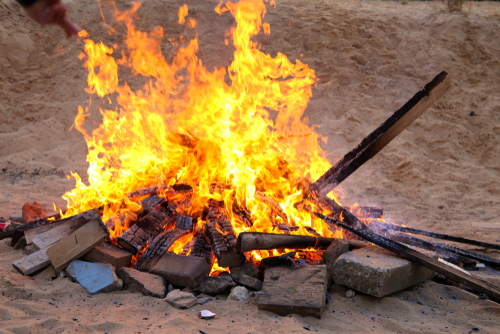
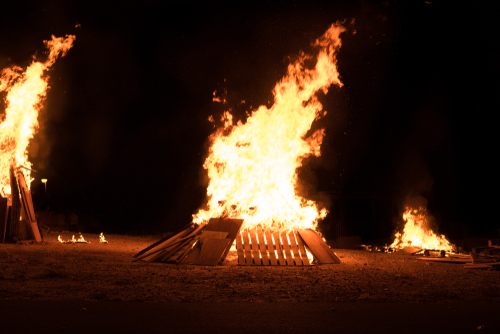
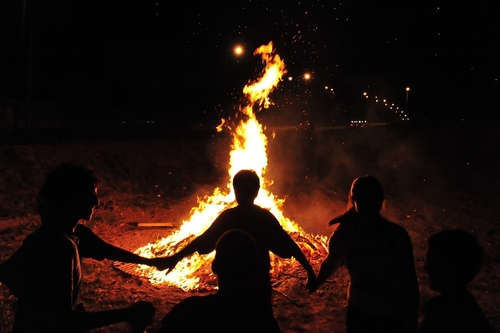
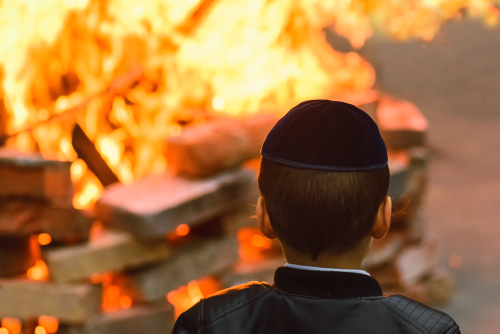
Lighting bonfires is the most visible tradition of Lag BaOmer. The fire symbolises the spiritual light and wisdom introduced by Rabbi Shimon bar Yochai. Large community bonfires are common, bringing people together in song and dance.
Outdoor Celebrations
Nature plays a big role in the festivities. Families and friends gather for picnics and barbecues in parks or fields. Spending time outdoors connects participants to the natural world.
Children’s Activities
Lag BaOmer is a highly anticipated day for children. They often play games, participate in sports, and sometimes practice archery. The bow and arrow hold symbolic meaning, representing the rainbow and divine protection.
Weddings and Celebrations
Because the solemn restrictions of the Omer are lifted for the day, Lag BaOmer is incredibly popular for weddings. Many couples choose this specific date to get married, adding to the overall atmosphere of joy.
How Lag BaOmer Is Celebrated in the UK
The UK is home to a vibrant and diverse Jewish population. Celebrations vary from large public events to private family gatherings.
Major events take place in areas with large Jewish communities, such as Stamford Hill and Golders Green in London. You will also find lively celebrations in Manchester, Leeds, and Gateshead. Synagogues and Jewish schools organise activities, parades, and bonfires for families.
Since the UK weather in May can be unpredictable, organisers often prepare backup plans. However, the resilient spirit of the community ensures the celebrations proceed with enthusiasm, rain or shine.
The Cultural and Community Importance
Lag BaOmer is highly valued for strengthening community bonds. It provides a dedicated time for people to disconnect from their daily routines and connect with their neighbours.
The emphasis is heavily on togetherness and shared joy. Passing these outdoor traditions down to younger generations ensures the cultural heritage remains strong and vibrant.
How Non-Jewish Readers Can Understand or Respect the Day
If you live near a Jewish community, you might notice the festivities. Showing respect and understanding is easy and appreciated.
Learning about the meaning behind the traditions is a great first step. Avoid reducing the holiday to “just bonfires.” Instead, recognise it as a celebration of spiritual light and survival. Respect community events and spaces, and simply appreciate the joy the day brings to the wider neighbourhood.
Practical Tips for UK Celebrations
If you are participating in or organising a Lag BaOmer event in the UK, a few simple tips can ensure everything goes smoothly.
First, prioritise safety around bonfires. Follow all local fire safety guidelines. Always check your local council rules regarding open fires and noise limits in public parks. Finally, plan for the weather. Bring waterproof layers alongside your picnic blankets, as May evenings can quickly turn chilly or damp.
Frequently Asked Questions (FAQs)
What does “Lag BaOmer” mean?
The word “Lag” is made up of two Hebrew letters, Lamed and Gimel, which have the numerical value of 33. “BaOmer” means “in the Omer.” Therefore, Lag BaOmer simply translates to the 33rd day of the Omer.
Why are bonfires lit?
Bonfires represent the light of the Torah and the spiritual illumination brought to the world by Rabbi Shimon bar Yochai.
Is it a religious or cultural celebration?
It is both. While it has deep religious roots and spiritual significance, the way it is celebrated—with picnics, bonfires, and community gatherings—makes it a deeply cultural and social event as well.
Is it widely recognised outside Jewish communities?
Generally, Lag BaOmer is not widely known among the general public in the UK. However, those living in areas with high Jewish populations will likely be familiar with the lively evening celebrations and community bonfires.
Quick Overview Checklist
To help you remember the essentials of Lag BaOmer 2026, keep this quick checklist in mind:
- Understand the meaning
- Know the dates (4-5 May 2026)
- Respect the traditions
- Focus on community and joy
Embracing the Joy of Lag BaOmer
Lag BaOmer stands as a bright beacon of joy within a period of reflection. It highlights the importance of community, survival, and spiritual light.
For the Jewish community in the UK, it is a time to come together, celebrate nature, and pass cherished traditions on to the next generation. By understanding the history and customs of Lag BaOmer, we can all foster greater cultural understanding and respect for our neighbours.