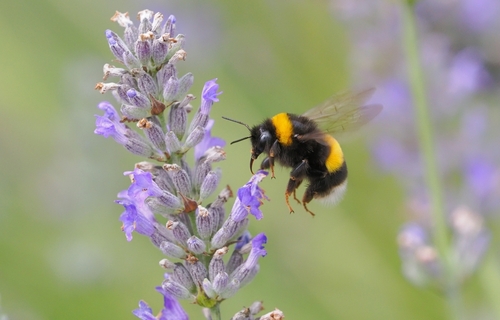
World Bee Day falls on Wednesday, 20 May 2026. This day serves as a helpful reminder of the vital role pollinators play in our food supply, our local biodiversity, and our broader ecosystems. Bees are essential for the environment, yet they face increasing challenges across the country.
The impact of declining bee populations is highly visible in UK gardens, farms, and wild spaces. Without these hardworking insects, our agricultural systems would struggle to produce the fruits and vegetables we rely on daily. A healthy bee population means a healthy environment for everyone.
Supporting our local pollinators is easier than you might think. You do not need acres of land or specialist knowledge to make a real difference. This guide explains the current issues facing UK bees and provides realistic, simple ways you can help them thrive right outside your door.
When Is World Bee Day 2026?
World Bee Day will take place on Wednesday, 20 May 2026. While it is not a UK public holiday, it is a globally recognised date backed by the United Nations. The day aims to raise awareness about the importance of pollinators and encourage people to take simple steps to protect them.
Why Bees Matter in the UK
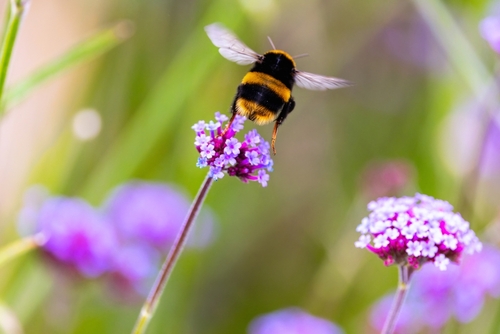
Bees are responsible for pollinating a massive portion of the food we eat. This includes a wide variety of fruit, vegetables, and wild plants. In the UK, agriculture relies heavily on bees to pollinate essential crops like apples, strawberries, tomatoes, and oilseed rape.
Beyond food production, bees contribute directly to biodiversity. By transferring pollen from one flower to another, they allow plants to reproduce. This keeps our ecosystems healthy and provides habitats for other local wildlife. The economic and environmental importance of a strong bee population cannot be overstated. We all benefit from their continuous hard work.
The Biggest Threats to Bees Today
Bees currently face several major challenges that threaten their survival. Understanding these threats is the first step toward creating a safer environment for them.
Habitat loss
Urbanisation and intensive farming practices have drastically reduced the natural habitats where bees forage and nest. As green spaces disappear, bees lose their primary sources of food and shelter.
Pesticides and chemicals
The heavy use of pesticides in agriculture and private gardens poisons bees and damages their nervous systems. This makes it difficult for them to navigate, feed, and reproduce safely.
Climate change
Shifting seasons disrupt the natural rhythm of the environment. When flowers bloom earlier or later than usual, bees can struggle to find enough food when they emerge from their winter nests.
Disease and invasive species
UK bees also face threats from diseases and invasive predators. The Asian hornet, for example, is a significant concern for native honeybee populations, as it actively hunts them and disrupts their hives.
UK Bee Species You Should Know
The UK is home to over 250 species of bees. They generally fall into three main categories:
Honeybees
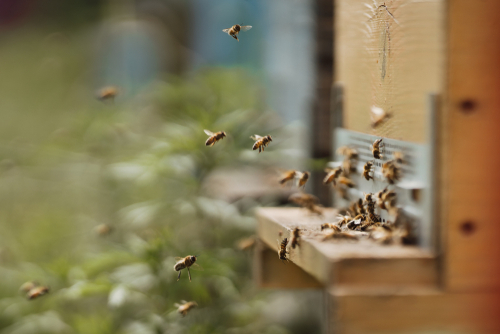
These are the most famous bees. They live in large colonies, produce honey, and are typically managed by beekeepers.
Bumblebees
With their fuzzy, round bodies, bumblebees are a common sight in UK gardens. They live in much smaller colonies and are highly efficient pollinators, especially for tomatoes and soft fruits.
Solitary bees
Solitary bees make up the vast majority of the UK bee population. As their name suggests, they do not live in colonies. Instead, females build their own individual nests in hollow stems, masonry, or the ground. They are incredibly gentle, rarely sting, and are often overlooked despite being some of the most effective pollinators we have.
Simple Ways to Help Bees at Home
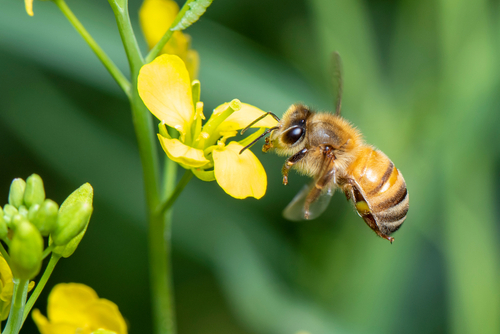
You can easily support local bee populations with a few small adjustments to your outdoor space.
Plant Bee-Friendly Flowers
Provide a steady source of food by planting nectar-rich flowers. Favourites include lavender, foxgloves, and native wildflowers. Focus on choosing plants that bloom at different times of the year so bees have access to food from early spring through to late autumn.
Rethink Your Garden Habits
Taking a more relaxed approach to gardening is highly beneficial for wildlife. Try mowing your lawn less often. Participating in initiatives like “No Mow May” allows clovers and dandelions to flower, providing an essential early food source for hungry bees. You should also avoid using chemical pesticides, opting for natural pest control methods instead. Letting a small patch of your garden grow completely wild gives bees a safe place to rest and forage.
Provide Food and Shelter
You can offer safe nesting spots by installing a bee hotel. Just remember that bee hotels require proper maintenance and annual cleaning to prevent the spread of disease among solitary bees. Additionally, leave a shallow dish of water with a few pebbles in it. This gives exhausted bees a safe place to land and have a drink without drowning.
No Garden? No Problem
You do not need a large garden to support pollinators. Window boxes, hanging baskets, and balcony pots planted with bee-friendly herbs like thyme and rosemary are incredibly helpful. You can also support local green spaces, volunteer at community gardens, or choose to buy produce from local, bee-friendly farmers.
How to Get Involved in the UK
There are many fantastic organisations working to protect pollinators across the country. Consider supporting groups like the Bumblebee Conservation Trust or your local Wildlife Trust. You can participate in citizen science projects by recording the bees you see in your area, or attend local nature walks to learn more about conservation efforts in your community.
Small Changes That Make a Big Difference
Everyday choices have a meaningful impact. Buying local honey supports dedicated beekeepers who care for healthy colonies. Choosing organic or low-impact produce reduces the demand for pesticide-heavy farming. Simply sharing information and raising awareness with your family and friends can inspire others to make bee-friendly choices.
Frequently Asked Questions (FAQs)
Are bees really in danger in the UK?
Yes. Several UK bee species have suffered massive population declines over the last century. Habitat loss and pesticide use continue to put pressure on their numbers.
What plants are best for UK gardens?
Native plants are always a great choice. Foxgloves, lavender, sunflowers, single-flowered dahlias, and ivy provide excellent nectar and pollen.
Do bee hotels actually help?
Bee hotels are great for solitary bees, provided they are placed in a sunny, sheltered spot and cleaned out at the end of the season to prevent parasites.
Is local honey good for bees?
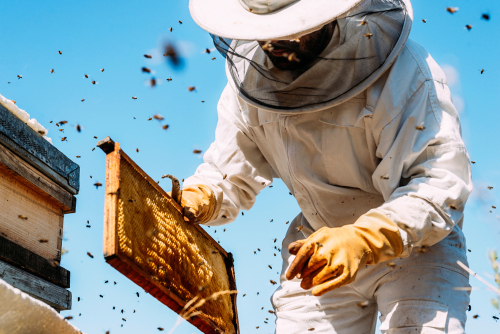
Buying local honey supports local beekeepers who manage their hives responsibly. It is a great way to fund the care and protection of regional honeybee populations.
Quick Bee-Friendly Checklist
Protecting bees is straightforward. Use this simple checklist to get started:
- Plant at least one pollinator-friendly flower or herb.
- Stop using chemical weedkillers and pesticides.
- Leave a small area of your grass to grow wild.
- Provide a shallow water dish with resting pebbles.
- Support local initiatives and beekeepers.
Taking Action for a Healthier Environment
Bees are an essential part of our natural world, but helping them does not require a huge amount of effort. By making small, consistent changes to how we manage our outdoor spaces and what we buy, we can secure a safer future for these vital insects. World Bee Day is the perfect opportunity to turn your awareness into practical action. Start with one simple step today, and enjoy the peace of mind that comes from knowing you are making a positive difference.