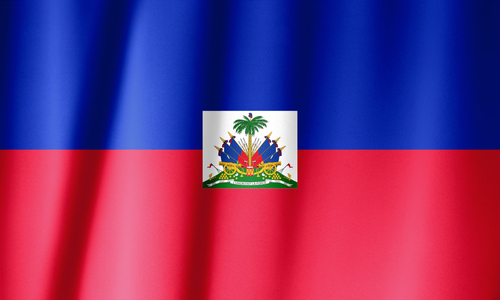
Every year, people of Haitian descent gather to honour a defining moment in their history. Haitian Flag Day marks the creation of the national flag during the fight for freedom. It is a powerful symbol of resilience, independence, and unity. The next celebration falls on Monday, 18 May 2026. For Haitians, this day goes far beyond a simple public holiday. It is a moment to reflect on their ancestors’ struggles and celebrate a rich cultural heritage.
The UK is home to a diverse and vibrant Caribbean population, including a growing Haitian community. Understanding the significance of this day helps foster respect and inclusion within our multicultural society. This guide explains the history behind the flag, its cultural meaning, and how people celebrate this important day both in Haiti and across the UK.
When Is Haitian Flag Day 2026?
Haitian Flag Day takes place on 18 May every year. In 2026, the celebration falls on a Monday.
Because it is an annual fixed date, communities always know when to prepare for the festivities. While it is a major national holiday in Haiti, it is not a recognised public holiday in the UK. Still, many people in the UK choose to mark the occasion through community gatherings or personal reflection.
What Is Haitian Flag Day?
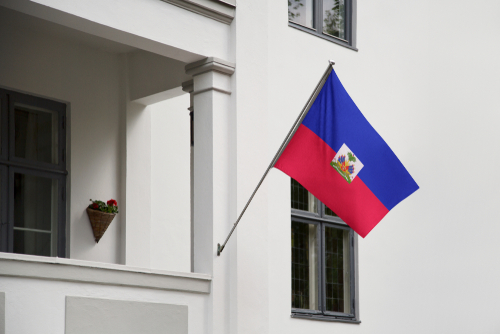
This day celebrates the creation of the Haitian flag on 18 May 1803. The flag became a crucial symbol of independence and unity for the Haitian people.
The creation of the flag is closely tied to the Haitian Revolution. This historic uprising led to the end of French colonial rule and the abolition of slavery in the country. Celebrating the flag means celebrating the birth of the nation.
The History Behind the Flag
The story of the Haitian flag is rooted in rebellion. In 1803, revolutionary leader Jean-Jacques Dessalines took the French tricolour flag and ripped the white stripe from the centre.
He asked his goddaughter, Catherine Flon, to sew the remaining blue and red bands together. The removal of the white stripe represented the removal of French colonial control.
Bringing the blue and red together was a powerful statement. It symbolised the necessary unity between the Black and mixed-race populations of Haiti. This united front helped them defeat colonial forces and declare independence in 1804. It remains one of the most significant and successful revolutions in world history.
What the Haitian Flag Represents
The flag is much more than a piece of cloth. The specific colours and symbols hold deep meaning for the Haitian people.
The blue and red bands represent unity and strength. They remind the population that they are stronger together. The flag also serves as a strong marker of national identity. It represents freedom, continuous resistance against oppression, and immense national pride.
How Haitian Flag Day Is Celebrated in Haiti
In Haiti, 18 May is a day of massive national pride. The streets fill with vibrant celebrations and ceremonies.
People organise large parades and public events. You will see locals wearing the flag’s colours and waving it proudly. Music, dance, and cultural performances take place in town squares and community centres. Schools also play a major role. Children learn about the revolution and participate in special school celebrations, ensuring the history is passed down to the next generation.
Haitian Flag Day in the UK
The UK celebrates Haitian Flag Day on a smaller scale, but with equal passion. Celebrations take place within the Haitian and wider Caribbean communities.
Cities with diverse populations, such as London, often host specific cultural events. Cultural organisations and community groups use this day to educate others and celebrate their heritage. Because the Haitian community in the UK is relatively small, these celebrations are often combined with broader Caribbean cultural events. This creates a strong sense of shared history and solidarity.
Why It Matters Globally (and in the UK)
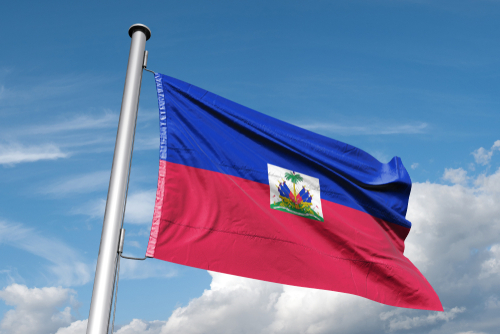
Haiti holds a unique place in world history. It was the first independent Black republic and the first nation to successfully abolish slavery through a revolution.
The themes of freedom, independence, and identity resonate globally. In the UK, acknowledging Haitian Flag Day highlights the cultural diversity that makes up the country. It reminds us of the global struggles for human rights and the importance of respecting different cultural identities.
How UK Readers Can Engage Respectfully
You do not need to be Haitian to appreciate the significance of this day. There are several ways UK residents can engage respectfully with the culture.
First, take the time to learn about Haitian history and the revolution. Education is the best way to show respect. Second, attend community events if they are open to the public. Third, support Haitian-owned businesses, artists, or cultural initiatives in your area. Finally, explore Haitian food and music to gain a better understanding of the vibrant culture.
Frequently Asked Questions (FAQs)
Why is Haitian Flag Day so important?
It marks the creation of the Haitian flag in 1803. This event was a turning point in the Haitian Revolution, leading to the country’s independence from France.
What does the flag symbolise?
The blue and red colours symbolise the unity between the Black and mixed-race populations. It represents freedom, strength, and the rejection of colonial rule.
Is it widely celebrated outside Haiti?
Yes. The Haitian diaspora celebrates this day across the globe. Major celebrations take place in the United States, Canada, France, and parts of the UK.
Are there events in the UK?
Yes. Community groups and cultural organisations often host events, particularly in cities like London. These may include food stalls, music, and educational talks.
Quick Overview Checklist
If you want a simple summary of how to approach Haitian Flag Day 2026, keep these points in mind:
- Know the date: 18 May 2026.
- Understand the history: Learn about the 1803 flag creation and the revolution.
- Respect the cultural significance: Acknowledge the flag as a symbol of freedom and unity.
- Explore global connections: Appreciate how this history impacts communities in the UK.
Honouring Independence and Identity
Haitian Flag Day is a profound celebration of identity, resilience, and independence. It gives the Haitian people a chance to honour their ancestors and celebrate their hard-won freedom.
Within the UK’s multicultural landscape, taking the time to understand holidays like this helps build a more inclusive society. By learning about the history of the 18 May 1803, we can all show thoughtful engagement and cultural appreciation for the Haitian community.