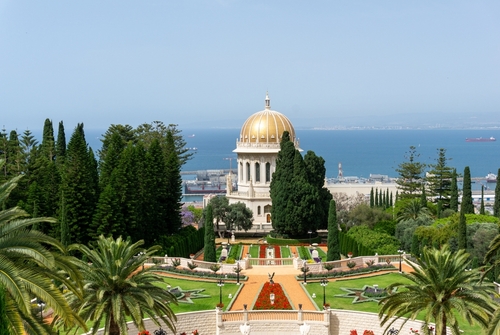
The Bahá’í Faith is a global religion focused on unity, equality, and peace. Throughout the year, Bahá’ís observe several important holy days. One of the most significant is the Declaration of the Báb. In 2026, this important event takes place from the evening of Friday, 22 May, to the evening of Saturday, 23 May. It marks a foundational moment in the Bahá’í calendar, celebrating the origins of the faith and its message of spiritual renewal. Understanding this holy day offers a wonderful opportunity to learn about Bahá’í traditions. This guide clearly explains the meaning, history, and UK context of the Declaration of the Báb, helping you understand how it is observed locally and globally.
When Is the Declaration of the Báb 2026?
Bahá’í holy days are traditionally observed from sunset to sunset. In 2026, the Declaration of the Báb begins at sunset on Friday, 22 May. The observance concludes at sunset on Saturday, 23 May.
During this 24-hour period, Bahá’ís pause their regular work and school activities where possible. However, the Declaration of the Báb is not a recognised public holiday in the UK. Businesses and schools operate normally, so those observing the holy day usually request time off in advance.
What Is the Declaration of the Báb?
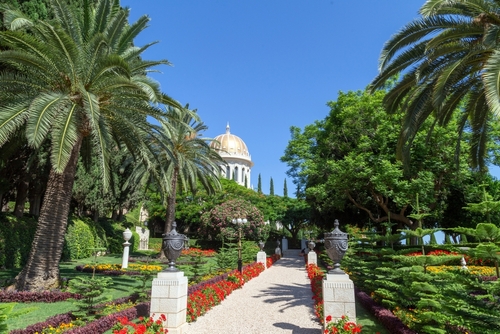
This holy day commemorates a specific historical event. In 1844, a young merchant in Persia (modern-day Iran) announced a divine mission. He took the title of the Báb, which means “The Gate” in Arabic.
The Báb declared that He was a messenger of God. His primary purpose was to prepare humanity for the imminent arrival of another divine teacher, who would usher in an era of global peace and justice. This moment marks the official beginning of the Bahá’í Faith’s history. The Báb served as a crucial forerunner to Bahá’u’lláh, the prophet-founder of the Bahá’í Faith.
The Historical Background
To understand the Declaration of the Báb, it helps to look at 19th-century Persia. At the time, the region was experiencing significant social and religious anticipation. Many people were actively searching for spiritual renewal.
When the Báb shared His message on 22 May 1844, it quickly resonated with thousands of followers. His teachings challenged the established social and religious norms of the era. He advocated for moral purity, the elevation of women, and the spiritual transformation of society. This powerful message ultimately laid the foundation for the development of the Bahá’í Faith, even though it was met with intense opposition from authorities at the time.
The Meaning and Significance
The Declaration of the Báb is deeply meaningful for Bahá’ís worldwide. It represents a turning point in human history. The day focuses on several core spiritual themes:
- Renewal and revelation: It marks the dawn of a new religious cycle.
- Hope and transformation: The Báb’s message brought hope for a more just and unified world.
- Unity of humanity: The teachings introduced during this time set the stage for Bahá’u’lláh’s later message of global unity.
For Bahá’ís, remembering this day is a way to reconnect with the roots of their faith. It is a time to reflect on the courage of the early believers and the enduring power of divine love.
How the Declaration of the Báb Is Observed
Bahá’í holy days are usually observed with reverence and community spirit. Instead of large, elaborate public celebrations, the Declaration of the Báb is often marked by quiet reflection and devotional gatherings.
Communities and families come together in homes or local Bahá’í centres. The core of the observance involves reading prayers and reciting passages from Bahá’í writings. Music and fellowship are also common elements. The atmosphere is peaceful, focusing on the spiritual significance of the Báb’s historical announcement.
Observance in the UK
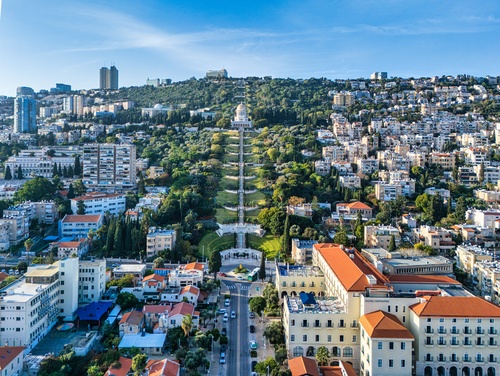
In the UK, the Declaration of the Báb is observed by local Bahá’í communities across the country. Events are organised in major cities like London, Manchester, and Birmingham, as well as in smaller towns and villages.
These gatherings are highly inclusive and welcoming. The UK Bahá’í community is diverse, and this holy day brings together people of various backgrounds. The emphasis is entirely on community connection, shared reflection, and hospitality.
Who Was the Báb?
The Báb is a central figure in the Bahá’í Faith. Born Siyyid ‘Alí-Muhammad in 1819, He was known from a young age for His gentle character and remarkable wisdom.
His role was distinct as both an independent messenger of God and the herald of Bahá’u’lláh. His ministry lasted only six years before He was executed for His teachings, but His impact was monumental. His declaration is historically and spiritually significant because it initiated the Bahá’í era and introduced teachings that prepared society for a new stage of human evolution.
How Non-Bahá’ís Can Learn or Engage Respectfully
You do not need to be a Bahá’í to appreciate the significance of this day. If you wish to learn more or engage with the community, there are simple and respectful ways to do so:
- Attend open devotional gatherings: Bahá’í events are often open to the public. If you receive an invitation to a local gathering, you are very welcome to attend.
- Learn about Bahá’í principles: Take time to read about the faith’s core values, such as the unity of humanity, the equality of men and women, and the harmony of science and religion.
- Approach with curiosity: Ask respectful questions. Bahá’ís are generally very happy to share their beliefs and history.
- Avoid oversimplifications: Recognise that the Bahá’í Faith is an independent world religion, not a sect of another faith.
Common Questions About the Declaration of the Báb
Is this a public holiday in the UK?
No, the Declaration of the Báb is not a UK bank holiday. Bahá’ís typically request time off work or school to observe the holy day, as they suspend regular work from sunset to sunset.
Who celebrates the Declaration of the Báb?
It is celebrated by members of the Bahá’í Faith worldwide, including thousands of individuals living in the United Kingdom.
Is it similar to other religious festivals?
Like Christian or Islamic holy days, it involves prayer, community gathering, and reflection on religious history. However, it is uniquely Bahá’í in its focus on the Báb’s 1844 announcement. The tone is usually joyful but reverent.
Can non-Bahá’ís attend events?
Yes. Bahá’í communities place a strong emphasis on hospitality and inclusivity. Non-Bahá’ís are always welcome to attend devotional gatherings and community events.
Embracing Unity and Reflection in 2026
The Declaration of the Báb remains a profound moment of reflection for Bahá’ís in the UK and around the world. As May 2026 approaches, it offers a reminder of the enduring themes of hope, spiritual renewal, and human unity. Whether you are observing the holy day yourself or simply learning about the traditions of your neighbours, understanding this event fosters a spirit of mutual respect and global community. To learn more about local gatherings, consider reaching out to the Bahá’í community in your area.