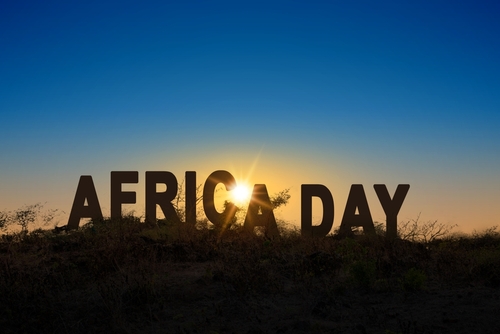
Africa Day is a powerful reminder of unity, resilience, and cultural pride. Every year on 25 May, millions of people around the world pause to celebrate the continent’s achievements. For 2026, this significant date falls on a Monday. It marks the founding of the Organisation of African Unity in 1963, which later became the African Union.
For the diverse African diaspora living in the UK, Africa Day holds deep personal and community meaning. It provides a moment to honour heritage and look towards a bright future. From vibrant community festivals in London to educational events in Manchester, the UK plays an active role in marking this special day.
Understanding the roots of Africa Day helps build stronger connections across communities. This guide explains the history and meaning of the day. It also outlines how people celebrate across the African continent and within the UK, offering simple ways for you to get involved.
When Is Africa Day 2026?
Africa Day is celebrated on a fixed annual date. In 2026, the celebration takes place on Monday, 25 May.
While it is observed widely across the globe, it is not a public holiday in the UK. However, many community groups, universities, and cultural organisations host events on the weekend before or the day itself. Several African nations do observe this date as a national public holiday, allowing citizens time to participate in official ceremonies and local festivities.
What Is Africa Day?
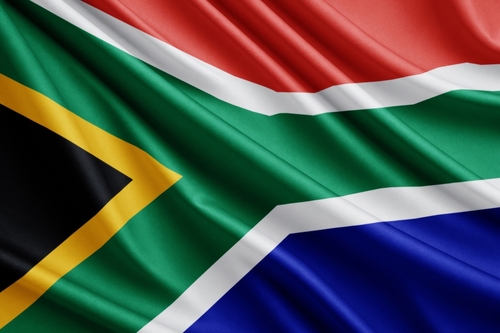
At its core, Africa Day is a celebration of African unity, identity, and progress. It recognises the diverse cultures, languages, and traditions that make up the continent.
The day is recognised both across the continent and internationally. It serves as a focal point for discussing future development while honouring the past. Communities gather to share food, music, and stories. It is a time to reflect on shared goals, economic growth, and the ongoing journey toward peace and stability.
The History Behind Africa Day
The origins of Africa Day date back to 25 May 1963. On this day, leaders from 32 independent African nations gathered in Addis Ababa, Ethiopia. They formed the Organisation of African Unity (OAU).
The OAU was created to support independence movements and promote cooperation among African states. It aimed to end colonialism and improve the lives of people across the continent. In 2002, the OAU transitioned into the African Union (AU). The AU continues this vital work today, focusing on economic integration, human rights, and global partnerships. Africa Day remains a tribute to that original vision of solidarity.
Why Africa Day Matters Today
Africa Day carries strong themes that resonate just as much today as they did in 1963. Unity and collaboration are central to the celebrations. African nations continue to work together to overcome modern challenges and unlock new opportunities.
Economic development is a major focus. The continent is home to some of the world’s fastest-growing economies. Cultural pride also takes centre stage. Africa Day gives people a platform to showcase their art, fashion, and innovation. For the global diaspora, including those in the UK, it is an essential link to their roots and a way to pass traditions down to the next generation.
How Africa Day Is Celebrated Across Africa
Across the African continent, celebrations are diverse and full of life. Cultural festivals and performances highlight local music, dance, and poetry.
Government and community events often feature speeches from leaders reflecting on the nation’s progress. Educational programmes take place in schools and universities to teach younger generations about their history. Media and public discussions focus on current affairs, economic policies, and the future of the African Union. It is a day of vibrant energy and deep reflection.
Africa Day in the UK
The UK is home to a large and diverse African diaspora. Because of this, Africa Day is celebrated with great enthusiasm across the country.
Major cities like London, Birmingham, and Manchester host a variety of community events, festivals, and exhibitions. Diaspora organisations and cultural groups play a huge role in planning these gatherings. Universities and cultural institutions also mark the day with guest lectures, film screenings, and art displays. These events create safe, welcoming spaces for people to share their heritage and for the wider public to learn.
The UK–Africa Connection
The relationship between the UK and Africa is built on a complex history and a dynamic modern partnership. Today, this connection is driven by trade, education, and cultural exchange.
Thousands of students from African nations study in the UK every year. Businesses operate across borders, fostering economic growth in both regions. Most importantly, African communities make immense contributions to UK society. From healthcare and technology to the arts and public service, the impact of the diaspora is visible everywhere. Africa Day offers a moment to acknowledge and celebrate these contributions.
How You Can Take Part
You do not need to be of African descent to appreciate and support Africa Day. There are many straightforward ways for UK readers to get involved.
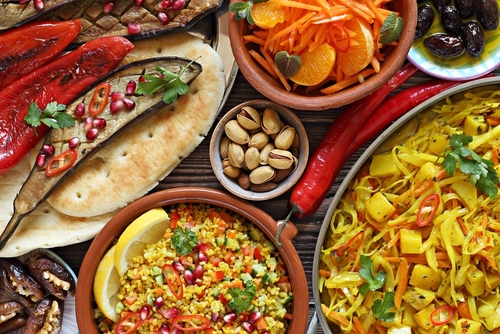
Attend local events or festivals happening in your city. Explore African food by visiting a local restaurant or trying a new recipe at home. Listen to African music or visit an art gallery featuring African artists. Support African-owned businesses in your community. Finally, take time to learn about African history and contemporary issues by reading books or watching documentaries.
Frequently Asked Questions (FAQs)
Is Africa Day widely celebrated in the UK?
Yes, it is celebrated widely within diaspora communities and cultural institutions across the UK. Cities with large African populations often host public festivals and educational events.
What does Africa Day represent?
It represents African unity, independence, and cultural pride. It marks the anniversary of the founding of the Organisation of African Unity.
Is it a public holiday anywhere?
While it is not a public holiday in the UK, it is an official public holiday in several African countries, including Ghana, Zimbabwe, Lesotho, and Mali.
How can I get involved locally?
Look for events hosted by local community centres, universities, or cultural groups. Supporting African-owned businesses and sharing information about the day are also great ways to participate.
Celebrating Identity, Unity, and Progress
Africa Day is much more than a date on the calendar. It is a meaningful celebration of identity, resilience, and hope. As the African diaspora continues to grow and thrive in the UK, the relevance of this day only increases.
By understanding the history and getting involved in local celebrations, you help foster a more inclusive and respectful society. Keep these quick points in mind as 25 May approaches:
- Know the date: Monday, 25 May 2026.
- Understand the history of the OAU and the African Union.
- Appreciate the deep cultural significance of the day.
- Engage respectfully with local events and communities.
Take the opportunity this Africa Day to look beyond surface-level awareness. Engage with the culture, support the community, and celebrate the incredible progress of the African continent.