Pentecost Sunday is a major event in the Christian calendar. It marks a significant moment for Christians around the world. In 2026, Pentecost Sunday falls on Sunday, 24 May. Many people clearly understand the traditions of Easter and Christmas. Pentecost, however, is often less widely understood. It remains a deeply important day for practising Christians. This guide will set clear expectations for the holiday. We will explain the meaning of Pentecost, explore its historical significance, and show how it is observed across the UK today.
When Is Pentecost Sunday 2026?
Pentecost Sunday will take place on Sunday, 24 May 2026. The date changes every year. It always occurs exactly 50 days after Easter Sunday.
The day after Pentecost is known as Pentecost Monday, or Whit Monday. In 2026, this falls on 25 May. While Whit Monday was historically a UK bank holiday, it is no longer a public holiday today.
What Is Pentecost?
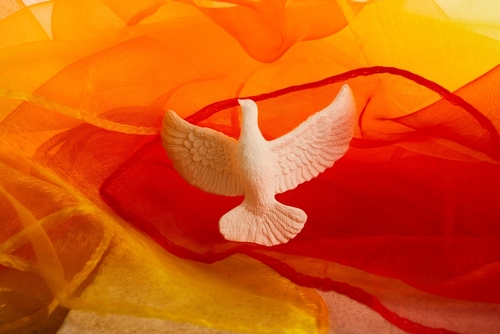
Pentecost commemorates the descent of the Holy Spirit upon the apostles. According to the New Testament (Acts 2:1–4), the followers of Jesus were gathered together when the Holy Spirit came down to them.
Because of this event, Pentecost is often called the “birthday of the Church”. It marks the moment the apostles began to spread the Christian message to the world.
The Meaning and Significance
The spiritual themes of Pentecost are highly significant in Christian theology. They provide reassurance and a sense of purpose to believers.
- Renewal and empowerment: The arrival of the Holy Spirit gave the apostles the strength to share their faith confidently.
- Unity and communication: The apostles were suddenly able to speak in different languages. This allowed them to communicate with people from all over the world.
- Beginning of Christian mission: Pentecost represents the start of the Church’s global mission to share the teachings of Jesus.

The History of Pentecost in the UK
Pentecost is a long-established Christian observance in the UK. Historically, it was widely known as Whitsun (White Sunday). The name likely came from the white garments worn by people being baptised on this day.
Whit Monday was a former public holiday in the UK. People used the long weekend to celebrate with community fairs and parades. In 1971, changes to the UK bank holiday structure replaced the Whit Monday holiday with the Spring Bank Holiday.
How Pentecost Is Observed in the UK Today
Today, Pentecost is generally quieter than other major Christian festivals. However, it is still observed with deep respect across the UK.
Church services are the main focus of the day. These services often include special readings and hymns dedicated to the Holy Spirit. You will frequently see the use of red colours symbolising the fire of the Holy Spirit. Some parishes also host community events to bring people together.
Traditions and Symbols of Pentecost
Several clear symbols are associated with Pentecost. These symbols help Christians reflect on the events of the New Testament.
- Flames and fire: Fire imagery represents the Holy Spirit, which appeared as “tongues of fire” above the apostles.
- Wind symbolism: A rushing wind accompanied the arrival of the Holy Spirit.
- Red vestments: Priests and church leaders wear red clothing to decorate the church.
- Music: Joyful music and celebration play a central role within churches.
Pentecost vs Easter vs Ascension Day
Understanding the sequence of these days helps clarify the Christian calendar.
- Easter celebrates the resurrection of Jesus.
- Ascension Day marks the return of Jesus to heaven, 40 days after Easter.
- Pentecost celebrates the arrival of the Holy Spirit, 10 days after Ascension Day.
This sequence shows the progression of the Christian story from resurrection to the birth of the Church.
Why Pentecost Still Matters Today
Pentecost holds continued relevance for practising Christians. The themes of unity and communication are especially important in a modern context. It provides a dedicated opportunity for reflection and spiritual renewal. Believers use this time to find strength for their daily lives.
How to Mark Pentecost in the UK
You can observe Pentecost in several simple ways.
- Attend a church service: Many local churches welcome visitors for their Pentecost services.
- Reflect on its meaning: Take time to think about themes of unity and renewal.
- Learn more: Read about the Christian calendar to understand its structure.
- Engage in traditions: Spend time with your community or family to celebrate together.
Frequently Asked Questions (FAQs)
Is Pentecost a bank holiday in the UK?
No, Pentecost Sunday and Whit Monday are not bank holidays in the UK. The Whit Monday bank holiday was replaced by the Spring Bank Holiday in 1971.
Why is it sometimes called Whitsun?
Whitsun is short for “White Sunday”. It refers to the white clothing traditionally worn by individuals getting baptised on this day.
What does Pentecost celebrate?
Pentecost celebrates the descent of the Holy Spirit upon the apostles. It is widely considered the birth of the Christian Church.
Do all denominations observe it the same way?
Different denominations observe Pentecost in slightly different ways. However, the central focus on the Holy Spirit and church services remains consistent across most Christian groups.
Quick Overview Checklist
Use this simple checklist to remember the key points of Pentecost 2026.
- Know the date: 24 May 2026.
- Understand the meaning: The birthday of the Church.
- Recognise key symbols: Red colours, fire, and wind.
- Consider attending a service to mark the occasion.
A Time for Reflection and Unity
Pentecost remains a key moment in the Christian year. It maintains a quiet but meaningful presence in UK life today. By understanding its history and symbols, you can appreciate its deep cultural and spiritual value. Use this upcoming Pentecost Sunday to encourage deeper understanding, connect with your community, and reflect on the themes of unity and renewal.