Wesak is one of the most important festivals in the Buddhist calendar. On Sunday, 31 May 2026, Buddhists across the UK will come together to celebrate this sacred event. Also known as Buddha Day, it honours the life and teachings of Siddhartha Gautama, the historical Buddha.
The UK is home to incredibly diverse Buddhist communities. From Theravāda to Mahāyāna traditions, each group brings unique customs to the celebration. This creates a rich tapestry of cultural observance right across Britain.
Learning about Wesak helps foster a more inclusive and respectful society. This guide explains the deep meaning behind the festival. It covers traditional practices, core values, and how communities observe Buddha Day in the UK.
When Is Wesak 2026?
In 2026, Wesak falls on Sunday, 31 May. The date changes every year because it is based on the lunar calendar. It usually takes place during the first full moon in May.
You might notice that dates can differ slightly depending on the specific Buddhist tradition. For instance, some Mahāyāna communities may observe it on a different day than Theravāda communities. Wesak is not a public bank holiday in the UK, but many people request time off work to visit temples and celebrate with their families.
What Is Wesak (Buddha Day)?
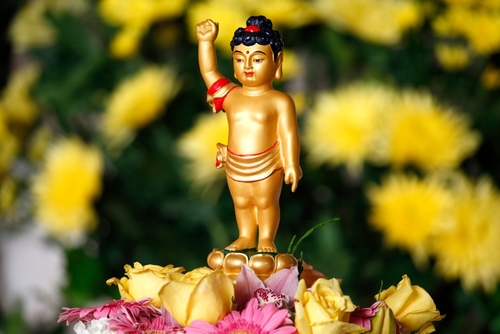
Wesak commemorates three key events in the Buddha’s life. These are his birth, his enlightenment, and his passing into Parinirvana.
For Buddhists, this is the most sacred day of the year. It is a time to reflect on the Buddha’s journey from a sheltered prince to an enlightened teacher. By honouring these three milestones, practitioners remind themselves of their own potential to achieve awakening and inner peace.
The Origins and Meaning of Wesak
The roots of Wesak stretch back to ancient Buddhist traditions. It has been observed for centuries across Asia, originating in India before spreading to countries like Sri Lanka, Thailand, and Tibet.
The core meaning of Wesak focuses on reflection, compassion, and mindfulness. It is not just a historical commemoration. It is a vital opportunity for Buddhists to recommit to their spiritual path. The day encourages people to look inward, cultivate positive thoughts, and bring peace to their daily lives.
How Wesak Is Celebrated Around the World
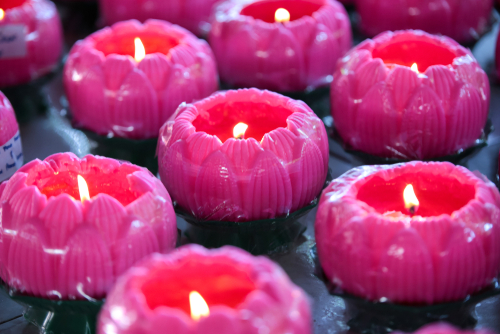
Globally, Wesak is a vibrant and deeply spiritual festival. Devotees visit local temples to make offerings of flowers, candles, and incense. These offerings are highly symbolic. Flowers fade and candles burn out, reminding practitioners that all things in life are temporary.
Many communities decorate their homes and streets with beautiful lanterns. These represent the light of the Buddha’s teachings dispelling the darkness of ignorance. Acts of charity and kindness are also central to the celebration. People donate food to monks, give money to the poor, and release captive animals as a symbol of liberation. Meditation and listening to teachings from monks make up the quieter, reflective side of the day.
How Wesak Is Observed in the UK
In the UK, Wesak is celebrated with great warmth and devotion. Major cities like London, Birmingham, and Manchester host significant gatherings.
Activities often include:
- Temple gatherings: Devotees visit local viharas and temples to chant, meditate, and make offerings.
- Community events: Families share vegetarian meals and connect with their local community.
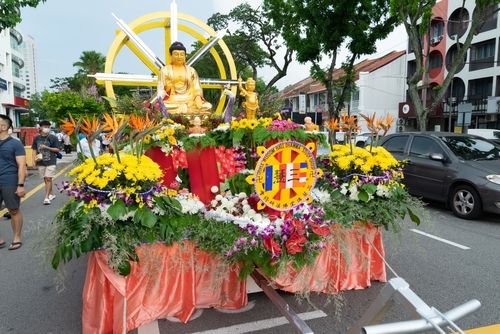
- Cultural festivals: Some areas host vibrant parades and cultural displays.
Organisations like the Network of Buddhist Organisations (UK) help coordinate and promote these events. In some years, public celebrations take place in prominent locations like Trafalgar Square, bringing the joy of Buddha Day to a wider audience.
The Values Behind Wesak
The teachings highlighted during Wesak offer valuable guidance for everyone. The core values include:
- Compassion (karuṇā): Caring for the well-being of all living creatures.
- Mindfulness: Staying present and aware of your thoughts and actions.
- Generosity (dāna): Giving freely to those in need without expecting anything in return.
- Ethical living: Following principles that avoid causing harm to others.
These values resonate far beyond religious practice. They provide a clear framework for living a kind, purposeful, and harmonious life.
How Non-Buddhists in the UK Can Respectfully Take Part
You do not need to be Buddhist to appreciate the message of Wesak. Non-Buddhists can respectfully take part in several ways.
Consider attending public events or temple open days. Many UK temples welcome visitors who wish to observe the ceremonies. Take this opportunity to learn about Buddhist teachings and history. You can also practice simple mindfulness or perform random acts of kindness in your own community. Always be culturally respectful. Dress modestly if visiting a temple, and follow the guidance of the local community to avoid misunderstanding.
Simple Ways to Mark Wesak at Home
You can easily honour the spirit of Wesak from the comfort of your own home. Here are a few simple practices:
- Quiet reflection or meditation: Dedicate ten minutes to sit quietly and focus on your breathing.
- Acts of kindness: Donate to a local charity or check in on a vulnerable neighbour.
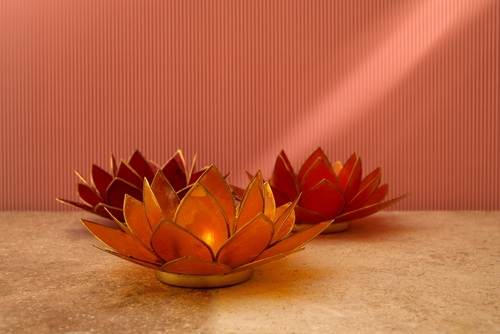
- Creating a mindful space: Tidy a corner of your room and light a candle to promote a sense of calm.
- Reading: Read a book or listen to a podcast about Buddhism to expand your understanding.
Frequently Asked Questions (FAQs)
Is Wesak the same as Buddha Day?
Yes. Wesak and Buddha Day are two names for the same festival. The term Wesak comes from the ancient Indian month of Vesakha, which is when the festival takes place.
Why does the date change each year?
The festival follows the lunar calendar, which tracks the cycles of the moon. Because the lunar year is shorter than the solar year used in the standard Gregorian calendar, the date shifts slightly each year.
Do all Buddhists celebrate it the same way?
No. Customs vary widely depending on the cultural background and specific Buddhist tradition. A Mahāyāna celebration in a UK-based Chinese temple will look different from a Theravāda celebration in a Sri Lankan vihara.
Is it widely recognised in the UK?
Recognition is growing. While it is not a national public holiday, local councils and community groups increasingly acknowledge Wesak. Public events in major UK cities have helped raise awareness of the festival.
A Gentle Checklist for Observing Wesak
Use this simple checklist to guide your observance:
- Learn something new about the Buddha’s teachings.
- Take time to reflect on your own personal growth.
- Practice a deliberate act of kindness today.
- Respect and appreciate different cultural traditions.
Finding Peace and Purpose This Buddha Day
Wesak 2026 offers a beautiful opportunity to pause and reflect. The festival’s focus on compassion, awareness, and generosity carries a universal message.
These principles are relevant to both Buddhists and non-Buddhists across the UK. Engaging thoughtfully with these traditions enriches our communities and promotes mutual respect. Take time this May to embrace mindfulness, practice kindness, and celebrate the diverse cultural landscape of Britain.