Shavuot is a major Jewish festival that holds deep spiritual and historical significance. It brings communities together to celebrate the foundation of their faith and the richness of their cultural heritage. Understanding this festival helps foster a sense of connection and respect among all communities.
In 2026, Shavuot begins on the evening of Thursday 21 May and concludes at nightfall on Saturday 23 May. As with all Jewish holidays, the observance starts at sunset, meaning exact times can vary slightly depending on your local community.
The festival carries a dual significance. It is both a profound religious milestone and an important agricultural marker. By reading this guide, you will learn the core meaning of Shavuot, discover the beautiful traditions and foods associated with the holiday, and see how Jewish families celebrate it across the UK.
When Is Shavuot 2026?
Shavuot in 2026 begins at sunset on Thursday 21 May. The festival officially ends at nightfall on Saturday 23 May.
The Jewish calendar is lunar-based, which means holiday dates shift slightly each year on the standard Gregorian calendar. It is important to note that Shavuot is not a UK public bank holiday. Those observing the festival will often need to arrange time off work or school to participate in community and family events.
What Is Shavuot?
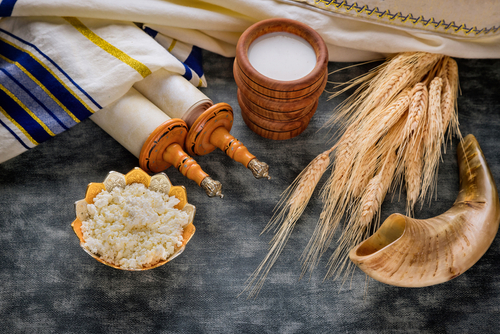
Shavuot is also known as the Festival of Weeks. It marks two major historical and agricultural events.
First, it commemorates the exact moment the Torah was given to the Jewish people at Mount Sinai. Second, it celebrates the ancient wheat harvest in Israel. Historically, it is one of the three major pilgrimage festivals in Judaism, alongside Passover and Sukkot, where people would travel to the Temple in Jerusalem.
The Meaning and Significance
The primary spiritual theme of Shavuot is the pursuit of learning and wisdom. It represents a continuous commitment to faith and the teachings of the Torah.
Community and continuity are central to the festival. It is a time for families to reflect on their shared history and pass down core values to the next generation. This focus on education and unity explains why Shavuot remains such a vital part of modern Jewish life.
Key Traditions and Customs
Shavuot is marked by several distinctive and beautiful customs that bring the community together.
All-Night Study (Tikkun Leil Shavuot)
Many people stay up the entire first night of Shavuot to study the Torah and other religious texts. This tradition, known as Tikkun Leil Shavuot, shows dedication and a deep love for learning.
Attending Synagogue
Synagogue services are a cornerstone of the festival. A central part of the service is the reading of the Ten Commandments, recreating the experience of receiving the Torah at Mount Sinai.
Decorating with Greenery
Homes and synagogues are often decorated with lush flowers and plants. This symbolises the spring harvest and the belief that Mount Sinai burst into bloom when the Torah was given.
Reading the Book of Ruth
The Book of Ruth is read during Shavuot. It highlights themes of loyalty, kindness, and belonging. Ruth’s dedication to the Jewish people mirrors the broader commitment celebrated during the festival.
Why Dairy Foods Are Central to Shavuot
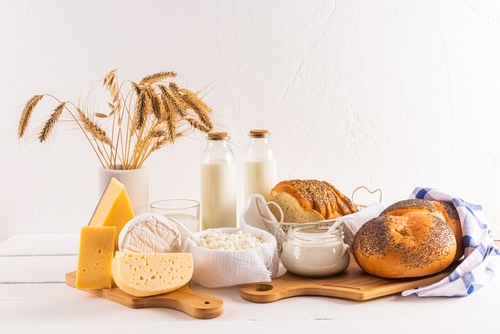
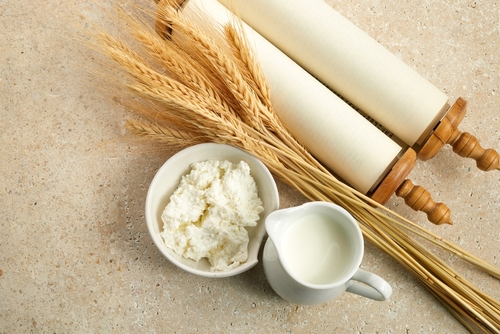
Food plays a special role in Shavuot. Unlike other festivals where meat is traditional, Shavuot is famous for dairy foods.
Families enjoy cheesecake, blintzes, and cheese pastries. This custom is highly symbolic. The Torah is often compared to “milk and honey,” representing nourishment and sweetness. Across the UK, families have adapted these traditions, making local cheesecake recipes a popular favourite during the holiday.
How Shavuot Is Celebrated in the UK
Jewish communities across the UK observe Shavuot with vibrant community spirit. Synagogue services and shared educational events are very common.
Families gather for shared meals and study sessions. You will find large and joyful celebrations in major Jewish hubs, including London, Manchester, Leeds, and Gateshead. In these areas, community centres and synagogues host extensive programmes for all ages.
Family and Community Life During Shavuot
Involving children is a major focus of Shavuot. Parents share stories, prepare festive foods together, and help children create floral decorations.
These shared activities are crucial for passing traditions down to younger generations. The social and communal aspects of the festival strengthen local bonds, providing a supportive environment for families to celebrate their faith safely and openly.
How Non-Jewish Readers Can Respectfully Engage
If you are not Jewish, learning about Shavuot is a wonderful way to show respect for your neighbours.
You can respectfully engage by taking the time to understand the festival’s meaning. If invited, attending open community or educational events is a great way to show support. Appreciate the traditions without oversimplifying them, and be mindful of religious observances. For example, many observant Jews will have work restrictions and will not use electronic devices during the festival.
Practical Tips for Observing Shavuot in the UK
For those celebrating, a little preparation ensures a smooth and meaningful festival.
Plan your meals in advance, ensuring you have plenty of delicious dairy options ready. Check your local synagogue times early so you can schedule your days. If you plan to participate in late-night study, rest beforehand. Finally, communicate with your employer or your children’s school well in advance to manage schedules around the festival days.
Frequently Asked Questions (FAQs)
Why does the date change each year?
The Jewish calendar is based on the lunar cycle, whereas the standard UK calendar is solar. This causes the dates of Jewish festivals to move slightly each year on the standard calendar.
Is Shavuot similar to Pentecost?
There is a historical connection. The Christian festival of Pentecost occurs around the same time and originally stems from the Greek name for Shavuot, which means “fiftieth day” after Passover. However, they celebrate entirely different religious events.
Why dairy foods specifically?
Dairy represents the nourishment of the Torah, which is likened to milk and honey. Additionally, historical texts suggest that before the dietary laws of Kosher meat were fully established at Mount Sinai, the people ate dairy.
Is it widely recognised in the UK?
While it is not a national public holiday, Shavuot is widely and deeply recognised within Jewish communities across the UK, particularly in areas like London and Manchester.
Embracing the Spirit of Shavuot in 2026
Shavuot offers a beautiful opportunity to focus on learning, community, and shared values. Preparing for the festival early helps you enjoy the traditions safely and confidently. Reach out to your local community centres or synagogues to find out what events are happening near you in 2026. Taking the time to plan your family meals and study sessions now will ensure a meaningful and joyous celebration.