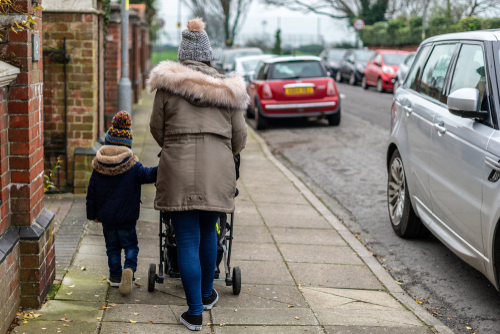
School mornings can feel chaotic. Getting everyone dressed, fed, and out the door on time is a daily challenge for many UK families. The thought of walking to school instead of driving might seem like an added pressure. However, trading the traffic for a morning walk brings surprising benefits to your child’s physical health and mental wellbeing.
Walk to School Week is an annual UK initiative designed to encourage families to leave the car at home. It offers a structured, supportive reason to try walking, scooting, or wheeling to the school gates. You do not have to commit to walking every single day of the year. This event is simply about giving active travel a try for just a few days.
By participating, you can help reduce dangerous traffic congestion around school gates while giving your child a healthy start to their day. This guide provides all the practical details, dates, and safety tips you need to confidently participate in Walk to School Week 2026.
When Is Walk to School Week 2026?
Walk to School Week traditionally takes place in mid-May. For 2026, the expected dates are Monday 18 May to Friday 22 May. These dates align with National Walking Month in the UK.
The event is organised by Living Streets, a prominent UK charity dedicated to everyday walking. It is aimed at primary schools, families, and local communities. You can confirm the exact dates and access resources on the official Living Streets website closer to the time.

What Is Walk to School Week?
This nationwide initiative promotes walking, wheeling, cycling, or scooting to school. The goal is to build healthier habits, reduce local traffic congestion, and encourage independence in children.
Many primary schools across the UK actively participate. Schools often use themed challenges, classroom activity packs, and daily reward systems to keep children engaged and motivated throughout the five days.
Why It Matters for UK Families
Walking to school delivers clear, immediate benefits for both families and the wider community.
Regular physical activity improves physical health and supports mental wellbeing. Children arrive at school feeling alert and ready to learn. Walking also helps build road safety awareness and independence in older children.
Environmentally, reducing the number of cars on the road lowers air pollution, which remains a major concern around UK schools. Socially, a morning walk provides uninterrupted time to talk with your child and build a calmer daily routine.
Common Barriers (and Realistic Solutions)
Many parents want to walk but face genuine logistical hurdles. Here are practical ways to overcome common concerns.
“We live too far away.”
Try ‘park and stride’. You can park your car ten minutes away from the school gates and walk the rest of the way. This still counts as active travel and avoids the worst of the school gate traffic.
“Mornings are too busy.”
Prepare bags, uniforms, and packed lunches the night before. If a whole week feels overwhelming, start small. Commit to walking just one or two days during the week.
“I have safety worries.”
Plan a safer route using quieter residential streets. Consider setting up a walking group with other local parents. Equip your children with high-visibility gear on darker, rainy mornings.

Practical Tips to Take Part
Preparation makes the transition to active travel much smoother.
Before the Week
Take time to plan your route on a weekend. Time the walk so you know exactly when you need to leave the house. Ask your children to help choose the best path to make them feel involved.
During the Week
Keep your routine flexible. If you run late one morning, do not panic. Make the journey fun by introducing simple games or spotting challenges. Focus on celebrating the progress you make.
Ideas to Make It Fun for Children
Children respond well to games and positive reinforcement. Try these simple ideas to keep them engaged:
- Play scavenger hunts. Ask them to spot specific road signs, car colours, or animals along the way.
- Use reward charts or stickers for each day they successfully walk to school.
- Arrange to walk with friends or neighbours.
- Create themed days, such as a “nature spotting day” or a “funny socks day”.
For Schools: How to Get Involved
Schools play a crucial role in the success of this initiative. Teachers and staff can sign up directly via the Living Streets website.
Once registered, schools receive official resources, classroom activity packs, and reward badges. Teachers can encourage class participation by tracking which class has the most active travellers each day. Clear communication with parents ahead of the week will ensure high participation rates.
Safety Tips for UK Roads
Safety is the top priority when navigating busy UK roads. Teach your child basic road awareness from an early age.
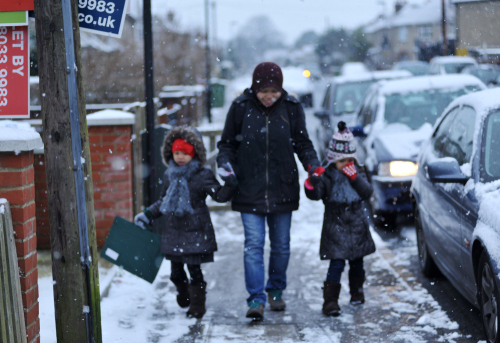
Practise the Green Cross Code together. Always stop, look, listen, and think before crossing. Use designated pedestrian crossings whenever possible. If you must walk in bad weather, ensure your child wears appropriate footwear and bright, reflective clothing to remain visible to drivers.
Alternatives to Walking
Walking is not the only way to participate. The initiative encourages all forms of active travel.
Scooting and cycling are excellent, fast alternatives for children. If you rely on public transport, getting off the bus one stop early and walking the rest of the way is a great compromise. Emphasise the effort of active travel rather than aiming for perfection.
Long-Term Benefits Beyond the Week
The main goal of Walk to School Week is to spark a lasting change.
Building active habits early in life sets children up for a healthier future. As they grow, they will develop the road sense and independence needed to navigate their local area safely. Fewer cars on the school run means cleaner air and safer streets for everyone in the community.
Frequently Asked Questions (FAQs)
What if we cannot walk every day?
That is completely fine. Walking for just one or two days is still a fantastic achievement. Every active journey helps reduce traffic and improves health.
Is it safe for younger children?
Yes, as long as they are accompanied by an adult and taught basic road safety. Choose quieter routes and hold hands near busy junctions.
Do schools require participation?
No, participation is entirely voluntary. Schools encourage it because of the positive benefits, but they understand that active travel is not possible for every family’s circumstances.
What should kids wear?
Children should wear their standard school uniform, paired with comfortable walking shoes or trainers. Keep a waterproof coat handy for unpredictable UK weather.
Quick Checklist for Parents
Use this simple checklist to prepare for a successful Walk to School Week:
- Plan and time your route
- Check the weather forecast
- Prepare school bags the night before
- Leave the house ten minutes earlier than usual
- Keep your expectations realistic
Take the First Step This May
Changing your morning routine takes effort, but the benefits of active travel make it worthwhile. You will help reduce school gate congestion, support the environment, and give your child a healthy start to their day.
Remember, this initiative is about manageable progress. Acknowledge the realities of your family’s schedule and do what you can. Even if you only manage to park and stride one morning, you are making a positive difference. Plan your route today, and look forward to a calmer, healthier school run this May.