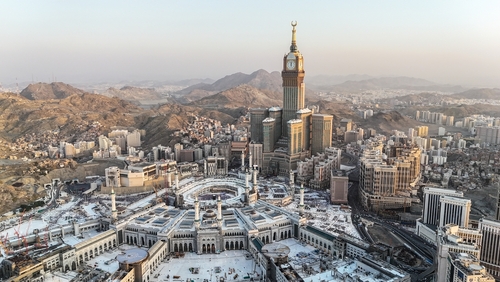
Every year, millions of Muslims from around the world gather in Mecca for Hajj. This profound spiritual journey is one of the Five Pillars of Islam. For those able to undertake it, Hajj is a required act of faith, devotion, and unity that offers a chance for profound personal renewal.
In 2026, the pilgrimage is expected to take place between the 26th and 31st of May, subject to the official sighting of the moon. For the diverse and vibrant Muslim communities across the United Kingdom, these dates mark a significant period of preparation, reflection, and community support.
Whether you are preparing for your own journey, supporting a family member, or simply looking to understand more about this essential Islamic practice, having clear information is helpful. This guide explains the meaning of Hajj, outlines the core rituals, and explores how the pilgrimage shapes daily life for Muslims in the UK.
When Is Hajj 2026?
Hajj takes place during Dhu al-Hijjah, the final month of the Islamic lunar calendar. Because the Islamic calendar is based on the cycles of the moon, the exact dates shift forward by about ten to twelve days each year on the Gregorian calendar.
For 2026, Hajj is expected to begin around the 26th of May and conclude around the 31st of May. Official confirmation of these dates will depend on the sighting of the moon closer to the time. It is worth noting that Hajj is not a public holiday in the UK. Many British Muslims will need to request annual leave from their employers well in advance to accommodate the travel and the rituals.
What Is Hajj?
Hajj is the annual Islamic pilgrimage to the holy city of Mecca in Saudi Arabia. It is a mandatory religious duty for all adult Muslims who are physically and financially capable of making the journey. This capability is known as ‘istita’ah’, and those who fulfil the conditions are called ‘mustati’.
The journey is an act of deep submission to God (Allah). It strips away markers of wealth, status, and nationality, leaving only a community of equals united in their faith. For many, it is the journey of a lifetime, offering a chance to seek forgiveness for past sins and start anew.
The Significance of Hajj
As one of the Five Pillars of Islam, Hajj holds immense spiritual weight. It is a time for devotion, humility, and reflection. The pilgrimage symbolises the unity of the global Muslim community, known as the Ummah.
When pilgrims arrive in Mecca, they all dress in simple white garments. This acts as a powerful reminder of human equality. Regardless of their background or bank balance, every person stands equal before God. The rituals also connect modern worshippers to the trials and triumphs of the Prophet Abraham (Ibrahim) and his family, reinforcing themes of patience, sacrifice, and absolute trust in divine guidance.
The Main Rituals of Hajj (Simplified)
The rituals of Hajj take place over five to six days. While the full process is highly detailed, the core steps include:
Entering a state of Ihram
Pilgrims enter a sacred state of purity known as Ihram. This involves wearing specific simple clothing—two unstitched white sheets for men, and modest, simple clothing for women—and adhering to strict rules of conduct, such as refraining from arguing or cutting hair.
Tawaf
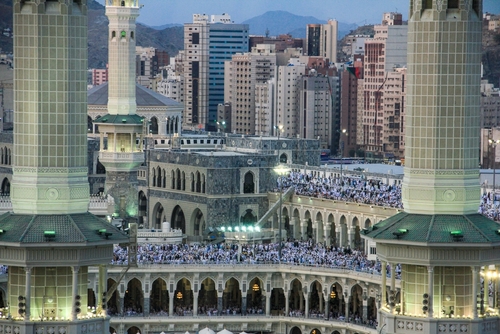
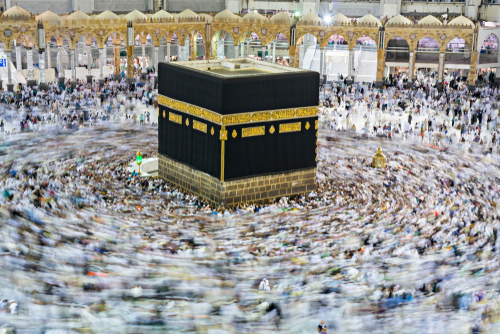
Upon arriving at the Grand Mosque in Mecca, pilgrims perform Tawaf. This involves walking around the Kaaba—the cube-shaped building at the centre of the mosque—seven times in an anti-clockwise direction.
Sa’i
Pilgrims then walk seven times between the hills of Safa and Marwah. This honours the story of Hagar (Hajar), the wife of Abraham, and her desperate search for water for her infant son, Ishmael (Ismail).
Standing at Arafat
On the ninth day of the Islamic month, pilgrims travel to the plains of Mount Arafat. They spend the entire day in earnest prayer and repentance. This is considered the spiritual core of Hajj; without it, the pilgrimage is invalid.
Muzdalifah and Mina
After sunset, pilgrims travel to Muzdalifah to gather pebbles, which they later use in Mina for the symbolic stoning of the devil (Rami). This represents rejecting temptation and reaffirming faith.
Hajj and Eid al-Adha
The conclusion of the main Hajj rituals coincides with Eid al-Adha, the Festival of Sacrifice. This is one of the two major Islamic holidays. It honours the willingness of the Prophet Abraham to sacrifice his son as an act of obedience to God, before God provided a ram to sacrifice instead.
In the UK, Muslims observe Eid al-Adha by attending special morning prayers at the mosque, sharing meals with family, and giving to charity. A key part of the festival is Qurbani, the act of donating money to provide meat for those in need around the world.
What Hajj Means for Muslims in the UK
For British Muslims, going on Hajj requires extensive logistical and financial preparation. The cost of travel, accommodation, and required visas can be substantial. Families often save for years to afford the approved Hajj packages required by the Saudi government.
The emotional significance is profound. Families and local communities often host gatherings to see off departing pilgrims and ask for their prayers. It is a collective milestone that brings neighbours and relatives together, offering emotional and practical support to those making the sacred journey.
Supporting Someone Going on Hajj
If you have a friend, colleague, or employee travelling for Hajj, offering your support makes a real difference. You can help by understanding the importance of their journey. Recognise that this is a physically demanding and spiritually intense period.
Before they leave, you might offer warm wishes. A common phrase is “Hajj Mubarak” (Have a blessed Hajj). During their absence, be mindful of their family members who remain in the UK, as they may appreciate extra support. Upon the pilgrim’s return, allow them time to rest and readjust, as the travel and the sheer scale of the crowds can be exhausting.
How Hajj Affects Daily Life in the UK
During the Hajj season, you will likely notice shifts in the daily routines of the UK Muslim community. Mosques frequently host educational seminars and special prayers for the departing pilgrims.
Schools and workplaces may receive an increased number of requests for time off around late May as families celebrate Eid al-Adha. Accommodating these requests helps foster an inclusive environment where colleagues and students feel respected and valued.
Frequently Asked Questions (FAQ)
Do all Muslims have to go on Hajj?
No. Hajj is only obligatory for adult Muslims who are physically healthy enough to endure the journey and financially stable enough to afford it while still providing for their dependents at home.
How much does it cost from the UK?
The cost of Hajj packages from the UK varies widely depending on the provider, the level of accommodation, and travel arrangements. Generally, packages can range from £6,000 to over £10,000 per person. All bookings must be made through the official Nusuk platform authorised by the Saudi government.
Can non-Muslims visit Mecca?
No. The city of Mecca, particularly the area surrounding the Grand Mosque, is strictly reserved for Muslims.
Why do the dates change every year?
The Islamic calendar is lunar, meaning it is based on the phases of the moon. A lunar year is roughly 11 days shorter than the standard Gregorian solar year. As a result, the dates for Hajj move forward by about 11 days each year.
Key Values Behind Hajj
The pilgrimage is built on several foundational values that resonate long after the journey ends:
- Equality: All pilgrims wear simple clothing, removing visible differences in wealth and social class.
- Patience and Discipline: The physical demands and the massive crowds require deep reserves of patience.
- Community and Unity: Millions of people from countless different backgrounds come together for a single shared purpose.
- Reflection and Personal Growth: The journey encourages introspection, repentance, and a commitment to living a better, more ethical life.
Quick Overview Checklist
If you want to keep the essentials in mind for Hajj 2026, use this quick checklist:
- Know the dates: Expected around 26–31 May 2026.
- Understand the purpose: A mandatory, once-in-a-lifetime pilgrimage for capable Muslims.
- Respect religious significance: Acknowledge the deep spiritual importance for friends and colleagues.
- Be mindful during the Eid period: Be supportive of requests for annual leave during Eid al-Adha.
A Journey of a Lifetime
Hajj is a deeply meaningful spiritual milestone that shapes the lives of millions of Muslims, including those living in the UK. By understanding the dates, the rituals, and the profound meaning behind the pilgrimage, we can better support our friends, neighbours, and colleagues during this special time. Recognising the importance of Hajj fosters a more inclusive, respectful, and connected community for everyone.