

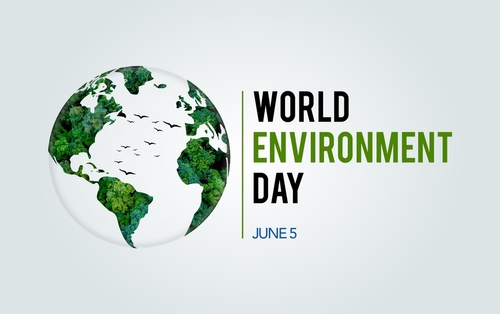
Taking care of our planet is a shared responsibility, and every year, we have a global reminder of why it matters. World Environment Day is a worldwide event dedicated to protecting nature, reducing pollution, and promoting sustainable living. It brings together people, businesses, and governments to focus on the health of our environment.
Observed annually, this day highlights urgent environmental issues. In 2026, topics like climate change, plastic pollution, and biodiversity are more critical than ever. Whether you are planting a tree, reducing household waste, or supporting eco-friendly businesses, small actions add up to meaningful change.
In this guide, we will explore the history of World Environment Day, its ongoing importance in 2026, and straightforward ways you can get involved and help protect the planet.
What Is World Environment Day?
World Environment Day is a global event designed to inspire awareness and action for the protection of our environment. It serves as a call to action for individuals and communities to rethink their habits and make sustainable choices.
The Purpose of World Environment Day
The primary goal of this day is to encourage environmental protection and sustainability. It raises awareness about global environmental challenges and inspires action at local and global levels. By focusing on education and community involvement, the day helps people understand how their daily choices impact the earth.
When World Environment Day Is Celebrated
World Environment Day is observed annually on June 5. Around this date, communities worldwide host campaigns, educational programs, and events. These activities range from local park cleanups to international policy discussions.

The History of World Environment Day
Understanding the history of this observance helps us appreciate its global impact. It began as a coordinated effort to address growing environmental concerns.
How World Environment Day Began
World Environment Day was established by the United Nations in 1972. Its origins are connected to the Stockholm Conference on the Human Environment, which marked a turning point in international environmental politics. This conference established the United Nations Environment Programme (UNEP) and set the stage for coordinated global environmental action.
Growth Into a Global Movement
Since 1972, the event has seen participation from countries around the world. It has grown into a massive global movement. Today, the day sees expansion into schools, nonprofits, businesses, and communities, making it one of the largest platforms for environmental outreach.
Annual Themes and Host Countries
Every year, the United Nations selects a specific theme and a host country for the event. This highlights the importance of yearly environmental focus areas. Examples of past campaign themes include “Beat Plastic Pollution” and “Ecosystem Restoration,” bringing attention to different aspects of environmental health.
Major Environmental Issues in 2026
The world faces several critical environmental challenges in 2026. Addressing these issues requires awareness and coordinated effort.
Climate Change and Extreme Weather
Climate change continues to be a pressing issue. Rising temperatures and their environmental impact lead to more frequent extreme weather events. The importance of emissions reduction and building community resilience is a major focus for environmental advocates.
Plastic Pollution and Waste Management
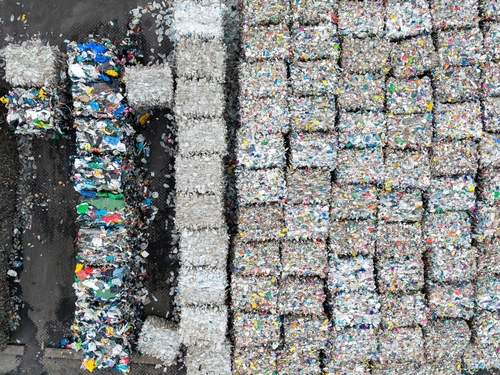
Our oceans and landscapes are burdened by plastic waste. Single-use plastics and recycling challenges make waste management a significant concern. Community cleanup efforts and strict waste reduction practices are essential steps toward solving this problem.
Biodiversity and Wildlife Conservation
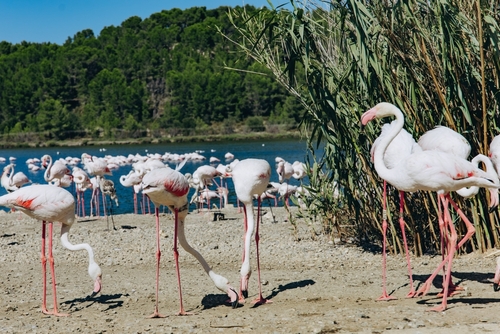
Healthy ecosystems rely on plant and animal diversity. Habitat protection and endangered species concerns are central to preserving biodiversity. Protecting these habitats ensures the survival of countless species and the stability of our natural resources.
Air and Water Quality
Clean air and water are fundamental to life. The importance of clean natural resources for public health cannot be overstated. Reducing industrial pollution and protecting waterways are vital for healthy communities.
Why Environmental Awareness Matters
Being aware of environmental issues is the first step toward positive change. It affects everything from our health to our economy.
Impact on Public Health
A clean environment directly supports human well-being. Air quality, clean water, and safe food systems are essential for public health. Reducing pollution helps prevent respiratory diseases and other health problems.
Economic and Community Effects
Environmental health is closely tied to economic stability. Sustainability and long-term economic stability depend on how we manage our resources. Environmental degradation has a severe impact on agriculture and infrastructure, making conservation a practical economic strategy.
Responsibility for Future Generations
We must leave a healthy planet for those who come after us. Conservation and sustainable living practices ensure that future generations have access to clean air, water, and resources.

How World Environment Day Is Celebrated
People celebrate this day in many different ways. Communities come together to make a visible impact.
Community Cleanup Events
One of the most common ways to participate is by joining local cleanups. Park, beach, and neighborhood cleanups help remove trash and restore local habitats.
Educational Campaigns and School Programs
Education is key to lasting change. Schools often host sustainability lessons and environmental workshops. These programs teach students the value of conservation early on.
Tree Planting and Conservation Projects
Restoring nature is a powerful way to celebrate. Local environmental restoration efforts, such as tree planting, help combat deforestation and improve local air quality.
Social Media and Digital Awareness Campaigns
The internet plays a big role in spreading the message. Online advocacy and eco-friendly challenges encourage people to share their sustainable habits and inspire others to do the same.

Ways to Participate in World Environment Day 2026
You do not need to make massive lifestyle changes to help the environment. Small, consistent actions make a difference.
Reduce Waste at Home
Start by looking at what you throw away. Recycling, composting, and using reusable products are simple ways to reduce your household waste.
Conserve Energy and Water
Being mindful of resource use is easy and effective. Practical sustainability habits for households include turning off lights when not in use, taking shorter showers, and fixing leaks promptly.
Support Environmentally Responsible Businesses
Where you spend your money matters. Sustainable shopping and ethical consumer choices encourage companies to adopt greener practices. Look for brands that use eco-friendly packaging and responsible sourcing.
Spend More Time Outdoors
Connecting with nature fosters a desire to protect it. Building appreciation for nature and conservation often begins with simply spending more time outside in parks and natural reserves.
Volunteer With Local Environmental Organizations
Consider giving your time to a good cause. Community action and advocacy opportunities allow you to work directly with groups dedicated to environmental protection.
Sustainability Trends and Environmental Conversations in 2026
The conversation around the environment is always evolving. Here are some key trends shaping the discussion in 2026.
Growth of Renewable Energy
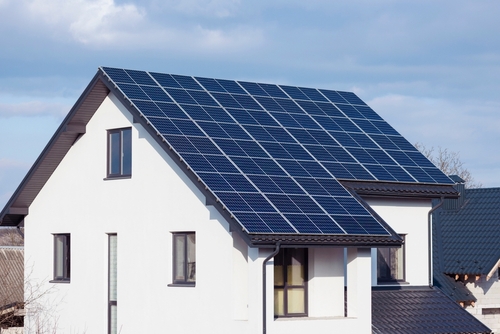
The shift away from fossil fuels is accelerating. Solar, wind, and clean energy investments are growing rapidly, providing sustainable power alternatives.
Consumer Demand for Sustainable Products
Shoppers are asking for better options. Eco-friendly packaging and ethical sourcing are becoming standard expectations rather than niche preferences.
Corporate Sustainability Initiatives
Businesses are taking their environmental impact seriously. Environmental responsibility and transparent reporting help hold corporations accountable for their carbon footprints.
Technology and Environmental Innovation
New tools are helping us manage resources better. Smart agriculture, electric vehicles, and green technology are transforming how we interact with the environment.
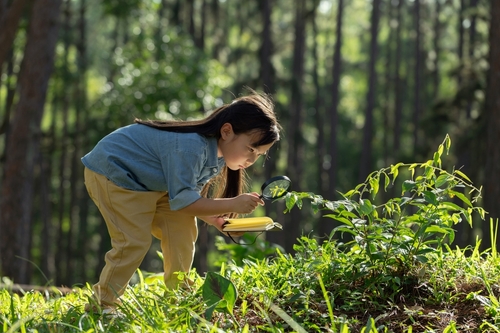
Environmental Education for Families and Schools
Teaching the next generation about the environment is crucial. Schools and families play a vital role in building sustainable habits.
Teaching Children About Sustainability
Start conversations early. Teaching age-appropriate eco-friendly habits, like turning off the tap while brushing teeth or sorting recycling, helps kids understand their impact.
School Environmental Projects
Schools provide a great environment for hands-on learning. Recycling drives and conservation programs allow students to actively participate in protecting their surroundings.
Encouraging Community Involvement
Families can make a bigger impact together. Family volunteer opportunities and local engagement projects help reinforce the importance of environmental stewardship.
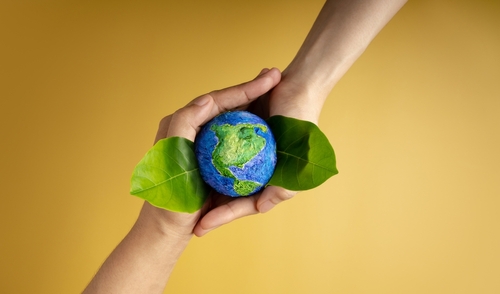
Why World Environment Day Still Matters
Decades after its creation, World Environment Day remains highly relevant.
Encouraging Global Cooperation
Environmental issues do not respect borders. The day promotes a shared responsibility for environmental protection, encouraging countries to work together.
Inspiring Everyday Action
Awareness leads to action. The observance highlights small habits that collectively create change, proving that individual choices matter.
Protecting Natural Resources for the Future
Ultimately, this day is about preservation. The long-term importance of conservation and sustainability ensures that the earth remains habitable and healthy for years to come.
Frequently Asked Questions (FAQs)
When is World Environment Day 2026?
World Environment Day 2026 is observed on June 5.
What is World Environment Day?
World Environment Day is a global event that promotes environmental awareness and encourages action to protect the planet.
Who created World Environment Day?
The United Nations established World Environment Day in 1972.
Why is World Environment Day important?
The observance raises awareness about environmental issues such as climate change, pollution, conservation, and sustainability.
How do people celebrate World Environment Day?
People participate through cleanups, tree planting, educational programs, recycling efforts, and sustainability campaigns.
What are some easy ways to help the environment?
Simple actions include reducing waste, recycling, conserving water and energy, and supporting sustainable products and businesses.
What is the theme for World Environment Day 2026?
The official annual theme is typically announced by the United Nations closer to the event date.
How can schools participate in World Environment Day?
Schools can organize environmental lessons, recycling drives, gardening projects, and community cleanup activities.



