


Every year on June 3, communities around the globe come together to observe World Bicycle Day. This event highlights the bicycle as a simple, affordable, and reliable mode of transportation. Whether you use a bike to commute to work, stay fit, or simply enjoy the outdoors, cycling offers a practical way to navigate daily life.
The global significance of bicycles cannot be understated. Bicycles provide essential mobility for millions of people, helping them access education, healthcare, and economic opportunities. At the same time, cycling promotes physical and mental well-being while protecting the environment from harmful emissions.
Cycling continues to grow in popularity across the United States and worldwide. Cities are building better infrastructure, and more people are discovering the joy of riding. Observing World Bicycle Day in 2026 remains an important way to recognize these benefits. It reminds us that a simple, two-wheeled vehicle can drive positive change in our communities.
What Is World Bicycle Day?
World Bicycle Day is a global event that recognizes the versatility and longevity of the bicycle. It brings people together to celebrate cycling and advocate for safer riding conditions.
The Purpose of World Bicycle Day
The primary goal of this day is to promote the bicycle as an affordable and sustainable form of transportation. Bicycles require no fuel, produce no emissions, and cost very little to maintain. The observance also encourages healthier lifestyles by promoting outdoor activity. Furthermore, it raises awareness about the environmental benefits of choosing a bike over a car.
When World Bicycle Day Is Celebrated
World Bicycle Day is observed annually on June 3. On this day, international participation takes many forms. Communities organize group rides, launch safety campaigns, and host educational events to encourage more people to start riding.

The History of World Bicycle Day
The bicycle has been a vital part of human transportation for over two centuries. Recognizing its impact took a united global effort.
How World Bicycle Day Began
The United Nations officially recognized the bicycle’s global impact by declaring World Bicycle Day in 2018. This declaration followed years of advocacy efforts from cycling enthusiasts, environmentalists, and social advocates. They worked hard to ensure the world acknowledged the bicycle as a tool for sustainable development.
Why Bicycles Matter Globally
Bicycles offer unmatched accessibility and affordability. In many parts of the world, a bicycle is the only viable means of transportation. This simple machine plays a critical role in providing access to education and economic opportunities. It empowers individuals by giving them the freedom to travel safely and efficiently.
Growth of Cycling Culture in the US
The United States has seen a steady expansion of bike-friendly cities and trails. Local governments are investing in infrastructure to make riding safer. Because of these changes, there is an increased interest in commuting by bike and participating in recreational cycling.
Health Benefits of Riding a Bicycle
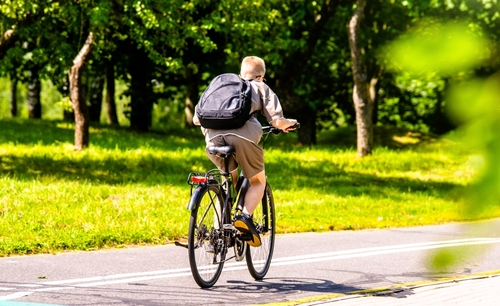
Cycling is an excellent way to improve your physical and mental health. It is accessible to people of almost all fitness levels.
Cardiovascular and Physical Fitness Benefits
Riding a bike provides a strong cardiovascular workout. It improves endurance, builds muscle strength, and increases joint mobility. Because it is a low-impact exercise, cycling is suitable for different age groups and minimizes the risk of joint injuries.
Mental Health and Stress Reduction
Physical activity directly impacts how you feel. Cycling outdoors can significantly improve your mood and reduce stress. Engaging in an active lifestyle helps clear the mind and offers a healthy escape from daily pressures.
Cycling as Part of Daily Wellness
Integrating cycling into your routine is easy. You can ride your bike while commuting to work, running local errands, or spending time with family. Building these habits encourages long-term health and wellness.

Environmental Benefits of Cycling
Choosing to ride a bike is one of the most effective ways to reduce your environmental footprint.
Reducing Carbon Emissions
Bicycles are an excellent alternative to gas-powered transportation. Every mile you ride instead of driving keeps harmful carbon emissions out of the atmosphere. This translates to a significantly lower environmental impact.
Supporting Sustainable Cities
More bicycles on the road mean fewer cars, which leads to reduced traffic congestion. Supporting sustainable cities requires a focus on bike lanes and dedicated cycling infrastructure. Safe paths encourage more people to leave their cars at home.
Promoting Cleaner Communities
When communities prioritize cycling, air quality improves. Fewer exhaust fumes lead to cleaner air and better respiratory health for everyone. These urban sustainability benefits make cities more livable and enjoyable.

How World Bicycle Day Is Celebrated
People all over the world celebrate World Bicycle Day in creative and meaningful ways.
Community Bike Rides and Events
Many cities host charity rides, group rides, and local festivals. These events often feature family-friendly cycling activities, making it easy for riders of all ages to participate.
Educational Campaigns and Safety Programs
Education is a key component of the observance. Organizations run bicycle safety awareness programs and emphasize the importance of helmet education. School and community initiatives help teach new riders how to navigate roads safely.
Social Media and Online Participation
Digital celebrations are just as important. People share their personal cycling stories and support advocacy campaigns online. Social media is a great place to promote biking challenges and track personal fitness goals.
Bike Advocacy and Infrastructure Discussions
World Bicycle Day sparks vital conversations around safer streets. Advocates use this time to push for improved accessibility and better infrastructure in their communities.
Bicycle Safety Tips for Riders
Safety should always be your top priority when riding a bicycle. Following basic safety rules ensures you get to your destination securely.
Wearing Proper Safety Gear
Always wear a properly fitted helmet to protect your head. Visibility equipment, such as bright clothing and reflective vests, ensures that drivers can see you clearly.
Following Traffic Laws and Signals
Bicycles are considered vehicles on the road. You must obey all traffic laws, including stop signs and red lights. Sharing the road safely requires mutual respect between cyclists, drivers, and pedestrians.
Maintaining Your Bicycle
A well-maintained bike is a safe bike. Before you ride, check your tire pressure and test your brakes. Ensure your lights are working properly and perform regular maintenance checks to prevent accidents.
Safe Riding Practices for Children and Families
Children need proper supervision when learning to ride. Provide age-appropriate safety education so they understand how to navigate their surroundings securely.

Ways to Celebrate World Bicycle Day 2026
You can easily participate in World Bicycle Day 2026. Here are a few ways to get involved.
Ride Your Bike More Often
Commit to commuting to work by bike or simply enjoy a recreational ride around your neighborhood. Every pedal stroke counts.
Explore Local Bike Trails and Parks
Take advantage of outdoor recreation opportunities in your community. Exploring local bike trails is a great way to discover new areas and enjoy nature.
Support Bicycle Advocacy Organizations
Consider donating to local nonprofits or volunteering for cycling initiatives. These groups work tirelessly to make cycling safer and more accessible for everyone.
Donate or Recycle Used Bicycles
If you have an old bike you no longer use, donate it. Recycling used bicycles supports access to transportation for underserved communities and gives a bike a second life.
Cycling Trends and Conversations in 2026
The world of cycling is constantly evolving. In 2026, several key trends are shaping the future of mobility.
Growth of E-Bikes and Urban Mobility
Electric bicycles continue to surge in popularity. E-bikes make commuting easier and expand accessibility for people who may struggle with traditional pedaling.
Expansion of Bike-Friendly Cities
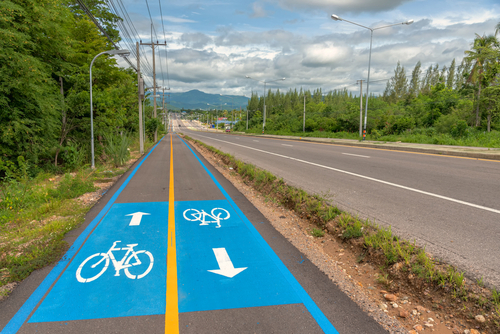
Urban planners are making significant investments in protected bike lanes. This focus on infrastructure makes cities safer and more welcoming for daily riders.
Sustainability and Climate Awareness
As climate awareness grows, more people view cycling as an essential part of an eco-conscious lifestyle. Riding a bike is a tangible way to take personal climate action.
Technology and Smart Cycling Gear
Technology is improving the riding experience. GPS tracking, smart helmets, and connected fitness apps help cyclists stay safe, track their progress, and navigate unfamiliar routes.

Why World Bicycle Day Still Matters
World Bicycle Day is more than just a date on the calendar. It is a call to action to improve our health, our cities, and our planet.
Encouraging Healthy and Active Communities
Cycling offers long-term wellness and recreation benefits. By prioritizing bicycles, we build healthier, more active communities where everyone has the opportunity to thrive.
Supporting Sustainable Transportation
Reducing our environmental impact starts with the choices we make every day. Choosing to ride a bike directly supports sustainable transportation and protects the environment.
Making Transportation More Accessible
Bicycles offer mobility and freedom. The affordability of cycling creates significant advantages worldwide, ensuring that transportation remains accessible to people from all walks of life. Consider grabbing your helmet, checking your tires, and taking a ride today.
Frequently Asked Questions (FAQs)
When is World Bicycle Day 2026?
World Bicycle Day 2026 is celebrated on June 3.
What is World Bicycle Day?
World Bicycle Day is an international observance that promotes the benefits of cycling for health, transportation, and sustainability.
Who created World Bicycle Day?
The United Nations officially recognized World Bicycle Day in 2018.
Why are bicycles important?
Bicycles provide affordable transportation, support physical fitness, reduce pollution, and promote sustainable communities.
How do people celebrate World Bicycle Day?
People celebrate through bike rides, community events, safety programs, advocacy campaigns, and outdoor activities.
What are the health benefits of cycling?
Cycling can improve cardiovascular health, strengthen muscles, reduce stress, and support overall wellness.
Are electric bikes included in World Bicycle Day celebrations?
Yes, e-bikes are often included as part of conversations about accessible and sustainable transportation.
How can communities become more bike-friendly?
Communities can invest in bike lanes, trails, safety education, bike parking, and infrastructure that supports cyclists.



