

Key Highlights
-
A Ugandan wedding is for the people to come together. It starts with the “Kwanjula” or the introduction ceremony.
-
Families are very important. The groom’s family goes to the bride’s family and asks for permission to marry her.
-
The bride price is given as a thank you to the bride’s family. It can be cattle or money.
-
Wedding traditions are different in Uganda. Places like the Buganda Kingdom and the Ankole people each do things in their own ways.
-
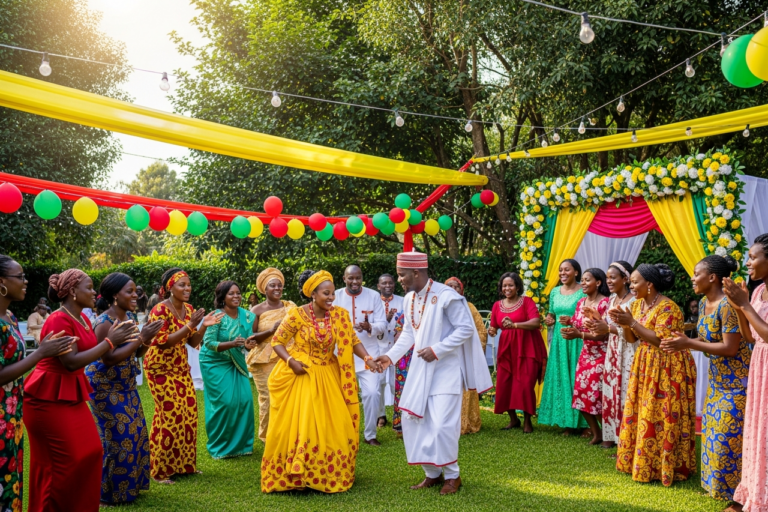
Celebrations are big and lively. People enjoy the music, dancing, the clothes, and the food. This shows the cultural heritage.
-
Elders help guide the ceremonies. They make sure rituals are done right and they give their blessings to the couple.
Introduction
Welcome to the lively world of the Ugandan wedding. In the heart of East Africa, the country known as the “Pearl of Africa” has many different cultures. You can really see this mix at a wedding ceremony. A wedding in Uganda is not just about the couple getting married. It is a happy time that brings together families and whole communities. Do you want to know what makes a Ugandan wedding special? Let’s find out more about these lovely and important celebrations.
Overview of Ugandan Wedding Traditions
Ugandan cultures are very different from each other, and so, their wedding traditions are too. Many couples now choose church weddings, but the traditional wedding is still a big part of how people get married. These events have special ways of doing things that the old people taught the young ones.
There are talks between families, and everyone has a good time when they get together. Every part of it has its own meaning. These wedding traditions help families be close. They also show the strong cultural heritage in all parts of Uganda. We will look at some of the steps and see what makes these traditional wedding events stand out.
Cultural Importance of Marriage in Uganda
In Ugandan communities, marriage is looked at as a big step in life. It is important to the people because it means more than two people coming together. It is about joining two families and sometimes two clans. This event can help the couple get more respect in their group and make family ties stronger.
Marriage is often seen as the start of a new family. This is the way families keep their line going, and they hold on to their cultural heritage too. Because of this, both families take part right from the start. They work to make sure everything is right and that all the old ways are followed.
The importance of family and the group is why both families must say yes to the union. People see marriage as telling the world they now have new jobs. The husband should provide for and lead his family. The wife takes care of the home and the kids.
This keeps tradition alive and helps hold the community together. It shows how building a new family is important to guard cultural heritage and social status in Ugandan communities.
Diversity of Ugandan Wedding Customs Across Regions
Uganda is a country with many cultures. The wedding traditions can change a lot from one place to another. Each ethnic group has its own way of doing things that makes its ceremonies special. This mix shows off the nation’s deep history.
For example, the wedding traditions in Central Uganda with the Baganda people are not the same as those in the west, north, or east. The meaning of each custom, the type of bride price, and how people celebrate can all be different.
Here’s a quick look at some important regions and their own wedding traditions:
-
Central Uganda: This is home to the Buganda Kingdom. The people here have an introduction ceremony called Kwanjula that is very important.
-
Western Uganda: The Ankole people care a lot about cattle. They play a big part in the bride price talks.
-
Northern Uganda: People like the Acholi do their own pre-wedding customs and special dances.
-
Southwestern Uganda: Here, unique customs mix local ideas with other Ugandan wedding traditions.
Pre-Wedding Preparations
The journey to a Ugandan wedding starts well before the big day. There are a few key steps to follow before the celebrations begin. These moments be very important to bring the bride’s family and the groom’s family together. The two families talk about a lot of things to make sure all goes well.
The introduction ceremony is one of the important steps. Talking about the bride price is another big part of these plans. Many family members from both sides take part in these events. They have deep meaning and be a big part of the ugandan wedding. They help set up the formal marriage, and show respect for both families. Now, let’s talk about what each family does and why these ceremonies matter so much.
Role of Families in Arranging Traditional Ceremonies
Families play a big part in any traditional Ugandan wedding. The groom’s family and the bride’s family have to come together and work as a team. At the start, the groom’s family lets the bride’s family know what they want.
Once the bride’s family agrees to this, family members from both sides check on each other. They want to be sure the families are right for one another and that they are not from the same clan. The extended family is involved, too. They help with advice, give support, and put in money to help pay for the ceremonies.
Elders in the family are very important. They speak for the families and help with talks. Their knowledge of tradition makes sure that rules are followed right. This helps set up a strong and respectful relationship between the bride’s family and groom’s family from the start.
The Introduction Ceremony (Kwanjula) and Its Significance
The Kwanjula, also called the introduction ceremony, is a big part of a Ugandan wedding. On this day, the groom’s side goes to the bride’s home. They come to be shown to the bride’s family in a formal way. There will be a lot of energy, talk, gifts, and cultural music or dances.
In a traditional introduction ceremony, the groom’s group comes with a person who speaks for them. They ask the bride’s family if the man can marry their daughter. The bride’s family is the host. They use this chance to meet the man who wants to marry their daughter and to get to know his family.
This introduction ceremony matters a lot. It gives the official “yes” from the bride’s family. The couple can only plan a church wedding or any other marriage plans after a good Kwanjula. This day brings the two families together. It also tells everyone, in public, that the bride and groom want to marry each other.
Bride Price: Custom, Meaning, and Negotiation Process
The bride price is an old custom in marriages in Uganda. Many people do not fully understand it. The bride price is not a payment for the bride. It is meant to be a sign of respect from the groom’s side to the bride’s parents. The point is to thank them for raising their daughter and to show respect for what the family has given.
The negotiation process is very important at the introduction ceremony. The bride’s father and older family members talk to the groom’s family. They talk about what the groom’s family will give. How much and what is given depends on the culture and what the family members want or expect.
This tradition is an important sign of the groom’s commitment. It also shows he will take care of his wife. In western uganda, cattle are popular as bride price. Other common things people give are goats, chicken, money, or other gifts for family members.
Wedding Rituals by Region
Uganda is known for its many cultures, and this can be seen in the wedding traditions across the country. The way people celebrate weddings in Northern Uganda is not the same as how it is done in Central Uganda. The Buganda Kingdom, which is in Central Uganda, has its own special and detailed wedding ceremonies. These stand out when you look at what goes on in other places.
These differences in wedding traditions show what makes each ethnic group special. Every group has its own past and values, and you can see that in the rituals they do. When you learn about how wedding traditions change from one place to another, you get a better idea about the many cultures in Uganda. Here are a few good examples from the different regions that show these traditions.
Buganda Wedding Traditions and Practices
In Central Uganda, the customs of the Buganda Kingdom play a big role in marriage. The main event is called the Kwanjula, which means traditional introduction. At this event, the groom’s family goes to the bride’s family and asks for her hand in marriage.
During the Kwanjula, there are talks about the bride price. The two families give each other gifts. They take part in planned rituals, make speeches, and give presentations. People known for their speaking skills lead the ceremony. They use jokes and wise sayings to help with the talks.
This event is also a time to show off Buganda culture. People wear traditional attire from the Buganda Kingdom. The bride appears in several different outfits, and each one means something special. When the Kwanjula ends, the couple is seen by the community as almost married, even before they have a religious ceremony.
Ankole Wedding Customs: Unique Elements
In Western Uganda, the Ankole people have wedding customs that are deeply tied to their pastoralist heritage. The central feature of an Ankole traditional wedding is the immense value placed on cattle, which are a symbol of wealth and status.
A go-between, known as the katerarume, is essential in the marriage process. This respected individual bridges the communication between the groom’s and bride’s families, initiating talks and negotiating the bride price, which prominently features cows. The groom must demonstrate his ability to care for the bride by providing a substantial number of cattle.
The formal giveaway ceremony is called Kuhingira. After this event, the bride is escorted to the groom’s home by a group called the enshagarizi. A unique, though now rare, historical practice involved the bride’s aunt confirming the groom’s virility to ensure he could provide for his wife’s needs.
|
Stage |
Description |
|---|---|
|
Katerarume |
A respected intermediary who handles negotiations between families. |
|
Bride Price Negotiation |
Focuses heavily on the number of cattle the groom can provide. |
|
Kuhingira |
The official giveaway ceremony hosted by the bride’s family. |
|
Enshagarizi |
The group that escorts the bride to her new home after the Kuhingira. |
Comparison with Acholi, Basoga, and Karamoja Rituals
While the Buganda and Ankole each have their own ways of doing things, the people in other places in Uganda have wedding rituals that stand out too. Up in northern Uganda, the Acholi have practices that are not like those seen in the central or western parts.
You can see this in the Basoga who live in the east and among the Karamoja folk who are up in the northeast. The good thing about these traditions is that stories and ways from many years are still used. For example, the Karamojong might want a man to show his strength and that he can be there for and protect his own by doing some brave acts.
Here are a few points to show how things are different:
-
Acholi: The groom’s family gives gifts like spears, goats, or things for cooking as part of their traditional rituals.
-
Basoga: At their introduction ceremony, there is a person who speaks for both sides. It’s a big and happy time as the families join together.
-
Karamoja: Marriage here often is about how a man acts as a fighter and person who looks after people, fitting their way of life from year to year.
Each group changes little things to fit what works for them. These unique traditions in northern Uganda and other regions show how important family, their stories, and wedding celebrations are to the people.
Traditional Wedding Day Celebrations
The wedding day is when all the planning and talks come together. This is the big day full of happiness and fun. It is not only important for the couple, but for all the people around them. The whole ceremony shows the culture, love, and unity of the families and friends.
On this big day, families and friends come together to see the couple join as one. They share the joy and take part in the fun. You can feel the energy of music, dancing, and feasting in the air. Let’s look at what people do and how the community helps during the wedding day to make the whole ceremony so special.
Ceremonial Acts and Symbolic Rituals
A Ugandan wedding ceremony has many acts and traditional rituals that mean to bring good fortune to the couple. These parts of the ceremony tie the past to the present and help bless the couple for their future together. The acts are not for show. They have strong meaning and help make a new family.
At many Ugandan weddings, there is a part where the couple shares food or a drink. This shows unity and that they are starting a new life together. In some places, elders might offer blessings by putting herbs or water on the couple. This means they want the couple to be clean and ready for a good future.
These traditional rituals can change from one area to another, but they often have:
-
The groom getting a warm welcome and being accepted by the bride’s family.
-
The bride being “given away” by her father or a male relative.
-
The couple sharing or getting special gifts that have meaning for their new life.
-
The elders saying prayers and giving good words for the couple to start well.
At every wedding ceremony, these acts help join two people and bring together two families. It is a time to look forward to new things and hope for a happy, strong union for many years.
Elders’ Contributions and Their Influence on Ceremonies
Elders and clan leaders hold a big place in Ugandan weddings. They protect the customs and guide the whole event. Their help and knowledge are not only respected, but also important for the wedding to be seen as real. The ceremony would not be right without them. They make sure every tradition is done the right way, starting from talks before the wedding all the way to the last party.
At the wedding, elders from both the groom’s family and the bride’s family members do important jobs. They often speak for each side. They share what they know and use proverbs to help work through tough talks, like about the bride price. The wedding can only go on once they have given their approval and blessing.
But they do more than official things. Elders also bring a sense of calm and respect to the day. Their strong role makes sure this is not just a party. It is a special moment that honors the couple’s cultural heritage. It also brings the extended family closer and helps connect everyone to old beliefs and ways.
Community Involvement and Collective Celebration
In Uganda, a wedding is almost never just something between two people. It is a time when the whole community comes together. This is true, especially in rural areas. People say, “it takes a village,” and you really see it here. Neighbors and friends do more than just show up. They get involved and help make the day special.
The community does a lot, not just by being there but by lending a hand. Many folks help cook the food for the big meal, and some help set up the place. The cost of a wedding can be high, so guests often give money or bring gifts to help the couple. This is a way for them to show support.
Having the community involved makes the day important for everyone. Some main ways people help out are:
-
Neighbors and friends come together to help with making and serving the food.
-
People from the community may give money to help cover the cost of a wedding.
-
Everyone joins in with music, dance, and other parts of the party.
-
The group of community shows up to witness the marriage, making sure it means a lot to all.
This is why weddings in Uganda are not just for the couple. They are for all the people, making sure everyone feels good and part of the event.
Music, Dance, and Entertainment
What is a wedding day without music and dance? In Ugandan cultures, these are at the heart of every wedding day. You will hear traditional drums, and that sound brings all people out to the dance floor. Music is not just something playing at the back. It is an important part of the event.
At a Ugandan wedding, the fun you see is full of color, joy, and pride in Ugandan cultures. People sing certain songs that share stories, and lively dancers show off moves on the dance floor. The music, dance, and stories are what make these wedding days special. Let’s look at the songs and dances and see why they matter so much.
Popular Songs and Traditional Drumming
Music plays a big part in a traditional Ugandan wedding. It helps create a happy and bright mood. People hear both new and old songs during the whole celebration. The songs are about love for the new couple, good tips for their life, and praise for their families.
Traditional drumming is also an important part that people do not want to miss. There are many drum beats and rhythms at a Ugandan wedding. These sounds can tell you when something special will happen at the ceremony. The drums also welcome special guests, or they invite all the people to get up and dance on the dance floor. The drum beats are strong, and you can really feel them at the center of the event.
Here are some musical parts you will find at this kind of party:
-
Live bands playing local hit songs.
-
Choirs singing old songs or songs from church.
-
The special drum rhythms from the local area.
-
Certain songs that people play for when the bride or the groom shows up.
You can see that music is at the heart of every traditional Ugandan wedding. It brings people together and gives life to the whole day.
Types of Dance Performed During Weddings
Dance is an important part of the fun at a traditional wedding in Uganda. Every region and ethnic group in the country has its own way to move. They feel proud to show these styles at big wedding parties. The dances are not just about having a good time. People use the dance to tell stories and share what matters to their culture.
In Central Uganda, you will often see dances from the Buganda Kingdom. These shows look smooth and special. The dancers wear traditional attire, making the show even better for people to look at. The dances can be about a good year for crops or how pretty and loved the bride is.
Here are some dances people love to see:
-
The Bakisimba, which comes from the Buganda Kingdom.
-
The Ekitaguriro, a dance with smooth moves, from the Ankole people of Western Uganda.
-
The Larakaraka, a dance about finding love, which is popular in northern Uganda among the Acholi people.
-
Dances are also tied to the bride’s and groom’s own ethnic group and region.
Dancing brings everyone together at a traditional wedding in Uganda, no matter where they are from.
Significance of Music and Performance at Ugandan Marriages
At a Ugandan wedding, music and dance are more than just a form of fun. They are a key part of the cultural heritage that everyone is there to honor. These songs and dances help bring together the bride’s side and the groom’s party. The whole group can share in the joy and excitement.
People in these events use music and movement to tell stories and share wisdom. These actions also keep community values alive. When the groom’s party gets there, a certain song may play just for them. When the bride arrives, her own set of songs and performances begins. Each step of the way is marked by a special sound or dance.
In the end, music and dance let Ugandan cultures show what this time means for them. This makes the wedding more than just a ceremony. It becomes a bright and living way to honor love, family, and tradition.
Wedding Attire and Food
No wedding party is finished without great clothes and good food, and this is true for Ugandan weddings too. The couple and the guests often wear beautiful traditional attire that show off bright colors and great style. These clothes sometimes show where people come from in Uganda. Some couples choose white gowns and a suit jacket. Many others wear clothes that follow the old ways.
The wedding meal is also very important. It includes many traditional dishes people love. The food is not only about eating. It is also a big part of the culture. Let’s see what people usually wear and eat at these happy events.
Dress Styles for Brides and Grooms
On their wedding day, Ugandan couples get to pick from many clothing options. They like to mix both modern and traditional styles. At a church wedding, you will see the bride in a simple white dress. The groom will wear a tidy suit jacket or maybe a tuxedo.
But for the traditional introduction ceremony, outfits are very special and meaningful. The traditional attire shows bright colors and tells a story. Ladies often wear the gomesi or busuuti, long dresses loved in the Buganda region. Men usually wear a kanzu, which is a long shirt, and at times they add a suit jacket.
Here’s a quick look at the common dress styles:
-
Bride: She may wear a white gown during the church wedding. For the introduction ceremony, she chooses a colorful gomesi or other traditional attire.
-
Groom: He goes for a tuxedo or a suit jacket for the church wedding. Later, he wears a kanzu for the traditional introduction.
-
Guests: Married women come dressed in nice traditional outfits. This makes the event full of color and joy.
Specific Foods Served and Their Cultural Value
The feast is a big part of any Ugandan wedding ceremony. It shows off the richness of the local food. There are many traditional dishes made so that all guests eat well and feel happy. People often prepare the food as a group, which helps bring them together before the main event.
Some foods are special and mean a lot in Ugandan culture. For example, luwombo is a stew cooked in banana leaves. It is usually saved for big events like a wedding ceremony. How the food is made and shared can show generosity and kindness.
Common foods at a Ugandan wedding include:
-
Matooke (steamed green bananas), which is a main food in many parts of the country.
-
Luwombo (stew with chicken, beef, or groundnuts, cooked in banana leaves).
-
Roasted meats, like goat or beef.
-
Groundnut sauces, greens, and rice.
These traditional dishes are a key part of a Ugandan wedding and help make the event complete.
Conclusion
To sum up, Ugandan wedding traditions are full of color and happiness. These weddings have many customs, from the big events before the wedding, to the bright clothes, to the fun music. All of these things show the special ways and values of the different groups that live in Uganda. When you learn about these wedding traditions, you can enjoy the ceremonies even more. It also helps families and friends feel closer at these important times. Whether you want to plan your own ugandan wedding or just want to know more, looking at these wedding traditions will give you great memories. Take the time to learn more about them, and if you have any questions, you can always ask for more information!



