

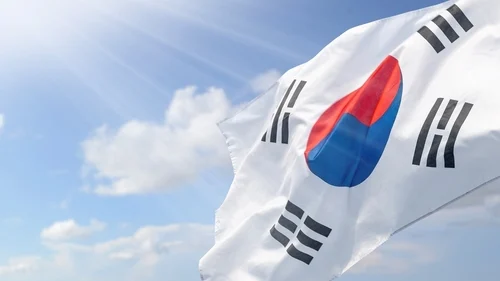
Quick answer: South Korea Liberation Day, known as Gwangbokjeol (광복절), falls on August 15 each year. In 2026, the holiday marks the 81st anniversary of Korea’s liberation from 35 years of Japanese colonial rule in 1945. It is a national public holiday observed with flag displays, ceremonies, and cultural events across the country.
August 15 carries deep meaning for South Koreans. Known as Gwangbokjeol—which translates to “the day the light returned”—Liberation Day commemorates one of the most significant moments in Korean history: the end of Japanese colonial rule in 1945. It is a day of national pride, reflection, and celebration.
Whether you’re planning to visit South Korea in August 2026, have family or friends there, or simply want to understand the holiday’s significance, this guide covers everything you need to know—from its historical roots to how Koreans celebrate today.
What Is Gwangbokjeol? The Meaning Behind South Korea’s Liberation Day
Gwangbokjeol (광복절) is a compound of three Korean characters: gwang (光, light), bok (復, return), and jeol (節, holiday). Together, they form a phrase that captures the emotional weight of the day—the return of light to a nation that had lived under colonial rule since 1910.
On August 15, 1945, Japan announced its surrender to Allied forces, ending World War II and, with it, 35 years of Japanese occupation on the Korean Peninsula. The moment brought an end to policies that had suppressed Korean language, culture, and identity. For Koreans, it was not just a political transition—it was a cultural and national rebirth.
The holiday also holds a second layer of significance. On August 15, 1948—exactly three years after liberation—the Republic of Korea was officially established. Gwangbokjeol therefore commemorates both the end of colonial rule and the founding of the modern South Korean state.

When Is South Korea Liberation Day in 2026?
South Korea Liberation Day 2026 falls on Saturday, August 15, 2026. As a national public holiday, government offices, schools, and many businesses will be closed. Because the date lands on a weekend in 2026, check local guidance on whether a substitute weekday holiday will be observed—South Korea’s holiday rules vary depending on the calendar year.
How Do South Koreans Celebrate Gwangbokjeol?
National Flag Displays
One of the most visible traditions of Gwangbokjeol is the display of the Taegukgi (태극기), South Korea’s national flag. Homes, businesses, and public buildings across the country hang the flag to mark the occasion. The government actively encourages this practice, and many municipalities distribute flags to residents in the lead-up to August 15.
Official Government Ceremonies
A formal state ceremony takes place annually at Sejong Center for the Performing Arts in Seoul. The event is attended by the President of South Korea, government officials, and distinguished guests. The ceremony typically includes speeches, the national anthem, and moments of collective remembrance honoring those who fought for Korean independence.
Independence Movement Reenactments and Cultural Events
Historical reenactments of the independence movement—particularly events tied to the March 1st Movement of 1919—are held at museums and cultural sites around the country. The Independence Hall of Korea (독립기념관) in Cheonan is one of the most prominent venues, drawing large crowds each year for exhibitions and commemorative programs.
Amnesty Announcements
It is a longstanding Korean tradition for the government to announce amnesty for certain prisoners on major national holidays, including Gwangbokjeol. While not always guaranteed, pardons are frequently granted around August 15 each year.
Fireworks and Public Festivities
Evening fireworks displays are held in major cities, particularly in Seoul along the Han River. Local festivals, outdoor concerts, and community events make the holiday a lively occasion for families.

What Are the Historical Roots of Japanese Colonial Rule in Korea?
Korea came under formal Japanese colonial rule in 1910 following the Japan-Korea Annexation Treaty. Over the next 35 years, Japan implemented policies designed to assimilate Koreans into Japanese culture—banning the Korean language in schools, pressuring Koreans to adopt Japanese names, and suppressing Korean cultural expression.
Resistance was widespread. The March 1st Movement of 1919 saw an estimated two million Koreans participate in peaceful protests against colonial rule, making it one of the largest demonstrations in Korean history. Though suppressed, the movement strengthened the independence movement and led to the formation of the Provisional Government of the Republic of Korea in Shanghai.
Japan’s surrender on August 15, 1945, brought formal liberation. However, the Korean Peninsula was subsequently divided along the 38th parallel by Soviet and American forces, eventually leading to the establishment of two separate states: the Republic of Korea (South Korea) on August 15, 1948, and the Democratic People’s Republic of Korea (North Korea) on September 9, 1948.
How Is Gwangbokjeol Observed Differently in North and South Korea?
North Korea commemorates the same date, referred to as Chogukhaebangŭi nal (조국해방의 날), meaning “Fatherland Liberation Day.” Both countries mark the end of Japanese colonial rule, but the political framing and ceremonies differ significantly. In North Korea, state-organized events and military parades are central to the observance.
In South Korea, celebrations tend to blend solemn remembrance with national pride and public festivities, reflecting the country’s democratic character and cultural openness.
What Is Open and Closed on Gwangbokjeol in South Korea?
As a national public holiday, expect the following on August 15, 2026:
- Closed: Government offices, public schools, banks, and many businesses
- Open: Major shopping centers, restaurants, and tourist attractions (often with special programming)
- Public transport: Operates on a public holiday schedule—check local transit authorities for specific timetables
If you’re traveling to South Korea around this date, book accommodation and popular attractions in advance. August is peak summer travel season, and Liberation Day draws additional visitors to cultural sites.

Frequently Asked Questions About South Korea Liberation Day 2026
What date is Gwangbokjeol in 2026?
Gwangbokjeol falls on Saturday, August 15, 2026. It is a national public holiday in South Korea.
What does Gwangbokjeol mean in English?
Gwangbokjeol (광복절) translates to “the day the light returned” and commemorates Korea’s liberation from Japanese colonial rule on August 15, 1945.
Is August 15 a public holiday in South Korea every year?
Yes. August 15 is a permanent national public holiday in South Korea, observed annually regardless of which day of the week it falls on.
What events take place on Liberation Day in South Korea?
Key events include a government ceremony in Seoul, flag displays across the country, cultural events at the Independence Hall of Korea, historical reenactments, and fireworks displays in major cities.
Why does South Korea celebrate August 15 twice—as Liberation Day and as the founding of the Republic?
Both milestones occurred on August 15—liberation from Japan in 1945 and the formal establishment of the Republic of Korea in 1948. The shared date makes Gwangbokjeol a doubly significant occasion in the country’s national calendar.
A Day That Belongs to Every Korean
Gwangbokjeol is more than a public holiday. It is a moment of collective memory—a reminder of resilience, sacrifice, and the enduring importance of national identity. For the Korean diaspora around the world, August 15 holds personal meaning, connecting people to a shared history regardless of where they live.
As 2026 marks the 81st anniversary of liberation, Gwangbokjeol remains one of the most important dates on the South Korean calendar. Understanding its history makes the day richer—for visitors, for Korean communities abroad, and for anyone curious about one of Asia’s most remarkable national stories.



