

Quick answer: Gabon Independence Day is celebrated on August 17 each year, marking the country’s independence from France on August 17, 1960. In 2026, the national holiday will fall on a Monday. Celebrations typically include military parades, cultural performances, public gatherings, and traditional music and dance across the country.
Every August 17, Gabon pauses to mark one of the most significant moments in its history—the day it became a sovereign nation. Gabon Independence Day 2026 will be no different. Across the country, from the capital Libreville to smaller regional towns, Gabonese people come together to honor their heritage, celebrate their culture, and reflect on the journey their nation has taken since 1960.
For the Gabonese diaspora living abroad, the day carries an equally deep meaning. It’s a moment to stay connected to home, share traditions with family and friends, and take pride in a cultural identity that spans continents.
This guide covers everything you need to know about Gabon Independence Day 2026—its historical roots, how it’s celebrated, and what the holiday means for Gabonese people today.
The History Behind Gabon Independence Day

How did Gabon gain independence from France?
Gabon’s path to independence was part of a broader wave of decolonization that swept across Africa in the late 1950s and early 1960s. Known as the “Year of Africa,” 1960 saw 17 African nations declare independence from European colonial powers.
Gabon had been under French colonial rule since the mid-19th century. France formally established Gabon as a colony in 1910 as part of French Equatorial Africa, a federation that also included present-day Republic of the Congo, Central African Republic, and Chad. For decades, Gabonese people had limited political autonomy, with their land’s vast natural resources—timber, oil, and minerals—largely controlled by the colonial administration.
Independence came on August 17, 1960, when Gabon officially became a sovereign republic. Léon M’ba became the country’s first Prime Minister and later its first President, marking a new chapter in the nation’s history. The transition was relatively peaceful compared to independence movements in other parts of Africa, and France maintained close diplomatic and economic ties with Gabon in the years that followed.
Why is August 17 significant?
August 17 is the date on which the transfer of sovereignty was formally completed in 1960. The date has been commemorated as a national public holiday ever since, making it the most important civic celebration on the Gabonese calendar.

How Is Gabon Independence Day Celebrated?
What are the main traditions and events on August 17?
Celebrations in Gabon tend to be both formal and festive, blending official state ceremonies with community-level cultural events.
Military parade in Libreville
The centerpiece of the national celebration is a grand military parade held in Libreville, Gabon’s capital city. The parade typically takes place along Boulevard de l’Indépendance and features Gabonese armed forces, police units, and youth groups marching in formation. It’s a prominent display of national pride and civic ceremony.
Cultural performances
Traditional music, dance, and theatrical performances are central to Independence Day festivities. Gabon is home to more than 40 ethnic groups, each with its own distinct traditions. Events showcase this diversity through performances of traditional dances like the Bwiti ceremonial dance, drumming, and storytelling that reflect the country’s rich pre-colonial heritage.
Public gatherings and community events
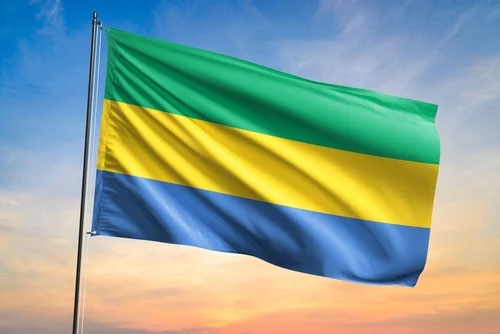
Beyond the official ceremonies, neighborhoods across Gabon host their own celebrations. Families gather, local musicians perform, and people dress in the colors of the Gabonese flag—green, yellow, and blue—to mark the occasion.
Speeches and civic reflection
Government officials and community leaders typically deliver addresses that reflect on Gabon’s history and look ahead to the country’s future. These speeches often emphasize national unity, development goals, and the importance of preserving Gabonese culture.

How do Gabonese communities abroad celebrate Independence Day?
For Gabonese people living outside the country, August 17 is still an occasion to come together. Diaspora communities in cities across Europe, North America, and other parts of Africa often organize their own gatherings—cultural evenings, dinners, music events, and social get-togethers that keep the spirit of home alive.
These celebrations are also a meaningful opportunity to introduce Gabonese culture to friends and neighbors from other backgrounds, sharing food, music, and stories that reflect what the day represents.
Gabon Today: A Snapshot of the Nation in 2026
Gabon is a country of striking contrasts. It covers approximately 267,667 square kilometers in Central Africa and is home to roughly 2.3 million people. Despite its relatively small population, Gabon is one of Africa’s wealthier nations on a per capita basis, largely due to its oil reserves, which have been a major driver of the economy since the 1970s.
The country is also notable for its extraordinary biodiversity. According to the World Wildlife Fund, more than 85% of Gabon is covered by tropical rainforest, making it one of the most densely forested nations on Earth. Gabon has invested in conservation, with around 11% of its land designated as national parks.
Politically, Gabon has experienced significant changes in recent years. In August 2023, a military coup ended the long-running presidency of Ali Bongo Ondimba, whose family had governed the country for over five decades. A transitional government has since been in place, and the country continues to navigate a period of political transition as it moves toward new elections.
These shifts make Gabon Independence Day 2026 a particularly reflective moment—a time for Gabonese people to consider not just where the country has been, but where it is heading.
What Gabon Independence Day Means for Gabonese People
National holidays carry different weight depending on the moment in history. For many Gabonese people, Independence Day is about more than parades and performances. It’s a reminder of the sacrifices made by earlier generations and a reaffirmation of collective identity.
For younger Gabonese people especially, the holiday offers a chance to engage with their heritage in meaningful ways—whether through attending community events, learning about the country’s history, or simply taking a moment to feel connected to something larger than their daily lives.
For those living far from home, it’s a thread that ties them back to Gabon, no matter where they are in the world.

Frequently Asked Questions About Gabon Independence Day 2026
When is Gabon Independence Day 2026?
Gabon Independence Day 2026 falls on Monday, August 17, 2026. The date is the same every year, as it marks the anniversary of Gabon’s independence from France on August 17, 1960.
What does Gabon Independence Day celebrate?
It celebrates Gabon’s declaration of independence from French colonial rule in 1960. The holiday marks the country’s emergence as a sovereign republic and is the most significant national holiday on the Gabonese calendar.
Who was the first leader of independent Gabon?
Léon M’ba was Gabon’s first Prime Minister at independence and later became its first President. He led the country through its early years as a sovereign nation.
What are the colors of the Gabonese flag?
The Gabonese flag features three horizontal bands: green on top, yellow in the middle, and blue at the bottom. Green represents the country’s forests, yellow symbolizes the equator and the sun, and blue represents the Atlantic Ocean.
How many ethnic groups live in Gabon?
Gabon is home to more than 40 distinct ethnic groups, including the Fang, Myene, Nzebi, Bapounou, and Bandjabi peoples, each with their own languages, traditions, and cultural practices.
Is Gabon Independence Day a public holiday?
Yes. August 17 is a public holiday in Gabon. Government offices, schools, and many businesses close for the day, and official ceremonies and public celebrations are held across the country.
A Day Worth Marking on Every Calendar
Gabon Independence Day 2026 is more than a date. It’s a moment of collective memory, cultural celebration, and national pride for Gabonese people everywhere. From the parade routes of Libreville to diaspora gatherings thousands of miles away, August 17 connects people to a shared story—one that began on a significant day in 1960 and continues to evolve with each passing year.



