

Key Highlights
-
Korean wedding traditions mix old and new ways, making the wedding ceremony one of a kind.
-
Family members have a big part in everything. They help the couple meet and are there for events after the ceremony too.
-
Many modern Korean weddings happen in fancy wedding halls, but the wedding ceremony is often short.
-
In traditional Korean weddings, the wooden goose and bowing to others mean a lot. These rituals have strong symbolism.
-
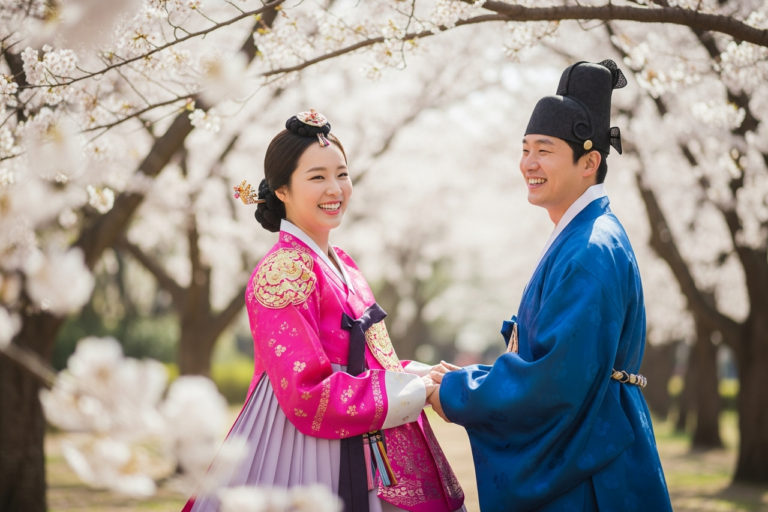
On the wedding day, the bride and groom wear the colorful hanbok. This traditional Korean wedding attire is full of meaning for both people.
-
After the wedding ceremony, there is an event called Pyebaek. Here, the couple shows their respect to elders, keeping the korean wedding traditions alive.
Introduction
Have you ever thought about what a Korean wedding is like? These weddings are a mix of old wedding traditions and some new style. They are not the same as the weddings people have in the United States. In a korean ceremony, you will see many customs, special gestures, and family plays a big part. The colors in the clothes are bright and stand out. The rituals are full of meaning. Every part has a story to share. This guide is here to show you the world of korean weddings. You will find out about all the cultural heritage that makes them stand out.
The History and Origins of Korean Wedding Traditions
The Korean wedding traditions people know today come from a long history and rich Korean culture. Many wedding traditions have grown from that culture through years of change. Confucianism has played a big part, teaching people to value family and to respect elders. When you know where these wedding traditions came from, you can really see the meaning behind the events.
Korean traditions for marriage have changed a lot over the years. Some old customs are still important in Korean weddings, but now, new ways have also become part of the day. This has made a mix of old and new styles in Korean weddings. Let’s find out where these korean wedding traditions started and how they have changed as time has gone on.
Ancient Customs and Cultural Influences
Long ago, korean wedding traditions were shaped by Confucian values. In those days, people in Korean culture saw the importance of family, social status, and keeping peace in the group. Marriage was not just about two people. It was a big step for two families. Often, this was done to raise social standing or make strong connections in society.
The wedding process was full of many rituals. From choosing two people to get married, to giving gifts, to the ceremony itself, every part was planned with care. The focus for these weddings was not about love, but more about duty, respect, and growing the family tree. These ideas were a big part of traditional korean culture.
These wedding traditions taught families how to handle marriages for many years. Getting the family involved was key. The elders led the way and made sure every rule was followed. This helped bring good fortune and prosperity to the couple and marked the importance of family and using confucian values in korean weddings.
Evolution of Marriage Practices Over Years
As Korean society has changed with time, the way people get married has changed too. People still care about wedding traditions, but now a lot of couples mix the old ways with new styles. Modern Korean weddings do not look the same as the long and fancy events people had before.
One big change is that couples are moving away from only arranged marriages. Now, love and the choice to pick your own partner matter the most. People have more freedom around who they marry. The way modern ceremonies happen is different as well. Most people have their wedding in wedding halls, and these events are often very short. Some are only about 20 minutes long.
These changes show how Korean society is becoming more open. Couples want to use things that make life easy and stylish, like the bride wearing a white wedding gown. Still, they do not forget the important wedding traditions. This mix means couples can celebrate their love how they like, but also still respect their cultural heritage and the special parts of being Korean.
Key Elements of a Traditional Korean Wedding
A traditional Korean wedding is made up of many special rituals, and family members have an important part in it. At every step, family members help the couple. They guide them and take part in important parts of the main wedding ceremony. The whole wedding day is planned to show respect to ancestors and to bring the two families together.
These important parts make the wedding about more than the couple. It becomes a joining of their families as well. When you understand these things, you get to see the beauty and meaning behind a Korean wedding ceremony. In the next part, we will talk about how matchmakers help and about the main pre-wedding rituals that prepare for the big day.
The Role of Matchmakers and Family Arrangements
In the past, matchmakers and family decisions played a big role in korean wedding traditions. Weddings were seen as something important for the family. Elders or matchmakers helped look for the right partners for their kids. Every family member took this process to heart and was very involved.
The things people looked at for a good match were:
-
Social status
-
Family background
-
How horoscopes fit together
Even now, more couples marry for love, but the okay from the family is still very important. Bringing together the families through a formal introduction is a main step in the korean wedding ceremony. This family meeting shows respect and is the first step for joining the two families. It is a big part of wedding traditions in a korean wedding.
Meaningful Pre-wedding Rituals and Exchanges
Before the wedding ceremony, there are a few pre-wedding rituals that help make the engagement strong and bring good fortune. One important tradition is the exchange of a “ham,” or a wedding gift box. Often, the groom’s close friends take this box and bring it to the bride’s family home the night before the wedding.
This wedding gift box holds many wedding gifts for the bride from the groom’s family. You can find things like:
-
Jewelry and silks for the bride.
-
Formal letters and documents to show the union.
-
Gifts that stand for health and prosperity.
This gift exchange is more than just about the items inside. It’s a kind and formal way to say the marriage will happen. The rituals bring blessings for the couple’s new life. They also show that both families accept and support the union, making everyone feel good about the main wedding ceremony.
Unique Ceremonial Rituals in Korean Weddings
A Korean wedding is a time with many special rituals that have strong symbolism. These practices help to make the wedding ceremony stand out and so beautiful. Every action has a meaning that comes from years ago and has been shared by different generations. These moments are a big part of a traditional wedding, helping the couple feel close to their cultural heritage.
In the wedding ceremony, you will see many symbolic offerings and acts of respect. These rituals are an important part of the korean wedding. Next, let’s talk about two well-known rituals. The first is Jeonan-rye, where the couple offers a wild goose. The second is Gyo-bae-rye, where the couple does a formal bowing. Both of these show the important role that symbolism and tradition play in these special moments.
Jeonan-rye (Wild Goose Offering Tradition)
One of the most charming parts of a Korean wedding ceremony is called Jeonan-rye. During this moment, the groom gives a wild goose to his future mother-in-law. In the Korean wedding, people see wild geese as animals that stay together for life. Because of that, the gift is a strong sign of the groom’s promise to always be faithful and stay with his bride.
Long ago, people used a live goose in this wedding ceremony. But now, in modern ceremonies, the groom brings a wooden goose that is carefully carved. He gives this wooden goose to the bride’s mom. The act shows everyone that the groom will take care of the bride.
There is a lot of meaning in this simple act. The goose stands for loyalty. By giving the goose, the groom makes a serious promise. This touching part is usually one of the first things that happens at the wedding. It sets a mood of real love and care for everything that comes after.
Gyo-bae-rye (Formal Bowing Between Couple)
During the main ceremony, the Gyo-bae-rye follows the goose tradition. On the wedding day, this is the first time the bride and groom see each other. They take deep, formal bows. This bowing shows their respect for one another and their strong promise.
The bride and groom stand on opposite sides of the wedding table. With help from attendants, they bow to each other. This bow is much more than a quick nod. It is slow and thoughtful, showing how much they mean to each other. Sometimes, this is done instead of saying wedding vows. The bow is their silent promise on their wedding day.
This bowing has a big place in the main ceremony. It stands for the equal partnership of the couple and their promise to help and respect one another all through their married life. People do this ritual to bring good fortune and to hope for a happy future as they go into married life together.
Symbolic Items and Their Meanings
Symbolism is important in a Korean wedding. You can see it in the many things used during the ceremony. Everything, from what people wear to what they swap with each other, means something special. These things often stand for prosperity, fertility, and happiness. Items like the bright hanbok and the gourd are more than just nice-looking things. They are key to the tradition and must be there for the big day.
The bright colors and patterns used are not random. People pick them with care so they can send good wishes to the newlyweds. Now, let’s look closer at what the hanbok means for a korean wedding. We will also talk about how the colors and shapes during the ceremony add more to the meaning for the new couple.
Hanbok and its Significance for Brides and Grooms
The hanbok is the traditional Korean dress and a key part of the Korean wedding attire. For a wedding ceremony, the bride and groom wear a special, elaborate version of this garment. The bride’s hanbok typically includes a red skirt (chima) and a green or yellow top (jeogori), while the groom may wear a blue hanbok, signifying his role.
This traditional Korean dress is more than just clothing; it’s a statement of cultural heritage. Each part of the hanbok has meaning.
|
Item |
Symbolism |
|---|---|
|
Red Skirt |
Represents good fortune and wealth. |
|
Green/Yellow Top |
Symbolizes the bride’s connection to nature and new beginnings. |
|
Blue Robe (Groom) |
Represents loyalty and reliability. |
Even if a couple has a modern ceremony with a white dress and tuxedo, they often change into hanbok for the Pyebaek ceremony or to greet guests, honoring this beautiful and significant part of their culture.
The Use of Colors and Patterns During Ceremony
Bright colors and clear patterns are very important in the look and feel of a Korean ceremony. These are not just picked at random. Every color and design has a job, and each one is meant to bring good things to the couple. This bright mix of colors stands out and runs deep in Korean tradition.
Red is seen a lot because it stands for good fortune and helps keep away bad spirits. Blue is also important. It means faithfulness and being true. You will find these colors spread all over the place, in what the couple wears and many things set up on the main table for the ceremony.
Some patterns and their meanings in a Korean ceremony are:
-
Peonies: stand for wealth and honor.
-
Lotus flowers: show purity and the start of new things.
-
Mandarin ducks: are a sign of faithfulness, as these birds stay with one partner.
All this puts strong meaning into how the ceremony looks. It is the way the event shows its hope for a good, happy life together for the couple, using bright colors and deep symbolism found only in a Korean ceremony.
The Structure of a Typical Korean Wedding Ceremony
The layout of a Korean wedding ceremony can change from one to the next. Still, most of them follow a simple flow. They mix old ways with new style to make things fast. On the wedding day, everything happens fast. This is true in wedding halls that hold many ceremonies in one day. Sometimes, the main ceremony lasts only 20 minutes. This helps the hall fit in more bookings.
Even when the ceremony is short, each part means a lot to the people there. The event is put together well. It brings in the couple, their families, and all their guests. Let’s look at the usual steps of this wedding celebration. We will point out how parents and elders are a big part of the day.
Steps and Flow of the Traditional Celebration
A modern Korean wedding ceremony is short, but there is a lot going on. At the wedding hall, guests come in and find their seats. Then, the main wedding ceremony starts with a big entrance.
The usual order of the ceremony is:
-
The groom walks in first. He often goes down the aisle all by himself and looks confident.
-
The bride comes in next. Her father walks with her.
-
An officiant, or sometimes a friend serving as the MC, talks about the couple and shares a quick summary of their love story.
After some short words and maybe a song, the couple will bow or put on rings. Most couples do not say traditional vows. Still, the whole korean wedding ceremony shows their promise to each other. The event finishes with the couple bowing to their parents. Then they walk out together as husband and wife.
Involvement of Parents and Elders During the Event
Parents and older family members are not just guests at a Korean wedding. They are given a special, respected place in the event. This is important in Korean culture, as the wedding is seen as a coming together of two families, not just two people. At the start of the ceremony, you may see the bride’s mother and the groom’s mother light candles. This shows a new family is starting, with both families coming together.
A touching part of the korean wedding is when the bride and groom turn and bow to both sets of parents. This act shows deep gratitude and thanks for all the love and support their parents have given them. The couple shows respect, and in return, their parents give them words of blessing.
Family members stay involved in what comes after the ceremony, too. One such tradition is called the pyebaek. During pyebaek, the couple sits down and greets the groom’s family in a formal way. By making family members a key part of the day, it is made clear just how strong the importance of family is in a korean wedding. The family is at the center of marriage, showing how deep Korean culture values family all through life.
The Reception and Festivities After the Ceremony
After the main ceremony at a Korean wedding, the day goes on with more time to celebrate. This part is often much more laid-back than the ceremony. Folks do not sit at tables with the wedding party at the front. Instead, all the guests make their way to a big buffet hall.
Here, everyone gets to eat together and enjoy the new start for the couple in a warm spot. The newlyweds often put on new outfits before coming in to meet everyone. There is also a special Korean event called the Pyebaek ceremony, plus lots of tasty foods to try after the ceremony.
Pyebaek: Honoring the Groom’s Family
The Pyebaek is a traditional wedding ceremony held after the main event. In the past, it was only for the groom’s family. Now, many couples like to include the bride’s family, too. At this private event, the bride and groom dress in their hanboks. They meet with their elders and offer them tea. This is a way to show respect and give thanks.
The elders give the couple blessings and advice for their married life. There is also a fun moment with chestnuts and dates. The parents toss these at the bride, and she tries to catch them in her skirt. The number of chestnuts and dates she catches is said to show how many children the pair will have.
This close ceremony helps the new couple honor old family ways. It lets them show gratitude and get blessings from their elders. It is a time for everyone to bond and for the couple to feel welcome in the family.
Traditional Wedding Foods and Drinks
The food at a korean wedding is something many people look forward to. At most modern weddings, you will see a big buffet with many dishes from korean and other places. In traditional korean weddings, the couple gets served foods that have special meaning for their life together.
Noodles are popular the, because they stand for a long and happy life. You may also see jeon, which are savory pancakes, and other the festive korean dishes, which are a big part of the celebration. Some main wedding foods and their meanings are:
-
Noodles (Janchi Guksu): These show longevity and wish the couple a good life.
-
Rice Cakes (Tteok): This food stands for good fortune, prosperity, and a close bond.
-
Jeon: These savory pancakes help make the day feel like a true party.
These wedding foods are not just a meal. The, they show hopes for the couple’s prosperity and good fortune in their new life together.
Frequently Asked Questions (FAQs)
A Korean wedding ceremony is known for its unique customs. In many traditional ceremonies, family plays a big part. People wear bright hanbok to show this. One thing that stands out to guests is the wooden goose. The goose means that the couple will be loyal and love each other for a long time.
There is also a part called pyebaek in the Korean wedding. During pyebaek, the bride brings chestnuts and dates to give to the groom’s family. These gifts stand for the children that the bride and groom may have in the future.
In a modern Korean wedding, the place can change a lot. Some couples pick a classic spot, while others like new buffet halls. A Korean wedding ceremony today mixes old customs with new ideas and places.
How do modern Korean weddings differ from traditional ones?
Modern Korean weddings usually take place in new wedding halls. The events are not as long as they used to be. At the main ceremony, the bride often wears a white dress. These weddings mix both Western and Korean styles. In the past, traditional Korean weddings were planned by the family and would happen over a long time. Now, modern ceremonies let people choose more things for themselves, but some old customs like the Pyebaek are still there.
What gifts should guests bring to a Korean wedding?
At a Korean wedding, the usual gift is cash. Most people give the money in a clean, white envelope with their name on it. You give it at the desk when you get to the wedding. This is a helpful gift, as it helps the couple get started in their new life. It also brings good fortune to the korean couple.
How long does a traditional wedding ceremony usually last?
A modern Korean wedding ceremony in a wedding hall is quite short. It often takes just 20 to 30 minutes. After the wedding ceremony, people take group photos. The whole event, including the buffet, usually ends in a few hours. This shows how wedding ceremonies in modern Korean culture are quick and efficient.
Conclusion
To sum up, wedding traditions in Korea bring together old and new ways. These traditions, like wearing a hanbok and taking part in rye rituals such as Jeonan-rye and Gyo-bae-rye, are all about showing love for family and respect. Knowing about Korean wedding traditions helps you understand the meaning behind each step and see how much people value family, their community, and their history in these moments. It doesn’t matter if you are planning your own wedding or just interested in the culture, learning about these practices can help you feel more connected to the past. If you want to know more about Korean wedding traditions or need help bringing them into your own day, you can reach out for a talk or some advice!



