

Key Highlights
-
A Nigerian wedding is a big celebration of love. It shows a lot of cultural richness and brings together the community.
-
The fun does not stop at one event. People often have a traditional wedding and then a religious ceremony.
-
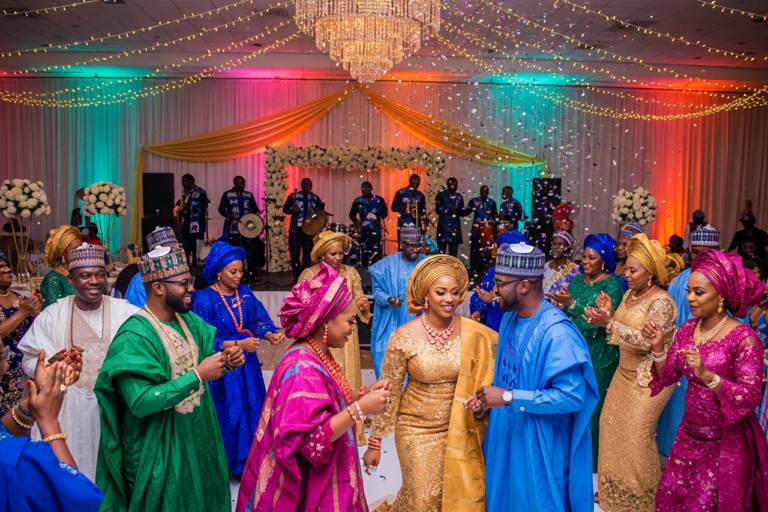
The outfits are bright, and many guests wear aso-ebi. This shows family and group unity.
-
There are important wedding traditions like the kola nut Ceremony and the money spray. You will also find lots of tasty food.
-
Different people, like the Yoruba and Igbo, add their wedding customs to the mix.
-
Going to a Nigerian wedding gives you an unforgettable experience. You will see plenty of dancing, music, and joy.
Introduction
Have you ever thought about what makes a Nigerian wedding so unique? The nigerian wedding is not just about two people coming together. It is a big celebration of love, family, and everyone close to them. Nigerian wedding traditions stand out because of the bright colors, detailed clothes, and strong cultural richness. The food and music show a mix of many things from the country’s past. You can see a lot of happiness, color, and excitement at these events. This is what makes every celebration of love in a nigerian wedding feel special.
Exploring the Richness of Nigerian Wedding Traditions
Nigerian wedding traditions show the rich cultural heritage that you can find across the country. With so many different tribes, each wedding is different. The ceremony brings its own ways, religion, and language. At a traditional wedding in Nigeria, it is not just about the couple. Families and friends also come together. People love to join in and put on a big show.
You can see Nigerian culture in every part of the wedding. There are pre-wedding gatherings and parties after the main event. These wedding traditions show how much family, respect, and happiness matter to people. Nigerian weddings are full of life and color. That is why so many say these ceremonies stand out for their energy. Let’s take some time to think about how Nigerian culture plays such a big role in these beautiful and well-known events.
The Role of Culture in Nigerian Weddings
Culture is at the core of a Nigerian wedding. It shapes the guest list, the rituals, and all the wedding traditions. These ceremonies celebrate cultural heritage by remembering customs from the past and teaching them to the next generation. The event is for the couple and their families, showing community and mutual respect.
Some key wedding traditions in a Nigerian wedding include giving a bride price or dowry, sharing a kola nut, and greeting elders in special ways. In some places, the groom and his friends may have to lie face down for the bride’s family to honor them.
This cultural richness makes each Nigerian wedding stand out. It lets families show off their history and lets the community come together to bless the marriage. The whole celebration shows their values, their identity, and what matters most to them.
Why Nigerian Weddings Are Known for Their Vibrancy
If you want to sum up a Nigerian ceremony in one word, that word is “vibrant.” The whole place is packed with joy and color. This celebration of love is meant to be lively, and it pulls everyone in. You can feel the energy in the air—that will get all the wedding party and even the oldest guests up and dancing.
This great feeling comes from a few big things you can’t miss. Music is a huge part of it. DJs play Afrocentric songs to make sure people can’t help but move. People’s outfits stand out, too. Family members and guests come in colorful clothes that turn the room into a show of style.
But what truly boosts the mood?
-
An Abundance of Food: You get to enjoy lots of tasty local dishes, like jollof rice and meat skewers.
-
Endless Dancing: The dance floor stays busy. You have planned group dances and also people just dancing for fun.
-
Community Spirit: A Nigerian ceremony is always a big event. There is an open-door feeling that brings many faces in, making the whole celebration of love warm and full of life.
Key Stages of a Traditional Nigerian Wedding
A traditional Nigerian wedding is not just about one day. It happens through a series of wedding ceremonies. Each part is important and brings the couple closer to being joined together. A wedding planner often works with the families to make sure everything goes well at the wedding. This helps everyone enjoy each moment.
The process starts a long time before the wedding date is picked. At first, there are events that bring the families together and let them meet each other. After these first meetings, the big ceremony follows. Then there is a lively reception to finish off the celebration. Now, let’s look at these main stages so we can better know what makes a Nigerian wedding special.
Pre-wedding Events and Family Introductions
The first step in a Nigerian wedding is when the families meet for introduction. At this stage, the groom’s family goes to the bride’s family. They tell them that their son wants to marry their daughter. It is a time for both families to get to know each other and give their approval.
There are important talks during these meetings. The families may talk about the list of dowry requirements. This is part of tradition, and it shows the groom’s respect and thanks to the bride. The dowry is not a price but a way for the groom’s family to show honor.
After the formal talks are finished and both families say yes, they can choose the wedding date. This ceremony seals the engagement. It also starts all of the plans for the big day, moving the couple closer to their wedding.
The Main Wedding Ceremony
The main Nigerian traditional wedding is the heart of all the celebration. At this event, the couple puts on beautiful traditional clothes and is joined together by their culture’s customs. The traditional wedding ceremony is often led by a person called the alaga. This person helps guide everyone by telling jokes, sharing wisdom, and bringing lots of energy.
There are a few key wedding traditions that take place during this time. One common sign of respect is when the groom and his friends bow down in front of the bride’s parents. Another big part of a Nigerian traditional wedding is the kola nut ceremony. In this tradition, people break and pass around the kola nut to show goodwill and to welcome all the guests.
The entrance of the bride is one of the best parts. She dances in with her friends and family. There is music, prayers, and elders sharing blessings. The whole traditional wedding ceremony brings everyone together, and it pays respect to where the couple comes from. The day is full of joy, meaning, and love for the couple and their families.
Reception and Post-wedding Celebrations
After the ceremony is over, the real fun starts. The reception is the time when wedding guests relax and celebrate the new couple in a big way. With the master of ceremonies leading the event, there is a lot of energy. There will be music, dancing, and lots of food for everyone. The dance floor turns into the center of the party, and you will see people of all ages join in.
One of the most well-known moments at a Nigerian wedding is the “money spray.” While the couple dances, guests come up and throw cash notes at them to show their love and support. The bridal party picks up this money. It is there to help the couple as they start their new life together.
The whole reception is made to wow the senses, so the guests will not leave hungry or bored. The top moments of the reception often are:
-
An abundance of food, with many traditional dishes.
-
The couple wearing different outfits through the night to show off different styles.
-
Non-stop music and long hours of dancing that can go late.
-
Guests getting wedding favors that are often special or made just for them.
Beginner’s Guide to Experiencing a Nigerian Wedding
Going to a Nigerian wedding for the first time can be both fun and a little bit much. You might feel excited and not sure what to do at the same time. This simple guide will help you enjoy every part of the day like you have done it before. Nigerian weddings are full of life. They have special traditions, and there is so much to see and do. It is a great way to celebrate nigerian couples and their love for each other.
It is good to get yourself ready for the big day. You will get more out of it if you know what to wear, and what will happen at the party. A little bit of knowledge always helps. It makes your first time at a nigerian wedding an unforgettable experience. Now, let’s help you get set for the celebration!
What You’ll Need to Get Started as a Guest or Participant
If you are a wedding guest going for the first time to a Nigerian celebration, you need to get ready for a lively and big event. The guest list will be long because these wedding days open up to many people. On that day, everyone is welcome to join in and it will feel like you are part of a much bigger family. The mood will be warm, and people will treat you as if you have always belonged.
As a guest, your main job is to show happiness for the couple. Take part in everything, from the dance floor to the dinner. On these wedding days, you will see guests showing group style with family clothes. These matching clothes, also called aso-ebi, show which group or side people are from in the wedding party.
To help you get ready, here is what will happen:
-
A Long Day: The celebration will last many hours—from the start of the ceremony to the late reception at night.
-
Lots of People: There will be a crowd and you will hear a lot of music and sound all around you.
-
Enthusiastic Participation: Get set to dance, eat good food, and really make the most of the time with others.
-
Traditional Nigerian Elements: Join in with key Nigerian elements, like the money spray, as you take in these customs.
Understanding Invitations and Dress Codes
When you get an invitation to a Nigerian wedding, you might see there are two special events. One is a traditional ceremony, and the other is a religious or “white” wedding. You might be asked to come to one or both. Many times, these are on different days, so look at each wedding date and place closely.
The dress code is one of the most fun things about a Nigerian wedding. Family members and close friends love to wear bright and nice-looking outfits. You will see some of them in aso-ebi, which is a fabric the bride’s family picks. You can come in your own clothes that fit the event, or you can even get a new traditional Nigerian outfit just for the day.
For women, you will often see a pretty wrapper or dress. This is worn with a matching gele, which is a head tie. For men, they may come in a big agbada or a set called buba and sokoto, which is like a tunic and pants. Putting on this traditional clothing is a sign of respect for the couple and shows you are joining in with their culture.
Step-by-Step Guide to Attending or Participating in a Nigerian Wedding
Are you ready to jump into the celebration? This ultimate guide will show you the main parts of a traditional Nigerian wedding. You will learn how the wedding days flow, so you can take part and have a good time. From the early ceremonies to the last dance, you will know what to expect.
Think of this as your own map. It helps both guests and anyone in the wedding party. The wedding planner may keep track of the full schedule, but this simple guide will let you know what comes next. Let’s go through the journey step by step.
Step 1: Preparing for Pre-Wedding Ceremonies
The journey to an upcoming wedding in Nigeria begins with pre-wedding ceremonies that are rich in protocol and meaning. The first formal event is the “introduction” or “asking ceremony,” where the groom’s family officially requests the bride’s hand from her parents, including the bride’s father and bride’s mother.
This meeting sets the stage for everything to follow. It’s where the bride’s list, detailing the dowry requirements, is presented and accepted. Though it may sound like a negotiation, it is handled with respect and is a symbol of the groom’s commitment. The order of events is crucial, and each step is a building block toward the wedding day.
Understanding the typical sequence can help you appreciate the depth of these traditions.
|
Stage |
Description |
|---|---|
|
The Introduction |
The groom’s family formally visits the bride’s family to announce their intentions. |
|
The Dowry List |
The bride’s family presents a list of symbolic gifts for the groom’s family to provide. |
|
The Agreement |
Both families agree to the terms, and blessings are given for the upcoming wedding. |
|
Setting the Date |
Once all formalities are complete, the official wedding dates are chosen. |
Step 2: Navigating the Traditional Wedding Day
On the day of the traditional wedding ceremony, there is a lot of excitement in the air. The event is usually run by a master of ceremonies, called an alaga. This person brings energy, laughter, and keeps things running well. If you are a guest, you are there to watch and help celebrate the big day.
One very touching moment happens when everyone shows respect. Often, the groom and his friends will have to lie down flat on the ground in front of the bride’s family. This is a sign that they are humble. The bride kneels in front of her parents and her new husband’s family, asking for their good wishes. It is not about touching the feet of the groom or the feet of the bride. It is about showing love for the families.
There are many things people do in the ceremony that hold meaning. The couple might share a cup of palm wine, or the bride may need to go into the crowd and find her groom, then give the cup of palm wine to him. Everything done that day shows that both families are coming together, not just the bride and groom.
Step 3: Enjoying the Festive Reception
The wedding reception is when that party really starts. After the formal ceremony, everyone wants to have fun. The dance floor is always busy and you can join anytime. The music is a lively mix of Afrobeats and hits from around the world, which will make you move.
One special thing at the reception is the money spray. When the couple dances, people come up to them and put or spray money as a sign of love and to wish them good luck. If you want to take part in this fun moment, bring some cash notes.
Besides the dancing and money spray, the reception offers a feast. Many families hire the services of a Nigerian caterer so there will be an abundance of food. Here are some things that make the reception a great time:
-
A Lavish Buffet: Get ready to enjoy many tasty foods like jollof rice and grilled meats.
-
The Couple’s Grand Entrance: The new couple usually comes in with their own dance, which they planned together.
-
Cutting the Cake: This is a traditional moment but with a Nigerian twist.
-
Parting Gifts: You will probably go home with a nice, custom gift to help you remember the day.
Distinct Wedding Customs Across Nigerian Cultures
Nigeria has many different ethnic groups. This mix shows in its traditional wedding customs. While there are some Nigerian elements that all groups share, like the importance of family and community, each culture does things its own way. This cultural richness means every traditional wedding ceremony is special and unique.
For example, the Yoruba live in the southwest and the Igbo live in the southeast. Both groups have traditions they got from their past family members. The Igbo tradition called Igba Nkwu is not the same as the Yoruba Alaga-led ceremony. Each way is special in its own right. In this article, we will look at some of these interesting customs.
Unique Traditions in Yoruba Weddings
Yoruba weddings are really lively and fun. Much of this energy is because of the alaga ijoko and alaga iduro. These women act as the main hosts of the ceremony. The alaga ijoko speaks for the bride’s family and the alaga iduro speaks for the groom’s family. They help guide a Nigerian traditional wedding with songs, jokes, and playful talk. This keeps the mood happy and the crowd engaged.
One big thing in Yoruba weddings is the Ìdobálè. The groom and all his groomsmen lie flat on the ground in front of the bride’s family. This gesture acts as a strong symbol of appreciation and respect. The alagas then joke around with them. They ask questions and make them show they deserve to marry before letting them get up.
There are other rituals too. One is where the groom picks up the bride, showing his strength. The whole day is like a show of culture. The event is full of passion and pride. It shows the true style and spirit of Yoruba weddings, making every traditional wedding special.
Common Igbo Wedding Customs
In Igbo culture, the traditional wedding ceremony is called Igba Nkwu. This means “wine carrying.” That is because the main part of the day is all about the wine. When the bride price is settled, the bride’s father gives her a cup of palm wine. He then asks her to look for her groom in the crowd.
The bride goes through the guests with this cup. She has to find her husband-to-be and give him the palm wine. When he drinks the wine, it shows that he accepts her as his wife. Their parents bless them, and this part is the high point of Igbo weddings. People cheer and clap for the new couple.
There are other important things too, like breaking the kola nut at the start of the traditional wedding. This is done as a sign of peace and welcome. The Igba Nkwu is a beautiful and special traditional wedding ceremony. It joins the couple in front of everyone and in the spirit of their culture. Igba Nkwu is at the heart of the Igbo culture and means so much to the people.
Conclusion
Nigerian wedding traditions are rich in culture and rooted in the people’s history. Each part of the wedding—from events before the big day to the ceremony and fun receptions—is full of joy and meaning. If you know about these traditions, you can enjoy the day more, and respect the culture behind the celebration. When you get ready to go to a Nigerian wedding, be open to the love and happiness you will see. No matter if you are a guest or joining in, you will feel the strong sense of community and togetherness that makes these occasions special. Enjoy your time and happy celebrating!
Frequently Asked Questions
What should guests expect at a Nigerian traditional wedding?
At a Nigerian wedding, wedding guests will see a big and lively crowd. The mood will be happy and full of energy. Get ready for a long day with lots of time spent talking, good music, and dancing. There will be an abundance of food for everyone. Many people will wear colorful traditional clothes. You may also notice some guests in matching family clothes, known as aso-ebi.
What are the main rituals during a Nigerian wedding reception?
A Nigerian wedding reception is a big celebration of love. Some main wedding traditions include a grand entrance by the couple. Often, they come in with a dance they practiced before. Another famous part of Nigerian wedding traditions is the “money spray.” Guests throw cash at the Nigerian couples as they dance. These ways of celebrating show joy and good wishes for the newlyweds.
Is gift-giving a part of Nigerian wedding traditions?
Gift-giving is a big part of wedding traditions in Nigeria. At most Nigerian weddings, there is a list of dowry requirements that both families share and follow. Friends and family also bring gifts or join in the money spray. This is a nigerian wedding tradition done to show respect and help the couple start a new life. It helps build a sign of respect and brings mutual respect between everyone.
How are Nigerian wedding traditions changing with modern trends?
Nigerian wedding traditions are changing as new trends come in. Now, a lot of Nigerian couples hire a wedding planner to mix traditional wedding ceremonies with modern things. This can be things like pre-wedding photoshoots or going out for a destination wedding. Even though the main wedding traditions stay, couples in Nigeria look for new ways to make their wedding ceremonies special for them.



