

Key Highlights
-
Mexican weddings are a wonderful celebration of love. They bring together the catholic faith, old customs, and the rich mexican culture.
-
Special traditions like the lazo ceremony and giving las arras, or coins, are a big part of the wedding ceremony.
-
Padrinos, or godparents, have a crucial role. They help the couple in both money and in spirit.
-
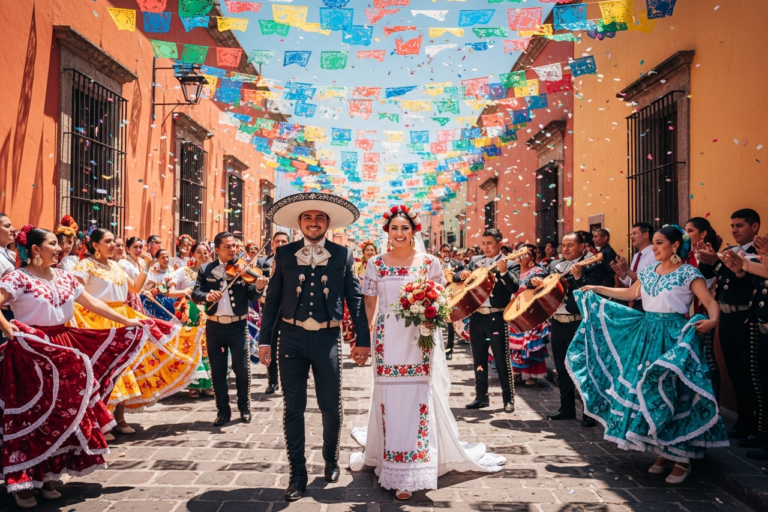
The wedding day stands out for vibrant colors, joyful mariachi music, and fun traditions like the sea snake dance.
-
Family and community are very important in mexican wedding traditions, so the wedding day is something that all people share together.
Introduction
Mexican weddings stand out as colorful and full of deep feelings. They show the rich history that is part of mexican culture. These weddings join together old customs and Catholic ways in a beautiful mix. The wedding day in Mexico is not just about two people joining lives. It is a big event where both families and the people close to them come together to celebrate.
This guide will help you learn about special parts of mexican weddings. We will go over some much-loved traditions that make every wedding day one to remember.
Essential Wedding Traditions in Mexico You Should Know
A Mexican wedding tradition is made up of many special symbols and involves the whole community. Every part of the wedding, from the main question to the after-party, is full of meaning. These moments help turn the wedding ceremony into a big celebration of love and promise. The customs are not just for the couple. They include both families and show the importance of the communal nature of Mexican culture.
When you learn about these special parts of mexican weddings, you can see what makes them stand out. Let’s look at ten main things that are part of these lively events.
1. El Lazo Ceremony – Symbolizing Unity
One of the most visually beautiful parts of a Mexican wedding is the el lazo ceremony. During this event, which usually happens in a Catholic church, special godparents called padrinos de lazo put a wedding lasso around the couple’s shoulders. This can be a decorative rope, rosary, or even a garland of flowers. The wedding lasso is put in a figure-eight shape, showing that their bond is meant to last forever.
This act is a real sign of their unity and shows they are now joined as one. They keep the lasso on for the rest of the ceremony, giving everyone a clear look at their lifelong commitment in front of family and friends. It is a touching moment that marks their new journey together.
In many American weddings, this tradition is not used. The el lazo ritual stands out because there is a symbol you can see and touch to show the spiritual union. The wedding lasso is not removed until the final blessing. That becomes the true start of the couple’s life as partners.
2. Las Arras Matrimoniales – The Exchange of Coins
The tradition of las arras matrimoniales is part of the wedding ceremony where the groom gives the bride 13 gold coins. These coins are put in an ornate box. Their meaning comes from the Catholic faith. The number 13 stands for Christ and his 12 apostles. This gives the act a deep religious meaning.
This is not just something nice to do. It is a serious promise. By giving the gold coins, the groom shows:
-
His promise to provide for the family.
-
His trust that the bride will take care of their money at home.
-
Their joint promise to share all they own.
Now, many modern couples see las arras as a sign they will share money matters and take care of things together. After the wedding ceremony, the gold coins are often put on display in their home. These coins are there to help them always remember the promises they made to each other on their special day.
3. Los Padrinos y Madrinas – The Role of Godparents
In mexican weddings, los padrinos y madrinas are godparents who help much more than a best man or maid of honor. They give support for different aspects of the wedding, like spiritual help, advice, and sometimes even financial support. When a couple asks someone to be a padrino, it is a big honor. It shows there is a lifelong commitment to the couple.
You will see some things are different from American weddings. There can be more than one set of godparents. Each set is in charge of something special for the wedding. Here are some examples:
-
Padrinos de lazo: They bring the ceremonial lasso for the couple.
-
Padrinos de arras: They give the 13 gold coins during the wedding.
-
Padrinos de velación: They bring the special pillows the couple kneels on during part of the ceremony.
This tradition means a lot in mexican culture. It shows that marriage is not just about two people, but about the community too. The padrinos are usually married couples with a strong bond, so they can give good advice to the new couple. Their job is not just to help with the wedding expenses. They promise to help with wisdom and support all through the couple’s married life.
4. La Pedida – The Marriage Proposal Tradition
Long before the wedding day, there is a special tradition called la pedida. This event happens when the groom’s family comes over to the bride’s house to officially ask her family for her hand in marriage. The couple is already engaged, but this meeting is a big sign of respect. It is a way to show honor to all the family members on both sides.
At la pedida, the groom’s parents come to the bride’s home. They often bring gifts like a flower bouquet, some wine, or good food. These gifts show that the groom is serious about his promise. The gifts also show that his family respects hers. This wedding day tradition shows that marriage joins not only two people, but also two families.
In the past, the bride’s parents might have needed some time to think about the proposal. Now, la pedida is mostly a nice formality. It is a way to get the parents’ blessing. The two families also start to plan the celebration together after this moment.
5. Traditional Mexican Wedding Attire – Mantilla, Veil, and Charro Suits
Mexican wedding attire brings together tradition, style, and pride in the culture. On the wedding day, the bride often wears a wedding dress and adds a mantilla. This lace veil, made from Spanish lace, stands for purity and caring. It shows the bride’s heart and devotion. Many brides bring in vibrant colors to their clothes. This helps show the happy feeling that comes with the day.
Grooms can wear the traje de charro, or charro suit. This is a sharp and timeless choice. People often see this rich outfit on mariachi bands. It brings real Mexican style to the wedding day. Here are the main pieces of wedding day clothing:
-
Mantilla: A lace veil that stands for purity.
-
Vibrant Colors: These can be in the wedding dress or flowers the bride holds.
-
Charro Suits: These are fancy and classic for the groom.
There is also a veil custom during the event. The padrinos de velación, or sponsors, might lay a smaller veil on the bride’s head and the groom’s shoulders. This means they wish to give them spiritual help and to show their bond. This part adds even more meaning to their special day.
6. Mariachi Bands and Folk Music – Celebrating with Sound
No traditional Mexican wedding reception is full without the famous sound of mariachi music. A mariachi band, wearing their bright charro suits and big sombreros, brings real Mexican culture into the party. The music helps to set a happy and loving mood. It makes people want to get out on the dance floor.
The mariachi band does more than play music in the background. They play a big part in the celebration, and some songs matter a lot to the couple and their families. Some popular moments are:
-
The groom singing to his bride with favorite songs like “Amor Eterno.”
-
Songs played during the ceremony processional or at the cocktail hour.
-
Fast-paced tunes that help guests keep dancing all night.
Mariachi music helps connect the new wedding to years of family and mexican culture. The trumpets, violins, and singing all work together to make this wedding reception something people will not forget. It turns the day into a real shared experience for everyone there.
7. La Vibora de la Mar – The Snake Dance
One of the most fun parts of a Mexican wedding is La Vibora de la Mar, or “the sea snake.” This lively dance really shows the communal nature of Mexican culture. It brings people together and fills the room with energy.
To begin, guests line up and stand across from each other. They hold hands to make a long human tunnel.
The bride and groom lead everyone as they dance through the arms of their friends and family. People sing the “La Vibora de la Mar” song as this goes on. When the song gets fast, the couple tries to move quickly through the tunnel. Sometimes, the tunnel falls apart in a fun way, and everyone ends up in a joyful pile.
Next, the bride and groom are lifted up on chairs held by their guests. They have to keep steady while others cheer for them. This wedding reception tradition is not about rules. It is all about fun and making good memories together. It is a perfect example of the warmth found in Mexican culture.
8. El Baile del Billete – The Money Dance
El Baile del Billete, or what some call the money dance or dollar dance, happens on the wedding day. The dance is both caring and helpful. It lets guests spend a bit of time with the couple while also giving some financial support for their new life together. People have fun with this, and it is a good way to help pay for the wedding or give to the honeymoon fund.
The guests will line up and each get a quick dance with the bride or the groom. While sharing this time, they pin money to the couple’s clothes. This wedding day tradition lets people:
-
Give a personal congratulations.
-
Give friendly advice about marriage.
-
Give a helpful gift to the couple.
The money dance is always full of life, with lots of good feelings. It puts together joy and community support in a real way for the wedding day. It helps the couple know they have love from family and friends, plus some help for covering wedding expenses.
9. Polvorones and Mexican Wedding Foods – Culinary Traditions
The wedding reception is a feast for the senses, and Mexican cuisine is at the heart of the celebration. Beyond the main dishes, sweet treats play a significant symbolic role. Polvorones, also known as Mexican wedding cookies, are a must-have. These crumbly, pecan-studded shortbread cookies are rolled in powdered sugar and melt in your mouth.
These cookies are often served as part of a dessert spread or given to guests as favors to take home, a sweet reminder of the special day. Alongside these iconic cookies and elaborate wedding cakes, a variety of other savory and sweet foods are staples at a Mexican wedding reception.
Food is an essential part of the celebration, bringing people together and adding to the festive atmosphere.
|
Dish |
Description |
|---|---|
|
Pozole |
A hearty, traditional stew made with hominy, meat, and garnished with lettuce, radishes, and lime. |
|
Tamales |
Steamed masa pockets filled with meats, cheeses, or chilies, wrapped in corn husks. |
|
Tacos |
Often served from a taco bar with various fillings like al pastor, carne asada, and carnitas. |
|
Menudo |
A traditional soup made with tripe, often served late at night to keep the party going. |
10. La Tornaboda – The After-Party Celebration
Just when you think the wedding celebration is done, la tornaboda starts. This is the real after-party that keeps going after the main event is over. It usually lasts into the early morning hours. You will see that this part is more relaxed and has a smaller group. The rules of the day soon go away, and now there is nothing but pure happiness.
At la tornaboda, Mexican couples and their friends eat late-night comfort food. Some of the dishes at this party are tacos, pozole, or menudo. These help give everyone more energy to get up and dance on the dance floor. The music can be some new hits mixed with old favorites, which makes sure people keep moving until it is almost morning.
Many of the best memories come from this after-party. It is when people make nice toasts, sing together, and celebrate the new marriage in an easygoing way. La tornaboda shows just how much people in Mexico love a long wedding celebration.
Family and Community Roles in Mexican Wedding Rituals
In mexican culture, a wedding is about more than just two people. It brings together family members and the whole community. The communal nature of mexican culture means that everyone takes part. Extended family and friends do many things to help through every step of the wedding. This shows how marriage is cared for by more than just the couple, but by all the people around them.
From money matters to special parts of the ceremony, all the help from loved ones means a lot. Let’s see how family and the community stay close and support the couple.
Family Participation During the Ceremony
Family members are not just there as guests at a Mexican wedding. They are part of the ceremony, too. One big way it is different from many Western weddings is the walk down the aisle. The groom goes down the aisle with both his parents. The bride also walks with her mother and father on each side. This shows that both parents give their love and support.
This wedding day tradition shows how both families are just as important. It is a way for everyone to see that both the bride and the groom are shaped by the support of their mother and father. It is a moment that shows respect for what each parent did in their lives before this day.
Family members do even more after the walk. They can be padrinos or take other key parts in the wedding. This strong role shows that when two people get married, it is really two families coming together. The family members help the couple on their wedding day and stay beside them as support in this new time of life.
Community Involvement and Sponsorships
The communal nature of Mexican culture shows up in how people handle the money and planning for a wedding. In mexican culture, it is a common and loved thing to have the community help out. They do this mostly with sponsorships, which people call los padrinos. This way, the cost of wedding expenses does not just fall on the couple. It lets all the people in the group feel like they play a part in the couple’s happiness.
Los padrinos are special couples who agree to pay for certain things at the wedding. It means a lot and is a big deal for them. For example:
-
You can get padrinos for the cake, so they buy and bring the wedding cake.
-
You may have padrinos for the music, and they will pay for the mariachi band.
-
There are even padrinos for the venue, who can help cover money for renting the place.
This setup for sponsorship is a nice way to show that people care for each other. It turns the wedding into a group project where everyone helps to make the day great. It also sends the message that the couple will not start their life alone, but they have all their family and friends behind them.
Incorporating Mexican Wedding Traditions into Modern Ceremonies
Modern couples today look for new and beautiful ways to include mexican traditions in their wedding day. You do not need to plan a big traditional wedding to use these old customs. Using even a few can make your wedding have more meaning and show your own story.
If you or your partner have mexican roots, or you just love the culture, these steps can help you make your celebration of love feel special. Here are some ways you can mix old with new for your big day.
Blending Traditional and Contemporary Customs
Modern couples can mix old ideas and new ones. This helps make the wedding ceremony feel special and just right for you. You get to honor the spirit of traditional Mexican weddings while also making the day fit your own story. For example, you could pick a modern wedding dress but wear a classic lace mantilla. This can show you care about your roots.
You can also use vibrant colors in your wedding. Try bright flowers, tablecloths, and ribbons to bring in the fun of Mexican weddings. You might want to update some old rituals as well. During the las arras part of the wedding, both you and your partner could trade coins. This will show that you both care about being equals with money.
The key is to know what each tradition means. Then you can use these ideas in a way that feels right for you two. Mixing old and new can help your day stand out. It will make the wedding a moment you both remember.
Ideas for Including Mexican Rituals in American Weddings
Even if you want your wedding to be mostly American-style, you can still add a Mexican wedding tradition in simple ways. These small touches can help honor your partner’s roots or add something special to your celebration of love. Try using a lazo ceremony while you say your vows. It is a strong sign of unity in the wedding ceremony.
At your reception, you can bring in a mariachi band for the cocktail hour. This will make the time feel both fun and memorable for everyone. You can also add polvorones (Mexican wedding cookies) to your dessert table, or hand them out as wedding favors. Guests get a real taste of Mexican culture, and these wedding cookies make the day even sweeter.
There is also the baile del billete (money dance). It’s a lively way to share a moment with those who come to your wedding day. Even picking one or two of these ideas can make your wedding more beautiful and full of meaning. They blend mexican culture and tradition, making your wedding ceremony something that stands out.
Conclusion
To sum up, Mexican wedding traditions have a lot of history and meaning. They play a big part in the celebration of love. The El Lazo ceremony is very touching, while the El Baile del Billete brings a lot of fun to the day. Each part of the lazo ceremony shows the strong ties between family and the whole community. When couples add these wedding traditions to their big day, they bring together both old customs and new ideas. This honors where they come from and helps tell their love story in a special way. If you are planning your own wedding or you just want to know more about el lazo or el baile del billete, you can think about using them in your own ceremony. For more tips on how to add these wedding traditions to your big day, feel free to ask for a free consultation!
Frequently Asked Questions
What is the meaning behind the lasso ritual in a Mexican wedding?
The wedding lasso, also called el lazo, stands for the couple’s unity and their lifelong commitment. At the wedding ceremony, people put it over their shoulders in the shape of the number eight. This shape means the bond is strong, cannot be broken, and will last forever. It comes from the Catholic faith. This part of the wedding ceremony is a clear way to show that the two people become one.
What foods and desserts are commonly served at Mexican wedding receptions?
At a Mexican wedding reception, people enjoy a lot of Mexican cuisine. There will be foods like pozole, tamales, and taco bars. For dessert, you will see wedding cakes and also mexican wedding cookies called polvorones. These wedding cookies are a tradition. People often serve them to guests or give them as little gifts to take home.
Which Mexican wedding traditions are still widely practiced today?
Many mexican traditions are still used at weddings today. The lazo and arras parts are still very important in these events. Family members and padrinos also play big roles. You will hear mariachi music at most of these weddings, which brings a good time for all. The fun after-party, called la tornaboda, is still a favorite part for many people.



