

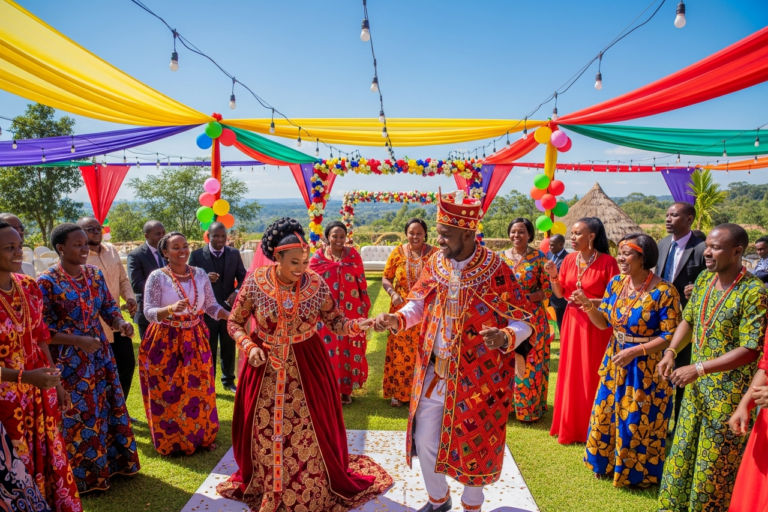
Key Highlights
-
Kenyan weddings always bring together the bride’s family and the groom’s family. It is more than just the union of two people.
-
In most traditional weddings, there is a dowry or bride price. This is very important. It shows respect and a strong promise between the two families.
-
In Kenya, different ethnic groups like the Kikuyu and Maasai have their own marriage rituals. They may have dowry negotiations or special blessings.
-
Many traditional weddings include times for songs, dances, or symbolic acts. These moments mean a lot and share parts of their culture.
-
Today, a lot of Kenyan weddings mix these old traditions with new ideas. This makes each wedding special in its own way.
Introduction
Think about what it’s like to show up at a home in Kenya in the early morning. You smell coffee in the air and hear drums playing. Kids are outside having fun while older folks get food ready. You see two families meet for the first time. This is what Kenyan weddings are all about. These events are not just about one man and one woman but bring everyone together. You see a lot of life, music, and color. Across Kenya—from the Rift Valley to the coast—wedding traditions help people hold on to their history, enjoy good moments right now, and start a new life as one.
Overview of Wedding Traditions in Kenya
In Kenya, marriage is more than a big day for a couple. It is a big rite of passage that brings together not just two people but also the families, clans, and even ancestors. Traditional weddings join the social unit of families with the bonds of their history. Because of this, the feeling at these ceremonies can be bigger than only love.
In Kenya, the many ethnic groups celebrate weddings with a lot of respect and faith. These events always look back at the history and deeper meanings of each act. The rituals they do carry many layers, making the union a promise watched over by both those alive and those who came before. Let’s take a closer look at how these customs stand out.
Common Rituals and Their Meanings Across Kenyan Communities
Many Kenyan wedding traditions start before the wedding ceremony even takes place. The two families often get together a few times. They talk about what the groom wants and work out the dowry. In some groups, the bride stays at her home for a special time. During this, her aunties tell her about what she will need to do in her marriage and teach her about being a woman. They be sure to pamper her and help her feel ready for her new life.
One fun pre-wedding ritual seen in Kikuyu and some other tribes is when the groom tries to guess who his bride is. There are a few women wrapped up in cloth, and he has to pick out his partner without anyone helping him. If he gets it wrong, he may have to pay a small, lighthearted fine. This brings some fun into what can be a serious time.
A big rite of passage at many Kenyan weddings is the cow thigh tradition. The groom’s family kills a cow and sends a full thigh to the bride’s house. This shows that everyone, even those who can’t come, gets to take part in the food and happiness. It is a way to show how strong that support and connection are between the two families.
How Kenyan Wedding Customs Differ from Western Traditions
While it is common in Kenya to have a white wedding with a beautiful gown and a big wedding reception, the way people get to this day is not the same as in the West. Kenyan weddings put much more focus on everyone coming together and having several events before the wedding day. In Kenya, getting married is not just about the couple. It is about the families coming together as one.
There are some big things that make Kenyan weddings different, especially before the wedding day.
-
Family Negotiations: In Kenya, families meet many times to talk about dowry. This is not like the simple way one person asks for marriage in the West.
-
Symbolic Vows: When people exchange vows, there may not be rings. In the past, they used tattoos, blood, or beads instead to show their vows were real.
-
Community Feast: The feast on the wedding day is very important. People share special food to mean everyone will have good luck and they will all come together.
These wedding customs in Kenya show that weddings here are about both what two people promise to each other and old family and community ways. This is very different from weddings in the West, where people focus mostly on the couple.
Major Kenyan Ethnic Groups and Unique Marriage Practices
Kenya has many ethnic groups, and each one has its own way of doing marriage. These marriage practices help make every wedding in Kenya special. The customs are not just for people to see. They matter a lot, as they help bring families and clans together. The rituals show respect for the past and make sure the marriage is accepted and gets blessings from the community.
In the Kikuyu, you will see long talks and bargaining before the wedding. In the Maasai, you find strong, symbolic blessings. The groom and his family often go to the bride’s family home to take part in these traditions. This helps everyone feel close. The next parts will talk more about what different ethnic groups do for weddings in Kenya.
Kikuyu Traditional Wedding Ceremony – Stages and Symbolism
Kikuyu weddings, known as “ruracio,” involve several important stages. The process begins when the groom’s family visits the bride’s home to declare their intentions. This is followed by intricate dowry negotiations led by clan elders, where items like goats, cows, or money are discussed as a sign of respect for the bride’s family. A key moment in Kikuyu weddings is the “kuona,” where the groom must identify his bride from a group of veiled women.
The bride’s attire is also significant, often featuring brown outfits decorated with shells. These garments reflect cultural identity and pride. The entire ceremony is a vibrant celebration that brings the groom’s family and the bride’s family together through shared rituals and festivities.
Here are some key stages in a Kikuyu traditional wedding:
|
Stage |
Description |
|---|---|
|
Kumenya Mucii |
The initial visit by the groom’s family to get to know the bride’s family. |
|
Kuhanda Ithigi |
The groom’s formal declaration of his intention to marry, symbolizing the “planting of a tree branch.” |
|
Ruracio |
The main dowry negotiation ceremony, where the bride price is agreed upon by the elders. |
|
Gutinia Kiande |
A ritual where a goat is slaughtered to seal the agreement between the two families. |
Maasai, Luo, and Other Tribes’ Distinctive Marriage Rites
There are many ethnic groups in Kenya, and lots of them have special ways to mark marriage. For the Maasai, cows and other livestock are very important when it comes to the bride price. Instead of money, the bride price is often many cows. When a Maasai woman is about to start her new life, she shaves her head, then her family covers her with lamb fat and oil. This is said to clean and bless her before the wedding.
In the Luo community, dowry negotiations are a big deal. People may pay with livestock or money. Feasts are a main event and show everyone how the community is a big part of weddings. One tradition is called the “full thigh.” The groom’s family gives the bride’s people part of a slaughtered cow, sharing a blessing for both sides.
Some more customs from other ethnic groups in Kenya include:
-
Kamba: The groom’s father blesses his son and new wife by spitting water or alcohol on their hands.
-
Samburu: The man and woman give vows by each holding and crossing wooden sticks. This tells of long life in marriage.
-
Rendille: An engagement starts when a man sends beads to a woman. If she accepts and keeps the beads, it means she is ready to marry him.
Each tribe in Kenya has its own ideas and rules for marriage—these ways are important for a new life together and can involve beads, wooden sticks, a dow
The Dowry Process in Kenyan Weddings
The dowry, also called bride price, is a key part of getting married in almost every Kenyan community. This payment of dowry does not mean that the groom is buying the woman he wants to marry. Instead, it’s a real way for the groom and his family to show thanks, respect, and promise to the bride’s family. Making this payment of dowry helps make sure that both families are closer than before.
During dowry negotiations, the two families have meetings. The elders from both sides talk and try to agree on what should happen. These meetings for dowry negotiations are social moments. People spend time together, talk, tell old stories or proverbs, and drink tea. All of this happens before the wedding day and helps both families work together as one. Here, you will see the main steps in the dowry process.
Dowry Negotiation Steps and Family Involvement
Dowry negotiations are careful talks that must be done in a polite way. Key family members take part in this process. The groom will not talk during these meetings. Instead, his father and uncles will speak for him. This is done to show respect for the older members of the clan and their wisdom. The meetings are more like talks about where each family comes from and how they connect, instead of just a deal for something.
The talks can stir up a lot of feelings. There is often laughter, but things can get very serious too. The bride’s family will welcome the groom’s family. They keep bringing out tea, and both families try to reach a fair and friendly deal. The aim is not just to pick out a price, but to help the two families form a long and good bond.
Here are the key steps you will see in dowry negotiations:
-
Initial Introduction: The groom’s family will make a formal visit to the bride’s family. They share that their son wants to marry.
-
Negotiation Meetings: There will be several meetings with elders from both the groom’s family and the bride’s family. These meetings are held to talk about and agree on the dowry.
Presentation of Dowry: Rituals and Symbolic Significance
The giving of dowry is as important as the talks between the families. The payment of dowry does not happen in one day. Instead, it goes on for a while. Each step helps bring both families closer. The gifts in the dowry are also special. They stand for wealth, life, and thankfulness.
Among the Maasai and the Luo, the payment of dowry often includes livestock like cows and goats. These animals show wealth and help feed a family. Sometimes, the groom may also give cash money today, but the real value is in what the gifts mean. For example, the Samburu sometimes exchange wooden sticks. These show strong roots and that the marriage will last a long time.
When the dowry is given to the bride’s family, it is a day of smiles and happiness. The gifts show the groom wants to do the right thing and that his family has respect. It also means the bride is cared for and loved in her own family. It says the groom will honor her and help look after her for all the years to come.
Traditional Kenyan Wedding Attire
In Kenyan weddings, what you wear says a lot about who you are. It shows respect and your joy for the day. People do not wear black at these events, because many think it brings bad omens. They pick bright and lively colors instead.
The bride’s attire is very important. She has to keep it modest. Her dress often covers her chest, arms, and legs. This is to show respect.
Different groups have their own special clothes. The Maasai community often wears red. People from the Kikuyu group wear brown attire. These clothes and their special accessories show where they come from. It’s a way to highlight family pride and heritage. Let’s see a few clear examples for the bride and the groom.
Typical Bridal and Groom Outfits by Community
The bride and the groom in Kenya each wear different outfits, and these can change a lot from one community to another. Each group has colors and materials that mean something special. Take the Kikuyu, for example. Many brides and their guests will wear brown attire with shells on it. This shows a link to the earth and to the old ways. The groom might put on clothes in the same brown color to match the bride.
The Maasai are known for the bright red clothes they wear. Red stands for strength and for keeping people safe. A Maasai bride might wear a big, fancy beaded collar and many layers of red cloth. In the Taita tribe, a bride might put on a skirt made from sisal, called a “mahando.”
Here are some more examples of what people wear:
-
Luo: Men and women both wear kitenge cloth, which is bright and has lots of patterns.
-
Kikuyu: The bride often chooses a brown-colored dress with beads, and the groom’s outfit matches hers.
-
Maasai: Both the bride and groom wear red, and they use lots of beadwork to decorate their clothes.
Unique Accessories and Their Cultural Importance
Accessories are a big part of traditional Kenyan wedding clothes. In fact, they are sometimes even more important than the clothes. One of the most common and unique accessories is beads. In many weddings, you will see intricate beadwork. The maasai and other groups use the colors and patterns to show the wearer’s clan, who they are, if they are married, and their social status. For a bride, beads are not just for style. They show her family’s pride. They mark her step into a new life.
In maasai and Samburu communities, both men and women wear a lot of beaded items. People will often have beaded collars, bracelets, and headpieces. These are all made by hand with care. They are used again and again in families and are passed down from older to younger. As they go from one person to the next, the story and the blessings grow, too. A bride needs to wear these things for her look to be complete.
Men also join in when it comes to special accessories. A man might have a “mwangeka,” which is a leather bag that goes with his clothes. Items like beads and the bag help people remember where they come from. They show a strong connection with their culture and make the wedding a celebration filled with heritage and meaning.
Kenyan Wedding Celebrations: Food, Music, and Entertainment
No Kenyan wedding is complete without lots of food, music, and dance. At the wedding reception, there is a big meal made with care. The bride’s family makes this to honor their guests and to celebrate the couple. The food at the wedding is more than just something to eat. It shows the couple’s background and brings people together.
Music and dance are also very important in Kenyan wedding traditions. People play lively songs and do dances that have been around for a long time. This is a fun way for everyone to join in and enjoy the party. In the next parts, you will see more about the food, drinks, and fun things that make these wedding traditions special.
Popular Foods and Drinks Served at Weddings
The foods and drinks served at Kenyan wedding parties are a big part of the special day. They show the rich cuisine in Kenya. One dish that is often on the table is “kimanga.” This is a warm meal made by mashing beans, bananas, or arrowroots. Sometimes at these weddings, there is no cake. Instead, the bride and groom will feed each other a piece of meat. This act shows their bond and life together.
There are many types of cuisine from all over Kenya, with each group making their own foods. The important thing is to make sure every person at the wedding eats well. When there is a lot of food, it’s a way to show kindness and to wish good things for the couple.
Here are some well-known foods and drinks that people have:
-
Nyama Choma: This is grilled meat, and you will find it at many big events in Kenya.
-
Traditional Brews: You might get drinks like “Muratina” if the people are Kikuyu, or “Busaa” if they are from the Luhya community.
-
Pilau and Chapati: It is common to see spiced rice and flatbreads as well, which many people enjoy at the wedding.
This way, visitors can see and taste just how rich the cuisine of Kenya is, with each meal bringing people together.
Signature Dances and Songs Performed During Ceremonies
Music and dance are a big part of many Kenyan weddings. They can fill the air with energy and happiness. People sing traditional wedding songs when the groom’s family comes in or when the bride enters. These wedding songs often say things about the couple. They can give advice, offer blessings, and help everyone celebrate the start of a new life together. At Kenyan weddings, women will sometimes let out loud sounds, called ululations, to show their joy.
Spontaneous dances often happen at Kenyan weddings. Different groups of family members will come up and dance. These dances are not only for fun. They tell a story and are one way to show the union of two families. The way people move and the rhythm in the dance can show which ethnic group they come from. This helps share their own cultural style.
As an example, when the bride goes to the groom’s home, women will walk along and sing. They make this walk into a celebration. At the reception, many family members might sing and dance too. This often turns the wedding into a good time where everyone is included. The music, dancing, and togetherness help people enjoy, connect, and mark this special time at Kenyan weddings.
Blending Tradition with Contemporary Wedding Influences in Kenya
Modern Kenyan weddings blend old traditions with fresh, modern style. Many couples decide to have both a traditional wedding ceremony and a Western-style event. This helps them respect their roots and enjoy new ideas at the same time. The main wedding traditions stay, but many people change little things to match what they like.
This mix gives couples a special experience. It helps them begin their new life together in a way that is both classic and up-to-date. The sections below will look at how wedding traditions are brought into today’s wedding ceremony and the trends seen now in Kenyan weddings.
How Modern Kenyan Weddings Incorporate Traditional Customs
Many couples in Kenya now find smart ways to mix old customs with new ideas in their weddings. One way is to have a traditional event out in the countryside. Later, they have a “white wedding” in a city or someplace special. This helps them show respect to their elders and hold on to their Kenyan roots. At the same time, they get to have a fresh party with friends and family.
In many modern Kenyan weddings, you still see bits of tradition. A bride may wear a white dress but add a headpiece made of Kenyan fabric. At the same time, the groom may keep the marriage certificate in his pocket. In Kenya, this shows he keeps the marriage close to his heart.
There are some ways people mix the two styles:
-
Dual Ceremonies: Have both a traditional event and a modern one, so both ways are included.
-
Fusion Attire: Mix western clothes with Kenyan fabric or touches for a nice look.
By doing this, couples make sure their big day is full of meaning and the new feeling they want. Kenyan weddings today bring together tradition and fresh ideas in a special way.
Trends Shaping Today’s Kenyan Wedding Culture
The wedding culture in Kenya keeps changing. New trends now shape the way that newlyweds celebrate their big day. One new trend is the rise of destination weddings. Many couples pick beautiful spots like Diani or Mombasa on the coast. This makes the wedding feel like a small holiday for family and friends. It lets everyone have more time together. The whole event becomes a fun and special memory for all.
There is a clear pattern to the wedding season in Kenya. The busy season for weddings lasts from August to December. At this time, schools are closed so families have time to take a break and meet up. December is the most popular month. Many couples plan their weddings in Nairobi during this month, as family members come together for the holiday season.
Another important trend is more people now use professional planners for their weddings. These planners help manage the busy nature of wedding days. Their help lets couples mix old wedding traditions with their new ideas. This way, the couple gets the day they want, and everything goes well for everyone. These trends show how Kenyan wedding traditions keep changing so they fit with modern life now. Still, they always keep the focus on family and the joy of being together with people you love.
Conclusion
To sum it up, learning about the wedding traditions in Kenya shows how much culture and the community matter here. Each ethnic group has its own rituals. Big celebrations are full of food, music, and dance. Every part of these events shows the strong values of connection and love in Kenya. Knowing more about these wedding traditions can help you see why kenyan weddings are so special. It also shows why it is important to keep hold of heritage, even as new styles and ways come in. Either you’re thinking about planning your own wedding, or you just want to know more about the ways people get married around the world, these facts give you a closer look into life in kenya. If you want to learn more about wedding traditions or need help planning a celebration, you can get in touch for more details and help.
Frequently Asked Questions
What are some lesser-known but fascinating Kenyan wedding ceremonies?
Some traditions in kenyan weddings are not well known. In the Kamba clan, the father gives his blessing to the couple by spitting water on their hands. Among the Samburu, couples say their vows as they cross wooden sticks. These ways of getting married show how different the clans are in kenyan weddings, a fact seen in other african countries too.
Are there symbolic gifts exchanged during Kenyan weddings?
In Kenyan weddings, wedding gifts have an important part. The payment of dowry is one part, but the bride also gets things she can use in her new home. For example, she may get a cooking stick or a gourd. The bride’s family often gives a suitcase with the bride’s clothes to the groom’s family. This shows their blessing for the new home. These gifts from the bride’s family and the payment of dowry are some traditions that help welcome the couple into a new start and make the connection between the bride’s family and groom’s family stronger.
How do families and communities support the couple during Kenyan weddings?
Families give a lot of help as the main social unit of families. The bride’s family and the groom’s family are both there for every part, from the talks to the party. Aunties teach the bride about the responsibilities of marriage. Elders give the couple their blessings. All this work together helps the couple begin their new home with strong support from everyone around them.



