

Key Highlights
-
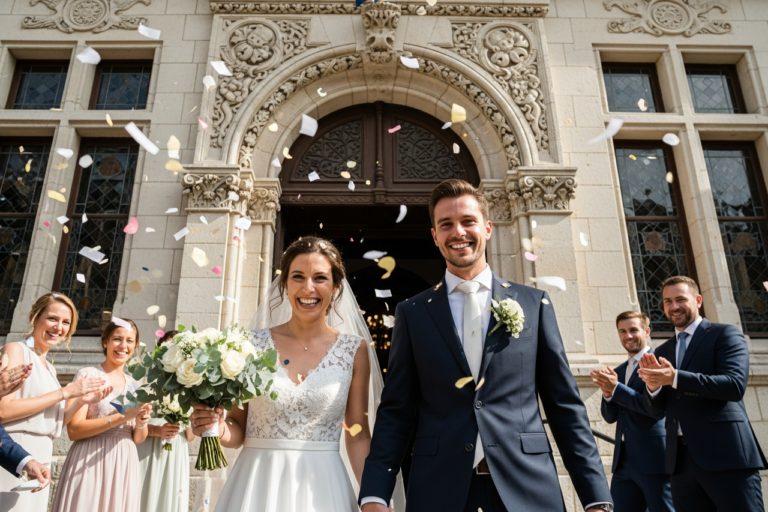
French wedding traditions usually start with a civil ceremony at the town hall, called la mairie.
-
One custom has people cut white ribbons tied across the road. It stands for beating challenges in life.
-
For the reception, there is a vin d’honneur, or cocktail hour, and famous wedding cakes like the tall, stacked le croquembouche.
-
Unlike american weddings, french couples have official witnesses at their ceremony. They do not have big bridal parties with bridesmaids and groomsmen.
-
Family is at the center of these weddings. Close relatives and friends take part and help with the celebration.
-
The parties are full of energy. People dance all night and enjoy local food specialties.
Introduction
Have you ever thought about what makes a French wedding so special? These events come from old and loved traditions in French culture. A French wedding is not just about the legal part. It is a mix of rules, what people want, and happiness. These wedding traditions show us how much the French care about family and love. People also enjoy spending this good day with friends and family. This is what makes every French wedding stand out and stay in the heart.
The Essential Order of a French Wedding
One major difference in a french wedding is how things happen during the wedding day. In many places, the events happen at the same time. But in France, the wedding day often has two main parts. First, there is a legal ceremony. After that, there is a more personal time to celebrate together. This helps the couple make sure all the rules are followed before they start the big party.
Things on the wedding day usually start with a short civil service. After this, there is a religious ceremony or one that means a lot to the couple. The day ends with a big reception for everyone. This way, the couple gets to have close, smaller moments first, and then spend time with all their family and friends later.
La Mairie: The Legal Civil Ceremony
In France, every couple has to start their married life with a legal civil ceremony at the local town hall, called la mairie. This is a legal requirement, and it’s the only ceremony that counts in the eyes of the law. The event is usually quick, formal, and handled by the mayor or by another official at the town hall.
This civil ceremony is a small event. Only close family members and the couple’s official witnesses are there for it. It is much simpler and smaller compared to a church wedding or any of the bigger symbolic ceremonies people might choose to have after. Those other ceremonies are more about celebration and spirit, not the law.
When the ceremony ends, the couple is given a livret de famille. This is the family record book. The book is an official place where all the big moments in the new family’s life will be written down, such as when children are born. The family record book has a strong symbolic role as the couple starts their new life together.
Symbolic and Religious Ceremonies
After they have taken care of the legal part at la mairie, many French couples choose to have a second ceremony. This next step is often more personal. It might be a religious ceremony at a church, or a symbolic ceremony made to fit the couple in a spot they like, such as a château or a garden.
When it comes to picking between a church wedding and a symbolic ceremony, it usually comes down to the couple’s background and what they believe in. International couples often like symbolic ceremony because it gives them the freedom to mix many family traditions. This helps make the day special and right for them.
These ceremonies are a time for the couple to be themselves. There can be personal vows, special readings from family members, music that means something to them, and even the tossing of flower petals. The main point is to make a day full of family unity that puts their love story front and center.
Traditional Processions and Entrances
The trip to the ceremony is often a party on its own. There is a car procession that is full of energy, with horns sounding and ribbons flying from the cars. This car procession lets the whole town know about the happy day. It is a way for people to show their excitement and be part of the fun. All of this helps to set a joyful feeling for the day.
The bridal procession is also built around family. The groom often walks in with his mother, and then come the flower girls and ring bearers. The flower girls and ring bearers sometimes drop flower petals as they walk. After them, the bride comes in with her father. This is a special part, and everyone looks forward to this moment.
This kind of bridal procession is not the same as ones in most British or American weddings. There is a lot of joie de vivre that you can feel in the air. Also, the way kids are a part of everything and the respect shown to parents show that family is at the heart of this celebration.
Distinctive French Wedding Ceremony Customs
French wedding culture is full of lovely ways to celebrate. Each tradition has a deep meaning. In every wedding ceremony, you feel the family pride and the real art of celebration. As you take part in or watch each ritual, like the walk down the aisle or the exchange of vows, you get a true taste of French life.
These special habits are what make a french wedding ceremony stand out. Let’s go over some well-loved customs. This will include how witnesses are important, the fun white ribbon cutting, and the warm and true exchange of vows.
The Role of Witnesses Instead of Bridesmaids and Groomsmen
One big thing that stands out at a French wedding is that there usually is not a big wedding party. You will not see many bridesmaids or groomsmen. In France, it is common for the couple to have témoins, or official witnesses, instead. Every person who is getting married picks one or two witnesses. So together, there are usually up to four people.
These official witnesses are very important in the civil ceremony. They must come to the event, show their ID, and sign the marriage register. They also offer support to the couple on this special day. These people, often close family members or friends, stand with the couple as they say “I do.”
This french preference shows how much family unity matters at a French wedding. It reminds everyone that the golden rule for this day is that the couple and their closest bonds are what matter most. The day is about the couple, their close family, and their special friends—not about having a big, formal group of people standing by them.
White Ribbon Cutting Rituals
One charming French wedding tradition is the cutting of white ribbons. This is often seen in small villages. As the bride heads to the ceremony, children, who can be the flower girls, hold up long white ribbons to block her way.
This fun act means a lot. The bride needs to cut the white ribbons to move forward. This shows that she can face any problems in her married life. The wedding party and guests cheer for her, making it a lively part of the day. It is always a centre of attention and brings everyone together.
This ritual, with regional variations, adds something special to a french wedding. It is a great way to show the start of a new journey. It lets the couple begin married life with good wishes and shows they can get through anything together.
The Exchange of Vows and Rings
The exchange of vows and wedding rings is a big moment in every wedding. In France, this part can happen during the civil ceremony at the town hall, or later at a symbolic ceremony. The mayor can do the ring exchange at the town hall if the couple wants. But a lot of couples save this special time for their church service or a more personal symbolic ceremony.
This part of the day is full of personal touches. When close family and family members are there, it gets more emotional and means even more. The couple gets to talk about their love and promise to each other in front of the people who care about them the most.
Today, many people add their own style to this tradition. Some couples choose to write their own vows. International couples may bring ideas from their cultures into the symbolic ceremony. This way, every couple can make the exchange of vows really show their story and who they are together.
Family and Friends: Their Unique Roles in French Weddings
In a french wedding, family members and close friends do not just watch the event. They are an important part of the celebration. The whole day comes together because of family unity. The close family and even friends have bigger jobs than most wedding guests would have at other weddings.
This means there is a warm feeling on the day. Everyone takes part and helps make memories. Some of them join in the ceremony. Some lead the fun at the party after the vows. The roles filled by the people closest to the couple are so important. They help people see what is special about wedding traditions in France.
Participation in the Ceremony and Reception
At a French wedding, the wedding guests are not just there to watch. They are asked to join in and be active. The involvement of close friends and family members starts when the ceremony begins. It lasts until the end of the big day, during the lively wedding reception. This makes the whole event feel like something that brings everyone together.
During the ceremony, many close friends or family members may help out. They might give readings, play music, or join in processions. This way, the big day is not only about the couple. It is about family unity. It is about their two families and all their friends coming together.
On this special day, the visible support of wedding guests, close friends, and family members shows the strong and heartwarming bond they share. The way everyone takes part highlights the symbolic role of joining two families at a French wedding.
Toasts, Speeches, and Entertainment
The wedding meal is full of touching and often funny speeches and toasts. The father of the bride, close family, and friends use this time to share real feelings, funny stories, and good wishes for the couple. These moments bring something warm and personal to the day.
For fun and music, there is a big french preference for live bands. The idea is to get everyone dancing and having a good time, sometimes all the way into the early morning hours. Friends often put together games or surprise shows, too. This makes sure everyone has fun and feels part of the action.
This kind of lively fun shows the well-known french wedding joie de vivre. Mixing sweet, caring speeches with exciting dancing really shows how french wedding culture can put together strong feelings and pure fun.
Organizing Invitations and the Guest List
Curating the guest list and sending invitations for a French wedding takes planning. The day is often split into different parts, and not everyone gets to go to each part. The invitations, called faire-part, show in a clear way which parts of the special day each guest is invited to.
Most of the time, people are invited to different parts because a French wedding has stages. Here are the main parts:
-
Civil Ceremony: Only close family and official witnesses go to the legal event at the town hall.
-
Vin d’Honneur: More people come to this cocktail hour, such as friends, some colleagues, and extended family.
-
Wedding Reception: Some people from the vin d’honneur group are also asked to stay for the full dinner and wedding party.
This tiered plan lets the couple invite a lot of people, but they keep the big wedding meal and wedding reception more private. It’s a good way that shows a tone of family pride. The couple can share their special day with everyone who matters to them, but each part has its own group.
The Vin d’Honneur: Welcoming Guests in Style
The vin d’honneur is a key part of French wedding culture. It is like a nice cocktail hour that happens right after the ceremony. The idea is for the couple to have time to greet and thank more guests, not just the ones coming for the full wedding reception. This includes people like coworkers or neighbors. At this time, people hold glasses of champagne as they talk and feel happy in an easy and classy way.
This part of a french wedding really helps connect the ceremony to the party at night. It is a way for everyone, even those who won’t stay for dinner, to share in the joy of the special day. Hosting a vin d’honneur means no one is left out, and all guests can be part of the celebration, even if only for a little while.
Purpose and Timeline of the Cocktail Reception
The vin d’honneur serves as a relaxed cocktail hour, typically lasting two to three hours. It immediately follows the wedding ceremony and acts as a prelude to the main French wedding reception dinner. During this time, guests enjoy drinks and appetizers while mingling with the newlyweds and each other.
To give you a clearer picture of how the day flows, here is a typical timeline for a French wedding:
|
Event |
Typical Time |
|---|---|
|
Civil/Symbolic Ceremony |
Mid-afternoon (e.g., 3:00 PM) |
|
Vin d’Honneur |
Late afternoon (e.g., 5:00 PM) |
|
Seated Dinner |
Evening (e.g., 8:00 PM) |
|
Dancing & Party |
Late night (e.g., 11:00 PM) |
|
Late-Night Traditions |
Early morning (e.g., 4:00 AM) |
This sequence is a unique feature of French wedding culture. The extended timeline allows for a leisurely pace, encouraging guests to savor each part of the celebration without feeling rushed, making the entire day a memorable and enjoyable experience.
French Traditions with Champagne and Wine
Champagne and wine are a big part of any French celebration, and this is true for weddings too. The vin d’honneur usually starts with a Champagne toast. Fine wines are served during the whole wedding reception dinner. You can see the French preference for good, local drinks in the way they choose their beverages.
People often pick wine that comes from the region where the wedding is happening. This shows local pride and shares the area’s food and drink history. Here are some well-known local wines and traditions:
-
Sparkling wines from Champagne for raising glasses of Champagne and celebrating.
-
Rich red wines from Bordeaux or Burgundy to go with the main meal.
-
Crisp white wines from the Loire Valley. These are great for fish or starters.
Pouring glasses of Champagne is special and marks the start of the couple’s married life. Many people like to make a Champagne tower with a bottle of Champagne. They pour it over a stack of glasses. This looks great in photos. It also stands for plenty and lots of joy at the wedding reception.
French Wedding Reception: Dining and Celebrations
The French wedding reception is all about great food, lots of dancing, and big, joyful moments. After the vin d’honneur, everyone sits down for a dinner with many courses. This dinner often goes on for hours. There are talks from the wedding party, a lot of laughs, and fun surprises to make the night special.
This is the time when the art of celebration comes out. There is the show when wedding cakes are brought to the table in style. The party does not stop and can go all night until the sun comes up. The wedding reception is set up so people have the best time. People enjoy good food, amazing desserts, and a night full of fun that the guests will not forget. This is why a french wedding is known for being so special.
Signature Dishes and Regional Specialties
The wedding meal, or repas de noces, is like a food marathon. A french wedding is known for the way it has a long, fancy dinner with many different dishes. People will often see plates of duck, beef, or fresh fish. Each plate is made with care, using very good ingredients and showing the chef’s skill and attention to detail.
The food at a french wedding often highlights flavors from the couple’s home area. This lets guests taste something special. Here are some traditions you might see at these weddings:
-
Guests may get hearty onion soup in the early morning hours to help them recover after all the eating and fun.
-
There can be big seafood platters, which are especially common if the wedding is by the sea.
-
Before dessert, a wide cheese course may come out, with cheeses from around the area and from all over France.
For a french wedding, food is not just something people eat. It is one of the most important parts of the day. The love of good food shows the french joie de vivre and the art of celebration.
French Wedding Cakes and Le Croquembouche
When you talk about wedding cakes in France, you see they love to make things big. People now like tall cakes with many layers, but the most loved and well-known dessert is the croquembouche. This tall, cone-shaped tower is made from small cream-filled puff pastries called choux. They stick together with sweet, golden caramel.
Bringing out the wedding dessert is an important moment at the party. The waiter often brings in the croquembouche with sparklers on top and lots of excitement. Many times, there is the popping open of a bottle of champagne. This dessert is there as a centerpiece and is a big part of the symbolic ceremony at the reception. The croquembouche tastes as amazing as it looks and is a moment people remember.
While many still want the classic croquembouche, some couples add a new touch. They mix French sweets with others from around the world. There are sometimes dessert tables with macarons, fruit tarts, and more pastries to go with the main wedding cake. This way, every guest can find the sweets they want.
All-Night Dancing and Festivities
Get ready to have a good time, because one thing people always enjoy at a french wedding is dancing all night. After a long dinner, the party often starts around midnight. It is normal for the fun to last until the early morning hours. You can feel the energy on the dance floor, and it keeps going for a long time.
The night usually starts with the couple’s first dance. After that, the wedding party and the guests all get on the dance floor soon. Many people like to have live bands at their french wedding, because they can play all kinds of music. This helps get people from every age group up and moving. The idea is to make the night bright, full of life, and to keep the celebration going.
People have this big celebration because they love a good party in France. It is a time when both family and friends come together to have fun without holding back. It’s a great way for everyone to celebrate the new couple and take part in a special french wedding tradition.
Conclusion
Exploring french wedding traditions gives you a look at unique customs that make weddings special. The legal ceremony at la mairie comes first. After that, symbolic moments help show the love and unity between the couple. Family and friends play a big part at every step. They join in and give warm toasts that add so much to the day.
The vin d’honneur starts things with a warm welcome. The reception follows and is filled with great food and fun times. Learning about wedding traditions like these not only makes the event better, but also shows how much we value culture and history. If you want to plan a french wedding or just know more about these customs, you can reach out for insights or help.
Frequently Asked Questions
What are the most popular wedding traditions in France?
Some of the things people like most at a french wedding are the legal ceremony at la mairie and the vin d’honneur cocktail hour. People also have fun cutting white ribbons. At the end, they serve le croquembouche, which is a well-known wedding cake. These customs help make the event special for everyone there.
What do French couples typically wear at their weddings?
French brides often pick elegant gowns that look good for many years. French grooms wear classic suits or tuxedos. Wedding clothes for both the bride and groom are smart and look stylish. Guest attire is also formal. Men usually wear suits that fit well, while women pick nice dresses and sometimes hats. This is common at church weddings and shows how French people like to look chic and show respect for the event.
What is the meaning behind common French wedding favors?
French wedding favors often have a symbolic role. A common favor is a small bag with five sugared almonds, called dragées. These almonds stand for health, wealth, happiness, fertility, and long life in the couple’s married life. This special tradition is a good way to show what French wedding culture and wishes for the new couple are all about.



