

Key Highlights
-
A belgian wedding is made up of two parts. There is a civil ceremony that must be held at the town hall. There can also be another ceremony that is religious, but it’s not required.
-
The bride carries a wedding handkerchief. This handkerchief is special and gets passed down to others in the family. People also do the “napkin waving” dance when the song ‘Le Connemara’ plays, making the party lively.
-
The wedding celebration often takes place in stages. Some guests get to come to the reception, others to the dinner, and some to only the late-night party.
-
Family be part of the wedding from the very start. They meet each other before the couple gets engaged, and join in many wedding day activities as well.
-
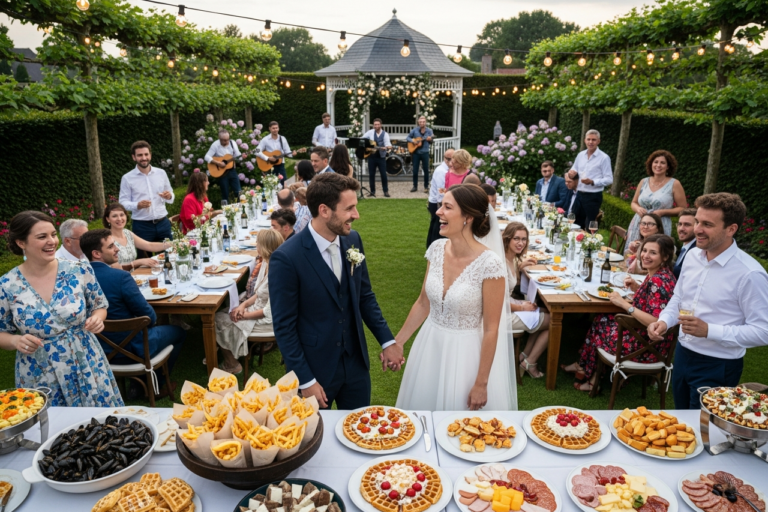
Belgian wedding receptions are known for great food. Guests get to have lots of dishes, big dessert tables, and plenty of champagne.
-
Some acts hold a deep meaning, like putting rings on the third finger of the left hand. There are also new ideas, like the ‘Wine Parade’, to help everyone have a day they won’t forget.
Introduction
Have you ever thought about how people say “I do” in different parts of the world? A Belgian wedding is a mix of old ways and new fun. The wedding traditions you see in Belgium are not like what you may know. They have legal steps you need to take, special family moments, and big parties that can last until the sun comes up. From saying your vows at the town hall to waving napkins high on the dance floor, seeing a wedding in Belgium lets you see how much people there love to get together and celebrate.
The History and Evolution of Belgian Wedding Traditions
Belgian wedding traditions come from many years of history. Like other wedding customs in Europe, they grew out of things that started a long time ago. They mix different ideas from many parts of the country and old religious ways. What people see on the wedding day is a wonderful mix of the old and the new.
When you know about this history, you can better see what makes every wedding ceremony and party special. Let’s look at how these belgian wedding traditions started, what different regions brought to them, and how they changed for life today.
Early Belgian Marriage Customs Over the Centuries
Long ago in Europe, marriage was often about making deals and being practical. It was not just about love. Families would use a marriage contract to make the agreement official. These old ways are the start of many wedding day traditions people still enjoy today.
One of the most well-known symbols from ancient times is the wedding handkerchief. The bride would carry a handkerchief on her wedding day. Many times, her name would be on it. She would later give this handkerchief to the next woman in her family who was getting married. This nice custom helps women in the family feel close to each other, as this one item gets passed down.
Because of these roots, the wedding day means more than just saying “I do.” Today, the focus is on love, but these long-held ways make each celebration richer. So, people feel tied to those who came before them, and these old customs still have a place in weddings now.
Influence of Religion and Regional Differences
Religion has had a big part to play in belgian wedding traditions for a long time. Many couples see a church wedding just after the civil ceremony as a must. These religious ceremonies give a deep and special feeling to the day. The vows and blessings happen in a quiet place, making it mean even more for the couple.
Still, because belgium sits right in europe and is close to countries like france and the netherlands, there are different traditions in different areas. What you see at a belgian wedding in the Flemish area in the north can be different from a wedding with the french language in the south. This mix from all over is what makes belgian wedding traditions stand out.
A civil ceremony that must be held at the town hall is something that makes belgian wedding different from weddings in other places. This legal step must happen first, so the state knows and marks the marriage. Only after the civil ceremony at the town hall can religious ceremonies take place, and not the other way around. Having these two parts is a big part of what makes a belgian wedding just what it is.
How Belgian Traditions Have Modernized Over Time
While many old customs are still there, modern weddings in Belgium have changed in many ways. Today, couples like to make the wedding celebration their own. They often mix old ways with new styles. The big goal is to give themselves and their wedding guests a day they will never forget.
For example, there is a tradition where the bride passes a wedding handkerchief to the next female member of the bride’s new family. Some people now choose to hold on to this handkerchief. They plan to keep it as something special for their own child, not just give it to a sibling or cousin right away. This shows how new family traditions can begin.
Wedding parties in Belgium are now bigger and fancier. The important parts are still there, but the couple often adds something modern, like a DJ who plays a good mix of international and local music, a photo booth, and different kinds of fun things for everyone. The idea is to have a wedding celebration that lets all the wedding guests enjoy themselves. At the same time, they want to make sure they show who they are as a couple and honor their roots as well.
Engagement and Pre-Wedding Rituals in Belgium
Before the big day, every Belgian wedding starts with special pre-wedding events. This is a time for much more than waiting for the wedding day. Families use this time to get to know each other. The couple also shows their plan to stay together for life. The marriage proposal, family introductions, and the exchange of gifts with meaning are all big parts of this time.
These ways and ideas help both families feel close by the wedding day. Everyone starts to act and feel more like one big family. Let’s take a good look at how these important events help get things ready for the main celebration.
Family Introductions and Announcements
In Belgium, the start of an engagement often begins with formal family introductions. The groom’s family and the bride’s family come together to meet each other and share in the couple’s joy. This isn’t just a simple visit. It’s a sign of respect and shows that the two families will become one.
At these meetings, you will usually find parents and close family members. It is a good time for everyone to meet and talk before all the wedding planning takes off. This special meeting makes the couple’s union important to the family, even before wedding invitations go out.
This focus on including family right from the start is a big part of Belgian culture. It means both sides—the groom’s family and the bride’s family—will give their support to the couple as they begin a new life. Both families care about their happiness and their future together.
Symbolic Gifts and Exchange of Rings
The exchange of rings is a strong symbolic act in Belgian culture. People there have the wedding ring on the third finger of the left hand. This tradition is linked to an old belief called the “vein of love.” People once thought this vein goes straight from that finger to the heart.
Couples usually exchange rings during the engagement. By doing this, they make their promise clear for everyone to see. Most of the time, the bride gets the engagement ring. During the wedding, both people get wedding bands. At times, an important family heirloom, like a grandparent’s ring, is used to add even more meaning to the ritual.
This ceremony is one of the biggest signs of a couple’s connection. The most important things are:
-
The wedding ring goes on the third finger of the left hand.
-
This idea comes from an old Roman belief in a “vein of love.”
-
Rings stay on as a clear reminder of the marriage vows.
The Role of “La Demande en Mariage” (Marriage Proposal)
“La Demande en Mariage,” or the marriage proposal, is a special moment that starts the wedding journey. Now, proposals can be quiet and just for the two people or big and shared with others. But at its heart, it is about one person asking the other to join together as a married couple.
When the bride says yes, it kicks off everything else. The couple’s relationship grows, and it is time for new beginnings. They start the pre-wedding steps, like family introductions and planning for the big day. This is when they really start the path to their wedding day.
This time means the couple will be together and share their future. The happiness from the proposal stays with them as they get ready for the wedding. The excitement builds all the way to the wedding day, when their love is celebrated by all their family and friends.
Belgian Civil and Religious Wedding Ceremonies
A Belgian wedding is known for having two parts. The couple must have a civil ceremony first. This takes place at their local town hall. In Belgium, you can only get married in a religious setting after this legal step. Having the civil ceremony first is not the case in many other countries.
This two-part system lets people meet the legal rules and celebrate their beliefs. The couple handles all the official documents and then says their vows during the wedding ceremony. Each part is important. It helps start their new life together the right way.
Legal Requirements for Marriage in Belgium
Getting married in Belgium involves a straightforward but strict legal process. The first and most critical step is the civil ceremony at the town hall (mairie/stadhuis). This is the only legally recognized form of marriage in the country, and no religious service can happen without the legal marriage certificate.
Couples must provide specific documentation to the registrar, which can include birth certificates, proof of identity, and proof of residency. The process ensures that all legal conditions for the marriage are met before the union is formalized. The signing of the marriage contract is a key moment in this ceremony.
Here is a summary of the typical documents required.
|
Document Type |
Purpose |
|---|---|
|
Birth Certificate |
To verify age and identity. |
|
Proof of Identity |
A valid passport or national ID card. |
|
Proof of Residence |
To confirm jurisdiction of the town hall. |
|
Certificate of No Impediment |
To prove you are legally free to marry. |
Structure of a Typical Belgian Wedding Ceremony
The wedding day in Belgium has different parts. The day starts with the civil ceremony at the town hall. This is often a short and formal event. The couple, their witnesses, and close family are there. During this, the mayor or another official handles the legal steps. The couple signs the marriage papers to make it all official.
After taking care of the legal needs, many couples choose to have another part of the day at a church. This ceremony is more personal and full of feeling. The couple will share their marriage vows in front of more friends and family. This part really shows the meaning behind their vows.
Once the weddings vows and ceremonies end, the celebration can begin. Guests are often invited to different stages, like a reception with drinks and snacks, a sit-down dinner, and an all-night party full of music and dancing. By planning the wedding day with these parts, couples can spend time with both close family and other people throughout the day.
Balancing Civil and Church Weddings in Belgian Culture
For many people in Belgium, finding the right mix between the civil ceremony and the church service is very important for their wedding day. The civil ceremony takes place at the town hall and must be done by law. It is the step that makes sure the belgian wedding is official in the eyes of the state.
The church wedding is where a lot of joy comes in, especially for families who care about faith. This is the time for saying personal vows, hearing sacred music, and asking for spiritual blessings. The couple promises to love each other in front of God, their families, and all the wedding guests. Most people who come to the wedding will be there for this part.
Having both the civil ceremony and the church wedding lets couples respect the rules and the spiritual parts of belgian wedding traditions. It gives their belgian wedding day a formal beginning followed by a happy and warm feeling. These two wedding traditions together are a big reason why belgian weddings are special.
Traditional Belgian Wedding Rituals and Symbolic Acts
Besides the formal vows, Belgian wedding traditions have many sweet acts and little rituals. These moments give the day more meaning and show the personality of the couple. For example, when the couple gives each other a wedding ring, it stands for endless love. There are also special wedding traditions in each part of the country. These things make a Belgian wedding different from others. Guests notice these details, and couples hold onto these memories for many years.
These wedding traditions help turn a normal ceremony into a moment to remember. Now let’s take a look at some traditions you may see at a Belgian wedding. The passing of a family handkerchief is one example. There might also be a well-loved song that will get people up on the dance floor. Each small act helps show what makes belgian wedding traditions stand out from the rest.
Unique Rituals Performed During the Ceremony
One of the most sweet Belgian wedding traditions is the use of a wedding handkerchief. The bride carries this handkerchief, which is often from her family or has her name stitched on it. After the wedding, she gives it to her next female family member who is not married yet. This starts a chain that keeps going from one wedding to the next, linking the family.
The handkerchief becomes a strong sign of family ties and history. Each time it is passed to the next female member of the bride, the tradition stays alive and connects many generations of married women.
There are other simple rituals that make the belgian wedding special.
-
The Wine Parade: At the dinner, servers go in with wine and show it to the groom. They wait for his yes before pouring wine for the guests.
-
Ring Exchange: People place the wedding ring on the third finger of the left hand. Many believe this finger connects to the heart with the “vein of love.”
-
Confetti Toss: When the married couple leaves the ceremony, guests throw confetti or flower petals. This shows good wishes and hopes for a happy life.
These belgian wedding traditions bring closeness to the families, make the day full of charm, and share the good wishes to every married couple.
The Significance of ‘Le Connemara’ in Belgian Weddings
If there is one song that stands out at a Belgian wedding, it has to be “Le Connemara.” This French song about Ireland, by Michel Sardou, is now the song that everyone in Belgium looks forward to during the wedding celebration. When people hear the first notes, wedding guests know what comes next.
The wedding guests grab their cloth napkins and walk over to the dance floor. People start waving napkins in the air. You can feel the energy as everyone joins in. This includes young kids and grandparents. The bride and groom usually stand up on chairs and lead the fun.
This tradition is about being together and having some good times. It helps people relax, break the ice, and feel like one group on the dance floor. The mix of a French song about Ireland used at a Belgian wedding just makes it all the more unique and joyful. It is always one of the best parts of the wedding celebration.
Customs that Differentiate Belgian Ceremonies from Other Cultures
Belgian weddings are different from other weddings in Europe. They have special things that make them unique. The main thing is the civil ceremony, which you must have before any religious service. It is a two-step process and not everyone in Europe does it this way.
The way people invite guests in Belgium is also different. Some guests come to the reception, some to dinner, and some only to the evening party. Couples do this to help with costs and still have many people with them to celebrate. The bride or her gifts often feature famous Belgian lace, which is another thing you see at a Belgian wedding.
There are some customs that really show what a Belgian wedding is like:
-
Napkin Waving: People dance happily and wave napkins to “Le Connemara.” It is something seen at Belgian weddings.
-
Dessert Buffets: There is not just a wedding cake. You can find a big table full of desserts like pastries, chocolates, and fruit.
-
Party Until Dawn: The party goes on until early morning. Food and drinks are given the whole night so people keep having a good time.
The Belgian wedding brings together special ways of doing things in Europe, from the civil ceremony to the lace, and builds on good hospitality.
Belgian Wedding Attire and Dress Codes
When it comes to wedding clothes in Belgium, people like to keep things simple and elegant. The bride and the groom usually wear outfits that look nice but are not too flashy. This style can also be seen in what wedding guests choose to wear. Most people go for a classy look that stands the test of time. The overall goal is to look neat and stylish without being too bold.
The bride often wears a gown that may use Belgium’s famous lace. Wedding guests also dress in smart clothes that match the day’s feel. Fashion, in all its forms, helps set the look for the wedding. Now, let’s see how old style mixes with new ideas in wedding fashion in Belgium.
Traditional Bride and Groom Outfits in Belgium
For Belgian brides, the wedding dress is all about simple, elegant style. There are many types of dresses, but most people choose gowns with great fabrics and classic shapes. One well-known part of many dresses is Belgian lace. This special lace, which comes from places like Bruges, is often seen in the dress, the veil, or in small details like accessories.
The goal is to have a look that never goes out of style. Many Belgian brides pick dresses that are simple and smart. They stay away from short-lived trends because they want a dress that feels right for them now and into the future. The focus is on wearing something personal, pretty, and letting their own style show with a touch of tradition.
The groom also dresses with care for the big day. He will usually wear a suit or tuxedo that fits well. Good colors for the groom are black, navy, or dark gray. The look is always sharp and neat, so it matches the bride’s elegance and brings a formal, happy feeling to the whole day.
Dress Codes for Guests and Wedding Party
Wedding etiquette in Belgium covers how wedding guests should dress on the wedding day. The invitation will often say what you need to wear. Usually, everyone is asked to look neat and stylish. Men mostly go for a suit and tie. Women often wear a smart dress or a nice skirt and top.
Bridesmaids are not a main part of the wedding like in American weddings. If there are bridesmaids, their outfits match, but can be more flexible. Each can pick a dress in a set color group. The main idea is to have the wedding party look classy together.
In the end, every guest should look clean and show respect with what they wear. Loud colors or very casual outfits are not the thing. When people follow the dress rules, they show they care for the couple and the special moment. This helps make the wedding day in Belgium look and feel lovely for all the wedding guests.
Modern Influences on Belgian Wedding Fashion
While belgian wedding traditions go way back, today’s brides and grooms want to show off their style, too. In modern weddings, people look for outfits that mix timeless looks with their own taste and practicality. Many now pick wedding clothes that they can wear again.
A bride might pick a simple dress that she can change later or use again for another event. Some go for a chic two-piece look or even a jumpsuit. These choices add to the push for practicality, longevity, and sustainability during weddings. Grooms are getting creative, too, with suit colors and small details that show their personalities.
All this comes together to make belgian wedding fashion fun and modern. Couples can find ways to bring in the elegance of belgian wedding traditions and also add something new and special just for them. This mix makes their day look good and feel real.
Celebrations, Food, and Music at Belgian Weddings
The wedding reception is where a belgian wedding really takes off. After the ceremonies, the wedding celebration moves to a venue for a night filled with great food, good music, and lots of dancing. The hospitality at belgian weddings stands out. Everyone there works hard to make all guests feel welcome, and no one leaves hungry.
From the first glass of champagne at the reception to the last dance before sunrise, the party is the heart of the event. Let’s look at the tasty belgian dishes, special group dances, and fun things people do at a wedding reception. These are the things that make a belgian wedding celebration memorable.
Signature Belgian Dishes and Drinks Served at Receptions
A Belgian wedding reception is a real treat for your senses. It is a big part of Belgian hospitality and known for great food. This celebration often starts with a champagne reception. There are tasty treats served at this time—many people enjoy the seafood, like oysters.
The main meal comes in a few courses. You get to try foods from the Flemish or Walloon regions. One of the fun traditions is called the “Wine Parade.” Servers bring out the wine for the groom to taste before everyone begins dinner.
Belgians do not just focus on a wedding cake. They go all out with a big dessert table. This buffet can have a lot of different chocolates, pastries, fresh fruit, and big bowls of candy for everyone.
Key culinary highlights often include:
-
Seafood Stations: These can be fresh oysters served in the shell.
-
Multi-Course Dinner: You will see and taste regional Belgian dishes.
-
Lavish Dessert Buffet: This is a big table with desserts, which is so much more than a wedding cake.
A belgian wedding is made special with good food, fun traditions with the groom, and a show of real hospitality at every wedding reception.
Popular Music and Wedding Dances in Belgium
Music is like the heartbeat at a Belgian wedding celebration. People fill the dance floor and there are very few moments when it is empty. The couple starts with their first dance, but that is not all. The real party kicks off with a special moment called the “Le Connemara” napkin dance. Everyone joins in, and it feels full of fun and big energy. This really sets the mood for the rest of the night.
After this traditional wedding day dance, the DJ or band will play all kinds of music. You will hear old American disco songs, big 80s hits, new pop tracks, and some traditional Belgian music too. The goal is to keep people dancing on the dance floor for as long as they can. For some, the wedding party will go on until the sun rises and a new day starts.
Every wedding day is a big celebration in Belgium. The music is all about making people happy and helping them have a great time. There can be sweet moments, like the father-daughter dance, and there will also be well-known party songs. This mix means that people of all ages can get on the dance floor, enjoy the wedding, and have some of the best memories of that special night.
Festive Activities and How Families Participate
The wedding celebration in Belgium brings the whole family together, and everyone gets to take part. One big custom is the multi-part reception. In this party, the bride and groom invite different groups of guests to different parts of the celebration. Close family and friends are there for it all—from the ceremony up to the late-night dancing.
Family members are a big help during the wedding celebration. Parents might stand up to give good wishes or a toast. Siblings help out and set up surprises for the couple. When the main party ends, the day isn’t always over. Some couples invite their guests to stay overnight and enjoy breakfast together before going on their honeymoon. That lets the fun carry on for a little longer.
Family is at the heart of the day:
-
The Wine Parade: This often goes to the groom’s table first.
-
Toasts and Speeches: Parents and close family give good wishes and share stories.
-
All-Night Celebration: The new family and friends dance all night, with lots of food and drinks, so everyone keeps having a good time.
Conclusion
Belgian wedding traditions show a mix of history, culture, and new ideas. From getting engaged to having religious ceremonies, every part of a belgian wedding tells something about belgium and its past. The wedding traditions, special clothes, and ways to celebrate make a belgian wedding a time to remember for the couple and their families. Learning about these belgian wedding traditions can help you enjoy weddings in belgium even more. You get to be a part of something special and can join in better with others. If you’re planning your wedding or going to someone’s, knowing about these wedding traditions will make the day even better. If you want more about belgian weddings, go ahead and explore more around you.
Frequently Asked Questions
What are the most commonly observed Belgian wedding traditions?
The most common Belgian wedding traditions start with a required civil ceremony. This takes place at a town hall. After that, there can be a religious service, but it is not needed. One important tradition is the exchange of the wedding ring. The bride may have a special wedding handkerchief for the day. At the reception, people enjoy a fun dance called the “Le Connemara” napkin dance with the married couple. These are all things you might see in a Belgian wedding.
Are there special customs for wedding gifts or favors in Belgium?
In a Belgian wedding, many people give cash gifts. This is very common and helps the couple get their start together. On the wedding day, guests often get wedding favors called “suikerbonen,” which are sugar-coated almonds. These are a way for the couple to say thank you. They also show the sweetness of the wedding day. Wedding favors are a testament of gratitude.
How is a Belgian wedding day typically structured from start to finish?
A belgian wedding day starts with a civil ceremony at the town hall. There, the couple gets their marriage certificate. After that, it is common to have a religious ceremony. Then, everyone goes to the reception. People share a good meal at a formal dinner. The night often ends with dancing that can go on until the sun comes up.



