

TL;DR: Trinidad and Tobago Independence Day falls on August 31 each year, marking the country’s independence from British rule in 1962. Trinidadian-American communities across the United States celebrate with festivals, food, and music.
August 31 holds deep meaning for Trinidadian and Tobagonian people around the world. It marks the day in 1962 when Trinidad and Tobago officially became an independent nation, free from British colonial rule after more than 150 years. More than six decades later, the occasion is still celebrated with tremendous pride—both on the islands and across the Trinidadian diaspora in the United States.
For Trinidadian-Americans, Independence Day is more than a date on the calendar. It’s a moment to reconnect with culture, heritage, and the people they love back home. Celebrations often include local festivals, traditional food, soca and calypso music, and heartfelt gestures.
This guide covers everything you need to know about Trinidad and Tobago Independence Day 2026: its history, how it’s celebrated, and how you can participate—no matter where you are in the world.
What Is Trinidad and Tobago Independence Day?
Trinidad and Tobago Independence Day is a national public holiday observed on August 31 each year. It commemorates the country’s independence from the United Kingdom, which took effect on August 31, 1962.
Before independence, Trinidad and Tobago had been under British colonial rule since 1802. The road to independence was long, shaped by political activism, labor movements, and the influential leadership of figures like Dr. Eric Williams, who became the country’s first Prime Minister.
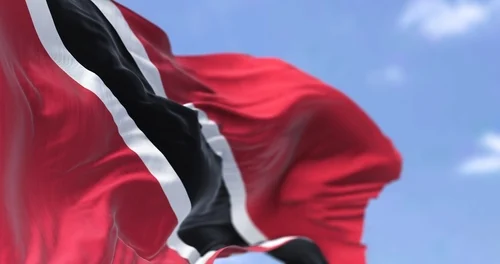
When the Union Jack was lowered and the red, white, and black flag of Trinidad and Tobago was raised for the first time, it signaled not just political independence—but a new national identity rooted in diversity, resilience, and culture.

How Is Independence Day Celebrated in Trinidad and Tobago?
National Ceremonies and Parades
In Port of Spain, the capital city, Independence Day is marked with a formal ceremony at the Queen’s Park Savannah. The event typically includes a military parade, the raising of the national flag, and speeches from government officials. Schools, community organizations, and cultural groups participate in processions that reflect the country’s rich multicultural heritage.
Music, Food, and Festivities
Trinidad and Tobago is the birthplace of calypso, steelpan, and soca music—and Independence Day celebrations are filled with all three. Street parties, concerts, and community gatherings bring people together around food like doubles, roti, pelau, and bake and shark.
The celebrations are a reflection of the country’s motto: “Together we aspire, together we achieve.” The spirit of unity runs through every part of the day.
Flag Raising and School Events
In schools across the country, students take part in flag-raising ceremonies, recite the national pledge, and perform cultural presentations. These traditions help younger generations stay connected to the history and values that shaped their nation.

How Do Trinidadian-Americans Celebrate Independence Day?
Trinidadian-American communities across cities like New York, Miami, and Toronto bring the celebration to their neighborhoods each year. Events often include:
- Cultural festivals featuring live soca and calypso performances
- Food fairs showcasing traditional Trinidadian cuisine
- Community gatherings organized by Trinidadian diaspora organizations
- Streaming national ceremonies to stay connected with events back home
Why Staying Connected Matters
Distance doesn’t weaken the bond that Trinidadian-American families share with home. If anything, moments like Independence Day make that connection feel stronger. Sending money to a parent, sibling, or friend back in Trinidad and Tobago is a way of saying that no matter how far you’ve traveled, you’re still part of the community that shaped you.
Frequently Asked Questions About Trinidad and Tobago Independence Day
When is Trinidad and Tobago Independence Day 2026?
Trinidad and Tobago Independence Day 2026 falls on Monday, August 31, 2026. It is a national public holiday in Trinidad and Tobago, observed annually on August 31.
What year did Trinidad and Tobago gain independence?
Trinidad and Tobago gained independence from the United Kingdom on August 31, 1962. The country had been under British colonial rule since 1802.
Who was the first Prime Minister of Trinidad and Tobago?
Dr. Eric Williams was the first Prime Minister of Trinidad and Tobago. He played a central role in the country’s independence movement and led the nation from independence in 1962 until his death in 1981.
How do Trinidadian-Americans celebrate Independence Day in the US?
Trinidadian-American communities celebrate with cultural festivals, food fairs, live soca and calypso performances, and community gatherings.
Celebrate the Day, Support the People You Love
Trinidad and Tobago Independence Day is a time for pride, reflection, and connection. For Trinidadian-Americans, it’s an opportunity to celebrate a shared heritage—and to show the people back home that they’re not forgotten.



