

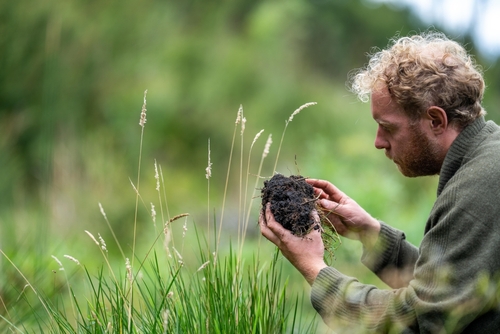
Food connects us all. It brings families together, preserves cultural heritage, and sustains human life. How we grow, transport, and consume our food also leaves a lasting mark on the planet. This connection between our meals and the environment is the heart of Sustainable Gastronomy Day, a global observance celebrated every year on June 18.
As we approach Sustainable Gastronomy Day 2026, people worldwide are paying closer attention to their eating habits. Communities are recognizing that food choices directly impact natural resources, climate stability, and local economies. Sustainable eating is no longer just a trend. It is an essential practice for protecting our planet for future generations.
This guide explains everything you need to know about Sustainable Gastronomy Day 2026. You will learn the history behind this observance, the environmental challenges facing our food systems, and simple ways you can make more responsible food choices. Taking small steps today ensures a healthier, more sustainable world for everyone.
What Is Sustainable Gastronomy Day?
The Purpose of the Observance
Sustainable Gastronomy Day promotes environmentally responsible food systems worldwide. It encourages people to think about where their ingredients come from and how they are grown. The day also builds awareness around sustainable agriculture, ensuring farmers can produce food without depleting natural resources. Finally, it celebrates cultural food traditions and biodiversity, honoring the unique ingredients native to different regions.
When Sustainable Gastronomy Day Is Celebrated
This global event is observed annually on June 18. People and organizations participate through international educational campaigns, local culinary events, and community dinners. It is a day dedicated to learning, sharing meals, and supporting responsible food practices.

The History of Sustainable Gastronomy Day
How the Observance Began
The United Nations officially established Sustainable Gastronomy Day in December 2016. The UN recognized that gastronomy is an expression of natural and cultural diversity. This day connects directly to global development goals, emphasizing that sustainable food production is vital for ending hunger, protecting ecosystems, and promoting economic growth.
Why Sustainable Food Systems Matter
Food production significantly impacts the global economy and the natural environment. Unsustainable farming practices can lead to soil degradation, water scarcity, and greenhouse gas emissions. Transitioning to sustainable food systems helps reduce these negative effects. It protects the environment while ensuring communities have reliable access to nutritious food.
Growth of Sustainable Food Awareness
Consumer awareness around food sourcing has grown rapidly over the last decade. People are showing increased interest in local, organic, and ethical food choices. Shoppers want to know the farmers behind their food. They are actively seeking out products that align with their values of environmental protection and fair labor practices.
What Is Sustainable Gastronomy?
Definition of Sustainable Gastronomy
Gastronomy is the study of food and culture. Sustainable gastronomy refers to food practices that carefully consider environmental, cultural, and economic impacts. It involves choosing ingredients that are grown responsibly, transported efficiently, and prepared with minimal waste.
The Role of Sustainable Agriculture
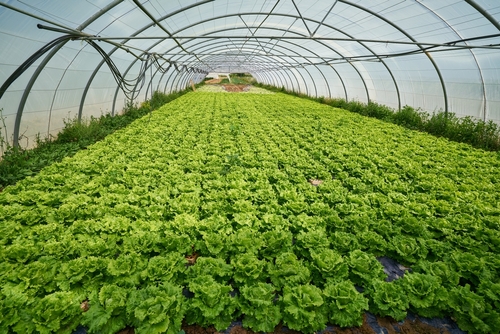
Sustainable agriculture is the foundation of sustainable gastronomy. It involves farming practices that manage natural resources wisely. Farmers use techniques that conserve water, protect soil health, and reduce reliance on harmful chemicals. This approach ensures the land can continue producing food for decades to come.
Preserving Cultural Food Traditions
Sustainable eating also means protecting culinary heritage. Regional cuisines rely on specific local ingredients that have been cultivated for generations. Preserving these traditional foods helps maintain biodiversity. It also honors the cultural identities of communities around the world.
Balancing Nutrition and Sustainability
Healthy eating and environmentally conscious choices go hand in hand. Sustainable gastronomy encourages consuming whole, locally sourced foods that are rich in nutrients. A diet based on seasonal produce supports personal health and reduces the environmental footprint of food transportation.
Environmental Challenges Connected to Food Systems
Food Waste and Resource Use
Wasted food is a major environmental issue. When food is thrown away, all the resources used to produce it are also wasted. This includes vast amounts of land, water, and energy. Reducing food waste at home and in restaurants is a crucial step toward sustainability.
Climate Change and Agriculture
Agriculture is a significant contributor to climate change. Emissions are linked to farming equipment, livestock methane, and the long-distance transportation of goods. Adopting more sustainable farming methods and eating locally can help lower these greenhouse gas emissions.
Water Usage and Soil Health
Freshwater is a limited resource. Traditional farming often requires excessive water use, which can drain local reservoirs. Over-farming also strips soil of vital nutrients. Sustainable farming methods focus on efficient irrigation and crop rotation to keep soil healthy and water plentiful.
Biodiversity and Sustainable Food Choices
Industrial agriculture often focuses on growing a few specific crops. This practice can harm local ecosystems and reduce biodiversity. By choosing a diverse range of foods, consumers can help protect natural habitats. Supporting diverse food sources ensures a more resilient food supply.
How Sustainable Gastronomy Day Is Celebrated
Farm-to-Table and Local Food Events
Communities celebrate this day by hosting farm-to-table dinners and visiting local farmers markets. These events connect consumers directly with local growers. It is a wonderful way to enjoy fresh food while supporting the local agricultural economy.
Educational Workshops and Cooking Demonstrations
Many organizations host sustainability-focused culinary education sessions. Cooking demonstrations teach people how to use whole vegetables to minimize waste. Educational workshops explain the benefits of composting and seasonal cooking.
Restaurant and Chef Initiatives
Chefs play a big role in promoting sustainable gastronomy. On this day, many restaurants feature special menus highlighting local and seasonal ingredients. Some establishments also showcase their ethical sourcing practices and zero-waste cooking techniques.
Social Media and Sustainability Campaigns
Digital platforms help spread the message globally. People share eco-friendly recipes and sustainable food practices online. Social media campaigns encourage users to document their sustainable meals and inspire others to make responsible dietary changes.
Ways to Practice Sustainable Eating in 2026
Buy Local and Seasonal Foods
Purchasing local produce supports nearby farms and keeps money in your community. Eating seasonal foods also reduces the environmental impact associated with transporting goods across long distances. It ensures your food is fresh and flavorful.
Reduce Food Waste at Home
Careful meal planning is an effective way to lower food waste. Create a shopping list before you visit the grocery store to avoid overbuying. Learn proper food storage techniques to extend the life of your produce, and start composting food scraps instead of throwing them away.
Choose Environmentally Responsible Products
Pay attention to how your food is sourced and packaged. Look for sustainable seafood certifications and ethical sourcing labels on items like coffee and chocolate. Choose products with eco-friendly packaging to cut down on plastic waste.
Cook More Meals at Home
Preparing food at home gives you complete control over your ingredients. You can portion your meals accurately to avoid leftovers you will not eat. Cooking at home is also generally healthier and significantly reduces packaging waste from takeout orders.
Support Sustainable Restaurants and Businesses
When you do dine out, choose restaurants that prioritize sustainability. Ask questions about their ingredient sourcing. Supporting businesses that engage in responsible food industry practices encourages others to adopt similar standards.

Sustainable Food Trends and Conversations in 2026
Growth of Plant-Based and Flexitarian Diets
More consumers are exploring plant-based and flexitarian diets. People are reducing their meat intake to lower their personal environmental impact. Plant-based meals require fewer natural resources to produce, making them a cornerstone of sustainable eating.
Regenerative Agriculture and Soil Health
Regenerative agriculture is gaining widespread attention. This farming approach goes beyond simply sustaining the land. It actively focuses on restoring soil health and increasing biodiversity. Healthy soil absorbs carbon from the atmosphere, making it a powerful tool for fighting climate change.
Technology and Food Innovation
Food innovation is making sustainability easier. New technologies are improving sustainable packaging, creating biodegradable alternatives to plastic. Advances in food production technology are also helping farmers monitor water usage and crop health more accurately.
Transparency in Food Sourcing
Consumers demand to know exactly what is in their food and where it comes from. Food companies are responding by offering greater transparency. Clear labeling provides essential ingredient and sourcing information, allowing shoppers to make informed, ethical purchases.
Sustainable Gastronomy for Families and Communities
Teaching Children About Food Sustainability
Education starts at home. Parents are teaching their children about food sustainability through simple, engaging activities. Starting a small garden, cooking together, and providing basic nutrition education helps kids build lifelong healthy habits.
Community Gardens and Urban Farming
Urban farming initiatives are bringing fresh food directly to city neighborhoods. Community gardens allow neighbors to grow their own produce collectively. These local food production initiatives reduce food miles and strengthen community bonds.
Celebrating Cultural Diversity Through Food
Food is a beautiful way to explore different cultures. Sharing traditional cuisines responsibly helps preserve history. When we respect and learn about global food traditions, we promote a more inclusive and connected society.
Why Sustainable Gastronomy Day Still Matters
Supporting Healthier Food Systems
Sustainable Gastronomy Day highlights the urgent need for healthier food systems. When we prioritize sustainability, we see long-term environmental benefits. We also see improved public health outcomes, as communities gain access to fresher, more nutritious foods.
Protecting Natural Resources
We must protect the earth’s finite resources. Sustainable food practices ensure the careful use of land and water. Protecting biodiversity guarantees that future generations will have a rich variety of foods to enjoy.
Encouraging Responsible Consumer Choices
Every meal is an opportunity to make a positive impact. Everyday actions, like buying local produce or reducing waste, contribute directly to global sustainability. Your choices matter, and they help shape a better food system for everyone.
Frequently Asked Questions (FAQs)
When is Sustainable Gastronomy Day 2026?
Sustainable Gastronomy Day 2026 is observed on June 18.
What is Sustainable Gastronomy Day?
It is an international observance that promotes environmentally responsible food systems and sustainable eating practices.
Who created Sustainable Gastronomy Day?
The United Nations established Sustainable Gastronomy Day to encourage awareness about sustainability and food culture.
What does sustainable gastronomy mean?
Sustainable gastronomy refers to food practices that consider environmental, cultural, economic, and nutritional impacts.
Why is sustainable eating important?
Sustainable eating can help reduce food waste, conserve resources, support biodiversity, and lower environmental impact.
How can people practice sustainable eating?
People can buy local foods, reduce waste, support sustainable agriculture, and make environmentally conscious food choices.
What is the connection between food waste and sustainability?
Food waste contributes to unnecessary use of land, water, energy, and greenhouse gas emissions.
How do restaurants support sustainable gastronomy?
Restaurants may use local ingredients, reduce waste, support ethical sourcing, and offer sustainable menu options.
Start Your Sustainable Eating Journey
Transitioning to a sustainable diet does not have to be difficult. Start by making small, simple changes to your daily routine. Visit a local farmers market this weekend, or plan your meals to cut down on food waste. If you want to learn more about eco-friendly living, explore local community gardens in your area or seek out restaurants committed to ethical sourcing. Every positive choice you make supports a healthier planet and a more sustainable food system.



