

Key Highlights
-
Viet Nam is home to many religions. The country has Buddhism, Catholicism, and local beliefs like Cao Dai and Hoa Hao. All of these exist together.
-
Ancestor worship and folk beliefs are a big part of Vietnamese culture. You will find household altars in many homes.
-
Religious festivals and lively religious activities happen all year. These events bring in lots of people.
-
The government manages religious life in Viet Nam. It has laws to guide religious freedom for groups that are officially recognized.
-
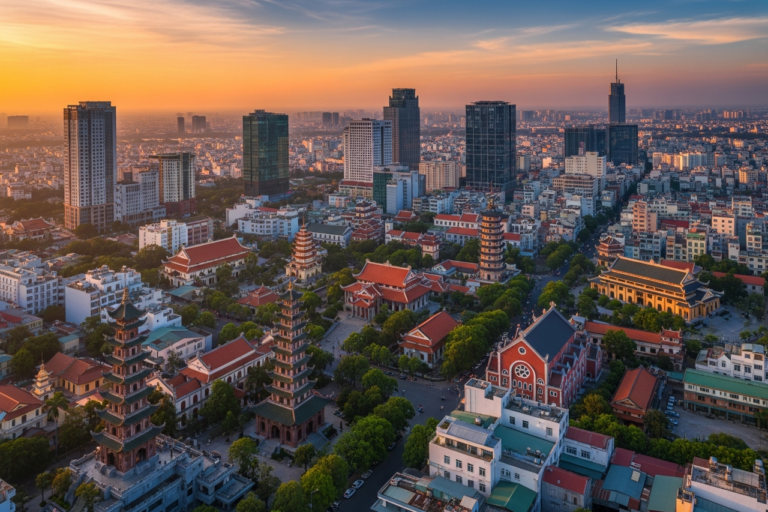
The religious diversity in Viet Nam shows up in many places of worship. You can see old pagodas and large churches throughout the country.
Introduction
Welcome to the world of religion in Viet Nam! This can be an amazing place. The country has a lot of religious diversity. Old traditions mix with the main faiths from around the world. For the Vietnamese people, religious beliefs are much more than old customs. They are a big part of daily life. You will see them in family values and during community events.
This guide will show you the rich spiritual side of Viet Nam. You can learn about the different faiths that shape the hearts and minds of most Vietnamese people.
Understanding Religion in Vietnam Today
The religious life in Viet Nam is made up of many belief systems. Vietnamese people often follow Buddhism. But some also follow Catholicism, Protestantism, and different indigenous religions.
Because of this mix, Vietnamese society has a lively spiritual space. You can see it in the many places of worship and the religious activities happening every day. It shows how there are many faiths and traditions in Viet Nam.
Overview of Vietnam’s Religious Landscape
Vietnam’s religious landscape is very broad. The country has many types of belief systems. There are global religions. There are also some local ways that people believe in. Vietnam’s government recognizes six major religions. These are Buddhism, Catholicism, Protestantism, Islam, Caodaism, and Hoa Hao Buddhism. These major religions mix with old folk traditions that have been in Vietnam for a long time.
Wherever you go in the cities or villages, you see many places of worship. You will find Buddhist pagodas, Catholic churches, Cao Dai temples, and local communal houses. These places are important centers for religious activities. They are also spots where people come together as a community.
With so many faiths in the country, the Vietnamese people often join in a mix of different practices. The people may go to a pagoda during a big festival. At the same time, they keep an altar at home to honor their ancestors. This shows how people use a combined way to enjoy their spirituality and belief systems. This mix can be seen all over the country.
Demographics and Key Statistics on Faith
While Vietnam is officially an atheist state, religion plays a significant role for millions. The government recognizes several religious communities, each with a substantial number of followers. According to official statistics, there are approximately 20 million religious followers in the country.
Different ethnic groups often practice different faiths. For example, the Khmer people in the Mekong Delta predominantly follow Theravada Buddhism, while the Cham people have a long history with Islam. This creates distinct religious pockets across the nation.
Here is a breakdown of the major religious groups in Vietnam based on available data:
|
Religion |
Approximate Number of Followers |
|---|---|
|
Buddhism |
10 million |
|
Catholicism |
6 million |
|
Caodaism |
2.4 million |
|
Hoa Hao Buddhism |
1.3 million |
|
Protestantism |
1 million |
|
Islam |
72,000 |
Evolution of Belief Systems
The belief systems in Vietnam have changed over many years. They were shaped by a long history of different religious ideas coming from inside and outside the country. At first, animistic and folk beliefs were common. Many people trusted in nature and ancestor worship to guide them. Later, ideas and religions from China and India began to mix in. This made Vietnam’s spiritual life rich and complex.
In recent years, people have started to turn back to religious practice. After times when religion was limited, many are getting close to their spiritual roots again. Some do this through organized religion, while others follow old traditions. Because of this, we can see more temples being fixed up, more people joining festivals, and more religious followers.
As Vietnam moves forward, its religious beliefs are changing along with modern life. Traditional beliefs stay strong. But they are also making room for change so they stay important for people in the future. This keeps the spiritual culture lively and ready for what comes next.
Historical Development of Religion in Vietnam
The story of religion in Viet Nam is old and has many layers. It has been shaped by years of meeting other cultures and changing from within. The start comes from people here who believed the world had many spirits. Later on, bigger religions from nearby countries came in and became part of life.
Different kings and their times saw these outside beliefs mix with what was already here. People started to call this mix religious syncretism. It made Viet Nam’s faith feel special and just for the country. In the next parts, you will see how these early ways shaped things, how blending of religions grew, and how colonization changed the way people in Viet Nam believed and practiced their religion.
Early Influences and Introduction of Major Religions
Vietnam’s journey with faith started early, shaped by both India and China. One of the first major religions in the country was Buddhism. It came in the first few hundred years A.D. Buddhism traveled by sea from India and over land from China. This did more than add new beliefs—it changed how people thought and lived.
Soon after, Taoism and Confucianism entered Vietnam from China. These two were more than just religions; they were also ways to guide how people act. They helped form rules for the government, society, and family. They helped people know right from wrong and set patterns for how to live.
For centuries, these three—Buddhism, Taoism, and Confucianism—were at the heart of religious life in Vietnam. They did not only stand side by side. Over time, they mixed together, shaping a unique style of faith and thought that stands out in vietnamese culture today. Major religions have continued to play an important role and have helped build what Vietnam believes and values now.
Dynastic Eras and the Growth of Syncretism
During different dynasties in Viet Nam, the people did not just follow one religion. They brought together Buddhism, Taoism, Confucianism, and their own folk beliefs. This mix gave Vietnamese people their own way to see and understand spiritual life.
Buddhism was strong, especially in the Ly and Tran dynasties. It was even the main religion in the country at that time. Still, Confucian ideas helped guide both the government and how people acted in society. Taoist ways influenced how people made art, saw medicine, or thought about their lives. So, these belief systems lived side-by-side and worked together well.
This mix is called “tam giao,” which means “triple religion.” Thanks to this, the Vietnamese people had different choices for how they handled both daily and spiritual life. For example, someone might use Confucian beliefs at work, do Buddhist practices for inner peace, and follow Taoist ways to stay healthy.
Impact of Colonization on Religious Practices
The French arrived in Viet Nam in the 19th century. They changed the way people thought about religion in the country. With their power over politics and the economy, they brought in and pushed for the Catholic Church. Missionaries had come before, but colonization made the Catholic Church stronger and safer in Viet Nam.
During this time, more Vietnamese people started to be part of the Catholic Church. Some did so because it was better for them socially and politically under the French. The French leaders liked Catholics, which caused problems with those who kept the old religious practices, such as Buddhists. The idea of the state religion went from Buddhism to the Catholic Church.
Also, the colonial rules against old religious practice made things different. Western religion was put front and center, which was not how things used to be. Buddhism, Taoism, and Confucianism had long shaped Viet Nam’s faith and ways of life, but now there was more change and confusion in the country’s religious history.
Vietnamese Folk Beliefs and Their Importance
Vietnamese folk beliefs are at the heart of the nation’s spirit. These belief systems, like ancestor worship, spirit cults, and worship of the Mother Goddess, are part of the culture and daily life.
People still follow these practices today. They are important in family life, community events, and shape what many people think is right or wrong. They help people feel close to their roots and to the spiritual world.
Let’s look at these key traditions more closely.
The Role of Ancestor Worship
Ancestor worship is one of the deepest and most common beliefs in Vietnamese culture. People in Vietnam think that the spirits of family members who have passed away still play a part in their lives. This belief helps to make family ties strong and shows the value of respecting your parents and elders.
You will find a small altar for ancestor worship in almost every Vietnamese home. This is a special place where the family tries to connect with those who came before them. During important times, like religious ceremonies, death anniversaries, and big holidays such as the Lunar New Year, families give food, light incense, and burn paper money at the altar.
Ancestor worship is not just a simple act. It is a core part of Vietnamese culture. This tradition links young and old, helps people choose good paths in life, and makes sure no one forgets what those before them have done. It is a wonderful way to show respect and keep family close.
Spirit Cults and Household Altars
Along with ancestor worship, spirit beliefs are common in Viet Nam’s daily life. Many people believe there are a lot of spirits and gods who watch over different parts of life. Some are the gods of the kitchen, the land, or even national heroes who become spirits after doing great things.
To show respect to these spirits, families in Viet Nam have more than one altar in their homes. There is usually a main altar for ancestor worship. There can also be a small one for the Kitchen God (Tao Quan) or the God of the Soil (Tho Dia). People take part in this religious practice so they can have good luck, feel safe, and keep the peace at home.
These altars are not just for show. People use them every day. Families give small gifts and say prayers at the altars. They do this because they want a good bond with the spirits and believe this will bring good things and growth to their lives.
The strong presence of these folk beliefs and ways from ancestors to the honoring of national heroes is a big part of the daily life in Viet Nam.
Mother Goddess Worship (Đạo Mẫu)
Mother Goddess Worship, called Đạo Mẫu in Vietnamese, is one of the main folk beliefs in Vietnam. In this faith, people show respect to a group of goddesses. They think these goddesses control different parts of the world, like the sky, water, forests, and mountains.
The practices of Đạo Mẫu are bright and full of life. One important religious activity is the “hầu đồng” ritual. In this ceremony, spirit mediums let different deities come through them. During these religious activities, there is music, dance, and detailed costumes. This helps make the event feel strong and real to everyone there.
UNESCO has listed Đạo Mẫu as an Intangible Cultural Heritage of Humanity. This belief is still very active in Vietnam. It helps people feel close to nature, their group, and the idea of the divine feminine. The temples are busy places full of faith and culture.
Buddhism in Vietnam
Buddhism is the biggest religion in Vietnam and has a big effect on many people there. For many years, the ideas of Buddhism have shaped how people in Vietnam act, think, and create art. Vietnamese Buddhism plays an important part in the country’s religious diversity.
You can see signs of Buddhism everywhere in Vietnam. There are calm pagodas all around, and the people take part in different religious activities through the year. In the next parts, we will talk about the history of Buddhism in Vietnam, the main groups people follow, and how it shapes the daily lives of those living in Vietnam.
Historical Roots of Vietnamese Buddhism
The story of Vietnamese Buddhism goes back a long way. It started in the early years A.D. People first brought the faith into Vietnam through two main ways. One was Mahayana Buddhism that came from China in the north. The other was Theravada Buddhism that arrived from India and other places in Southeast Asia, in the south.
Mahayana Buddhism quickly became the most popular in Vietnam. This was especially true during the Ly and Tran dynasties, from the 11th to 14th centuries. At that time, the kings supported it, and it became a big part of Vietnamese culture. During these years, some special Vietnamese Zen groups were started. One well-known example is the Truc Lam school started by King Tran Nhan Tong.
Theravada Buddhism built its main base in the Mekong Delta, mostly among the Khmer people. While fewer people follow Theravada Buddhism than Mahayana Buddhism in southern Vietnam, it is still a very important part of religion there, with traditions and ways of its own.
Main Sects and Regional Variations
The two main Buddhist groups in Vietnam are Mahayana Buddhism and Theravada Buddhism. Their followers live in different parts of the country. Mahayana Buddhism is the most common. Most Vietnamese Buddhists follow Mahayana Buddhism. You will find Mahayana Buddhism everywhere, from the mountains in the north to big cities like Ho Chi Minh City.
Theravada Buddhism, on the other hand, is followed mostly by the Khmer people. They live in Southern Vietnam, especially in the Mekong Delta. Theravada Buddhism is seen as more conservative. It focuses on each person’s path to enlightenment.
You can spot these differences when you walk into different pagodas and watch the rituals. Mahayana temples around the country are often busy and full of people coming in to worship as a group. In the south, Theravada temples are usually more quiet. They feel more like places where monks live and practice. This shows how Mahayana and Theravada Buddhism have their own ways of living, thinking, and worshipping in Vietnam, from Ho Chi Minh City to the Mekong Delta.
Influence on Daily Life and Culture
Buddhism has a big effect on Vietnamese culture and daily life. Many of the vietnamese people follow ideas like karma, kindness, and staying aware of their thoughts. These ideas help guide how people act and treat others, even if they don’t practice Buddhist ways all the time. You can see this in how they show kindness and care for older people.
Many festivals in Vietnam start with Buddhism. Vesak, or Buddha’s Birthday, is an important day for the whole country. There are big parades with lots of color, people let lanterns go up in the sky, and some give time to charity. There is also the Vu Lan festival, called the “Ghost Festival.” Here, people show respect for their ancestors and do good for lost spirits.
Buddhist pagodas in Vietnam are important for the community, too. People go there not just for religious activities. They also go to find some peace, get help or advice from monks, or join with others for cultural events. The way these pagodas look and feel has shaped much of the art and style in Vietnam.
Catholicism in Vietnam
Catholicism is one of the most important minority faiths in Vietnam. It has been in the country for almost 500 years. The Catholic Church has built strong religious communities around the country. You will find a lot of these communities in Central Vietnam and in places near Ho Chi Minh City.
Right now, there are millions of people in Vietnam who follow the Catholic faith. Their way of worship is a lively part of the country’s mix of faiths. In this guide, we will see how the Catholic faith came to Vietnam, where the main communities are now, and the special traditions they have.
Arrival and Spread Throughout the Country
The story of the Catholic Church in Vietnam goes back to the 16th century. It started to grow stronger in the 17th century. European missionaries from Portugal and Spain came with merchant ships. They started to share the message of Jesus Christ with the people.
Catholicism took time to spread. There were times when it was welcomed, but also times when the government did not accept it. In the early years, missionary groups known as the Jesuits played a big role. They worked in both the north and south of Vietnam, building the first Catholic religious groups.
When the French took control of Vietnam in the 19th century, Catholicism was already well known there. During French rule, the Catholic Church grew even faster. Over the years, it became an important part of life in Vietnam, and there are now millions of followers.
Catholic Communities and Notable Churches
Vietnam has lively Catholic communities. There are more than six million people who follow this faith in the country. These religious communities are largest in some places, like the Ninh Binh province in the north and Dong Nai and Binh Thuan provinces in the south. Ho Chi Minh City is also home to many Catholics who are very active.
The people in these communities come together at their local parishes. This is where many religious activities happen, like mass, prayer meetings, and community service. The churches are also very nice to look at. They mix European design with Vietnamese touches.
Some of the most well-known churches in Vietnam are:
-
Notre Dame Cathedral Basilica of Saigon: This is a beautiful church in Ho Chi Minh City. The French built it at the end of the 19th century.
-
St. Joseph’s Cathedral of Hanoi: This church has a neo-Gothic look and is a special place for Catholics right in the capital.
-
Phat Diem Cathedral: This church is found in Ninh Binh. It stands out because it brings together Vietnamese temple styles and European church design.
Festivals and Catholic Traditions
Catholic festivals in Vietnam are celebrated with deep faith and a lot of excitement. The two main events in the Catholic calendar are Christmas and Easter. During these important times, you will see that the churches are filled with bright decorations. People in the community gather together for special religious ceremonies and religious activities.
Christmas has turned into a big holiday in Vietnam. Many people, not just Catholics, celebrate it in the larger cities. You can see lights and decorations all over the streets. Large crowds come out for midnight mass. The joy you see shows how strong Catholicism is in the country today.
Besides these main holidays, every parish holds a special day for its patron saint. They have masses and processions. These religious activities bring everyone together and give people a chance to share their faith. It is a happy time for the church community.
Taoism and Confucianism
Taoism and Confucianism are not organized in the same way as Buddhism or Catholicism. Still, these belief systems have played a major role in building Vietnamese society. They came to Vietnam from China a long time ago. Now, their ideas are a big part of traditions, daily life, and how people act with each other.
These two philosophies give people in Vietnam a strong sense of what is right and wrong. This guides how families work, how people make choices, and even how the country is run. The next parts will look at how Taoism shapes old customs. They will also show how Confucian ideas show up in society. You will also learn about the temples and rituals connected to these belief systems.
How Taoism Shapes Traditional Practices
Taoism has had a gentle but strong effect on Vietnamese culture. You see this the most in how people think about health, try to live in nature, and follow old spiritual ways. The main idea in Taoism is to live in balance with the “Tao.” This means to stay in step with the way the universe works. You can spot this idea in many parts of how people live, even today.
One big way Taoism shapes vietnamese culture is through traditional medicine. In this way of healing, people talk about yin and yang. These are two kinds of energy that everyone has in the body. Keeping them balanced helps you stay healthy. People use this way of looking at health for both finding out what is wrong and for fixing it. This is still a big part of how many get cared for now.
There are many rituals and everyday habits that come from Taoist ideas, too. Feng Shui comes from this way of thinking. It is the art of setting up your spaces at home or work to bring about good luck and balance. Many common rituals, made to keep away bad things or welcome good things, use these principles from Taoism as well.
Confucian Values in Family and Society
Confucianism has played a big role in shaping both the social order and family values in Viet Nam. It is more of a way of living than a religion, but its ideas have been the base for Vietnamese society for many years. The focus on order, respect for rank, and duty has changed how people live and work together.
The ideas at the center of Confucianism are called the “Five Relationships.” They set up a clear order for how people should act with each other: ruler and subject, father and son, husband and wife, older brother and younger brother, and friend and friend. These rules tell people to honor their parents, respect older people, and stay loyal.
Family values like these are still a big part of Vietnamese culture. People see the family unit as the core of life. There is great respect for parents and grandparents. Vietnamese society also believes that education and hard work matter most. All these ways of thinking come from old Confucian religious beliefs. They still show people in Viet Nam how to act and help to keep daily life calm.
Temples and Cultural Rituals
While Taoism and Confucianism do not have big groups that gather together, you can still see them in many temples and in many of the cultural rituals in Viet Nam. Confucianism is respected at the Temple of Literature in Hanoi. This was the first national university in the country, and it is for Confucius and his students.
You can find Taoist gods and ideas mixed with Buddhist ones in many Buddhist pagodas. This shows how people in Viet Nam often blend their spiritual beliefs. At these places of worship, you may see an altar for a Taoist god next to a Buddhist figure. Many of the cultural ceremonies here bring together pieces from all three main traditions.
Religious ceremonies like these are a big part of the lives of people in the community. When there are festivals, for example at Lunar New Year, many visit these temples. They pray for good luck, to be healthy, and for their children to do well in school. They make offerings to a mix of Buddhist, Taoist, and past figures.
Other Religions in Vietnam
Besides the big faiths in Vietnam, there are a few smaller but important religious groups. The country has religious diversity thanks to Protestantism—which has grown in recent years—as well as old groups of Islam, Hinduism, and the Baháʼí Faith.
These religious groups help make Vietnam’s spiritual life rich and varied. In the following sections, you will see a quick look at the history and ways of these groups, including the rise of Protestantism, the special Islamic ways of the Cham people, and more about other minor faiths.
Protestantism and Its Modern Growth
Protestantism was brought to Vietnam in the early 20th century. This makes it newer than many other major religions in the country. Canadian missionary Robert A. Jaffray came to Vietnam in 1911, and he is known for introducing this faith. For a long time, very few people joined, and it mostly stayed in big cities.
But in recent years, there has been fast growth. Many people in the Central Highlands and in the northern mountains have started to follow Protestantism. Now, it is one of the fastest-growing religious groups in Vietnam.
There are now more than a million Protestants in Vietnam. The country has hundreds of churches and a biblical theology institute that the government recognizes. The government is now more open to Protestant religious activities and lets people celebrate holidays like Easter and Thanksgiving in public. This change has helped the group grow even more in recent years.
Islam and the Cham Community
Islam in Vietnam is mostly followed by the Cham people. The Cham are an ethnic minority that has a long past in the area. The Cham first got to know Islam in the 10th or 11th century because of trade with the Arab world. Over time, their faith has taken on its own special features.
There are two main types of Islam among the Cham people. The older type is called Cham Bani. It mixes some local ideas with Islamic ways. Most Cham Bani followers live in Ninh Thuan and Binh Thuan provinces. The newer type is a more pure form of Sunni Islam. This form is followed by Cham communities in An Giang province and in Ho Chi Minh City.
Today, about 72,000 people in Vietnam follow Islam. There are around 79 mosques where they gather. The religious life of the Cham is based on Islamic beliefs, but it often uses local customs. This makes their way of following Islam stand out in Vietnam’s spiritual life.
Minorities: Hinduism, Judaism, Baháʼí, and Others
Vietnam has a wide range of religious groups, with some smaller but strong communities. Hinduism, for example, used to be important for the Cham people before Islam came. You can still see its past in old temples like My Son Sanctuary, but now there are not many people who follow it in an active way.
The Baháʼí Faith is newer and teaches that all religions and people should be united. This faith has some followers in Vietnam, too. It has been in the country since the 1950s and set up local spiritual groups.
Some other religious groups, like Judaism, are very small. These communities mainly have people who moved to Vietnam from other countries, living in big cities like Hanoi and Ho Chi Minh City. All these smaller faith communities add even more depth to the way Vietnam shows religious diversity.
Indigenous Religions Unique to Vietnam
Besides borrowing ideas from world religions, Viet Nam has started its own special faiths right at home. These are called indigenous religions. They began in the 20th century. They mix parts of Eastern and Western ways of thinking. Then they turn these into something new. The best-known ones are Cao Dai and Hoa Hao Buddhism.
These religions show how creative Viet Nam is with its spiritual life. They are a big part of why there is so much religious diversity in the country. Millions of people follow them now. These homegrown beliefs play an important part in how people in Viet Nam see themselves.
Now, let’s take a closer look at how Cao Dai and Hoa Hao Buddhism got their start and what people in these religions believe.
Caodaism: Origins and Core Beliefs
Caodaism, also called Cao Dai, is one of the most interesting indigenous religions in Vietnam. It started in 1926 in Tay Ninh province. This place is still the main center for the Cao Dai religion. Ngo Van Chieu began the religion after he said he got messages from a supreme being named Cao Dai or the “Highest Power.”
The main religious beliefs of Cao Dai are to bring together different religions. It teaches that all religions are just other ways to show the same truth. In Cao Dai, you can find many well-known figures. These include Jesus Christ, Buddha, Confucius, and people like Victor Hugo.
Cao Dai followers use a mix of practices from Buddhism, Taoism, and Catholicism. They often gather in bright and colorful temples, especially the Cao Dai Holy See in Tay Ninh. Their prayer services happen four times every day and are quite special to see with their detailed styles.
Hoa Hao Buddhism: Reform and Community
Hoa Hao Buddhism started in the Mekong Delta in 1939. The founder, Huynh Phu So, wanted to make Buddhism easier for people. He took away many old rituals. He asked people to focus on living their faith every day. You did not need big ceremonies or trips to temples. Monks were not needed all the time.
Huynh Phu So made changes so that people in the country could be part of Hoa Hao Buddhism. He said you can honor your ancestors at your own home. If you try each day to live a good life and help others, you can find peace. This idea worked well with farmers in the Mekong Delta.
There are now over a million followers of Hoa Hao Buddhism in the southern part of Vietnam. These religious communities stand out. People there work together closely and do lots of charity. This shows how the founder wanted religion to be useful and help others.
Keywords: mekong delta, hoa hao, hoa hao buddhism, religious communities
Other Indigenous Faiths and Their Impact
Beyond Cao Dai and Hoa Hao, there are also some smaller indigenous religions in Vietnam. These faiths may not be as large, but they add to the spiritual mix in the country. Like Cao Dai and Hoa Hao, many bring together ideas from different beliefs and ways of thinking.
One such group is Minh Ly Dao. It is like Caodaism because it also tries to bring different teachings into one. Minh Ly Dao and groups like it have their own special books and religious activities. They have their own way of doing things in the community, which adds to the country’s rich religious life.
The impact of these indigenous religions is not just about how many people belong to them. What matters is the way they show a Vietnamese way to think about faith. These faiths are creative, open, and take in new ideas. The things they do for their members and their focus on the community are very important, especially in the southern parts of Vietnam.
Government Policies and Religious Freedom
The state in Vietnam controls religion with rules and set policies. The Constitution of Vietnam says that people have the right to freedom of religion and belief. But this right is still under the laws the government puts in place. There is a group called the Government Committee for Religious Affairs that looks after all religious activities.
This way of keeping watch makes things hard in some ways and brings opportunities for religious organizations. In the next parts, we will talk more about the laws that faith groups need to follow, the things they go through day-to-day, and the different views people have on religious freedom in the country.
Law and Regulation of Faith Groups
The main rules for religion in Vietnam come from the Law on Belief and Religion. This law was made by the National Assembly. It says that all religious organizations must sign up with the government to work legally. The government controls religious affairs to make sure that all actions follow the country’s laws and rules.
Religious groups must meet some steps about their past, how they are set up, and what they believe before they be approved. When they have signed up, they can hold services, teach their leaders, print books, and look after their own places. The Government Committee for Religious Affairs is the group that looks after this sign-up and checks what religious groups do.
But, these rules mean religious freedom is not full. Groups that do not sign up, or that are seen as fighting the government, may not get to do some things. The government says these rules are needed to keep the country safe and together.
Challenges and Opportunities for Religious Organizations
Religious organizations in Vietnam face both problems and new chances at the same time. The biggest problem for many is dealing with paperwork to get registered with the government committee for religious affairs. After this process, they are watched by the government. This can sometimes keep religious groups and leaders from making their own choices.
Religious policy in the country can also shape how people follow their faith. Organizations have to make sure what they do follows the rules set by the government. It is even harder for groups that have not registered. They can have a tough time living out their faith in public without problems. This can lead to issues between religious communities and people in local offices.
But there are some good things happening too. In the past few years, the government has become more open. They have recognized more religious groups and let them hold larger religious events. Because of this, these groups can now do more things to help others and support their communities. This has given them new ways to give back and play a bigger part in society.
Human Rights Perspectives
The issue of religious freedom in Vietnam is seen in different ways. The government says that it respects and protects freedom of belief for everyone. They say this is part of the law. The government also points to millions of followers and many places of worship as proof of their support.
But, some people outside the country, like human rights groups and other governments, have worries about religious freedom in Vietnam. Some reports about international religious freedom say that there are still rules that limit what some religious groups can do if they are not registered. There are also people sent to jail for showing their faith in ways the state says could harm national safety.
These different opinions come from how people understand religious freedom. The state talks about freedom that follows the law. Human rights groups say that people should get to pick and show their faith without government control. This is still a big part of talks about religion in Vietnam these days.
Festivals, Rituals, and Pilgrimages
Celebrations in Vietnam show the heart of Vietnamese culture with many different festivals, rituals, and journeys. There are big events like the Tet holiday. This marks the Lunar New Year and is full of life and color. There are also special religious acts, like Hò dôc and Đám cưới. All of these show strong local beliefs and long-standing ways.
Many people travel to important places, like the Cao Dai Temple in Tay Ninh. Here, people from different religious groups come together to show respect. This brings out how mixed and bright Vietnamese culture is, and how it brings together those with shared values all over the nation.
Major National Religious Celebrations
Vietnam is home to many religious celebrations. These events are diverse and show the mix of beliefs and traditions in the country. Most major celebrations honor national heroes and old important figures. These gatherings blend folk religion with customs the people practice every day.
Tet Nguyen Dan, known as Lunar New Year, is a big celebration. People come together for ancestor worship and family time. Buddhist holidays like Vesak also bring groups together. On these days, people focus on peace and learning.
Both in urban areas and the countryside, these celebrations help all religious groups feel united and form a shared bond. They highlight the freedom of belief that is valued in Vietnamese society.
Local Traditions and Ritual Practices
Local traditions in Vietnam show a mix of ritual practices. These come from the country’s many places of worship and faiths. There are unique festivals through the year. People come together to mark the change of the seasons, farming times, and important events from the past. These festivals are full of color. They often have big walks in the streets and group prayers. Everyone joins in and feels part of their town or city.
Ancestor worship is central in many homes. Families set up altars to give offerings and show respect to the people who came before them. You will find these altars both at home and in many important places of worship.
Ethnic minorities add their own special touch to Vietnam’s culture. The Cham and many other groups keep their own ceremonies and beliefs. This all brings new joy and meaning for religious followers around the country. It helps people feel like they are part of something bigger and helps to honor Vietnam’s shared past. These traditions also teach everyone to accept and respect different beliefs among the people.
Sacred Sites and Pilgrimage Destinations
Vietnam has many sacred places and pilgrimage spots. These places show the deep mix of religious life found in the country. The popular Cao Dai Temple in Tay Ninh Province is known for its unique design and bright spiritual celebrations. It brings in Cao Dai followers from both near places and far away. There are also old temples in Ninh Thuan that show off past belief systems. People visit them to feel close to these old ideas.
The Marble Mountains in Da Nang are another special spot. They are important in Vietnamese Buddhism and have a deep meaning for many. Along with these, folk beliefs and indigenous religions also have their place. These sites give both pilgrims and visitors meaningful memories and new ways to see the culture.
Conclusion
Vietnam’s spiritual life is full of different religious beliefs and ways of practice. The country supports religious freedom, letting many groups live together in peace. There are people who follow Buddhism, Islam, Cao Dai, and local folk religions. Over the years, their big festivals, rituals, and important places have helped people bond and also show off the rich culture of Vietnamese society. As beliefs keep changing, you can see both the history and newer values in them. This helps Vietnam stay strong in unity and diversity. All these pieces make a big story that adds meaning to Vietnam’s culture in both the past and future.



