

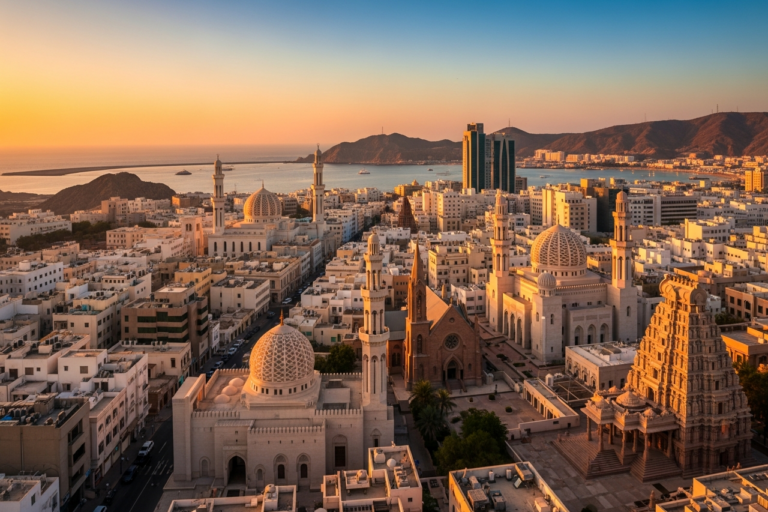
Key Highlights
-
Islam is the state religion of Oman. Most people in the country follow this faith.
-
Many Omani Muslims are part of the Ibadi branch of Islam. This group is known for being open to other religions.
-
The basic law in Oman gives people freedom of religion. There are some rules for non-Islamic faiths.
-
There are many people from other countries living in Oman. They follow other faiths, like Christianity and Hinduism.
-
The government tries hard to make sure there is religious tolerance. They want people of all religions to live in peace.
-
People in these minority religious communities are allowed to have churches and temples. The government lets them set up these places of worship.
Introduction
Welcome to Oman. This is a place where old ways and new ways come together. Religion in Oman is a big part of what makes the country special. Islam is at the heart of life here, but there are also other religious communities. When you learn about the many faiths and their roles, you get to see why people in Oman value being fair and living peacefully together. In this guide, you will find out about Oman’s main religion and meet other groups of people with different religious affiliation. This helps you get a clear view of Oman’s spiritual life and every group in it.
Overview of Religion in Oman
Islam is the state religion in Oman. This Abrahamic religion shapes a lot of the country’s culture, rules, and how people go about their day. The call to prayer is heard from many mosques in every city and village. This sound helps people know the time for prayer and guides their daily life.
Even though Islam stands out the most, Oman gives freedom of religion to people. The country has many different groups who follow their own beliefs, and many are from abroad. These include people who follow Christianity, Hinduism, and other faiths. All these groups live together, so Oman is a place where different religions get along well.
Historical Context and Religious Demographics
To understand how religion shapes Omani culture today, it is good to know a bit about its history. In the seventh century, Arabization and Islamization started and had a big impact on the region’s identity. During this time, the evolution of Islamic religious thinking began. Most people in Oman followed Ibadism, which is a special type of Islam. It has been very important in Omani society for many years.
When we look at the country’s religious groups, we see that almost all native Omanis are Muslims. But about 13% of the whole population is Hindu, and there are also some Christian groups. You can see this mix of religions more in the major urban areas of Muscat, where many workers from other countries come and bring their own beliefs.
All these things together have made a society where Islam is at the center, but people with other beliefs live there too. The daily life in Oman is shaped by this mix. The way Islam and the other religions interact tells the story of trade, travel, and meeting new people from other places through time.
The Official Religion and Its National Significance
The official religion of Oman is Islam, a fact enshrined in the country’s Basic Law. This gives the faith a profound national significance, influencing everything from legal frameworks to social customs. The government actively supports Islamic institutions and practices.
Various government ministries, including the Ministry of Endowments and Religious Affairs, oversee religious life. This body is responsible for managing mosques, appointing imams, and ensuring religious teachings align with the state’s moderate interpretation of Islam.
The five pillars of Islam form the foundation of the faith for Omani Muslims and hold great importance in daily life.
|
Pillar of Islam |
Description in Oman |
|---|---|
|
Shahadah |
The profession of faith, recited before prayers and central to belief. |
|
Salat |
Prayer performed five times daily, with mosques found in every community. |
|
Zakat |
Charitable giving to support the disadvantaged, practiced discreetly. |
|
Sawm (Ramadan) |
The month of fasting, which changes the pace of public life across the country. |
|
Hajj |
The pilgrimage to Mecca, a journey many Omani Muslims aspire to make. |
Islamic Faith in Omani Society
The Islamic faith is a big part of life in Oman. It shapes the way people live each day. You can see it in the buildings, like the beautiful mosques. People also come together to celebrate special days, such as Eid al-Fitr. These things show how important Islam is across the country. The Ministry of Endowments and Religious Affairs helps manage these religious matters.
Oman is different from many other Muslim countries. Most people here follow Ibadi Islam. There are also many Sunni Muslim and Shia Muslims living in Oman. All these different groups live together in peace. This is part of what makes Oman known for its tolerance and smooth living.
Ibadi Islam and Its Role in Omani Culture
A key part of religion in Oman is the strong presence of Ibadi Islam. Around three-quarters of the Muslim people there follow this branch of Islam. It began early in the years when Islam started. This type of Islam is not the same as Sunni or Shia. The man who helped start it was Jabir ibn Zaid al-Azdi, who was an Omani scholar from the eighth century.
The ideas of Ibadism have shaped Omani culture in big ways. One main idea is to show tolerance to other faiths and views. You can see this in how peaceful and friendly the country is. This way of thinking, taught by religious leaders, has helped people from different groups live together with little to no fighting.
In the end, Ibadi Islam is more than a personal belief in Oman. It has helped build the country’s politics and social ways. It also made Oman known for being moderate. Because of this, Oman stays stable and its people feel united as one.
Sunni and Shia Muslim Communities in Oman
Other than the Ibadi majority, Oman also has many Sunni Muslim and Shia Islam followers in the country. Sunni Muslims make up about one fourth of the Muslim people in Oman. They are the largest group in Islam, not only in Oman but in the world. These different muslim groups live together with Ibadis. People pray in the same mosques and take part in national celebrations with each other.
The fact that these groups live together shows that Oman has done well at keeping peace among different faiths. The leaders in Oman do not let any split or bad feelings between groups grow. The civil law and all rules are for every person in the country, no matter what type of Islam they follow. This has stopped the kind of hate that some other places have.
Oman has made sure everyone gets fair treatment under the law when it comes to religious freedom among muslim groups. This has helped everyone to respect each other. People now see the different ways to follow Islam as things that make the country’s religious life deeper and more beautiful.
Minority Religions and Faith Communities
Oman shows its care for tolerance by how it treats minority religions. There are many people in the country who follow faiths other than Islam. Most of them are workers who come from other places. The government respects religious freedom, so each religious group can worship in set areas.
But, there are some rules. For example, the share of religious materials is watched, and people are not allowed to try to get others to join their faith. Even with these laws, Christian churches and Hindu temples are open. They help their own people and are part of what makes the nation so mixed.
Christian Churches and Expatriate Religious Groups
Yes, there are quite a few Christian churches and communities in Oman. They are there for the big group of foreigners living and working in the country. These groups are not allowed to tell local people to join, but they can meet and pray in places that the government says are okay. Every church or group needs to have a government permit to be open. The Sultan usually gives the land for them to build or use.
There are many expatriate religious groups from all over the world. Some come from Europe, others from the Americas and Asia. Each one has their own place in Oman where they can meet, pray, and spend time with people from their communities.
Here are some of the big Christian groups in Oman:
-
The Protestant Church of Oman
-
The Catholic Church
-
The Eastern Orthodox Church
-
The Church of Jesus Christ of Latter-day Saints
These churches are very helpful for foreign workers. Many people feel more at home, get help, and share time together. The government lets these groups operate in Oman, which shows that there is religious tolerance in the country.
Hindu, Sikh, and Other Recognized Minorities
The large group of people from South Asia have brought their beliefs, such as Hinduism and Sikhism, to Oman. The Hindu community is now one of the biggest groups of people from outside the country. These people can carry out their religious rites and pray in certain temples.
There are some rules to follow, like worship being limited to places that the government has approved. But, minorities still get to practice what they believe. For example, Diwali celebrations are still held by the Hindu community, with people gathering in temples and in their own homes. This way, they can keep up their culture and religious rites.
Oman recognizes the following groups:
-
Hindus, who have two main temples in Muscat.
-
Sikhs, who have their own places to pray too.
The country’s way of doing things lets these groups do well, while still following the country’s laws and its Islamic ways. This understanding is an important part of how Oman deals with many different people living together.
Conclusion
To sum up, learning about religion in Oman helps you see its deep and rich culture. The way Ibadi Islam is followed stands out and shows how faith works in the country. There are also other smaller groups, but they all live together peacefully. Religion shapes daily life for many in Oman. The people here respect every faith, and that makes Oman open and friendly to people from every place. If you come to Oman, try to meet its warm communities. You can learn from their ways and join in their special events. If you want to know more or have questions about how religion is followed in Oman, don’t hesitate to ask. You can get more answers and gain a better understanding.
Frequently Asked Questions
Are there any restrictions on practicing religions other than Islam in Oman?
Yes, there are some rules in place. Non-Muslim groups need to get a government permit and prior permission before they can gather and worship together. All religious gatherings, along with the act of carrying out religious rites, must happen inside designated government parameters. This is usually on land that the Sultan has given for this use. The penal code does not allow public proselytizing.
How does Oman encourage religious tolerance?
Oman works to support religious tolerance by doing many things. The ministry of endowments and religious affairs looks after the distribution of a list of acceptable topics for sermons. This helps keep talks moderate and fair. The country also marks the UN international day for tolerance each year. The government’s national center helps bring people of different faiths together and lets them talk and learn from each other.
Is Oman safe for tourists of all faiths?
Yes, Oman is seen as a very safe place to visit for people of all religions. The country cares a lot about public order and gives people a good level of personal safety. You should respect local customs, but you have religious freedom. There is also availability of other worship opportunities for people from other countries who live there. Embassy officers also talk about how open the country is to different beliefs.



