

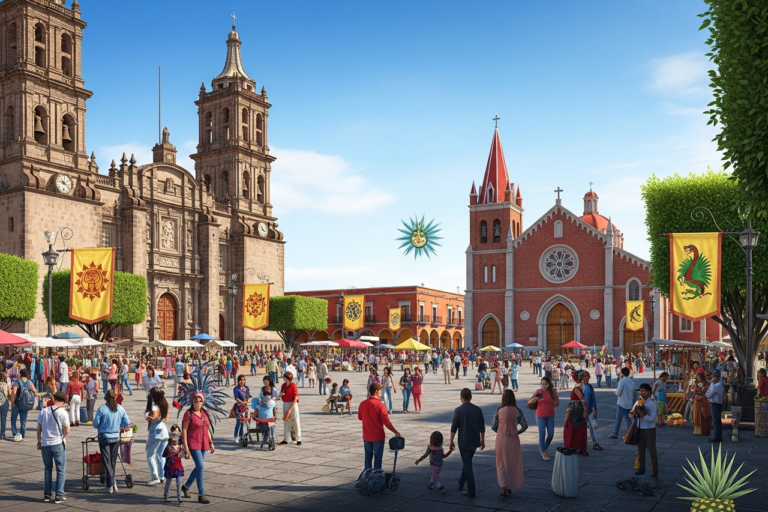
Key Highlights
-
Mexico allows religious freedom, but the Catholic Church is still the main faith there. Around 78% of the total population say they are Catholic.
-
Protestant leaders see more people in their churches now. Many of them used to be part of the Catholic Church.
-
People often mix indigenous beliefs with Catholic practices. This mix gives rise to special traditions.
-
Mexico does not have an official state religion. Its constitution says everyone can choose their religion and have freedom of worship.
-
Even though the Catholic Church is so strong, there is a small group that now calls itself non-religious or follows other world faiths. This group is slowly growing.
Introduction
Welcome to a look into Mexico’s spiritual world. The catholic church is strong here, but the country gives space for many different religious beliefs. Mexico says it gives people freedom of religion. Because of this, many faiths grow and live together. You will find old indigenous traditions, new Protestant groups, and more people with no set religion. Let’s see what is special about religion in Mexico.
Overview of Religion in Mexico Today
The main religion in Mexico today is Catholicism. The Catholic Church is the biggest religious group, and most of the total population say they are Catholic. This faith is a big part of people’s lives and the way things are done in the country.
But religion in Mexico is not all the same. Protestants now have more followers, especially in places like the state of Chiapas. There are also other religious groups in Mexico. In this section, we will talk about the main religions you can find across the country and look at the latest trends in who believes what.
The Main Religions Practiced Across the Country
The Catholic Church is the main religion in Mexico, but there are also many other faiths in the country. So, what other religions can you find in Mexico besides Catholicism? There are more people now who look for a different way to connect with faith, so they join other types of Christianity.
Evangelical Protestant leaders have noticed their churches are growing. These groups are more active when they talk to people about faith, often more than the Catholic Church. Many who go to these churches used to be Catholic.
There are also many other religious groups in the country. Some of these are:
-
The Church of Jesus Christ
-
Jehovah’s Witnesses
-
A small but known Jewish community
-
Other Pentecostal and Evangelical groups
Current Religious Demographics and Trends
Is religious diversity increasing in modern Mexico? Yes, recent data indicates a clear shift. Although the Catholic Church still claims the majority of the total population, its numbers are gradually declining as other faiths grow. Protestant leaders, in particular, have made significant inroads.
Studies from the Pew Research Center highlight this change. They found that a substantial percentage of current Protestants were actually raised Catholic, suggesting a dynamic religious environment where people are actively choosing new religious associations.
This trend points toward a more pluralistic future for religion in Mexico. While Catholicism’s cultural influence remains strong, the rise of other Christian denominations and an increase in non-affiliated individuals are reshaping the spiritual landscape.
|
Religious Affiliation |
Percentage of Population (2020) |
|---|---|
|
Roman Catholic |
78% |
|
Protestant/Evangelical |
11.2% |
|
Unaffiliated |
10.6% |
Historical Background of Religion in Mexico
The story of religion in Mexico is about both clash and mixing. Before people came from Europe, Mexico was full of many different indigenous beliefs. These ways of life shaped how people thought about the world and what happens after we die. Things changed a lot when the Spanish came in the 1500s. They brought the Catholic Church with them and made their religious doctrine part of life in Mexico.
How did the Catholic Church become so strong in Mexico? It happened over time and was not simple. The Spanish did things to push out native traditions and made people follow their faith. Next, we will look at what people believed before the Spanish arrived, what happened during the conquest, and how the Catholic Church and other religions have changed from those old days to now.
catholic church, religious doctrine, indigenous beliefs
Pre-Hispanic Indigenous Beliefs and Traditions
Religion in Mexico has a long past. Way before the Spanish came, the land was full of many different indigenous beliefs. These beliefs were close to the natural world, the sky, and the cycle of life and death. One strong figure from this time was the Aztec goddess of death, Mictecacihuatl.
Indigenous communities had their own complex rituals and acts of worship. Religious services were important. They shaped everything in daily life, from farming to war. Temples such as Templo Mayor in what is now mexico city, stood at the heart of this way of life.
When the Spanish arrived, these ancient faiths did not just go away. Many indigenous beliefs stayed alive by mixing with Catholic ways. This created something new that still shapes Mexico’s spiritual life. Today, Mexico’s worship is different from other places because of this mix. This unique mix has stayed strong through the years.
The Spanish Conquest and the Introduction of Catholicism
The Spanish conquistadors came to Mexico in the 1500s. This changed everything for the people living there. The Spanish were not just there to fight; they also wanted to spread the catholic church. Their main goal was to make the native people accept the catholic church and its beliefs.
The missionaries used force to reach their goal. They broke native temples and idols. They replaced them with churches and catholic symbols. Hernán Cortés, a well-known Spanish leader, wrote about taking down the native people’s idols. Many times, they took children away from their families to teach them about the catholic church.
This was a hard and harsh time. The Spanish wanted to get rid of old beliefs and bring in catholic rules. The way they built churches over old temples showed who was now in power. Everything the Spanish did helped make the catholic church strong in Mexico for many years to come.
Shifts in Religious Influence from Colonial Era to Present
The Catholic Church used to have a lot of power in Mexico. Over the years, this has changed with many new challenges. The church’s religious doctrine once shaped the country, but movements for independence and reform started to bring new ideas. This change led to more separation between church and state, with society moving in a more secular direction.
In recent years, things have changed even faster. More people are becoming Protestants, so the Catholic Church is not the only choice anymore. Protestant leaders offer another way to worship and a new kind of community. They attract people who feel left out by the traditional church. Has religious freedom in Mexico changed lately? Yes, it has. The laws now give protection to different religions, making the religious landscape more open for all.
Now, Mexico is going through a lot of changes when it comes to religion. The Catholic Church still has deep roots in Mexican society, but there are now many different faiths. More people also choose to have no religion. This shows that Mexico has become more modern and open to many ways of believing.
Catholicism: The Dominant Faith
Roman Catholicism is the main religion in Mexico today. The catholic church is not just a place to go for worship. It is a big part of culture and life. For many people, being Catholic and being Mexican go together. This is something families pass down over the years.
Not everyone goes to church often, but religious activities and symbols are seen everywhere. In the next sections, you will learn about catholic church practices that shape daily life. You will also see the bigger role of the church in Mexico. Groups like the episcopal conference of mexico help guide its work in culture and society.
Catholic Practices and Core Beliefs in Daily Life
Religion plays a big part in daily life and culture in Mexico. The catholic church helps guide people during important times. For many people in Mexico, worship is not just for Sundays. It is a big part of everyday life. You will hear common phrases, like “Si Dios quiere” (God willing), in conversations with people.
Acts of worship are personal. Most people do them in private at home, not always at formal religious services. For example, you may see someone make the sign of the cross as they walk by a church. Many homes have a small shrine. Often, these shrines are for the Virgin of Guadalupe, who is very important in Mexico. These traditions show a strong, personal bond that many have with their faith.
The catholic church helps mark major events in life. It adds meaning from birth to death. Important milestones include:
-
Baptism
-
First Communion, Confirmation, and Marriage
-
Extreme Unction (last rites)
Role of the Catholic Church in Mexican Culture and Society
The Catholic Church has a big impact in Mexico. It does not only affect how people pray. It also shapes how people act, what they celebrate, and how they spend time with their family. When you look at cultural events and traditions in Mexico, you can see the church everywhere. The church calendar sets the dates for many of the country’s well-known holidays and festivities. During these times, people from all over come together for big festivals and walks that mix faith and the ways of their town.
Priests and bishops are strong community leaders. They are often guided by groups such as the Episcopal Conference of Mexico. These leaders help people in the community and can share ideas on things that matter in daily life. The Catholic Church gives moral support and helps build a sense of family and tradition. Family members turn to the church for order and help in their lives.
The history behind all this influence is not simple, though. Some priests, like Miguel Hidalgo, helped fight for Mexico’s freedom. Still, the official church and the people have not always agreed. Now, the role of the church keeps changing. The church has to figure out how to work in a society with many beliefs and less focus on old ways.
Protestantism and Evangelical Movements
While many people in Mexico are Catholic, Protestant and Evangelical groups are the fastest growing religious group in the country. Their leaders have built lively communities that give people another choice besides the usual Catholic church. But are there other religions in Mexico too, besides Catholicism? Yes, there are. Baptists, Pentecostals, and the church of Jesus Christ are getting more and more followers.
This growth is changing the way people see religion in Mexico. In the next few sections, we will talk about how these religious movements started. We will say who the main groups are and show how they are different in different parts of the country. You will see why so many people in Mexico choose to listen to evangelical Protestant leaders.
Historical Roots and Growth in Modern Mexico
For a long time, religion in Mexico was mainly led by the catholic church. In other parts of latin america, Protestantism has been around for years. But in Mexico, it started to grow only recently. The catholic church was so strong that other Christian groups did not get much space.
In the last few decades, things have changed a lot. Many people in Mexico started to feel unhappy with the catholic church or wanted to get closer to God in their own way. They began to listen to evangelical protestant leaders. These leaders focus on building community and telling personal stories of faith. This way, they have brought in many new followers.
The growth is clear in indigenous communities. Stories like that of an indigenous baptist woman who found a new home in her church show how Protestantism can feel welcoming and close to people. The rise of the church of the Nazarene and other groups proves that the religious landscape in Mexico is changing and becoming more lively.
Key Protestant Denominations and Regional Diversity
The Protestant community in Mexico is not just one group. It is made up of many different denominations. So, what other religions are there in Mexico besides Catholicism? The most noticeable and quickly growing ones are Pentecostal and Evangelical churches. These churches are known for their lively services and close community feel.
There are also other important groups that the people of Mexico know well. These groups have built up a strong presence in the country. Every one of these denominations often has its own special ways and its own view of scripture. Some of the most well-known are:
-
The Church of Jesus Christ of Latter-day Saints
-
Jehovah’s Witnesses
-
Different Baptist and Methodist congregations
This mix of religions does not spread the same everywhere. There are some regions, like the states of Chiapas and Campeche, that are known for a big growth in Protestant groups. In the state of Chiapas, you will sometimes hear about problems between the old Catholic communities and new Protestant members. This shows how the change in religion is making a difference in these areas.
Other World Religions Present in Mexico
Besides Christianity, Mexico has people following other big religions too. There is a Jewish community in the country. They may be small, but their history here is long and full. In the last few years, faiths like Islam, Buddhism, and Hinduism have also started to grow. You can find these mostly in big cities.
These religious associations make Mexico’s people and faiths even more unique. In the next parts, we will talk about what the Jewish community has given to Mexico. We will also look at how religions from the East and Middle East are growing today in Mexico.
The Jewish Community and its Contributions
There are more religions in Mexico than just Catholicism. The jewish community in Mexico is small, but it has brought a lot to the country’s life and money system. This group has been around for many years. It is a solid part of Mexico’s many faces, with most people in mexico city.
The jewish community is very organized. The jewish central committee of mexico helps speak for them. Jewish community representatives work to hold on to old customs and give help to people in the group. This builds up who they are together. The group has made a strong setup that helps all its members.
There are places like synagogues, schools, and the jewish social center. These places are at the heart of both prayer and cultural events. They make sure the old ways from jewish families stay strong and are given to the next set of young people. This helps keep the group bright and important in mexico’s mix of beliefs.
Islam, Buddhism, and Hinduism in Urban Centers
Besides Catholicism, there are other religions in Mexico. In busy city areas, like Mexico City, you will now find groups of people who follow Islam, Buddhism, and Hinduism. These faiths came to Mexico as people moved here from other places, especially the Middle East and Asia. They also spread because more people in Mexico want to try different ways to connect with the world and with their own spirit.
People from the Middle East and Asia built small but lively groups in the country. They brought their beliefs, so there are now more mosques, temples, and centers for meditation all over. These places help followers of Islam, Hinduism, and Buddhism get together and feel like a community.
These religions do not have many followers when you look at Mexico as a whole. Even so, they add a lot to the big and exciting nature of cities, especially Mexico City. They also give people more choices if they want something different from the main religious groups. In this way, Mexico becomes even more connected to new ideas and the rest of the world.
Indigenous Beliefs and Syncretism
One of the most interesting things about religion in Mexico is how different faiths mix together. This mix is called syncretism. You may wonder, how do indigenous beliefs and the main religion in Mexico work together? People did not give up their old ways. A lot of ancient indigenous beliefs joined with what the catholic church taught. Together, they made special and strong new traditions.
You can see this mix in many places. It shows up in religious services in small villages and in big celebrations across the country. In the next sections, you will learn more about how indigenous traditions and Christianity have come together. You will also see the role of folk religions that grew out of this mix. This is shown especially by those indigenous persons who are part of the church of the saints.
Blending of Indigenous Traditions with Christianity
Indigenous beliefs in Mexico mix with the catholic church in a way that creates something special called religious syncretism. People do not pick between their old ways and the catholic church. Many of them join the two together. This is a way for them to keep some of their culture and still be part of the wider faith.
You can see this mix clearly in things people do. For example, the Day of the Dead brings together the old way of honoring family from the past with things from the catholic church, like rosaries and pictures of the Virgin Mary. This makes a holiday that you only find in Mexico.
This mix shows up in different ways:
-
The Virgin of Guadalupe is celebrated, and she is said to have appeared to an indigenous person. Many people think of her as the mother of all who live in Mexico.
-
Aztec dancers, called concheros, dance outside churches to praise both God and the larger world.
-
People build certain churches, like the church of the Holy Sepulchre, on top of places that were already special to local people long ago.
-
Old symbols and ways of doing things from before the catholic church came are a part of many catholic festivals.
This way, old indigenous beliefs and the catholic church come together. It makes life, worship, and what people do for faith in Mexico stand out from other places.
Popular Folk Religions and Their Influence
Outside the mainstream churches, there is a busy world of folk religion in Mexico. Many of these beliefs are not a part of the official catholic church. They mix things from indigenous beliefs, catholic ways, and often even magic. Religion has a big impact on many cultural events and traditions in Mexico. In a lot of places, people see folk saints and healers as just as important as priests.
Santa Muerte, or Saint Death, is a strong example. She is a figure that looks like a skeleton and is not accepted by the catholic church. Still, many people in Mexico pray to her, especially those who feel the catholic church or other groups do not speak to them. Her followers feel safe because they think she will help and not judge them. The worship of Santa Muerte often includes local leaders and other community members.
There are also healers called curanderos. They help sick people by using herbs and special acts. These healers do things for the spirit and the body. Many go to curanderos because they can reach them more easily and they don’t cost as much as modern doctors. Folk religion gives help and hope. In a lot of ways, it fills in where the official groups or government cannot help.
Secularism and Non-Religious Identity
Religion has always been important in Mexico. But now, more people are turning away from religious beliefs. More Mexicans today say they are not a part of any religion. This matches what is happening in other places in the world. The country’s laws protect freedom of religion and freedom of expression. This means people can choose not to believe.
Are more people moving toward secularism and not following any religion in Mexico? The data says yes. Next, we will look at the new ways people think about faith in Mexico. We will talk about why this change is happening. We will see what it means for a country that has always had strong beliefs. We will also take a look at religious discrimination and what it means in this new time.
Recent Trends Towards Secularism
Yes, there is a growing move toward secularism or being non-religious in Mexico. The latest census numbers show that more than 10% of people in Mexico say they have no religious group. While this number is still smaller than in many other Western countries, it is a big change for Mexico. The country has always been very religious in the past.
Younger people, those who live in cities, and those who have more schooling are leading this trend. As the country changes and grows, many do not feel as tied to just one religion anymore. Some federal government officials and groups such as the department of state in the U.S. have also seen that there is more religious variety and more people who are not part of any organized religion.
Going toward secularism does not always mean people do not believe in anything. It often means they walk away from religious groups and organized beliefs. Many people still feel spiritual or have beliefs on their own. They just choose not to join a church or follow rules from a big faith, and they stick to their own way of looking at the world.
Factors Contributing to Declining Religious Affiliation
Many things are making secularism grow in Mexico. One big reason is modernization and globalization. These changes let people see more ideas and different ways of thinking. The rise in education and easy access to information help people think for themselves. It gives them the choice to decide what they want to believe.
There have been scandals in the Catholic Church. These issues made some people lose trust in these religious groups. At the same time, the push for human rights and freedom of expression is strong now. Because of this, people feel more free to talk about their beliefs and question old traditions. They do not have to worry as much about what others will say or do in response.
Key reasons for this trend include:
-
More people can get higher education and look up different kinds of information.
-
There is more focus on what people want for themselves instead of always following what a community says.
-
Scandals in the Catholic Church or feeling that religion does not match up with modern life, where people want essential services and equal opportunity for all.
Religion’s Impact on Daily Life and Culture
Religion is a big part of daily life and culture in Mexico. It is easy to see in many places. This can be from big national holidays that bring the country to a stop, to the values that help family members make choices. The Catholic Church is a key part of life and spirit in the country.
Religious activities, like public worship or simple family prayers, are tied closely to how people live in the community. In the next sections, we will talk about major religious festivals in Mexico and see the ways faith shapes the main customs and beliefs around family, community, and what is right or wrong.
Major Religious Holidays and Festivals in Mexico
Yes, there are many big religious holidays and festivals in Mexico. The Mexican calendar is full of them, and they are some of the most lively and colorful celebrations you will find anywhere. These events are often a mix of catholic church traditions and customs from the native people.
These festivals are not just about religion. They are also large times for community members to get together. There is a lot of public worship, music, special foods, and many different acts of worship on these days. People in the community join in and enjoy the time together.
Some of the biggest religious holidays are:
-
Semana Santa (Holy Week): This is a serious and emotional week before Easter. There are plays and walk-throughs showing the last days of Jesus Christ.
-
Day of the Dead (Día de los Muertos): This holiday comes from both native and catholic church backgrounds. It is when people remember and honor loved ones who have died.
-
Day of the Virgin of Guadalupe (December 12th): Many people travel to her basilica in Mexico City. Here, they honor the country’s most important saint.
-
Christmas (Navidad): People celebrate with neighborhood visits called posadas, with nativities, and by having family gatherings.
Moral Values, Family, and Community Traditions
In Mexico, the Catholic Church is a big part of life. This group shapes how people think about family, loyalty, and respect. These ideas run deep and help families stay close. For many people, the family is at the center of everything. The religious beliefs people have make the family feel even more important.
Family members often help each other when times are tough. The moral values they share join them together. It feels like the whole town, and local leaders, are like one big extended family. This group feeling is common in Mexican life.
But things are starting to change. As there are more new and different ideas, thoughts about family and right or wrong are changing too. Still, the big ideas of family and community, first taught by the Catholic Church, stay at the heart of Mexican life.
Religion, Law, and Government Policies
The federal government in Mexico keeps religion and state separate. This is written in the Mexican Constitution. It says there is religious freedom for all people in the country. There is no official religion in Mexico. People who are clergy cannot hold a public office.
Even though the law asks for the government and religion to be apart, religion is a big part of Mexican life. So, the government has to protect religious freedom and also handle the power that some religious groups have. Now, let’s see how the constitution helps keep these rights safe, and how faith and law keep having talks about their connection.
The Mexican Constitution and Religious Freedom
The Mexican Constitution is the main rule that protects religious freedom in the country. It says everyone is free to follow any religion they want and take part in its events and ceremonies. This right belongs to all people.
Has religious freedom changed in Mexico in the past years? The laws have grown stronger. Mexico has agreed to international treaties, like the International Covenant on Civil and Political Rights. These help make sure rights are safe. Groups like the national Human Rights Commission work to keep rights strong and look into any problems.
But there are still issues. Some rural places have trouble when people choose a new faith. This can cause fights over things like using resources or joining community activities. Even with these problems, the constitution and legal rules keep religious freedom safe in Mexico today.
Conclusion
To sum up, the story of religion in Mexico is full of life. It’s made up of history, culture, and many different beliefs. Catholic ways are deep in Mexican life. But there are also more people now who follow Protestant ways and old native ways. Each of these matters in its own way for what makes Mexico special. These days, more people in Mexico choose to live with less focus on religion. This shows that the values of people are changing over time. When we learn about these changes, we can better see how religion helps shape what people care about and how they act in their everyday lives. If you want to find out how faith touches daily life in Mexico or you want to know more about any part of it, you can ask for more details.
Frequently Asked Questions
What is the most practiced religion in Mexico today?
The largest religion in the country is Roman Catholicism. The Pew Research Center says that the catholic church makes up about 78% of the total population. Still, Protestant leaders say groups like the church of jesus christ are growing fast. This shows there is now a change in what people in the country believe.
How does religion shape cultural events and traditions in Mexico?
Religion is a big part of Mexican culture. The catholic church sets the dates for most big holidays, and these bring community members together. Many customs mix catholic church ways with indigenous beliefs and folk religion. People share moral values that come from their faith. This helps bring their families and community members closer.
Is religious diversity increasing in modern Mexico?
Yes, there is more religious diversity now. Catholicism is still the biggest faith. But more people are choosing to join another religious group. Evangelical Protestant leaders now have more followers, especially in the state of Chiapas. Faiths like the Jewish community also add to the mix of beliefs.



