

Key Highlights
Here’s a quick look at what you will get to know about religion in Kuwait:
-
The Kuwaiti Constitution says that Islam is the official religion.
-
Islamic law is a main source for the country’s rules.
-
Most people are Sunni Muslims, but there are some other groups too. Some of these are Christians and Shia Muslims.
-
The constitution says there is religious freedom, but there are some legal limits.
-
The government handles religious matters to keep public order.
-
Expats and foreign workers can practice their own faiths, usually at set places where they can worship.
Introduction
Welcome to Kuwait. The country is a place where the old ways, beliefs, and the new, more modern life, live together. The official religion of Kuwait is Islam. This faith is the base of life and the law here. The Kuwaiti Constitution says Islam is the state religion. It guides many parts of daily life for most people in the total population. But, you can also find other religious groups here, which makes the country feel special. Let’s look at the religious groups and see what role faith plays in Kuwait’s life.
Major Religions and Demographics in Kuwait
Kuwait’s people are mostly Muslim. Most of them are Sunni Muslims. A national census tells us important facts about the country. It shows that Islam is a big part of the nation’s identity. This is seen in how Islamic Sharia is the main source of legislation for Kuwait.
There are also some religious minorities in Kuwait. There are christian citizens, and the christian population is bigger because of foreign workers. These groups, plus others, help make the nation more diverse in its religious makeup.
The Prevalence and Role of Islam
Islam is not just the state religion in Kuwait. It is a strong part of the law, the way people live, and their culture. Most people in Kuwait are Muslims who follow the Sunni branch of Islam. The constitution says Islam is the official religion of the state. This makes it a big part of life there.
Islam’s official status affects the laws in Kuwait directly. Islamic law, also called Sharia, is given as one of the main sources of the Kuwaiti laws in their constitution. This means lots of rules about family and personal life come from Islamic principles.
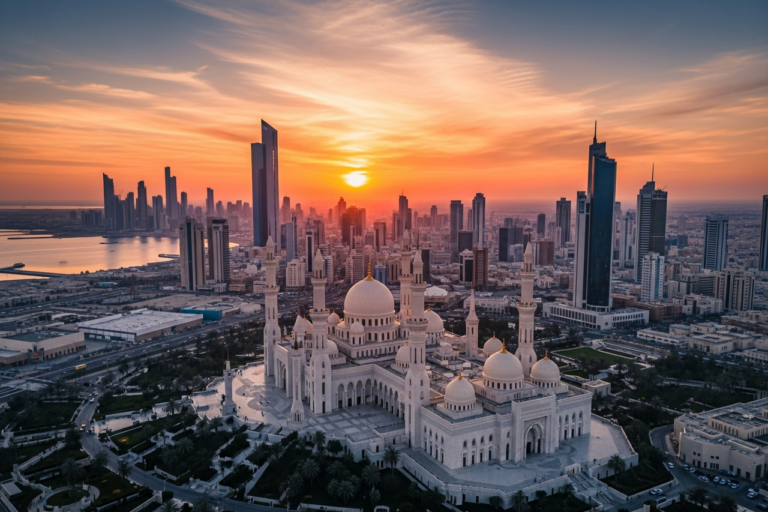
As you walk through Kuwait City, you can hear the call to prayer and see beautiful mosques. The presence of Islam is clear everywhere you go. It shapes daily life, the country’s values, and the way people interact. Islam influences both personal matters and national policies in Kuwait as their religion of the state.
Religious Minorities and Their Presence
Beyond the Sunni majority, Kuwait has a diverse community of religious minorities. Shia Muslims represent a significant portion of the citizen population. Additionally, the country hosts a substantial number of foreign workers, who bring a wide array of faiths with them.
Among these groups are Christian Kuwaitis and a much larger expatriate Christian community. Several officially recognized Christian churches operate in Kuwait, catering to various denominations. These include the Catholic Church, Greek Orthodox, Coptic Orthodox, and the Anglican Church, among others, providing spaces for worship and community for their followers.
Here is a look at some of the recognized Christian denominations present in Kuwait:
|
Denomination |
Presence in Kuwait |
|---|---|
|
Catholic Church |
An established community with its own places of worship. |
|
Greek Orthodox |
Serves the Greek and Orthodox Christian communities. |
|
Coptic Orthodox |
Caters to the Coptic Christian population, largely from Egypt. |
|
Anglican Church |
Provides services for the Anglican and Protestant communities. |
Religion’s Influence on Daily Life and Culture
In Kuwait, religion is part of daily life. You can see it in how people act, how families live, and during big events. The constitution gives the right to freedom of belief. At the same time, the state makes sure people follow rules to keep public order. This often means people act in ways that fit with Islamic values.
The influence of religion shows in big places, like the Grand Mosque. It is also found in family law, which uses religious ideas. Even on social media, people often share things that match the community’s religious and cultural ways. Now, we will look at some of these customs and social practices.
Religious Customs and Major Holidays
Daily life in Kuwait centers around customs shaped by Sunni Islam. Many people pray five times each day. The work week is planned around Friday prayers. The Grand Mosque in Kuwait City is an important place for these prayers, and it is especially busy during special religious times.
On religious holidays, these customs stand out even more. During these times, people spend time with family, think about the year, and enjoy gathering together. The country’s public policy shows the value of these days. Shops and government offices close so that people can take part in the celebrations.
Kuwaitis mark a few big religious holidays every year:
-
Eid al-Fitr: This holiday comes after the month of Ramadan and is marked with prayers, big meals, and visits to family.
-
Eid al-Adha: Known as the “Festival of Sacrifice,” it honors the story of Ibrahim who was willing to sacrifice his son.
-
Ramadan: A special month when people fast, focus on prayer, and think deeply about life.
-
Islamic New Year: This event starts the Hijri calendar.
Role of Religion in Social Practices and Community Norms
Religion has a big impact on how people in Kuwait live together. Islamic principles shape many parts of daily life there. These include things like caring for family, showing respect to older people, and being welcoming to guests. You see these values guide people at home and out in public. This helps build a strong feeling of togetherness in the community.
The government works to support these beliefs through groups focused on islamic affairs. Schools also teach students about religion as part of their lessons. In many parts of Kuwait, you will see Islamic rules shape daily life, like the way people dress or how men and women sometimes gather in separate groups, especially in more traditional areas.
Local mosques and community centers are important places for people to meet and take part in social and religious activities. These places help keep these customs going strong. Things like charity work during Ramadan and getting together at the Grand Mosque bring people together. Religion sets a pattern for people in Kuwait to come together and have a more united life.
Legal Framework and Government Involvement in Religion
The Kuwaiti government plays a big part in looking after religious matters. It does this to make sure these matters follow the Kuwaiti Constitution and match the country’s public policy. The Kuwaiti Constitution says that Islamic Sharia is the main source of legislation in the country. This can be seen in many of Kuwait’s laws, most clearly when it comes to rules about personal status and family life.
The Ministry of Awqaf and Islamic Affairs takes care of most things to do with religion. This includes being in charge of mosques, teaching about religion, and watching over religious books and magazines. The government’s policies try to keep its strong Islamic identity but also try to meet the needs of all the people who live in Kuwait.
Religious Freedom and Government Policies
The Kuwaiti constitution says people have “absolute freedom of belief,” but this freedom is not without rules. You can hold any beliefs you want. But, in public, non-Muslims are not allowed to share their beliefs or try to persuade others about them. Reports from the U.S. Department of State and others often point out how religious freedom works this way.
The government’s rules are set up to keep the official religion safe, while also letting recognized minority groups follow their own faith. Public authority steps in to make sure religious practices do not mess with public order or go against morals set by the state. So, freedom of belief is there, but how it shows up in public is controlled.
Freedom House says that the law in Kuwait does not allow people to insult Islam, Judaism, or Christianity. Still, the government can look closer at practices that do not fit with Islamic law. This makes things tricky, because religious freedom is real, but it stays inside certain legal and social limits.
Practice of Religion by Non-Muslims and Expats
Expats and foreign workers make up a big part of Kuwait’s people. Most can practice their religion in private. Many non-Muslims worship at home or in places set up just for them. The government has accepted some christian religious groups and given them land to build churches.
But there are some rules. The International Religious Freedom Report says non-Muslims can’t try to bring others to their religion in public. Non-recognized faiths can only meet for worship in private places. This is to keep public order and fit with the country’s Islamic laws.
Still, many expats find ways to keep their religious freedom. Many of these religious groups meet in private homes or halls to worship, and this helps them feel close even when far from home. Having the chance to practice their faith, even with these rules, is important for many foreign workers in Kuwait.
Conclusion
To sum up, knowing about religion in Kuwait helps you see the real heart of the country’s culture. Islam is a big part of life here, shaping what people do each day and the laws they follow. But it is also important to see how people from other religions add to life in Kuwait. They help make society rich and mixed. When people show respect and care for every belief, Kuwait shows how people of different faiths can live well together. If you plan to visit, or just want to learn more, understanding these things will help you get along with people and enjoy your time in Kuwait.
Frequently Asked Questions
How does the Kuwaiti government regulate religious practices?
The Kuwaiti government looks after religious practices with help from the Ministry of Awqaf and Islamic Affairs. This public authority is in charge of mosques, teaching about religion, and what is shared in books about it. The rules set by the government follow the Kuwaiti Constitution. They try to keep public order strong, but they also let faiths that are recognized practice in set legal limits.
What are the main restrictions for religious minorities in Kuwait?
In Kuwait, people who are part of religious minorities mostly face rules about showing their faith in public. The International Religious Freedom Report says that non-Muslims are not allowed to try to get others to join their religion. The freedom of belief is protected in the constitution. But if these practices upset public order, they can be limited. Also, for non-recognized groups, most worship has to happen in private places. These rules show how religious freedom is handled in the country.
How does religion affect daily life and laws in Kuwait?
Religion has a big effect on daily life and laws in Kuwait. Islamic law is one of the main reasons for laws in Kuwait. The rules of Sunni Muslims have a strong pull, especially when it comes to family law. Family law handles things like marriage, divorce, and who gets what when someone dies. The values of Sunni Muslims shape public policy and social customs too.



