

Key Highlights
Here are the main points to know about religion in Jordan:
-
Islam is the official state religion in Jordan. More than 97% of people in the country say they are Muslim.
-
The constitution of Jordan gives people freedom of religion, but there are some social and legal pressures.
-
Christianity is the biggest group among religious minorities, and there are set parliamentary seats to make sure Christians have a voice.
-
Religious minorities, like different Christian denominations and the Druze, live alongside others in the country.
-
Under King Abdullah II, Jordan works to build good, peaceful relationships between different religious groups and to have open talks between them.
Introduction
Welcome to Jordan. This peaceful kingdom sits in the middle of the Middle East. The Hashemite Kingdom of Jordan is not just a spot with old and amazing sites. It is also a place with strong ties to faith. Here, the past of many great monotheistic religions like Judaism, Christianity, and Islam, is still present in the land. In this guide, you will find the important parts about religion in Jordan. It shows the many groups of people and how they live together with respect. This easy mix is a big part of what makes the culture of Jordan special.
Religious Demographics in Jordan
Most people in Jordan are Muslim. Islam is a big part of the country’s culture and way of life. Over 97% of Jordanians follow Islam. It is the main religion in the country.
But there are also some religious minorities in Jordan. The biggest group in these religious minorities is the Christians. They may be a small group, but they are important and are very much a part of life in Jordan. This part will look at the main religions in the country. It will also talk about where these religious minorities live in Jordan.
Overview of Major Religions Practiced
The main religion practiced in Jordan is Islam, specifically the Sunni branch, which the vast majority of Jordanian Muslims follow. Islam is not just a personal faith but also the state religion, influencing law and social customs.
Christianity has a long and continuous history in the region. Although Christians make up only a small percentage of the population, they are represented by various denominations. These include Greek Orthodox, Roman Catholic, Armenian Orthodox, and Coptic communities, each contributing to the country’s rich cultural and religious tapestry.
Here is a breakdown of the major religious groups in Jordan:
|
Religion |
Adherents |
Key Denominations/Branches |
|---|---|---|
|
Islam |
Over 97% |
Predominantly Sunni Muslims. |
|
Christianity |
Approximately 2% |
Greek Orthodox, Roman Catholic, Armenian Orthodox, Coptic, and others. |
|
Other |
Less than 1% |
Includes Druze and other small religious groups. |
Distribution of Religious Minorities
Religious minorities in Jordan are not many, but you can find them in different parts of the country. There are christian communities in big cities like Amman and Madaba. You will also see them in small towns in the Jordan Valley. Many of these groups have been in the country for hundreds of years.
Along with the well-known christian denominations, there are also other groups. These include syriac christians and evangelical churches, such as the Assemblies of God. These religious minorities make the nation’s faith life more interesting. They show there is a long past of living together in peace.
In Jordan, you can also find other groups like the Druze. The Druze are a small, special group. Their faith brings together ideas from many beliefs and old ways of thinking. All these different people help shape the culture and life of Jordan.
Islam’s Role in Jordanian Society
Islam is the state religion in the Hashemite Kingdom of Jordan. It has a strong and clear role in the country. The rules of Islam are a part of Jordan’s laws, especially when it comes to matters of personal status. Islam also helps shape how people act each day and helps keep public order.
King Abdullah leads Jordan and helps guide the country. Under his rule, Jordan respects its Islamic roots but also looks ahead to the future. You can see the touch of Islam in many parts of life. For example, the call to prayer rings out from a mosque through the air. Culture and tradition walk alongside religion in Jordan every day. Let’s talk more about how Islam shapes daily life and special celebrations in Jordan.
Daily Life Influences and Cultural Traditions
In Jordan, Islam is a big part of life and culture. The mosque calls people to prayer five times each day. This helps set the day’s rhythm and reminds people of their faith. Family is important for everyone, and people in Jordan value respect for elders and close family bonds because of Islamic values.
Religious rites like marriage, birth, and death follow Islamic rules. These big events matter a lot to family members and bring the community together. By following these customs, people share the same values, which helps keep everyone close. This is true for most people in Jordan.
Islam also teaches about modesty and how to treat others, which shapes how people act each day. You can see this in what people wear, how men and women relate to each other, and how they welcome guests. These cultural traditions help keep good public order and show their faith in many parts of life.
Islamic Holidays and Celebrations
Religion is important in all Jordanian festivals and public holidays. In Jordan, the biggest celebrations are Islamic holidays. The whole country, including many religious communities, takes part in these special days. They are meant for prayer, family time, and also community events. The dates for the holidays change each year because the Islamic calendar follows the moon, not the standard one.
When these holidays come around, people can feel the joy. Families get together. They cook and eat special food. Many people also go to the mosque for prayers with others. Jordan’s towns and cities feel happy and bright during this time. These events help bring people closer and give them time to think about the year.
Some of the top Islamic holidays in Jordan are:
-
Eid al-Fitr: This marks the end of the fasting month called Ramadan. For many, it is a fun time, and people celebrate for a few days.
-
Eid al-Adha: People also call this the “Festival of Sacrifice.” It is about remembering Ibrahim (Abraham) and what he did for his faith.
-
Islamic New Year: This day starts the new year in the Islamic calendar. It is a public holiday in Jordan.
Religious Freedom and Government Policy
The Jordanian government says it wants to respect and protect religious freedom. The constitution in Jordan promises people can practice their religion, as long as it does not go against public order or how people act in public. Islam is the state religion in Jordan. The government also makes sure that Christians have parliamentary seats. This way, they are represented in politics.
But the legal status of religious freedom can be tricky. Sharia law comes first in matters of personal status. Changing from Islam to another religion is not accepted by law. This can cause social problems for people who do it. Next, we will look at how Jordan protects rights for minorities and how people from different faiths try to get along.
Protection of Minority Rights
The Jordanian government has some clear steps that help keep the rights of minority groups safe. One of the big ways it does this is by letting recognized religious minorities look after their own matters of personal status. For example, Christians can use their own religious courts when it comes to things like marriage, divorce, and getting property from family.
These tribunals of other religious communities work with their own religious laws. This gives the communities a way to control parts of their personal life without others getting in the way. The government does recognize these religious courts. Their decisions also count inside their groups. This setup lets religious minorities keep their beliefs and ways of life strong.
A Royal Decree is usually what makes the status of these religious communities and their religious courts official. This means religious minorities are not just there in the country; they also have a place in the laws and life in Jordan. This gives a way for these groups to stick with their practices and keep going, with support and rules to help them.
Interfaith Relations and Harmony
Interfaith harmony is a big part of what makes Jordan special. Many people say Jordan shows the Middle East how Muslims and Christians can live together in peace. This is not only something the government wants, but also something that the Jordanians make part of their lives. Most people there feel the same sense of identity no matter what they believe in.
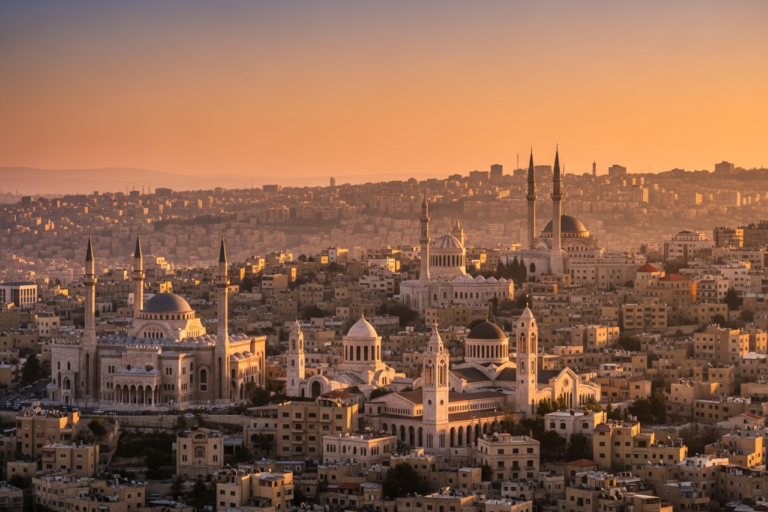
In Amman, you will often see mosques and churches close to one another. This shows how people respect each other and their faiths. Christian leaders and Muslim scholars like to talk with one another. They want to understand each other more and build strong community ties. This kind of teamwork helps keep things peaceful in the city.
Groups like the Royal Institute for Inter-Faith Studies work hard to keep this harmony growing. They talk about the shared stories and the good things both religions have in common. They remind Jordanians that they all share the same culture and speak the same Arab language, even if they follow different faiths. They help everyone feel united as one big group.
Conclusion
Jordan is a place with many different beliefs and ways of life. Islam has a strong role in the country, and you can see it in the way people live and what they do each day. Still, there is also religious freedom in Jordan. People respect those who follow other faiths, and there is peace between different groups. This shows how deep the history in Jordan goes, and how much the country cares about letting everyone have their rights, even if they are in the minority.
If you go visit, you might see some of the famous religious places or get involved with local ways. To really enjoy your trip, it helps to learn about the part religion plays in Jordan. If you want to know more about this interesting way of life, you can reach out. You can get more information to make your trip even better!
Frequently Asked Questions
What are some famous religious sites in Jordan?
Jordan has many well-known religious sites. You can go to Mount Nebo. People say Moses looked at the Promised Land from there. The city of Madaba is also good to visit. This city is known for old mosaics from the Byzantine time. In Amman, you will see the King Abdullah I Mosque. It is a new and important place for Islamic faith. Aqaba has the Ayla Mosque. This mosque is one of the oldest in the world.
How do travelers experience religious culture in Jordan?
In Jordan, you can see how people live with both old and new ways. You can visit a mosque or a church. You might often hear the call to prayer. Many people say they feel the mix of today’s life with long-standing traditions.
When you meet and talk with people in Jordan, you get to know how islam and christianity live side by side. You also find out a lot about the warmth people show to others. This care for guests is important in both jordan and islamic values.
What languages are associated with religion in Jordan?
Arabic is the main language used for religious practice in Jordan, mostly for Islam. English is also spoken and understood well at many top religious sites. Some Christian groups have their own church languages. The greek orthodox church uses Greek. The coptic church holds service in Coptic. The armenian orthodox church uses Armenian when they meet.



