

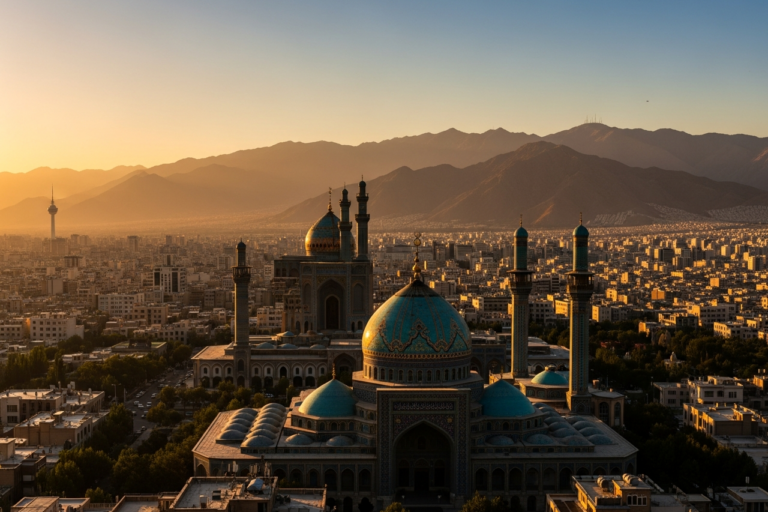
Key Highlights
-
The official religion in the Islamic Republic of Iran is Shia Islam, and people mostly follow the Twelver Ja’fari school.
-
Shia Islam is the main faith in the country, but there are other religious minorities in Iran. These groups include Sunni Muslims, Christians, Jews, and Zoroastrians.
-
The Iranian constitution does recognize some religious minorities. However, religious freedom is not strong. Some groups, like the Baháʼí Faith, go through big challenges.
-
Zoroastrianism is one of the oldest religions in the world. It began in old Iran, and there are still some people who practice it today.
-
Religion has a deep connection with the country’s laws and government. The Supreme Leader and the Guardian Council both have a lot of power.
-
These days there seems to be a change in religious belief around Iran. Secularism is growing, and more young people do not follow religion as closely as before.
Introduction
Welcome to a look at religion in Iran. The country has a long history, full of many beliefs and ideas about faith. Today, Islam is the most common religion, but the story does not stop there. Many years ago, ancient faiths grew in the land. There are still minority religions in Iran today.
To really know about Iran’s culture, people, and the way the country works, it helps to learn about its religious life. This guide will show you the basics, from the old days to now. You will get a clear look at the different beliefs and ideas that help shape Iran.
Historical Evolution of Religion in Iran
The story of religion in Iran is one of big change. Over time, it moved from old faiths to what is now the Islamic Republic. The country began as a place where important beliefs started, and different spiritual ideas crossed paths, sometimes mixing or disagreeing.
To really know why Iran looks like it does today, you have to look at major times in its past. There were early home-grown beliefs, then Zoroastrianism became important, and later, Islam arrived. The more recent times also saw a large change with the modern revolution. Each time left its own mark on what came after.
Early Indigenous Beliefs and Rituals
Before big, organized religions took hold, the land that is now Iran had many groups with their own ways of worship and rituals. People at that time deeply connected their beliefs to nature and life’s changes. These old spiritual practices would later shape the way people lived and how their early communities worked.
Back then, these groups made their own special rituals to try and understand the world. We do not have many old records. But items found in the ground and old language studies help us see some of how they followed these beliefs. These ways were not the same everywhere. They changed from one tribe or area to the next.
Today, you can still sometimes notice parts of these first beliefs in some traditions and old stories. Even though bigger faiths came later and covered them up, these early ways were the start of Iran’s long story of faith. They set the ground for the faiths that would come after.
Zoroastrianism – The Ancient Faith
Zoroastrianism is one of the world’s oldest religions with just one God. It began in old Iran, started by the Prophet Zoroaster. This faith brought new ideas like Ahura Mazda, who is an all-powerful God, and the fight between good and evil. For more than a thousand years, it was the main religion for the Persian empires.
The heart of Zoroastrianism is the idea that people should have good thoughts, say good words, and do good things. These ideas helped shape how people lived and how the Persian empires were ruled. Fire is very important in this religion. It stands for purity and light from above, and many of their rituals use it.
Today, there are not as many people who follow Zoroastrianism. Still, it is a key part of Iran’s history. It is one of the minority religions that is still recognized by law in Iran. Its ideas have also made a mark on other big religions, like Judaism, Christianity, and Islam. Many people who study religion talk about its influence.
The Achaemenid Empire’s Religious Influence
The Achaemenid Empire, started by Cyrus the Great, was one of the strongest in the ancient world. Its religious impact was deep. Many kings in this empire followed Zoroastrianism, and it was tied to the state religion. But the empire was also famous for letting different groups keep their own beliefs and ways of worship.
This way of running things shows up in the Cyrus Cylinder and in the biblical books of Isaiah. These texts tell the story of Cyrus letting the Jews go back to Jerusalem and rebuild their temple. The tolerance was not only about doing the right thing. It was a smart way to keep order across a huge and mixed empire. By letting people follow their religion, the government made sure there was less chance of people rising up.
The Achaemenid era made Zoroastrianism an important part of the area, but it did not force everyone to follow it as the only state religion like people sometimes do today. The empire showed how a strong royal faith could still work with a society where many beliefs were welcome. This set an example for the way religions were managed for a long time after.
Rise and Decline of Manichaeism
Manichaeism started in the 3rd century AD. A Persian prophet named Mani began this faith. The religion brought together things from Zoroastrianism, Christianity, and Buddhism. In Manichaeism, people think there are two worlds. There is a good and spiritual world that is full of light. The other is a bad, physical world full of darkness. The religion grew fast, and soon there were followers from the Roman Empire all the way to China.
For a short time, Manichaeism was liked by the Sassanian rulers in Persia. But it did not last, and the religion soon met with persecution. Leaders in Zoroastrianism saw it as a threat. Later, Christian and Islamic authorities also acted against it. In time, Manichaeism changed from a large, growing faith to one of the minority religions that were often targeted.
Manichaeism slowly died out over many years. Dominant religions did not accept it, so its followers got fewer and fewer. Now, Manichaeism is not a living faith anymore. But the religion’s ideas still had a big effect on other ways people thought over the years. The story of Manichaeism helps us understand how new ideas can grow fast but also be pushed out by others in the history of religion, especially among minority religions in Iran.
Advent and Spread of Islam
The Arab conquest in the 7th century was a big moment for Iran and its religion. This was when Islam started to grow in the area. After the Islamic prophet Muhammad died, his followers began to spread the faith to new places. The strong Persian Sassanian Empire was one of the first big groups to lose power. That was the start of many years of people in the region turning to Islam.
The people in Persia did not change their religion right away. Many still followed Zoroastrianism at first. Over time, Islam became the main religion. There were many things behind this change like politics, how people lived with each other, and how they made money. The Persians also helped to shape the Islamic world with their ideas about art, science, and philosophy.
Now, the vast majority of people in Iran are Muslims. The move from Zoroastrian to Islamic beliefs was the biggest change in Iran’s religious life. Today, most of the religion that people follow in Iran is Islam. There are also small groups who are Christian, Jewish, or Zoroastrian.
Transformation during the Safavid Era
The Safavid era started in the 16th century. It brought big changes to religion in Iran. The Safavid rulers announced Twelver Shia Islam as the official state religion, and this set the country apart from its Sunni neighbors, like the Ottoman and Mughal empires.
This was a big move because most people in Iran were Sunni before this happened. The Safavids worked hard to put this change in place. At times, they used force to make it happen. They also supported Shia learning and groups. During this time, a strong Shia clerical group grew. It became an important part of the state and daily life.
The results of the Safavid era are still seen today. Shia Islam became the base of Iran’s national and religious identity. Making it the official state religion still shapes Iran’s role in the Islamic world. It affects Iran’s politics, culture, and how people live together.
Twentieth Century Shifts and 1979 Revolution
The twentieth century was a time of big change in Iran. It all led up to the 1979 Islamic Revolution. For much of the century, the Pahlavi dynasty was in power. The rulers tried to push for modernization and make the country more secular. This often left religious leaders with less say. That made a lot of tension between people who wanted the country to be more secular and those who wanted it to stay religious.
By the late 1970s, these tensions reached a breaking point. The Iranian Revolution began. Ayatollah Khomeini, who had been living outside of Iran, came back to lead it. The revolution led to the fall of the monarchy. The people set up the Islamic Republic of Iran, with religious leaders now in charge. This took the country away from its move toward being more secular. The Islamic Republic made the religion a main part of how the government and the society worked.
After the Islamic Revolution, religion was once again key in every part of life in Iran. Religious leaders had a lot more power. In recent years, though, things are starting to change a bit. Some surveys and stories show that many people, especially younger ones, want more freedom in their lives. Secular ideas are growing again. This means that the way people in the Islamic Republic of Iran look at religious belief is still changing.
The Dominance of Islam in Modern Iran
In today’s Iran, Islam is the dominant force in the country. The official name, the Islamic Republic of Iran, shows how important it is to the nation’s identity and to the way the government works. The country’s constitution makes Shia Islam the state religion. The rules of this form of Islam are used to shape the country’s laws and politics.
You can see this strong role of Islam each day. The call to prayer rings out in cities. Religious laws guide the way people live and behave. In this section, we will look at how common Shia Islam is, what life is like for the Sunni minority, and the key groups that hold up Islam’s high place in the Islamic Republic of Iran.
Prevalence of Shia Islam
Shia Islam is the official religion of Iran. This is a big part of what makes the country what it is today. The country’s laws say that Twelver Shia Islam is the only official religion. Twelver Shia Islam is a branch of Shia Islam. People in this branch believe in twelve leaders, known as imams. They believe that the twelfth imam is hidden and will one day return as the Mahdi.
How many people in Iran follow Shia Islam? The World Religion Database says about 80% to 89% of all Iranians are Shia Muslims. So, most people in Iran are Shia. The country is also a main place for Twelver Shia Islam ideas and teaching.
Much of the country’s government is based on Shia ideas. For example, the Supreme Leader has the most control, because of a system called Velayat-e-Faqih or Guardianship of the Islamic Jurist. Twelver Shia Islam is closely linked with Iran’s laws, politics, and everyday life. This shows how the official religion shapes much about who they are as a people.
Demographics of Sunni Muslims
Iran is a country where most people are Shia, but there are also many Sunni Muslims. In fact, Sunni Muslims are the biggest group among the minority religions in Iran. They make up about 9% to 17% of the people in the country. You can find many Sunni Muslims in places like Kurdistan and Sistan and Baluchistan, and wherever there are many Turkmen or Arab people.
These Sunni groups follow different branches of Sunni Islam. They have their own mosques and places where they meet for religious events. The laws in Iran do say that other Islamic schools, including Sunni Islam, should be respected. Still, Sunni Muslims in Iran often face some problems. Because the government pays more attention to Shia beliefs, Sunni Muslims can sometimes feel left out.
Even though both Shia and Sunni belong to the larger religion of Islam, this makes life a bit different for Sunni Muslims. As one of the well-known minority religions, they live their life under the rules set mainly by the Shia group. This helps show how different groups and beliefs come together in Iran.
Influential Islamic Scholars and Institutions
The religious life in Iran is shaped by a strong group of Shia clerics and their main places of learning. These top Islamic schools and the people who teach at them have great power. They help make religious law and show people what to do in their daily lives. The city of Qom is very important to all Shia Muslims. It brings students from many countries who want to understand what their faith says.
Islamic schools, called hawzas, are the places where new clerics learn. In the hawza, students read about the law, their beliefs, and how people should live. At the top there are Grand Ayatollahs, who are like role models for millions of the Shia around the world.
There are a few main groups and leaders in this system:
-
The Supreme Leader: This person is at the top of both politics and religion. Right now, Ayatollah Ali Khamenei has this job.
-
The Guardian Council: This is a group of clerics and judges. They check to make sure laws and those who want to run for office follow Islamic ideas.
-
The Assembly of Experts: This group is made up of clerics who get chosen by the people. They have the job to pick and watch over the Supreme Leader.
Clerical Hierarchy and its Societal Role
Iran has a clear and strong clerical hierarchy that is at the heart of life in the country. This setup, made over many years, helps to organize the Shia religious group. It gives a system for who has the right to guide people and teach them. At the top, there are the Grand Ayatollahs. Below them are other clerics, each with less learning and power than the one above.
The clerical group is not only about faith or prayers. It is also a big part of how the country runs, both in politics and in daily life. After the 1979 Revolution, these clerics took many top jobs in the government, courts, and army. They also run religious endowments and foundations, which makes them important in the economy too.
This group of clerics has many roles. They guide people in their faith as well as in the community. They have a say in how people live and even how the country is run. Clerics lead prayers and give talks. They help people with their problems, big or small. This religious group is always seen and heard across Iran, making it a key part of life for most people.
Religious Minorities: Diversity Amid Dominance
Even though Shia Islam is the main religion in Iran, the country is still home to many religious minorities. People who are part of different minority religions have lived in Iran for a long time. Some groups have been here for many years and others for much longer. They add a lot to the rich mix of culture you find in Iran. But these communities have to live within a complex set of laws and face social issues too.
The Iranian constitution does say that some minority religions can have certain rights and protections. But that is not the case for all religious minorities. Some are not recognized by the government. These groups often face big challenges. Over the next few paragraphs, we will look at the history of these groups and how they live in Iran today, including old Christian and Jewish groups and also people from the Baháʼí faith who have suffered a lot.
Christianity in Iran – History and Present
Christianity has been in Iran for a long time, long before Islam came to the area. There have been christian groups in the region since the early days of the religion. Right now, the biggest christian communities are the armenian christians and the assyrian christian population. Both have worked hard to keep their own culture and beliefs over many years.
Armenian christians are the largest group. They have their own schools, churches, and places to get together. The armenian apostolic church is very important in this community. The assyrian christian population is smaller, but they also have a long history here. They keep their own churches and ways of worship. Both these groups are seen as official religious groups by the state.
But, other christian groups have a harder time, especially Protestants and evangelicals. The size of the protestant christian community is not big. They are often watched closely by people in charge. The christian minorities that are recognized can have some rights, but teaching people to join their religion is against the law. This makes life and faith challenging for all christian communities in Iran.
Jewish Community: Origins and Current Reality
The Jewish community in Iran is one of the oldest in the Middle East. Its roots go back to biblical times. In the Jewish diaspora, the Jewish community in Iran has stood for a long time. You can find mentions of this group in the biblical books of Isaiah. These tie the Jewish community to the time of the Achaemenid Empire. For many years, Jews were a big part of life and culture in Persia. They helped shape both the culture and the economy.
Today, the Jewish community in Iran is still there, but it is a lot smaller than it once was because many people have left the country. Still, it is the largest Jewish group in the Middle East outside of Israel. Unofficial reports say there are between 25,000 and 30,000 Jews in Iran. In the Islamic Republic, their group is officially regarded as a religious minority. They also have a seat set aside for them in the Iranian parliament.
But living in Iran is not easy for the Jewish community. The experiences of Jews in this modern country are mixed. They are allowed to practice their faith. Yet, political issues between Iran and Israel cause stress for them. Still, groups like the World Jewish Library keep records of their history and show how important their heritage is and what their daily challenges are in Iran.
Zoroastrians Surviving Centuries
Zoroastrians are a direct link to the time before Islam in Iran. Their old faith used to be the top religion of the Persian empires. Today, they are one of the smallest religious minority groups in the country. Even though there are not many of them now, they have stayed strong for many years. They keep their special ways and old customs alive.
The Zoroastrian community is named in the Iranian law, and they get one seat in parliament. They can have their own religion, keep their fire temples, and have their own holidays. Most Zoroastrians live in Yazd and Kerman, and you can also find some in Tehran.
The fact that Zoroastrians are still here shows just how strong this old faith is. They find ways to live as one small group in a place with another main religion. Zoroastrians show all of us how the history and spirit of Iran are still there, even now. They are a sign of the many layers that help make Iran what it is today.
The Baháʼí Faith and Its Challenges
The Baháʼí Faith started in Iran in the 1800s. It is now the biggest non-Muslim religious group in the country. There are about 300,000 to 350,000 Baháʼís in Iran. Still, the state does not recognize them as a real religion and treats them as an unwanted sect.
Because of this, Baháʼís face a lot of limits on their religious freedom and their human rights are often not respected. Baháʼís can’t go to universities and can’t work in government jobs. They are not allowed to hold their religious gatherings. The government has also harmed their holy places and cemeteries.
The state does not include Baháʼís in official statistics. This makes them almost unseen by the country’s leaders. Things like this show how little religious freedom there is in Iran. Many groups around the world who care about human rights have noted these actions, showing how hard life can be for those in the Baháʼí Faith.
Mandaeans, Yarsanis, and Other Smaller Faiths
Besides the more well-known minority groups, Iran also has some smaller faiths. Mandaeans and Yarsanis are two of them. The Mandaeans are a religious group with very old roots in the Middle East. They look up to John the Baptist. They follow a faith with special beliefs and do many different rituals, like often doing baptism.
The government at times calls Mandaeans Christians, but they do not see themselves that way. There are only between 5,000 and 10,000 Mandaeans. They have a hard time keeping their own way of life. They face many social and legal problems, just like other religious minority groups.
The Yarsanis, who are also called Ahl-e Haqq, are another religious group. They mix parts of different beliefs in what they do. The Yarsani faith is not seen by the state as an official religion, so they can be left open to bad treatment. These small religious groups help make Iran’s culture more rich, but their lives and beliefs often depend on how much the country and people accept or welcome them.
Religion and the Iranian Legal System
Religion is very important in Iran’s government and laws. The country’s legal system mixes modern ideas with rules from Islam. Since 1979, all laws in Iran need to follow Sharia, also called Islamic law. This law is explained by Iran’s religious leaders.
One of the main groups that shows the mix of religion and state is the guardian council. This group can stop any law if it thinks it goes against Islam. In the next parts, we will talk about the rules in the constitution, how Sharia changes life for people, and the way the courts use these religious laws.
Constitutional Provisions
The Constitution of the Islamic Republic of Iran clearly sets the country’s religious system. It is based on Islamic ideas and shows the rules for how Iran is run and how people live, with all of this following a certain form of Shia Islam. This foundation is important for all parts of the law and government.
The constitution also lists a few important religious rules that run the state. These rules are not just for show. They really change the rights of people, what rules they must follow, and how their government works.
Here are some of the most important rules in the constitution about faith and religion in Iran:
-
Article 12: Says that the official religion of Iran is Islam and points out the Twelver Ja’fari school. This rule will always stay the same.
-
Article 13: Says that Zoroastrian, Jewish, and Christian Iranians are the only recognized religious minorities. These groups get some rights to follow their faiths.
-
Article 4: Says all laws and rules in Iran—for things like the courts, money, culture, and the army—have to be based on Islamic standards.
The Guardian Council: Religious Authority
The Guardian Council is one of the most powerful groups in the iranian government. It is the top religious authority for legal and political issues. There are 12 members in the council. Six Islamic jurists are chosen by the supreme leader. The other six are jurists in different fields of law. The judiciary picks them and the parliament approves them.
The council’s main job is to make sure every law from parliament matches the constitution and the rules of Islamic law. The council can stop any law it thinks does not fit. Because of this, the Guardian Council has a lot of say in how laws are made. It acts like an upper house, but with strong religious control.
The Guardian Council also checks all the candidates for elected jobs, which includes people running for president and those wanting to join parliament. This group decides who is allowed to run. In this way, the council helps decide who gets power, because only people who fit their ideology and religious beliefs can lead.
How Sharia Shapes Everyday Law
In the Islamic Republic of Iran, Sharia law is not just a set of ideas about right and wrong. It is the base of the legal system in the country. The country’s rules are made from these religious beliefs. They shape how people live each day, including rules about how people deal with each other, deal with crime, and do business.
The version of Sharia used in Iran comes from the Ja’fari school of Shia studies. The judges and courts use this version to make decisions. The government makes sure these rules are followed. Because of this, a lot of rules for both public and private life come from this way of thinking.
Here are some ways that Sharia is a big part of the law in the Islamic Republic of Iran:
-
Family Law: Rules for marriage, divorce, getting things when a relative dies, and who gets to take care of a child are made using these religious laws. There often are different rules for men and women.
-
Criminal Law: The law for crimes includes punishments that come from Sharia. Some punishments are written out in religious books.
-
Public Behavior: There are rules for what people wear, like women being required to wear the hijab. It is not allowed to drink alcohol. These rules come from the country’s views of what behavior is right.
Laws Impacting Non-Muslims
The Iranian constitution gives some rights to recognized religious minorities. But, there are laws in the legal system made just for non-Muslims. These laws often mean there is a different set of rights and duties for them. This difference shows up in legal testimony, inheritance, criminal justice, and their personal status.
For instance, a non-Muslim witness in court may not have their words counted as much as what a Muslim person might say. When it comes to inheritance, a non-Muslim cannot get anything from a Muslim family member. Because of this, non-Muslims are seen as below others in the courts.
These unfair laws bring up big human rights problems. Recognized religious minorities, like Christians, Jews, and Zoroastrians, get some protection. But even they do not have the same rights under the law. There are some groups, such as the Baháʼís, who the law does not recognize at all. They are left without any protection and may be arrested or treated harshly without reason.
The Judiciary and Religious Interpretation
The courts in Iran have a big job. They need to use religious rules when they make decisions about the law. Judges must go by the written laws first. But if there is no clear law, the judges look to important Islamic texts and religious opinions, known as fatawa. So, knowing about religion is very important if you want to work in the legal field there.
The person in charge of the courts is a top cleric. The supreme leader picks this person. Because of this, the system of judges and courts stays close to the country’s religious ideas. Many judges are clerics, too. They have a lot of say in how religion shapes the law and how it is used in real cases.
Many groups from other countries, including the U.S. Department of State, have spoken out against this way of doing things. They are worried because the judges are not really independent. Some also say these broad religious ideas are sometimes used to go after people who speak out or to take away human rights. The way the judiciary is set up in Iran shows just how tightly state power and religious rules are tied together.
Social Life and Religious Practice
Religion in Iran is not just about what happens in mosques or what is written in holy books. It touches all parts of life. People bring their religious practices into each day, and these shape the way people live together, how families work, and how people act in public. People pray each day and also come together for big events each year. Religion is out in the open and they make it a big part of how life goes in Iran.
This strong tie between faith and the way people live builds a special culture. In the next parts, we will see more about the religious practices that set life in Iran apart. We will look at what people do each day, how important it is for people to meet at things like Friday prayers, and how mosques and other places for faith are so important in their city or town.
Daily Rituals and Worship
For many Iranians, day-to-day life is shaped by religion. One of the most important daily things to do is prayer, called Salat. This is one of the five pillars of Islam. Muslims who keep these practices pray five times a day, at set times, and always turn toward the Kaaba in Mecca. This act helps give a soft flow to the day and makes space for the spirit.
You can do these prayers alone at home, at work, or with others in a mosque. The call to prayer, called Adhan, rings out from tall minarets around the cities and towns. It is there to remind people of God all through the day. Prayer is both something you do yourself and something people do as a group. It helps each person feel tied into the bigger Muslim world.
Along with these prayers, some people read lines from the Quran during the day. They may also wash with water, called ablutions or wudu, so that they are clean before worship. Others talk to God in their own words. Each one of these actions helps people be mindful of God and stay close to faith as they move through daily life.
Friday Prayers and Communal Gatherings
Friday prayers, or Salat al-Jumu’ah, are very important for Muslims in Iran. Every Friday, you see many people gather in mosques and at prayer places. This prayer is not just about faith, but it is also required for men. The gathering is more than a simple prayer. It is a big social and political event.
Before the prayer starts, a religious teacher gives a talk called a khutbah. This person is chosen by the state. He not only talks about faith but also speaks about news or problems in the country. Often, the things he says reflect the ideas of the government. This makes the prayers a strong way for leaders to share their thoughts with people.
The Friday prayer brings people together and helps them feel like a community. It is a time to meet, talk, and bond with others. At the same time, it is a way for the government to show power and influence what people think.
Role of Mosques and Religious Centers
Mosques and other places for worship are very important in Iran. They are not just used for praying. People also go to them to learn, get help, and come together as a group. From large old mosques in cities like Isfahan to small local ones in every town, these places play a big part in both spiritual and social life.
These centers have daily prayers. There are classes about religion for both kids and adults. They remember important events for Shia Muslims. The centers also often help the poor and bring people closer together. For a lot of people, their nearby mosque is the main place to meet others and get support.
Some of these places are important not just in Iran, but for many people around the world, like the imam reza shrine in Mashhad. This very large center is one of the holiest places for Shia Muslims. Every year, millions of people visit. Places like these are more than sites just for prayer. They are big for the country’s money, culture, and people. This shows how important these religious centers are for Iran and the way people live.
Major Religious Holidays and Festivals
The Iranian calendar has many important religious holidays and festivals. These events remember big moments in both Islamic and pre-Islamic history. People celebrate and honor these days with lots of energy and feeling. These holidays are a big part of life in Iran. They help bring people together, whether it is to be happy, to think, or to mourn. They also show the nation’s spiritual side.
Some of the main religious holidays in Iran are the Islamic festivals of Ramadan and Muharram. There is also the old new year festival called Nowruz. The next parts will talk about why these events matter, how people in Iran celebrate them, and how different groups in the country have their own special festivals and ways to mark these important days.
Nowruz – The New Year and Its Spiritual Elements
Nowruz is the start of spring and the beginning of a new year on the Iranian calendar. It is the most important holiday in Iran. The roots of Nowruz go back to a very old time and started with Zoroastrianism. People from every religion in Iran take part in it. This holiday brings a time for people to look forward to new things and enjoy each other.
Nowruz is mostly a festival for everyone, not just for people following a religion, but it still has deep spirit and meaning. One main part is the Haft-seen table. People put out seven things that each stand for new life, good health, and wealth. These small acts link Nowruz with the bigger ideas of life and nature.
Families come together on Nowruz. They see relatives, give gifts, and share great food. Nowruz lasts for thirteen days. On the last day, people go outside to have a good time and keep away bad things. This holiday shows how very old practices still help shape who Iranians are today, because it brings both their ways of living and their beliefs together.
Ramadan and Muharram Observances
Ramadan and Muharram are two important months in the Islamic lunar calendar. These months mean a lot in the religious life of Iran. Ramadan is when people fast during the day. This means they do not eat or drink from sunrise to sunset. Many people use this time to pray, think about life, and help those in need.
After sunset, people break their fast with a meal called Iftar. Families and friends often come together for this meal. At night in Ramadan, people also say special prayers and read from the Quran. When Ramadan ends, everyone celebrates Eid al-Fitr. This is a happy day for all. People enjoy eating, seeing friends, and spending time with family.
Muharram is different from Ramadan. It is a sad time, especially for Shia Muslims. Muharram remembers the death of Imam Hussein, who was the grandson of the Prophet Muhammad. He was killed in the Battle of Karbala. During the first ten days of Muharram, people have quiet events to honor him. There are parades, plays, and talks that tell the story of what happened to Imam Hussein and his family.
Ashura’s Significance for Shia Muslims
Ashura is the tenth day of Muharram. This day is very important for Shia Muslims in Iran and in many other parts of the world. Ashura is the end of the mourning period. It is the day when Imam Hussein and his friends lost their lives in Karbala. People see this day as a symbol of the fight against not being fair and against cruel people.
On Ashura, the feelings in the air are strong and easy to see. You can find the streets crowded with processions. People, many wearing black, walk together. They chant and beat their chests to show how sad they feel. Some groups set up tents. They give away free food and drink. There are also acting events called Ta’zieh where people tell the story of the battle.
This yearly time helps to remind Shia Muslims about main beliefs, like sacrifice, giving your life for others, and love for the Prophet’s family. For Shia Muslims, Ashura is much more than something that happened in the past. It stands as a clear example that shows they should always fight for what is right, even if things look very bad.
Minority Celebrations and Their Impact
In Iran, Islamic holidays are the main events seen by most people. Still, recognized religious minorities often get to celebrate their own festivals. These times show the way different groups live side by side. They also show the strength of these old communities. But, how big or open these celebrations are can still be a touchy topic.
Christian communities celebrate Christmas and Easter. Most of the time, they do this inside churches or in their own homes. But in recent years, we see signs of Christmas, like trees with decorations, show up in some cities. People have different feelings about this. It points to how Iran is sorting out what religious freedom looks like in daily life.
Jewish people also honor their special days, such as Rosh Hashanah and Yom Kippur. Zoroastrians follow their own festivals too. These traditions help them keep their culture alive. Many times, the authorities keep a close watch on these events, and the group can’t be too public with their ways. Because of this, religious minorities have to find the right balance when celebrating their festivals.
Demographics: Numbers and Trends
It can be hard to really know the religious makeup of Iran. The official statistics often show that almost everyone follows the same religion. But other surveys say things are not so simple and that there has been change in how people identify. The government says nearly all people are Muslim. But the real story might include more views and beliefs than you see in these numbers.
If you want to know what percent of people in Iran are Shia Islam, the official numbers say it is between 80% and 89%. Most of the rest are Sunni Muslims, or so the government says. But new surveys show that things might be changing and not everyone fits into these groups. In the next few sections, you will see numbers from surveys and learn how the groups of faith inside Iran look based on different data.
Surveys on Religious Affiliation
It is not easy to get a clear idea about religious affiliation in Iran. The official statistics from the government say that 98% of people are Muslim. But many do not trust these numbers. This is because in Iran, saying you follow a religion that is not Islam can lead to trouble. So, the real beliefs of the people may not show up in the official statistics.
To understand the real picture, some researchers use an online survey. These online surveys show results that are often very different from what you find in the official statistics. The surveys say that more people in Iran are starting to move away from the main religion. There are people who say they are not religious or they follow a different belief now.
For example, a well-known online survey found that a smaller number of people call themselves Shia Muslim compared to the official statistics. At the same time, more people say they follow other beliefs. This includes faiths like Zoroastrianism, Christianity, or saying they have no religion at all. These results show that things are changing in Iran when it comes to religion.
Percentage Breakdown of Faith Communities
The demographics of Iran’s faith communities are a subject of some debate, with official government figures often differing from estimates provided by religious groups and international organizations. While Shia Islam is the official religion and the dominant religious group, several other communities make up the country’s religious tapestry.
Government statistics provide a broad overview, but unofficial estimates often suggest different numbers, particularly for minority groups. For instance, the Baha’i community, though unrecognized, is estimated to be the largest non-Muslim minority. The figures for Christian groups also vary, with some practicing in secret.
Here is a comparative breakdown of religious demographics in Iran based on data from the World Religion Database and the U.S. State Department, which highlights the differences in estimates:
|
Religious Group |
World Religion Database (2025 Est.) |
U.S. State Department (2009 Report) |
|---|---|---|
|
Muslims |
98.17% |
~98% |
|
— Shias |
80.32% |
~89% |
|
— Sunnis |
16.88% |
~9% |
|
Christians |
0.99% |
300,000 (U.N. Figs.) |
|
Baha’is |
0.30% |
300,000 – 350,000 |
|
Zoroastrians |
0.08% |
30,000 – 35,000 |
|
Jews |
0.01% |
25,000 – 30,000 |
|
Other/Non-Religious |
~0.45% |
Not specified |
Urban vs. Rural Religious Distribution
The religious make-up in Iran is not the same in big cities and small towns. In places outside the city, people often hold tight to their faith and traditional ways. There, old customs shape how people live, and village mosques play a big part in daily life. Religious leaders in these villages can speak to people face-to-face and have more influence.
But things look different in big cities like Tehran. Here, people act in a more open and mixed way. Cities are often the first to catch new ideas from all over the world. Because of this, how people show their faith can be different, and there may be more people who do not follow faith as closely. When there is a change in how people believe, it is often clear first in these city areas.
You can see this city and countryside split when you look at minority religions too. Some groups live mostly in certain rural areas. But a lot now have many people living in big cities. For example, the size of the Protestant Christian community is small, but it is easier to spot in city life. Many join together at home churches in cities, even though they may face push-back. When studying religious belief and the place of minority religions in society, these urban and rural differences matter a lot.
Contemporary Changes in Religious Belief
In recent years, there have been many changes in religious belief in Iran. The country is known as an Islamic republic. But now, more people are moving away from the ways they used to follow religion. This is happening mostly with the younger people.
Many signs show that more people in Iran say they are not very religious. There is also a rise in secularism. Young folks are the ones changing the most.
A few things are causing this change. These include people being unhappy with the people in power. More people in Iran also see things from all over the world because of the internet. These changes shape how people feel about religion.
The next parts will talk about these recent years in Iran. There will be some focus on how young people are growing up with a new view on religious belief, why these changes happen, and how media and technology help bring this transformation in the Islamic republic.
Growth of Secularism among Youth
One of the biggest changes in Iran today is that more people, especially young people, are becoming interested in secularism. Many people in Iran are younger than 30, and they have grown up in a world that is not the same as their parents’ world. They are connected to what is happening around the world and want more freedom in their own lives.
Many young Iranians have to go through mandatory religious education and take part in religious practices set by the state. For some, this does not bring them closer to their faith, but makes them feel left out. Because of this, some people quietly push back against what the Islamic Republic teaches about religion, and they choose more secular beliefs or they keep their spirituality private. We can see these new ideas when people talk, live their daily life, or share things online.
This change does not always mean people leave their faith behind. Many just want to believe in their own way and not in a way controlled by a big group. For the Islamic Republic, more young people turning to secularism is a big challenge. This growing trend might have a huge effect on how religion and society work together in the future.
Factors Behind Changing Religious Identity
Several things are causing the change in how people see religion in Iran in recent years. One big reason is how close the state and religion are tied together. When people in Iran do not feel happy with how the government handles politics or money, they often feel the same way about the religious groups that support the government.
The state controls what people do in their daily lives using rules backed by religion. Many people, and a lot of women and young people, do not like this. They feel that the state should not step into their personal lives. Because of this, some people start to question or even not accept what the state says about Islam to defend these rules.
There are more problems too. People do not have enough money, and they feel like they do not have many chances to do better. The leaders keep talking about religion when people want answers to real and everyday problems. Because of all this, more people in Iran are starting to look at their own beliefs in new ways in recent years.
Media, Technology, and Exposure to New Ideas
The spread of media and technology has helped bring big changes in Iran. Even though the state tries hard to control information, satellite TV and the internet now let people in Iran see new ideas and other ways of living like never before. Social media, in particular, is now a very important space for them to talk and share.
These platforms help people in Iran connect with others, both inside the country and outside. With social media, they do not have to only use official news outlets. People can talk openly about things like religion and politics that they cannot discuss in public. This has helped people feel like they are not alone. Many who question the old ways now feel a sense of togetherness.
Because people keep seeing new views and ways of life, many of them now think about the strict rules pushed by the state. For young people, social media and the internet are some important tools for finding new ideas, standing up to power, and being themselves without the state getting in the way.
Life for Religious Minorities
Life for religious minorities in Iran can be both hard and mixed. How much freedom these groups get depends on if the state says they are official or not. Some groups, like Christians, Jews, and Zoroastrians, are seen as legal by the government. They do get some rights, but there is still unfair treatment in the law and in daily life.
Other groups that are not seen as legal—like the Baháʼís—do not get the same rights. They face big problems and human rights abuses, and many bad things are done to them on purpose. In the next sections, you will see what daily life is like for these religious minorities in Iran. We will talk about their rights with education and language, how they get into places of worship, and their day-to-day struggles with unfair treatment and tolerance.
Keywords: religious minorities, human rights
Education and Language Rights
For recognized religious minorities in Iran, there are rules and limits around the right to education. These groups are usually allowed to have their own schools. In these schools, they can teach in their own language and share their religion. But, they also have to teach the national curriculum. This is very important for people like the Armenian Christians. The education system helps them keep their culture and language strong.
Still, these religious minority schools must follow what the government says. Every student is required to study Islamic texts. This is true no matter what religion they or their families have. Because of this, it can be hard for non-Muslim students and their families in these schools.
The situation is much worse for minorities that are not recognized, such as the Baháʼís. They are often not allowed to go to higher education schools. Their children also deal with unfair treatment in public schools. Because of this, the Baháʼí community has made its own private university system. It is not legal in the eyes of the state and works in secret. This shows just how far they feel they must go to be sure they get an education.
Access to Religious Spaces
Access to religious spaces is a good way to see if there is religious freedom for minority religions in Iran. Christians, Jews, and Zoroastrians are recognized as official minority groups. They are usually allowed to go to their churches, synagogues, and fire temples. These places are very important for both their faith and their community.
But, building new places for worship is hard, because it is tough to get permission. The government also keeps watch on the ones that are already there. People who do not follow Islam are told not to show their faith in public. Because of this, religious activities for these communities mostly happen inside their own places of worship.
For minority religions that are not recognized, the situation is much worse. For example, Baháʼís are not allowed to have official religious centers. If they try to gather for faith, these meetings are illegal. Many of their holy sites and cemeteries have been taken away or destroyed. Evangelical christian groups, who usually gather in house churches, also have a hard time. The police often raid these meetings and many are arrested. All this shows that these groups do not have good or safe places to practice their faith, and there is little religious freedom for them.
Experiences of Discrimination or Tolerance
The lives of religious minorities in Iran are shaped by both some acceptance and a lot of unfair treatment. Many Iranians, in their daily lives, are friendly with neighbors who are from different faiths. But the reality is, the iranian government makes sure that there is official discrimination against religious minorities. This kind of treatment is built into the country’s legal system and its politics.
You can see this unfairness in many parts of life. There are limits placed on work, education, and how people from religious minorities are treated by the courts. Groups like Human Rights Watch and the Iran Human Rights Documentation Center have shared many stories and reports. They talk about how people get arrested, sent to jail, or bothered just because of who they are or what they believe in. Iran human rights problems like these happen quite often.
People in these minority groups do not stay quiet about all this. Instead, they find ways to show how hard life can be for them.
-
Hunger Strikes: Some locked-up members of these groups stop eating food to show they do not agree with being held for no good reason.
-
Public Statements: Their leaders sometimes say things in public, but carefully, so they do not put themselves in danger. This helps others understand the struggles they go through.
-
International Advocacy: People who had to move away from Iran and groups that care about human rights try to get the world to notice the unfair things the iranian government does to its own citizens
Religion’s Role in Government and Politics
Religion plays a key role in Iran’s government and laws. In the Islamic Republic, religion and politics are not separate. Religion is the base of the state. The system in Iran is called a theocracy. This means that religious leaders have the top power. The clergy have the final say on big decisions. These include things like how Iran handles its own people, and how it deals with other countries. All these choices are led by what their religion says.
The way Iran brings together religion and government is not seen much in the modern world. In the next sections, we will talk about the main ideas and groups that set up this system in the Islamic Republic. We will cover the idea of Velayat-e-Faqih, how religion shapes elections, and how it deeply affects Iran’s actions, both inside the country and with other countries.
Velayat-e-Faqih (Guardianship of the Islamic Jurist)
Velayat-e-Faqih, also known as the Guardianship of the Islamic Jurist, is the main religious and political idea behind the Islamic Republic of Iran. This idea was developed and supported by Ayatollah Khomeini. It says that, when the hidden Twelfth Imam is not around, a top religious leader, the Faqih, should lead the country.
This idea gives the Supreme Leader the highest power in the country, both in politics and religion. The Supreme Leader is not just there for show. He has the last word on big decisions for the state. This includes leading the armed forces, calling for war or peace, and guiding foreign policy.
After the 1979 Revolution, putting Velayat-e-Faqih in place was a big change for Shia political thought. This turned the role of the religious leaders from just advising people to actually ruling the country. This led to a special kind of religious government, and it still shapes the politics of the Islamic Republic of Iran today.
Religion in Elections and Candidate Selection
In Iran, people vote to choose the president and the parliament. But these elections in the islamic republic are shaped by strong religious rules. Not everyone can run. All candidates first have to go through the Guardian Council. This group is made up of clerics and jurists. They check the candidates and decide if they are fit to run.
To be chosen, candidates in the islamic republic of iran must pass many tests relating to religion and politics. They need to show support for the ideas of the islamic republic. They must agree with Velayat-e-Faqih, which is a central idea in the country. If anyone does not show strong enough faith or the right political ideas, the Guardian Council can stop them from running. This means the people often do not get many choices when they vote.
If someone wants to be president, there is a clear religious rule for them. They must be true believers in the basic rules of the islamic republic of iran. They also have to follow the main school of faith in the country. Because of these rules, women, non-Shias, and anyone with different political thoughts cannot be president. The system does not allow them to even run for the top job.
Influence on Domestic and Foreign Policy
Religion is one of the main things that shapes laws inside and outside of the Islamic Republic of Iran. Inside the country, those in charge make rules based on how they see Islamic law. This touches a lot, like how courts work, schools teach, and there are rules about daily life and culture. The leaders in Iran believe they need to build and protect a society that follows Islamic ways.
When it comes to dealing with other countries, religion matters just as much for Iran. The Islamic Republic of Iran’s constitution says the leaders must help all Muslims and stand by “the just struggles of the mustad’afun [oppressed] against the mustakbirun [oppressors].” This idea drives how Iran acts with the rest of the world. It shapes reasons behind fighting with western powers, and why it stands by Shia groups in the Middle East.
The Islamic Republic follows religion-heavy foreign policy, so this often leads it to disagree with the United States and other western powers, and also with nearby countries led by Sunnis in the Middle East. Even if Iran doesn’t push as hard as it once did, the goal of spreading the Islamic Revolution is still a key part of how it sees and works with the rest of the world.
Comparison with the Broader Middle East
Iran’s religious makeup stands out in the Middle East. Most people in the area are Muslim, but Iran is one of the few countries where most belong to the Shia branch. This difference makes it different from its mostly Sunni neighbors and from Turkey, which is more secular.
This feature shapes a lot for Iran’s politics, way of life, and ties with other places. In the next few parts, we will talk about what makes Iranian religion different, see how it is not the same as places like Saudi Arabia and Turkey, and look at how Iran spreads its beliefs to other places in the Middle East.
Unique Features of Iranian Religious Life
Iran’s religious life is different from other Islamic countries in several ways. The most important difference is the country’s official religion. Iran follows Twelver Shia Islam. Because of this, Iran is seen as the main center for Shia Islam and this shapes its national identity. The country stands out from its mostly Sunni neighbors because of this.
Another thing that sets Iran apart is who leads the nation. The system called Velayat-e-Faqih gives high religious leaders direct power. The top leader in Iran is both a religious and political head. Other Muslim countries do not have this type of system. This mix of government and religion is a main feature of the Islamic Republic.
Also, Iranian religion is shaped by the country’s old history. Ancient Persian culture and Zoroastrianism still have some influence in people’s beliefs and customs. For example, the Nowruz holiday is celebrated with great energy every year. These old beliefs mixed with Shia Islam make Iran different from other places, giving the country its own spiritual and cultural identity.
Contrasts with Saudi Arabia and Turkey
The differences between Iran and other countries in the middle east such as Saudi Arabia and Turkey are quite clear. Saudi Arabia is the heart of Sunni Islam. It has the two holiest cities and is ruled by a monarchy that works closely with a strict Wahhabi group of clerics. Their fight with Iran is about politics, but it is also based on the long history of the Sunni-Shia split.
Turkey is a different case. It is meant to be a country where rules keep religion and the state apart, but most people there follow Sunni Islam. This idea shifts how Turkey works, as the country says the law and government should not mix with religion. In Iran, you find a theocracy, where religion is part of both the laws and who is in charge. In Turkey, religion can be important to many, but it does not get the same wide power over everything.
There are also different ways that these countries deal with people who are not in the main religion. The rules and the way people treat religious minorities are not the same in each country. Iran has some laws to protect a few minority religions, but Saudi Arabia does not do this in the same way. Turkey has a long and complicated story when it comes to its religious minorities. This shows how there can be many ways the state and religion connect for different places in the middle east, and how they treat those who do not follow the majority faith.
Influence Beyond Iran’s Borders
Iran’s religious tradition has shaped other places outside the country for many years. In history, Persian culture and ways of thinking moved to other places. At the time of the Great Seljuq Empire, the Persian language and how people ran things got mixed with the Islamic way of life. These ideas spread far, from Anatolia all the way to Central Asia.
In today’s world, the 1979 Islamic Revolution made a big change. It gave hope and ideas to both Shia and Sunni Islamist groups everywhere. The Iranian government has tried hard to reach more people. They help Shia groups and leaders in countries like Lebanon, Iraq, Syria, and Yemen. This has put Iran at the center of things in the region.
Iran’s push to reach out is more than just politics. The work is cultural and tied to religion as well. Iran puts money into religious schools, puts out programs on TV and radio, and works to spread how it sees Shia Islam. This goal to share both its religious and political way of life outside Iran is a big part of the way it works with the world. It also shapes how Iran sees its place and role in the world.
Conclusion
Religion in Iran comes from a long and rich past. The way people practice it is shaped by both old and new ways. In the early days, many people followed Zoroastrianism. Now, most of the people in Iran practice Shia Islam. These changes in what people believe have helped shape the country and who people are.
To really get what life is like in Iran, you have to know about its religious minorities, the role Shia Islam plays, and how faith shows up both in daily life and the way the country is run. Religion is not just a set of rules — it connects to so many things, like laws, ideas, and what people do every day.
If you take time to understand this, you can see how all these parts come together and make Iran special. If you want to know more about religious life in Iran, or if there is anything else you want to ask, you can always reach out!
Frequently Asked Questions
What are the main religions currently practiced in Iran?
The official religion of Iran is Shia Islam. The vast majority of people in the country follow this faith. There are also people in Iran who follow Sunni Islam. Other than that, some people are part of small but old religious groups. This includes Christian groups, the Jewish community, and Zoroastrians.
Are religious minorities allowed to practice their faith openly?
Recognized religious minorities in Iran, like Christians, Jews, and Zoroastrians, can usually practice their faith with their own groups. But the Iranian government gives them limited religious freedom. Also, they deal with some unfair treatment. Some groups, like the Baháʼís, are not recognized as religious minorities. They get severe persecution from the Iranian government. They are not allowed to show or practice their faith in the open.
Has there been a rise in non-religious or secular Iranians?
Yes, in the past few years, more people are moving toward secularism, especially young people. Many surveys and social media trends now show that more Iranians choose to not follow religion. Some people are also moving away from religion that is set by the state. They want to find their own way and keep their spirituality more private.



