

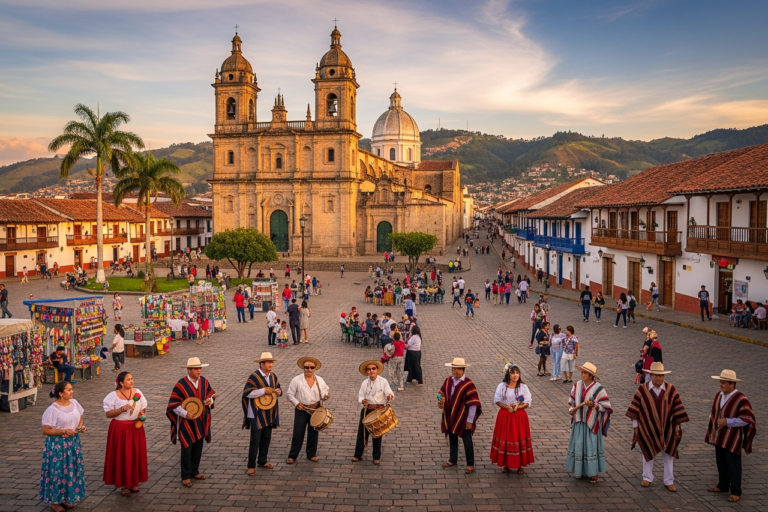
Key Highlights
-
Religion plays a big part in Colombian culture, with the Catholic Church at the center for many years.
-
Most people are Catholic, but Colombia has religious freedom. More people now go to Protestant and Evangelical churches.
-
Many people use religious words when they talk. This shows that faith in Jesus Christ is important in daily life.
-
Colombia is well-known for big religious festivals like Holy Week. These are key events in Colombian culture.
-
There are also other groups in the country. Some are part of Jewish faith, Islam, or follow indigenous spiritual practices.
Introduction
Welcome to a look into the spiritual side of Colombia. The vibrant Colombian culture is closely linked to its religious beliefs. Many people know Colombia for its coffee and beautiful views. But the way people follow their faith is also deep and interesting. The country’s laws protect religious freedom. This has led to a mix of old ways and new beliefs. If you want to really understand the heart of Colombia, you have to see the value religion holds for its people. This will help you know more about their values and how they live.
Overview of Religion in Colombia
When you look at religion in Colombia, you will find that one group is the most common. The Roman Catholic faith stands out among religious affiliation in the country. This comes from Spanish rule, which brought Catholicism to South America. Most people in Colombia say they are Christian. The biggest group among them is Roman Catholic.
But not everyone shares the same religious beliefs. While Catholicism is the main faith, Protestant groups are becoming more popular. One of these is the Church of Jesus Christ. This overview will talk about the history of these religious beliefs, how they touch daily life, and the way they help shape the identity of Colombia.
Historical Evolution of Religious Beliefs
The story of religion in Colombia starts when the Spanish came in the 16th century. They brought the roman catholic faith with them. This faith soon became a big part of how the country grew over time. For many years, the catholic church was the main faith and was given much power in the country.
After some time, this strong hold started to change. The catholic church is still strong, but now there are many more faiths. Over the years, more people started to move toward Protestant faiths and other types of Christian churches.
Today most people still follow Catholicism. But the Colombian constitution gives religious freedom to everyone, so there is now a mix of faiths in the country. This shows a bigger change over the years. Colombia is moving from one main faith to a country with many different ways to believe.
The Role of Religion in Everyday Colombian Life
In Colombia, faith is not just something people do on Sundays. It is everywhere and easy to see or hear. You can spot it in the way people talk every day. Many say things like “Si dios quiere” for God willing or “Gracias a dios” for thank God. These phrases show how the belief to have faith is part of the language in Colombian culture.
For a lot of people in the country, important times in their lives are connected to religious services. Events like baptism, first communion, and marriage are special, especially in rural areas. The church is often at the heart of life for people there. Icons and images of Jesus Christ and saints can be found in homes, businesses, and buses.
Religion is present all the time, and this gives many people a way to know right from wrong. It helps people find comfort, shapes how they look at life, and also helps make big decisions. Faith gives order when things feel tough and help when things go well. It helps tie each personal life to something bigger.
Influence on Colombian Identity and Society
Religious beliefs play a big role in how people in Colombia see themselves as a group. For many, to be Colombian is to grow up with the Catholic Church. This faith is not just from one person but is passed on in the family, like something important you have to keep. Even if you are not very religious, people usually still expect you to join in the main religious festivals.
The Catholic Church and other religious institutions have their influence outside just the home. In fact, the Catholic Church often takes part in politics and social issues. Religious leaders, more than just priests, say things that matter at both local and national level. They can even be involved in talks about big problems, like how to deal with armed groups.
Colombia has faced a lot of hard times, with conflict and violence. Religion, for many people, has given them a way to feel whole again and to find forgiveness. The Catholic confession is one example. Because you can confess and start fresh, it helps many in the country to heal after years of fighting. So, with its deep connections and everyday influence, the Catholic Church and religious beliefs have become a big part in how Colombians know who they are.
Major Religious Groups in Colombia
Colombia is a place with many religious denominations, but one stands out the most. Most people in the country say they are Roman Catholic. This tradition has been a big part of Colombia for a long time. The Roman Catholic faith is important in the nation’s culture and social life.
Still, things are starting to change. The country is seeing more types of religions. In the past several years, Evangelical Christian churches have grown a lot. You can also see Jehovah’s Witnesses and some other small religious groups. Here, we talk about how common Catholicism is, the way Protestant groups are growing, and what other Christian groups, like Jehovah’s Witnesses, be doing in Colombia.
Prevalence and Significance of Catholicism
Roman Catholicism is the heart of religious life in Colombia. Studies say that about 79% of people in the country call themselves Roman Catholic. Because of this, the Catholic Church is the biggest and most powerful religious group in Colombia.
The importance of the Roman Catholic Church is not just about how many people follow it. It runs deep in the way people live, work, and think in Colombia. There are Catholic rites in the key moments of life like baptism, marriage, and other big events. Many people turn to the church and its leaders, like Pope Francis, when they need help to figure out what to do about social or moral issues. Faith in Jesus Christ and the Holy Trinity is at the center of this religion.
Colombia has some of the highest rates for Catholic baptism in the whole world. To a lot of people, roman catholic beliefs and roman catholicism go right along with what it means to be Colombian. The church and the roman catholic church leaders shape what goes on in the government, in society, and in the way many people live each day. This keeps its key place in Colombian life.
Protestantism and Evangelical Christianity
While Catholicism is still the main religion, Protestantism is getting bigger in Colombia. Over the last few decades, Evangelical Christian churches have led most of this growth. These groups bring a different way to worship and connect with people. Many have been drawn to this new approach.
Most of the people joining these churches used to be Catholic. Studies say that many Protestants in Colombia were first baptized in the Catholic Church. This shows that people switch their religious affiliation, but do not leave Christianity. Pentecostalism is a favorite type of Protestantism. It is known for loud and active services, and there is a strong focus on what each person feels.
The churches, like the Church of Jesus Christ and some other denominations, are becoming a real part of life in Colombia. They make strong communities where people feel close to one another. Today, you see these churches more in city and rural areas.
Other Christian Denominations (Orthodox, Anglican)
In Colombia, there are other Christian groups besides Catholicism and Protestantism. These include Orthodox Christianity and the Anglican Church. While there are not as many people in these groups, they help make the country’s religion life more mixed.
Most times, these groups serve people from other countries who live in Colombia. Or they work with Colombians who have joined these world traditions. They are not as big as the church of jesus christ, but they have active church groups and religious organizations in major cities.
These kinds of churches and other faiths add to the mix of cultures in the country. They work next to larger churches like the church of jesus christ and other groups that talk about jesus christ. They have the right to pray in their own way and to make new places of worship. This helps grow their own community in japan the wide world of belief in Colombia.
Minority Religions and Indigenous Beliefs
Colombia is home to more than just Christianity. There are many other religious beliefs and old traditions that help make the country unique. Among these are faiths like the jewish community and the muslim community. There are also native spiritual ways that go back to times before the Spanish came.
In some areas, you will see Afro-Colombian religions. These mix traditional religious beliefs with elements of African animism. All these different faiths—the jewish community, the muslim community, and local traditions—show that many ways of believing and worship can live together in Colombia today.
Judaism and the Jewish Community
The Jewish community in Colombia is small, but it has a long history in the country. This religious group has been in Colombia for many years. They have taken part in many parts of life, such as business, the arts, and schools. You can find organized Jewish communities with synagogues and cultural centers in major cities like Bogotá, Cali, and Medellín.
The Jewish community is a minority religious group. Even so, they have kept their traditions and strong ties to their identity. They do this while mixing with the wider Colombian culture. They hold their own holidays and special events. Their ways and beliefs have been passed down from one generation to the next, which helps keep their rich history alive.
Their presence is part of what makes Colombia’s religious life so varied. Even though they are a very small group in the country, the Jewish community is respected. They stand as an example of how people in Colombia can live side by side, no matter their faith. This shows how the nation values having many groups, many backgrounds, and religious coexistence.
Islam and Muslim Traditions
The Muslim community in Colombia is small, but it is getting bigger over time. The people in this group come from different backgrounds. Some are from families who moved from the Middle East more than one hundred years ago. Others are Colombian people who chose to join the Muslim faith. You will see most of this community in major cities like Bogotá and in places that have a history of people coming from the Middle East.
There are mosques and Islamic centers in Colombia. These places are important to the Muslim community. People go there to pray, learn, and spend time together. These centers help keep Muslim traditions alive. They also give support to members because this is a country where most people see Christian images, like the Sacred Heart of Jesus, almost everywhere.
The Muslim community in Colombia is open about its faith. They practice what they believe and fit in with all the different groups in the country. They live side by side with the Christian majority. These Muslims enjoy religious freedom. Their way of life adds something special to Colombia, giving the country a new and different point of view.
Indigenous Spiritual Practices and Afro-Colombian Religions
Long before Christianity came, the indigenous people living in Colombia had their own religious beliefs. Many of these traditional religious beliefs are still kept alive today, especially in rural areas or places tied to ancestry. In these beliefs, there is a strong bond with nature. People show love and respect for Pachamama (Mother Nature), and stars like the Jaguar constellation are very important to them.
In Afro-Colombian communities, mainly on the Pacific coast, people have created their own special religions. These include parts of Catholic practice mixed with elements of African animism. Because of this, traditions like the “alabaos” and “gualíes”—which are special funeral songs—are now seen as a valuable part of the country’s culture.
All these spiritual ways from indigenous and Afro-Colombian groups are a big part of Colombia’s history. They show other ways to see the world. They focus on community, nature, and the ones who came before us. Often, people blend these beliefs with the more common religions in Colombia now.
Religious Demographics and Trends
To get a clear picture of Colombia’s religion, you have to look at the numbers. Most people still belong to the Catholic Church, but this is starting to change. More people are now saying they are Protestants. This shows religious affiliation is shifting and becoming more lively.
You can also see that a few people are becoming less religious. This is happening mostly with the younger folks and is picking up speed. The Ministry of Interior gives official approval to religious groups. These changes show that Colombia’s spiritual scene is changing. We need to look at the numbers, new groups popping up, and how things are different in many areas.
Population Statistics – Catholics, Protestants, and Others
Analysis of population statistics reveals a clear, yet evolving, picture of religion in Colombia. While official census data doesn’t track religious affiliation, various studies provide reliable estimates. The Pew Research Center, for instance, offers a comprehensive look at the breakdown of religious identity in the country.
These numbers show that while the majority remains Catholic, a significant minority now follows Protestantism. Religious leaders from all denominations closely watch these trends, which differ between major cities and rural areas. The following table provides an approximate breakdown based on recent studies:
|
Religious Group |
Approximate Percentage of Population |
|---|---|
|
Catholic |
79% |
|
Protestant |
13% |
|
Unaffiliated |
6% |
|
Other Religions |
2% |
This data illustrates the changing religious landscape. The growth of Protestantism and those with no religious affiliation indicates a shift away from the historical uniformity of Catholicism, painting a more diverse spiritual portrait of modern Colombia.
Changing Patterns: Secularism and New Religious Movements
Beyond the move from Catholicism to Protestantism, other changes are happening in Colombia’s spiritual life. One big change is more people saying they have no religious affiliation. This is seen the most in young people living in cities.
At the same time, new religious movements are starting to grow. These include ways of thinking about wellness and nature or new ideas about old faiths. Social media is helping spread these new ways. It brings together people who want the same things and lets them talk outside of regular religious groups.
These changes show a wider global shift. More people are following their own spiritual path. Many Colombians, especially young people, are now looking for meaning in different ways. This can be through set religion, new movements, or not believing in any religion at all. What we see now is a bigger range of choices in Colombia’s religious life.
Regional Variations in Religious Affiliation
Religion in Colombia is not all the same everywhere. It changes a lot from one place to another. Catholicism is strong all over the country, but how people practice it or what other faiths are present can be different. In some rural areas, Catholicism is still very traditional. It is the main part of life for many people there.
The Caribbean coast and pacific coast each have their own ways of practicing religion. The pacific coast has a big Afro-Colombian group. There, people mix Catholic saints with African beliefs. In big cities like Bogotá and Medellín, there is more variety. These major cities have more Protestants, people from smaller religions, and many who do not follow any faith.
These changes across Colombia come from the country’s history, culture, and the people who live there. For example, what you see in a remote Amazonian village is not the same as what happens in a major city. These differences show how places and who lives in them shape how people in Colombia practice their faith.
Catholicism in Colombia
Catholicism is about more than just faith in Colombia. It is a big part of the culture. The Catholic Church has been the top spiritual group for a long time, and you can see its influence everywhere. National days like the Immaculate Conception and the love people have for Jesus Christ show this. The presence of the Roman Catholic Church is clear in many parts of life.
You can find many symbols, such as the Sacred Heart of Jesus, all over. The Catholic Church is still important for millions of people. Now, let’s see how the roman catholic church shaped history in Colombia. We will also look at what the church believes at its heart, and talk about some famous religious sites that many pilgrims want to visit.
Historical Influence of the Catholic Church
The story of the catholic church in Colombia goes back to the 16th century. It started when the Spanish came to the area. After that, the roman catholic church became very important in the country. It was a big part of both the way people lived and the way the country ran. For many years, it was the only official religion, and nothing else had as much power.
The church was the main group that gave education to people. Religious education was a key part of what kids learned in school. The church also helped make the rules and social ways of the country. Most towns and cities had roman catholic churches and big cathedrals built right in the middle. This made catholicism a main part of Colombia’s way of life.
Even though the catholic church is not the official faith now, its influence stays strong. The roman catholic church still takes the lead in things people care about in society and politics. The history of the catholic church is still a big piece of how people in Colombia feel about their culture, values, and main groups.
Core Catholic Practices and Beliefs
Catholicism in Colombia is built on the same main beliefs that you see in Catholic people all over the world. At its core is faith in one God. Catholics believe God is three in one—the Holy Trinity. This is the Father, the Son (Jesus Christ), and the Holy Spirit. People also show strong love and respect for the Virgin Mary. Holidays such as the Immaculate Conception are big events across the country.
Life for most Colombian Catholics includes some key events known as sacraments and other actions that shape life from start to finish. Each of these helps shape both family and faith life.
-
Baptism: This is how someone joins the Catholic Church. It is seen as a very important first step for a person.
-
First Communion and Confirmation: These steps help a person show and build their faith as they get older.
-
Marriage: Catholic marriage is a deep and sacred promise between two people.
-
Confession: Here, people talk about their sins to a priest. This is how they ask for forgiveness.
These parts of faith help people follow the Catholic Church. They give structure to spiritual life for every believer. These are not only church rules but are family and community stories that Colombian people have kept and shared for many years.
Famous Cathedrals and Pilgrimage Sites
Colombia is one of the best places for people interested in religious tourism. The country has many beautiful cathedrals and religious sites that welcome millions of visitors every year. These spots are important for the Roman Catholic Church. They are not just places to pray, but also stunning buildings and spots where some of the biggest religious festivals happen.
You can find these catholic church sites all over Colombia. They are in the tall mountains of the Andes and near the blue waters of the Caribbean coast. There are some sites that stand out:
-
Salt Cathedral of Zipaquirá: This is a special church deep in the tunnels of a salt mine, sitting 180 meters below the ground.
-
Sanctuary of Las Lajas: Here, you find an amazing basilica inside a canyon. Many call it “God’s miracle over the abyss.”
-
Monserrate Sanctuary: This place sits high on a mountain, looking over Bogotá. Many go there to honor the Fallen Lord.
-
Cathedral of Santa Marta: This famous spot is in Santa Marta, which is the oldest city in South America. The church here is important and historic.
Many people visit these religious sites because they want to understand more about the country’s history and catholic faith. These places show how important the roman catholic church is in Colombia. If you like to learn about spiritual life and the culture of South America, make sure you visit these spots. You will find that they are both impressive
Protestant and Evangelical Communities
Catholicism is the main religion in Colombia. But Evangelical Christian churches and other Protestant groups are growing fast. The country gives people the right to practice religious freedom. This is why these churches have been able to grow. They give people another way to worship as Christians.
Groups that practice Protestantism, including Evangelical Christian churches, Pentecostal groups, and Jehovah’s Witnesses, now have a strong place in the country. Here, we take a look at how these churches grew so quickly, how Pentecostalism affects the community, and how these groups try to help others with their focus on social work.
Growth of Protestant Churches
The rise of Protestantism has changed the way people see religion in Colombia. In the past few years, Evangelical Christian churches, and especially the church of jesus christ, have grown a lot. This has added new ways for people to meet, pray, and spend time together. It is not only about the Catholic church now.
Many things help these churches grow. The country’s laws let everyone practise religious freedom. This has made it possible for new churches to open and welcome people. Many people like how these churches worship with energy. The focus is on having a close tie with God and feeling like part of a group.
Groups such as the church of jesus christ and several Pentecostal churches attract people from many kinds of backgrounds. More people are joining these evangelical christian churches. This shows that the religious landscape in Colombia is changing, and faith is becoming new and lively.
Pentecostalism: Local Impact and Community Role
Pentecostalism has touched many people in Colombia, especially compared to other types of Protestantism. These churches are known for lively worship, belief in healing, and putting the Holy Spirit at the center. Pentecostal and other evangelical Christian churches connect deeply with community members.
These churches are very important for their followers. This is true, most of all, in rural areas and in neighborhoods with less money. The church gives more than just spiritual help. It becomes a social support network. People get help, encouragement, and feel like they belong. The church is like a second family.
Pentecostal churches bring people together and make close communities. They help give a strong group identity and support. Church members help each other deal with problems in life. This focus on supporting the community helps explain why these churches have grown so much and why they are a big part of local life.
Social Outreach and Engagement
Many Protestant and Evangelical religious organizations in Colombia make social outreach a big part of what they do. They often help people right where they live. The groups launch programs to support community members. Some things they do are food drives, helping kids, and running centers for people who need help.
These religious organizations reach out to different parts of society. Some support people who need extra help. Others offer spiritual help to the armed forces and their families. This direct way of working makes people trust them more. They show their faith by doing good things.
Social outreach has real effects. It brings good change and helps connect people in the community. By serving those near them, religious organizations have become a key piece of life in many neighborhoods in Colombia. Their faith leads them to give help and to take part in the community.
Religion’s Impact on Culture and Festivals
In Colombia, religion and culture are deeply linked. You can really see the colombian culture in its religious festivals. These are big events for people every year. For example, Holy Week is a time when whole towns and big cities change. There are processions, rituals, and different religious activities.
Faith is part of daily life in Colombia. It shows in art, music, and even the food that people eat. Now, let’s look at some of the special celebrations in Colombian religious life. We can see how faith helps shape art and how it is a strong part of family life too.
Celebrations Unique to Colombian Religious Life
Colombia is known for its lively and colorful religious festivals. These are more than church traditions. They are big, cultural events that show off music, old traditions, and the strong feeling of community. Each one is different and tells a story about its place and people.
Some of the biggest religious festivals are:
-
Holy Week (Semana Santa): People share deep faith all over the country during this time. Popayán and Mompox stand out for processions that have lasted hundreds of years.
-
Festival of Candles and Lanterns: The night before the Immaculate Conception, which is December 7th, people in Colombia light candles and lanterns. This lights up the streets and homes to honor the Virgin Mary.
-
The San Pacho Festivals: Quibdó, a city in Colombia, has this event for Saint Francis of Assisi. People join parades, listen to music, and dance, mixing their faith with Afro-Colombian culture.
Every year, these religious festivals are a big part of life in Colombia. They bring people together and show how faith and happy times connect in the country.
Religion’s Influence on Music, Art, and Cuisine
Religion plays a big part in Colombian culture and shapes much of what people make and do. For many years, art in the country has often shown religious themes. You can see this in Colombian churches and museums, where there are many old paintings of saints and beautifully made altars.
You can also hear the role of religion in its music. One example is the “alabaos” from the Pacific coast. These are sad funeral songs that come from faith and are sung at important moments. Religious festivals are full of music too. People often sing hymns and spiritual songs that bring everyone together.
Food is part of these religions traditions as well. During Holy Week, people do not eat red meat. Instead, they have fish and make other special dishes and sweet breads for the event. These foods celebrate their beliefs. You can see the ways faith shapes art, food, and the way people live in their country. This mix of art, music, and food is at the heart of Colombian culture.
Integration of Faith into Family and Communal Traditions
In Colombian culture, religious beliefs are closely linked to family life. They are also an important part of the bigger community. Many families pass their faith from parents to children. This becomes a key part of who they are and what they value.
You can see this in the words people use every day. For example, phrases like “si dios quiere” (if God wills it) are used often. People in Colombia say this to remind themselves that the future depends on God’s will. Another phrase used is “porque dios quiere” (because God wants it). People say this when things happen, both good and bad, to help them feel calm and accept what happens.
These phrases in Colombian culture show how deep faith goes in everyday life. They do not just use these words—they show the way people think and live. For many, faith is the center of their life, giving them the right path and helping them through hard times. Family prayers and community gatherings are common, showing how religion brings families closer and helps strengthen their ties with others.
Conclusion
Religion is an important part of life in Colombia. It helps shape how people see themselves, their culture, and the way they live each day. Catholic roots run deep, but there are now more and more Protestant groups. This mix shows the country’s long history and many cultures. You can find the effects of faith in holiday celebrations, art, and in the way people come together.
If you want to learn more about Colombian religion, you can get a free consultation. It can help you understand how faith and society work together in this lively country.
Frequently Asked Questions
What are the main religions in Colombia?
The main religion in Colombia is Catholicism. There are also more people now joining Evangelical Christian churches. Besides this, Colombia has a Muslim community and a Jewish community. There are also special religions from native people and Afro-Colombians. This mix shows how the country’s spiritual life is very diverse.
How important is religion in daily life and culture?
Religion is a big part of Colombian culture. It shows up in family life, speech, and things people do with others. Religious activities and learning are important in society. For many, faith, which is often focused on the Church of Jesus Christ, gives people moral and spiritual help.
Are there any notable religious holidays or festivals celebrated in Colombia?
Yes, Colombia is known for its lively religious festivals. The biggest ones are Holy Week, called Semana Santa, where you see processions all over. Christmas is a big deal, too. The Day of the Immaculate Conception on December 7th is marked with lots of candles and lanterns. Each of these events is special and draws people together.



