

Key Highlights
-
Learning vietnamese greetings is the first step to build strong and meaningful connections with vietnamese people.
-
“Xin chào” is a more formal way to say hello, but native speakers often just use “chào” plus a pronoun when talking with others every day.
-
There are different greetings for elders and for close friends, so the words you pick can change depending on how formal you want to be.
-
People also use time-based greetings like “good morning,” but you will not hear them often with close friends or in casual talks.
-
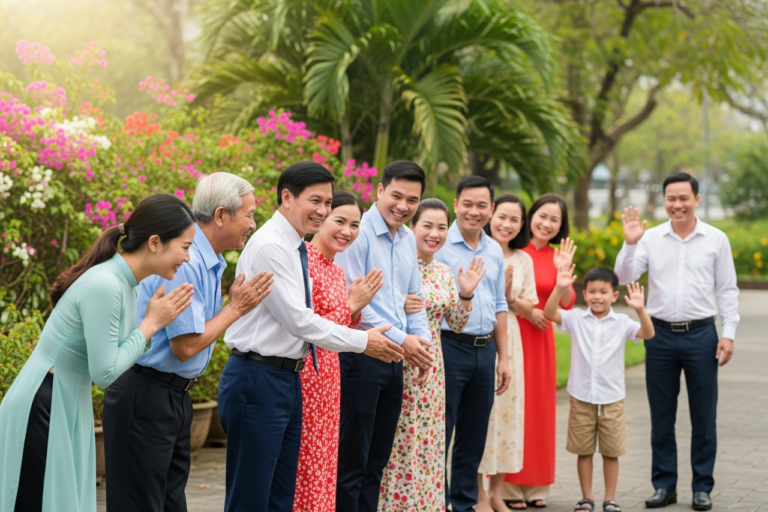
In vietnamese culture, handshakes or a small bow are important. They help show respect when you greet someone.
-
Picking the right greeting can show respect for older people and lets others know you understand the social rules.
Introduction
Are you ready to talk to people in Vietnam? A simple greeting is a great way to meet others and start a chat. Saying hello the right way is not only about using the right word. It also shows that you want to understand Vietnamese culture. When you greet someone in the right way, you show that you care and make a good start for real connections. If you are visiting or trying to build new relationships, knowing how to greet native speakers will help you a lot.
The Importance of Greetings in Vietnamese Culture
In vietnamese culture, greetings are more than just a simple way to say hello. They show respect, tell you about the social status, and help show the relationship between people. For vietnamese people, the right greeting matters. It can set the mood for a conversation and help show your cultural understanding.
When you take time to learn these customs, you are closer to having meaningful connections. You show that you care about their traditions and want to get to know them better. It’s more than just talking or meeting someone. We will look at why greetings are so important to everyday life and what they mean in the vietnamese cultural context.
Why Greetings Matter in Everyday Interactions
Everyday Vietnamese greetings are an important part of social life. When you greet someone, you show that you notice them and that you respect them. It can help everyone get along. Vietnamese people like it when visitors or foreigners try to use the local language.
Using the right vietnamese greetings shows you have a genuine interest in the culture and the person you talk to. It lets them know you care enough to learn what matters in their life. People may feel warmer toward you when you do this. You won’t be just another tourist. You will be someone who wants to connect.
Taking time for these greetings can help you make a great first impression. Think about going into a shop and saying “Chào chị” to the owner instead of just nodding. This small effort can open up a friendly chat or get you a good suggestion. It may even help you start meaningful connections with vietnamese people and native speakers.
Cultural Context Behind Vietnamese Greetings
Vietnamese greetings are based on respect and social order. People in Vietnam use a special set of pronouns. These pronouns are not like “you” in English. You must pick an appropriate pronoun by thinking about the other person’s age, gender, and place in society compared to you.
There is a big focus on showing respect in vietnamese greetings, especially to elders. It’s normal to ask someone for their age when you first meet. This helps you use the correct word. Body language is also important. When you greet someone older, use a slight bow or a small nod. This goes with your spoken greeting and shows you have cultural awareness.
It’s key to understand this background. Just saying “hello” is not enough. Your body language, the appropriate pronoun, and your tone all matter in vietnamese greetings. Showing cultural awareness will help you get along well with others and show respect in every meeting.
Common Vietnamese Greetings and Their Meanings
When you start to learn Vietnamese, you will come across “Xin chào.” It is easy to use and works everywhere. But there are more common Vietnamese greetings that native speakers use. People often say different words in different situations.
Knowing basic Vietnamese words for greetings will help you talk in a natural way. You can use simple phrases with friends or more formal expressions with others. There are many ways to say hello. Let’s look at some of the most popular greetings. This includes “Xin chào,” greetings for different times of day, and casual options.
Universal Greeting: Xin Chào
“Xin chào” is the first thing most people learn when starting with vietnamese greetings, and with good reason. It just means “Hello” in English. It is the most polite way to greet someone in Vietnam. The word “Xin” comes from a word that means to ask or request, and this makes the greeting very nice and polite. You can use it for anyone. It does not matter how old they are or what their job is. There will be no offense if you say this.
But, you should know that most native speakers do not use “Xin chào” with each other when they talk in a normal way every day. You often see it in big meetings, on tv, or when someone talks to a crowd. If you are not sure which pronoun to use, it is a good choice for you.
If you want to sound right, say “Xin” with a normal level tone, and say “chào” with a voice that goes down, or a falling tone. Say it with a smile so people feel your good will. It is the best first step before you learn more about which words or pronouns to use in certain cases as you keep learning from native speakers.
Time-Based Greetings: Morning, Afternoon, Evening
Like in many languages, Vietnamese has greetings that correspond to the time of day. While not as common in casual conversation as “chào” plus a pronoun, these phrases are still good to know, especially for slightly more formal situations. They can add a touch of politeness to your interactions.
These greetings are straightforward. You simply add the word for the time of day after “chào.” For example, “chào buổi sáng” is how you say “good morning.” These phrases are understood across the main dialects of Vietnam, making them widely applicable.
Here’s a simple breakdown of when to use each greeting:
|
Greeting Phrase |
English Meaning |
When to Use |
|---|---|---|
|
Chào buổi sáng |
Good morning |
From early morning until around 11 AM |
|
Chào buổi chiều |
Good afternoon |
From around 11 AM to 5 PM |
|
Chào buổi tối |
Good evening |
From 6 PM onwards |
Informal Greetings Among Friends and Peers
When you are around close friends or people who are about your age, things are not as strict as with formal greetings. In these informal settings, you do not need to use the word “Xin” to sound polite. You can be more laid-back and use a friendly greeting instead. It is good to use the “chào + pronoun” style, but with words that feel more close and easy for you and your friends.
For example, you can say “Chào bạn” to greet someone who is your peer. You can say “Chào em” if you talk to someone younger. These informal greetings help you and your Vietnamese friends feel at home and friendly with each other. It makes things feel good and brings a sense of being together.
Here are some good ways to greet friends in a laid-back way:
-
Chào + [Name]: You just say “chào” and add your friend’s name after it. People use this greeting a lot.
-
[Pronoun] + ơi: This is a friendly and common way to call someone or get their attention. For example, you might say “Anh ơi!” which means “Hey, older brother!”
-
Đi đâu đấy?: This means “Where are you going?” People use it a lot to start a talk, kind of like saying “What’s up?”
Using these ways to greet in informal settings will help you sound natural and friendly. They are perfect when you
Formal vs. Informal Greetings in Vietnam
It is important to know the difference between formal greetings and informal greetings in Vietnamese culture. People use formal greetings at work, the first time they meet someone, or when they talk to elders. In these situations, you should use polite words and show respect with your actions. This shows that you respect the other person.
On the other hand, people use informal greetings for friends, family, and others in informal settings. Using the right style helps show that you understand the person and care about them. If you pick the wrong type, the person might think you are either not friendly enough or too close. Now, let’s see how you should greet elders and what you need to say in formal situations.
How to Greet Elders and Show Respect
In Vietnamese culture, it is very important to show respect to elders. One way you do this is by how you greet them. When you meet older people, you have to use the correct terms for their age and place in the family. Always say hello to the oldest person in the group first. If you are sitting, make sure you stand up. This action shows you give respect even before you say anything.
The most polite way to greet an older person is by saying “chào” and then the right term for them. If it’s an older male who is around the age of your parents, you call him “chú” or “bác.” If it’s an older woman from that generation, you use “cô” or “bác.” For someone who is about as old as your older brother, you say “anh.” These ways to say hello let people know you respect them and understand their role in the family.
Your body language is also key. You should give a small bow of your head when you greet someone. This shows respect without words. If you greet an older male or someone who has power, do not keep strong eye contact for a long time. Just lower your eyes a bit as a sign of respect. All these small steps help you show respect which is a big part of Vietnamese culture.
Polite Expressions for Formal Situations
In formal situations, like a business meeting or a conference, it is important to use the right polite words. This helps to make a good impression. The most common and polite way to greet someone is by saying “Xin chào.” This greeting shows that you are in a formal setting.
Another polite expression for meeting people is “Rất vui được gặp bạn.” It means “Nice to meet you.” Using this phrase shows both warmth and professionalism in the first meeting. Formal greetings, unlike informal greetings such as a quick “chào,” are often full sentences and sound more careful.
For people who are not native speakers, using formal greetings is a safe and simple way to talk in professional settings. It shows respect and helps you follow the cultural norms. While informal greetings are fine for friends, using them in a business meeting may not appear professional.
Keywords: native speakers, polite way, formal situations, informal greetings, formal greetings
Non-Verbal Greetings and Gestures
In Vietnam, to greet someone, what you say is not the only thing that matters. The way you move, stand, and act also shows respect and how honest you are. These body language actions are a big part of how people greet each other. They can change based on where you are or who you meet.
There are times when a simple nod works. At other times, people use a formal bow. Body language helps add meaning to your greeting. Knowing about these ways to move is important for good talk with others. Next, we will share things people often do like bowing and shaking hands. We will also tell you which actions to stay away from.
Bowing, Handshakes, and Other Customary Actions
Non-verbal communication is a good way to make meaningful connections with others. In Vietnam, people use special actions with their greetings. Bowing your head shows respect, mainly when you greet elders or someone who has a higher status. A deeper bow means you show more respect. People in country areas sometimes use a traditional bow. They put their hands together at their waist when they bow.
Handshakes are popular too. You see them a lot in business meetings and in cities, especially with younger people. Men usually shake hands with other men and add a small nod. If the situation is formal, putting your left hand on top of the handshake shows extra respect. You should let the woman reach out first if you greet a woman.
A simple and polite nod is enough to let someone know you see them. This is good for greeting a woman or a Buddhist monk. Knowing about all these body language habits helps you feel more sure and show respect in different social situations.
What to Avoid When Greeting Someone
To make sure your greetings are welcome, you have to think about some things you should not do. Good manners can help you not make big mistakes that could upset people, even if you did not mean to. Part of cultural understanding is to learn both what to do and what not to do.
Body language matters a lot. Some gestures you use in Western countries may not be right in Vietnam. Paying attention to these little things shows respect for the customs there.
Here are a few things you should remember:
-
Avoid aggressive handshakes: It is best to give a gentle handshake.
-
Don’t initiate a hug: Hugging is only for close friends and family.
-
Refrain from prolonged eye contact with elders: Looking down a bit shows respect.
-
Don’t point with your finger: You should use your whole hand if you need to gesture.
If you mess up, just smile and say sorry in a friendly way. A nice reaction often goes a long way.
Beginner’s Guide to Using Vietnamese Greetings
Are you ready to use some Vietnamese greetings? This simple guide will help you get started. It shows you how to practice and get better, step by step. First, you need to know some basic Vietnamese words. What really helps you make real progress is to practice these words all the time.
You do not have to be perfect right away. There are many ways to get help with Vietnamese. You can try practice activities or talk to online Vietnamese tutors. Both can support you and make the process easy. You just need to know what to do first, learn some helpful tips, and look at how to say the words right and use the right body language.
What You Need to Get Started (Resources, Tips, Practice Tools)
To start learning Vietnamese greetings, it is good to have the right tools. You want resources that give lesson insights and help you practice with native speakers. A global online learning platform is great for this. The platform puts you in touch with tutors and clear courses.
Doing daily exercises is important in mastering Vietnamese greetings. When you repeat them each day, you make them feel like second nature. You can watch Vietnamese shows or YouTube videos. That will let you see how people use greetings in real life.
Here are some tools and platforms to get you started:
-
Language Apps: Use apps with interactive lessons and guides for how to say Vietnamese words right.
-
Online Tutors: Talk with native speakers online to practice one-on-one.
-
Spaced Repetition Systems (SRS): Try flashcard tools to help remember greetings and phrases in context.
-
Vietnamese Media: Watch movies and listen to Vietnamese music. It helps you get into the language.
Step-by-Step Guide to Greeting in Vietnamese
Are you ready to use your knowledge? This simple guide shows you, step by step, how you can greet someone in Vietnamese. The aim is to help you move from just knowing basic phrases to really using them when you talk to new people.
Scenario practice is a good way to get ready for new things. Think about the times you will meet new people, like when you are at a coffee shop or walk into a store to greet someone. If you act out these times in your mind a few times, you will get better at knowing what to say when the moment is there.
Start with the simple things. You do not have to try for a long talk at first. It is good to start with a clear and polite hello. When you feel okay with that, you can use a few new words, like learning to ask, “How are you?” You will get better each time you try.
Step 1: Choosing the Right Greeting for the Situation
The first thing you do when talking to someone is pick the right Vietnamese greeting. You need to look at the moment and think about where you are. Ask yourself if this is a formal place or just a casual spot. Think if you are talking to someone who is older, younger, or about your age. The answers help you know which greeting is the best to use.
If you are in a meeting at work, you use a formal greeting like “Xin chào.” This is the right Vietnamese greeting in that kind of place. But if you meet someone at a café and it’s not so serious, you use an informal greeting, like “Chào bạn.” That is a good choice for this setting.
Knowing if a place is formal or informal is very important in Vietnamese culture. If you stop and think before you start speaking, people see you as someone who cares. This shows you respect others and their ways.
Step 2: Pronouncing Key Phrases Correctly
Vietnamese uses tones for words, so saying them right is key. One word can sound almost the same but mean something else, based on the tone. There are six tones, but you just need to get a few for basic Vietnamese words, especially greetings.
“Chào” needs a falling tone. You should drop your voice at the end. “Xin” uses a level tone. Keep your voice flat through the whole word. For “không” in “Khỏe không?”, use a rising tone. Your voice goes up, like the end when you ask something in English.
To work on your pronunciation, listen to native speakers. Try to copy what they say. Expert tutors can help and tell you what to fix right away. Don’t feel bad if you can’t get the tones right from the start. The more you practice, the better you will get.
Step 3: Using Proper Body Language and Etiquette
After you pick your words and think about how to say them, it is key to use the right body language. The way you move and act can be as important as the words you say, especially when meeting someone for the first time. Good manners show cultural awareness and respect.
A smile can be understood everywhere and will make your greeting feel warmer. If you greet someone, mainly an elder, nod your head a little. This shows respect. Eye contact matters too. With older people, look them in the eye first, then shift your gaze lower. That is polite.
Your actions should show that you have genuine interest in the other person. If you meet someone older or someone with a higher status, stand up to greet them. These small polite moves help your words stand out and let them know you truly want to connect.
Greetings in Different Social Settings
How you say hello to someone in Vietnam can be very different based on where you are and who you are with. The greeting you use with friends is good for that time, but may feel strange at a work meeting. The words you use with family at family gatherings are not the same as what you say with new people you just met.
It is important to know how to change your greeting to match who you are with and where you are at. When you use the right words at work or when you see loved ones, you say that you respect them. This is a good way to connect with people. In this guide, we will talk about what to say when you meet new people for the first time, what to say at your job, and what works best at family gatherings.
Meeting Someone for the First Time
Meeting someone for the first time is your chance to make a great first impression. In Vietnam, people often start with a more formal and respectful greeting. You can say “Xin chào” to be safe and polite. This works well if you do not know the person’s age or role.
After you greet someone, you can say “Rất vui được gặp bạn.” This means “Nice to meet you.” You may offer a gentle handshake if it feels right, and a slight nod is good, too. Keep your body language open and friendly, but do not act too familiar with them. Practicing these scenarios is a good way to feel more confident for these first time meetings.
Using some basic Vietnamese words and polite gestures helps make a good impact. It lets people see that you respect their way of greeting. You also show you took time to learn about vietnamese culture. Even small efforts like these can set a good tone for your day and help the rest of your meeting go well.
Professional and Business Greetings
In work or business places, the way you act is very important. You should always use formal greetings and show respect. This is the way to do it in both Hanoi and ho chi minh city. When you shake hands in formal situations, give a gentle shake. It should not be firm.
If you meet a group of people, talk to the most important person first. Call people by their formal title and last name unless someone tells you to use their first name. Most people will start with “Xin chào” and add the title if they know it.
Here are some tips for greetings at work or in formal situations:
-
Handshakes: A light handshake is usual for both men and women at work. Men start the handshake most of the time, but if you are with a woman, wait for her to hold out her hand first.
-
Business Cards: Giving out your business card is a normal part of meetings. Hold the card with both hands when you get it to show respect.
-
Verbal Greeting: Use polite, formal greetings like “Xin chào.”
Greeting Family and Close Friends
When you are with family or close friends, greetings are much friendlier and relaxed than in more serious places. At family gatherings, people still show respect to elders, but the mood is warm and easy. With your Vietnamese friends who are around your age, it is normal to use informal greetings.
You can leave out the word “Xin” from “Xin chào” and just say “chào” with a pronoun or the person’s name. Doing this helps create a close and familiar feeling. These casual talks let you use your conversational Vietnamese more and help you be close with people.
Here are some greetings you can use with close friends or younger people in informal situations:
-
“Chào bạn” or “Chào em”: This is a simple and friendly greeting for peers or younger people.
-
Getting someone’s attention: Saying “[Pronoun] + ơi” (like “Chị ơi!”) is a common and friendly way to call someone.
-
Asking about their day: You can ask “Đi đâu đấy?” to mean “What’s up?” in a friendly way with vietnamese friends.
Conclusion
Understanding greetings in Vietnam is an important part of the country’s culture. It helps you move around social events and show respect for the people you meet. You can use “Xin Chào” with everyone, but there are other greetings you say at different times of the day. When you learn more about these greetings, your trips and talks will feel better.
In Vietnam, it is not just the words that matter. Body language and knowing the right time or way to greet also have a big part. Being open to both formal and informal greetings lets you build good relationships with people. If you meet someone for the first time or see family again, your greeting can make the day start well.
If you want to learn more and become better at greetings, you can look for resources that focus on Vietnamese culture. This will help you grow your skills and feel more at home during your time with others.
Frequently Asked Questions
What are the easiest ways to say hello in Vietnamese for beginners?
If you are new to speaking, you can start by saying “Xin chào.” This is a simple and polite way to say “hello” and you can use it anywhere. When you feel okay with using more basic Vietnamese words, try saying “chào” with pronouns. For an older male, you say “anh,” and for an older female, you say “chị.”
How should I greet elders or older people in Vietnam?
To show respect, you should greet older people by using formal greetings with the right pronoun. If you meet a man who is like a grandfather, say “Chào ông.” If you greet a woman who is like a grandmother, use “Chào bà.” For someone who is the age of an older brother, you can say “Chào anh.” When you use these formal greetings, give a small bow of your head.
Are handshakes common in Vietnam?
Handshakes are a normal part of life in Vietnamese culture. People use them a lot at work and men do it more often. You should have a soft grip when you shake hands. If you are meeting someone for work or want to show more respect, put your left hand on top of the handshake. It is usual to wait for the woman to offer her hand first.
Do greetings change depending on the time of day?
Yes, you can use time-based greetings in the Vietnamese language. For “good morning,” you say “Chào buổi sáng”. For “good afternoon,” you use “Chào buổi chiều”. And for “good evening,” you say “Chào buổi tối”. But these are basic phrases and sound a bit formal. In most casual talk, people just say “chào” with a pronoun.



