

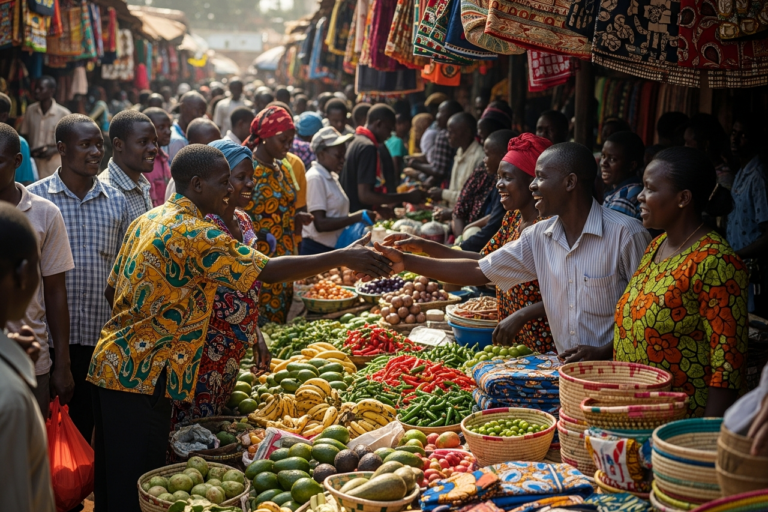
Key Highlights
-
Greetings are an important part of the local culture in Uganda. They help you make good and meaningful connections with people.
-
The most common greeting in Luganda is “Oli otya?” This means “How are you?”
-
In Uganda, giving a firm handshake is also a big part of greeting someone. It is a sign of respect.
-
If you know respectful forms of address like “mwattu tuula wansi,” people, especially elders, will appreciate it a lot.
-
Many use greetings for certain times, like “wasuze otya,” which means “good morning,” instead of just saying hello.
-
English is the official language, but knowing a few words in Luganda makes your time and conversations better in Uganda.
Introduction
Welcome to Uganda, known as the “Pearl of Africa.” Many people talk about the country’s beautiful views, but the real treasure is the way people welcome you. If you are in Uganda for the first time, be sure to learn about the local culture. It helps to know the correct way to greet someone. A simple greeting can show respect and help you start to build meaningful connections with people in Uganda. When you greet someone in the right way, it can turn a short meeting into a good memory. You get to see the heart of Africa through the warm smiles of its people.
Understanding Greeting Culture in Uganda
In Uganda, greeting someone is not just a quick “hello.” It is a big part of the local culture and daily Ugandan life. Taking time to greet a person shows a sign of respect. It is often the first step to building a friendly connection with someone.
The warm people in Uganda like it when you use respectful forms of address. Though English and Swahili are official languages in Uganda, many people also speak Luganda. If you know how to greet others and what to say back, you can have better and more positive conversations. Using the right greeting helps you connect well in Ugandan life.
The Importance of Greetings in Daily Life
Greetings are a big part of daily life in Uganda. They are very important in the local culture. The warm people here always start with a greeting, and it’s the first step to any talk. It helps people in Uganda build meaningful connections. If you walk past someone and do not stop to greet them, there is a good chance you could be seen as rude. Taking some time for just small talk matters a lot in this country. This simple act shows that you have respect for the other person.
A greeting like “oli otya?” is the most used way to say “How are you?” in Uganda. It doesn’t take much, but this small exchange can set the tone for a good talk. When you join in with their simple greetings, you step into the warm and open attitude that people know Uganda for.
These moments are about more than just small talk. They show respect, and help people trust one another. You get the chance to know people, and see their real side. Even if you are only a visitor, when you greet others and try to be a part of this local culture, you will learn more about the Ugandan way of life. This habit can help you make good friends, and your time in Uganda will be much better for it.
Traditional Versus Modern Ugandan Greetings
Ugandan greetings mix old customs and new ways of life. In the central Buganda area, many people use the Luganda language to greet each other. They often say “Oli otya?” which means “How are you?”. You will hear this a lot in daily talk.
English, the official language, is used often in cities like Kampala. But if you try even a few words in Luganda, people will be happy. They see this as a sign of respect. It shows that you want to know more about their culture. Many will like that you have made an effort, even when your words are not exactly right.
The handshake is a big part of greetings too. It matters in both traditional and modern ways here. It shows you are open and friendly. From time to time, you may hear Swahili greetings too. Still, most people do not use them in many places in the country.
Common Ways to Greet in Uganda
For people who visit Uganda, it helps a lot to know some common ways to greet others. This is true especially for beginners. The main languages in Uganda are English and Luganda. You can use an English “hello” just about anywhere, and most people will get what you mean.
But when you use a greeting in Luganda, your meeting with someone can feel more warm and stand out. These greetings are not just about saying hello; they often show that you care about the other person’s well-being. In Uganda, people pay attention to both words and body gestures when greeting. Some greetings also change, depending on what time of day it is. Let’s look at some of the phrases and ways you can greet others, both with speech and with your actions.
Handshakes, Gestures, and Body Language
In Uganda, giving a handshake is a strong sign of respect. It is one of the most important ways to greet people each day. The handshake in Uganda can be longer than what you often see in Western cultures. Someone may keep holding your hand while talking to you. This shows that they like you and want to make you feel close.
Your body language is also a big part of a good greeting. It is good to make eye contact, but do not stare. Stand or sit with an open and friendly look. This helps you build trust and support your greeting. These simple, non-verbal acts are very important for good communication.
When you meet someone in Uganda, remember these important things:
-
Always give a handshake when greeting another person.
-
If the handshake goes on longer than you know, see it as warmth.
-
If you place your left hand on your right forearm or elbow when shaking hands, it is a sign of respect.
The way you greet someone in Uganda shows you know about signs of respect and what matters to the people there.
Greetings for Different Times of Day
Yes, in Uganda, greetings are often specific to the time of day and are more conversational than a simple hello. Instead of saying “good morning,” it’s common to ask, “Wasuze otya nno?” which means “How was your night?” A typical response is “Nasuze bulungi,” meaning “I slept well.” This approach is a hallmark of Ugandan communication.
Similarly, for “good afternoon” or “good evening,” you would ask, “Osiibye otya nno?” meaning “How was your day?” When you are leaving for the night or heading to bed, you can say “Sula bulungi,” which translates to “sleep well” or “good night.”
This simple table will help you remember these key phrases. Knowing them will make your interactions feel more natural and respectful.
|
English Phrase |
Luganda Phrase |
|---|---|
|
How are you? |
Oli otya? |
|
Good morning (How was your night?) |
Wasuze otya nno? |
|
Good afternoon/evening (How was your day?) |
Osiibye otya nno? |
|
Good night |
Sula bulungi |
|
Thank you |
Weebale |
|
I am fine |
Gyendi |
Respectful Greetings for Elders and Formal Settings
Showing respect to elders is a big part of Ugandan culture. When you are greeting someone older or in a formal place, you should use the right forms of address and respectful forms of address. These small things show that you value their place and what they know.
Simple words like “mwattu tuula wansi,” which means “Please sit down,” can show that you care and want to be polite. It does not matter if you do not say it perfect. When you try to show respect, people will notice it and remember you in a good way.
Use the right greeting and try to be respectful every time.
Approaching Elders and Community Leaders
When you meet elders or leaders in Uganda, it is a clear sign of respect to use special greetings. In Buganda culture, younger people may kneel or give a small bow when they greet older people. Foreigners are not expected to do this, but it is good to show respect with how you stand or move.
It is important to use respectful forms of address. For men, say “Ssebo” (Sir), and for women, say “Nyabo” (Madam). People look for these words when you talk with elders and in formal times. You can also say “mwattu yogera mpolampola,” which politely means, “Please speak slowly.”
Trying to use these phrases is a good way to show respect and connect with the local culture. Even if you do not say them perfectly, people will know you care. This shows your interest in their way of life. It also helps you get warmer answers and deeper conversations with them.
[Sign of Respect] [Forms of address] [Respectful forms of address] [Local culture] [mwattu yogera mpolampola] [uganda] [buganda] [greeting]
Mistakes to Avoid as a Visitor
Visitors often make mistakes with local ways of doing things, but knowing about them can help you be more respectful. Ugandans are kind and will forgive you if you do something wrong, but you can have better talks with people if you avoid some common errors. For example, if you rush through a greeting or walk past someone without even looking at them, that can seem rude.
Another thing you should know is, don’t say you will do something if you aren’t sure. Ugandans value trust, and making a promise you can’t keep is a big problem. Ugandans also like to keep things friendly. They do not like to argue face to face. So, try to talk in a calm and friendly way. If you need to say no, say it gently. You could use a phrase like “Nedda, weebale,” which means “No, thank you,” instead of saying “No” very sharply.
To have better and smoother talks, keep these ideas in your mind:
-
Don’t miss out on greetings. Always take some time to say hello.
-
Try not to be too direct or get into arguments.
-
Don’t promise something if you are not sure you can do it.
-
If you get asked questions about your family, don’t get surprised. This is a friendly way for Ugandans to connect with you.
By knowing the right way to greet, using “nedda” kindly, and understanding how Ugandans talk, you can enjoy your time there and
Conclusion
Greetings in Uganda are very important. They shape how people talk to each other and help everyone feel connected. If you know the different ways to greet people—like using the right handshake or saying the right words for the time of day—you will find it easier to get along with others. It is important to follow local customs, especially when you greet elders or leaders. Doing this gives a good impression. It is good to use these greeting habits because they make your time in Uganda better and also show that you respect the country’s culture. If you are getting ready to visit, remember that a warm and honest greeting can help you meet new people and build strong ties there. You should look forward to your time in Uganda and enjoy being part of its friendly way of life.
Frequently Asked Questions
How do you greet someone in rural areas of Uganda?
In the rural areas of Uganda, people greet each other in a way that takes more time than in the city. They often use Luganda and other local languages. When you are on safari or visiting a small community, make sure to give a proper greeting. This is seen as a sign of respect, and people will like it.
What unique greetings exist in Ugandan languages besides Luganda?
Luganda is used by many people, mostly in Kampala and the Buganda region, but there are more main languages in Uganda. In the west of Uganda, some people use greetings from Runyakitara languages. Swahili is also an official language. People do not use it as much for greetings, but you can still hear it sometimes.
What are typical responses to common greetings in Uganda?
Typical responses matter as much as the greeting. If someone says “Oli otya?” (which means “How are you?”), you can answer with “Gyendi” (that means “I am fine”). After this, it is polite to say “Weebale” (which means “Thank you”). When you hear a casual “Ki kati?” (which is like saying “What’s up?”), answer in a relaxed way, too. Using the right greeting like oli otya or kati helps keep talks friendly.



