

Key Highlights
-
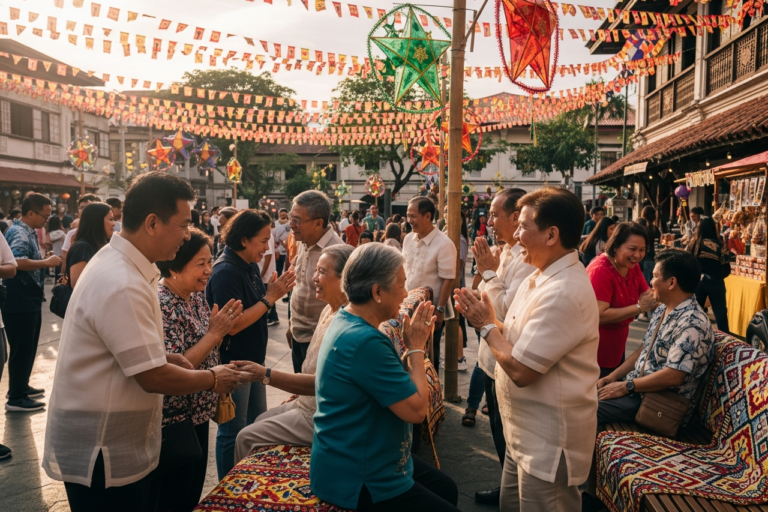
Filipino greetings are a big part of filipino culture. They show respect and a friendly attitude. You will see this with family members or when talking to other people in everyday conversations.
-
“Kumusta” is a word that people use the most when saying hello in Tagalog. You can hear it almost anytime in daily talk.
-
People use formal greetings with words like “po” and “opo” to be polite. This is very important, especially with elders.
-
The “mano po” is a gesture that shows respect to older family members or authority figures.
-
The type of greeting changes with the time of day. For example, people say “magandang umaga” to mean good morning.
-
Other than Tagalog, folks use other regional greetings too. Some like to use English as well.
Introduction
Welcome to the warm and friendly world of Filipino greetings! The Philippines is a place where people are known for their kindness. The way they greet each other shows this well. Learning Tagalog greetings is not just about knowing some words. It is also about feeling and being part of Filipino culture. This helps people get closer and understand each other more. It does not matter if you want to go there or you are only interested, this guide will show you the sweet ways Filipinos say hello.
Overview of Filipino Greetings and Cultural Context
In the Philippines, saying hello is not just about talking. It’s a way to show respect, care, and how people feel close to each other. Filipino greetings have a big part in what people say every day. These greetings can change because of things like how old you are, who you are, and where you stand in society. This means you need to have some cultural understanding to use them right.
You will hear these greetings in all kinds of everyday conversations. People use them with friends for a quick talk or even in a big work meeting. Filipino greetings show how respect is very important in the Filipino culture. They keep people feeling close and welcome each day.
The Role of Greetings in Everyday Filipino Life
Greetings are a regular and loved part of everyday conversations in the Philippines. The way you greet someone can change based on your relationship with them. When people meet strangers, men might use a light handshake and a smile. Women may wave instead. It’s also usual for men to let women choose if they want to shake hands first.
When it comes to close family members or Filipino friends, greetings are warmer. Men often shake hands and give each other a small pat on the back. Women usually hug and give a kiss on the cheek. This is called “beso-beso.” These actions show how much Filipinos care about their loved ones and how important their relationships are.
When Filipinos are in relaxed groups with people they know, you will see these caring greetings even more. The meaning is to help people feel welcome and at home. How people greet each other in Filipino culture helps everyone feel close and cared for. It is a special part of daily life.
Importance of Respect and Hospitality in Filipino Culture
Respect and hospitality are very important in Filipino culture. You can see this a lot in the way people greet each other. In the Philippines, it is important to show respect, especially to elders and authority figures. If you want to connect well with Filipinos, you need to have a good cultural understanding of these habits.
People do not call elders by their name only. You will always hear someone use a title like “Ma’am,” “Sir,” “Lola” for grandmother, or “Lolo” for grandfather. This does not just apply to grandparents. The same goes for people who are only a bit older than you, even if they are in your family or work.
Some special honorifics like “kuya” for an older brother and “ate” for an older sister are often used. These words do not translate straight into English. They are used out of respect for age and for what someone has gone through in life. One more big sign of respect in Filipino culture is “mano po.” This is when you take an elder’s hand and press it to your forehead. It is a way to ask for blessing and to show respect to them.
Using “mano po,” thinking about authority figures, and using the right titles will help you get closer to Filipinos and understand their culture better.
Most Common Ways to Say Hello in the Philippines
In the Philippines, you will hear many ways to say hello. The most common and friendly greeting is “Kumusta?” This simple word in Tagalog means “How are you?” People use it a lot in everyday conversations. It’s a warm way to start talking to someone.
Along with “Kumusta,” people use greetings that match the time of day. For example, “Magandang umaga” means “Good morning.” Many Filipino greetings have their own changes and there are also lots of English greetings used too.
Kumusta and Its Variations
The word most people use to say hello in the Philippines is “Kumusta.” You will see this simple Tagalog word a lot. It comes from the Spanish phrase “cómo estás.” This shows how the country’s Spanish colonial influence is still felt today. People use “Kumusta” in almost any situation. You can say it to a friend or someone you just met.
There are a few small changes to this greeting that you may hear, depending on who you are talking to. This helps you show more care and knowledge about Filipino culture and tagalog greetings.
Here are a couple of the most common forms:
-
Kumusta ka? – This means “How are you?” It is used when talking to one person.
-
Kumusta kayo? – This is for more than one person, or when you want to be formal. Use this if you are talking to a group or someone older or with more respect.
So, if you want to get closer to people when you are in the Philippines, try these Filipino greetings. They can help you connect with others.
Greeting in English and Other Philippine Languages
While you will often hear Tagalog greetings, do not be surprised if you hear a lot of English, too. English is one of the main languages in the Philippines. People use it often, especially in urban areas and at work. Many Filipino speakers know two languages. So, saying “Hello” or “How are you?” is common and people will get what you mean.
The Philippines is home to many languages. There are more than 180 living languages in its islands. Because of this, greetings can be different in every place. In the Visayan regions, for example, the things people say can be different from Tagalog greetings.
Here are some ways to say good morning in other big languages in the country:
-
Maayong buntag: “Good morning” in Cebuano.
-
Naimbag a bigat: “Good morning” in Ilocano.
-
Marhay na aga: “Good morning” in Bicolano.
Formal and Informal Greetings: What You Need to Know
When you use Filipino greetings, you need to know when to be formal or casual. In Filipino culture, respect is very important. The language shows this by using special words for different people and situations. Picking the right level of formality can make a big difference when you talk to others.
If you talk with friends in a casual way or speak to someone older, you need to know the difference between formal greetings and casual greetings. It helps to use words like “po” and “opo” to show politeness. You also need to know how to greet elders and authority figures in the right way in different social contexts.
When to Use “Po” and “Opo” for Politeness
In the Philippines, people use formal and informal greetings. The words “po” and “opo” are important in showing this difference. These short tagalog words show a lot of respect. You use them in your sentences when you talk to someone who is older, in charge, or someone you do not know well.
“Opo” is a formal way to say “yes.” The word “po” is often added to sentences to sound polite and show respect. For instance, instead of just saying “Salamat” for thank you, you say “Salamat po” when you talk to an elder. This small word makes the level of formality clear.
Knowing when to use “po” and “opo” is part of showing respect in Filipino culture. Using these tagalog words is one way to follow local customs, respect others, and make everyday talks easier and better for everyone.
Addressing Elders and Authority Figures Respectfully
The most respectful way to greet elders or anyone with a high position in Filipino culture is not just by saying kind words. You also need to use honorific titles, polite words, and some gestures. People use “po” and “opo” whenever they talk with these people because it is a must.
Besides those words, it is also important to use the right title. If you meet elders, call them “Lolo” for grandfather or “Lola” for grandmother, even if they aren’t in your family. When you talk with authority figures or people who are only older but not close to you, you can call them “Sir” or “Ma’am.” If someone is just a little older but close, call them “Kuya” for older brother or “Ate” for older sister.
Using polite language with this kind of level of formality and these titles shows respect for their age or place. In Filipino culture, you can use the gesture called “mano po” along with polite words. This simple act is part of local customs and is a sure way to show someone that you value and respect them. Making use of these practices also helps you leave a good image.
Beginner’s Guide to Greeting People in the Philippines
Are you ready to greet people like you are from the Philippines? This simple guide will help you get started. If you learn some basic Tagalog words, you will show you care about the Filipino culture. It also helps you feel closer to people there. Picking up new words is a nice and easy way to make your language learning more fun.
Do not stress about speaking perfectly. People will like that you try. In this guide, you will find the key phrases, the right gestures, and easy ways to say hello and more. You will feel sure of yourself when you greet people in any place or time that fits with Filipino culture.
Essential Phrases and Resources for Getting Started
For someone new, learning just a few key phrases can help you a lot. Your first Tagalog phrase should not be hard. Easy greetings are a great way to start talking and show the people that you want to make friends.
To get going, search for online Tagalog lessons. Go for ones that give you practical lessons to help a beginner. There are many places the people can find. Some teach you the Tagalog alphabet. They also help you say words right, and learn the most important basics.
Here are some basic Tagalog phrases you can use when meeting someone in the Philippines:
-
Kumusta ka? – How are you?
-
Salamat po. – Thank you (formal).
-
Paalam. – Goodbye.
Step-by-Step Guide to Greeting in Filipino Settings
Greeting someone in Tagalog as a foreigner can be a nice and good way to meet people. Filipinos are often very open and they will see your effort to say even a few words. If you use the right greeting, it can help you have more everyday conversations. It also shows you have some cultural understanding.
The main point is to say your words with a smile and try to be friendly. Do not worry about your accent or if you make a mistake. That is just part of how we get better. When you use specific greetings that fit the time or day, people can tell you took your time to know this. It is a way to show respect to them.
These practical lessons in how to greet people will help you a lot in many Filipino settings. You should start with the basics and watch how people talk to each other. Soon, you will see what makes up Filipino talk and be able to add those things when you speak too. People will also be happy to see you trying and may give you more to learn.
Step 1: Choosing the Right Greeting for the Situation
Picking the right greeting is the first thing you need to do, and it may be the most important. As you saw, people in the Philippines use both formal and informal greetings. What you say depends on the time of day and who you talk with. Think about their age and what your relationship is with them. If you notice these things, you will make real connections.
The level of formality is important. Are you speaking to a friend, or are you talking to someone older? If it is your friend, you can simply say “Kumusta?” If you talk to an elder, say “Kumusta po kayo?” That shows you know the right way to greet people, and you respect the level of formality.
Also, keep in mind the time of day. Greeting someone with “magandang umaga” for “good morning” or “magandang gabi” for “good evening” fits the moment. These options make your real conversations feel warm and natural. Using these contextual greetings the right way helps you get along better with everyone.
Step 2: Using Appropriate Gestures and Body Language
Yes, it is very common in the Philippines to use hand gestures and body language when you greet people. What you say is just one part of the message. The way you move and act also helps show respect and care. A quick smile can go a long way and is always a good start.
Most of the time, you can greet someone with a small wave or a soft handshake. You should keep in mind that in Filipino culture, a man will wait for the woman to reach out first if they are going to shake hands. If you notice and follow these local customs, it shows that you pay attention and that you respect others.
Here are some physical gestures to watch for:
-
Mano po: You hold the hand of an older person and bring it to your forehead. This shows a lot of respect.
-
Beso-beso: You touch cheeks with a friend or family member. This is common for women.
-
Handshake: People often use a gentle handshake in formal or work places.
These actions are key in filipino culture. They help you show warmth to other people and follow the local customs. When you use these simple gestures, you fit in better and make others feel good.
Step 3: Practicing Greetings in Real-Life Scenarios
For people who are trying to learn a new language, the best way to get better is to practice often. The top way to get used to using Filipino greetings is to use them with real people, not just in books. Don’t be shy—go ahead and try out these greetings when you see Filipinos. If you do this, you will start to see real progress instead of just learning words from a list.
When friends in the Philippines see each other in a relaxed place, they greet each other in a warm way. You might notice them saying “Kumusta?” with a hug or maybe a quick pat on the back. Take your time to watch and listen to the way they speak. Try to focus on their voice and the moves they make with their body—these small things will help you pick up pronunciation tips.
Try to find good times to practice. You can work with a language partner, join online Tagalog lessons, or talk to people at a local market. Every time you say something, you help yourself get better. If you keep doing it, your Filipino greetings will sound more natural, and you will be more confident.
Regional and Time-Specific Filipino Greetings
How you say hello in the Philippines can change depending on where you are and what time of day it is. The Filipino culture is full of many traditions, and this shows in the different ways people speak and greet each other. Using special greetings for the morning or the evening makes your talk sound better.
Where you are in the Philippines matters too. The country has many islands and there are lots of local dialects, so you will find different greetings in each place. Now, let’s see how to greet someone at different times of day and learn about some special greetings from around the country.
Morning, Afternoon, and Evening Greetings
Yes, you can absolutely use traditional Filipino greetings for different times of day! These greetings are very common and are a wonderful way to sound more like a local. The word “maganda” means beautiful or good, so when you say “Magandang umaga,” you’re literally wishing someone a “beautiful morning.”
These time-specific greetings are used widely, from casual chats to more formal settings. You can say “Magandang hapon” when you walk into a shop in the afternoon or “Magandang gabi” when meeting friends for dinner. It’s a polite and thoughtful way to acknowledge the time of day. A common reply to “Magandang umaga” is “Magandang umaga rin,” which means “A beautiful morning to you too.”
Here is a list of traditional greetings for different times of day:
|
English Greeting |
Tagalog Greeting |
Pronunciation Guide |
|---|---|---|
|
Good morning |
Magandang umaga |
ma-gan-DANG oo-MA-ga |
|
Good day/noon |
Magandang araw |
ma-gan-DANG AH-row |
|
Good afternoon |
Magandang hapon |
ma-gan-DANG HA-pon |
|
Good evening |
Magandang gabi |
ma-gan-DANG ga-BI |
Unique Greetings from Different Regions in the Philippines
Greetings in the Philippines can change a lot depending on where you are. Tagalog is the main language, but people use over 180 other languages in the country. Because of this, there are many unique ways to greet people. These greetings help show the local customs and the history of each area.
For those in the Visayan regions, most filipino speakers use Cebuano or Hiligaynon. If you go to these places, you will hear different greetings compared to the Tagalog used around Manila. When you use a local greeting, it is a nice surprise and shows respect for the people and their culture.
Here are some common greetings in different parts of the country:
-
Cebuano: In Cebu and many other parts of the Visayas, the greeting is “Maayong adlaw” for “Good day.”
-
Ilocano: In the Ilocos region in the north, people say “Naimbag nga aldaw” for “Good day.”
-
Ilonggo (Hiligaynon): In parts of the Western Visayas, people use “Kamusta ka?” which is much like the Tagalog greeting. Many of these greetings also come from a spanish phrase.
Knowing greetings for each area helps you fit in well with the community. It shows you want to learn more about their way of life.
Non-Verbal Greetings and Gestures in Filipino Culture
In Filipino culture, what you don’t say can matter as much as what you do. Non-verbal greetings and physical gestures play a huge part in the way people in the Philippines talk to each other. They help show respect, friendly feelings, and care for one another, and they do this without using words. These actions are now a natural part of how people connect with others.
From the respectful “mano po” to the friendly “beso-beso,” these gestures give every greeting more depth and meaning. If you get to know these non-verbal cues well, it will be easier for you to deal with any social moment. You’ll also be able to show respect for Filipino culture and all local customs.
Mano Po: Showing Respect to Elders
One of the strongest physical gestures for showing respect in Filipino culture is called “mano po.” This nice tradition is a big part of showing how much people care for their elders. To do the gesture, you take the back of an elder’s hand and gently touch it to your forehead. When you say “mano po,” you are asking for a blessing, because “mano” means hand and “po” is a way to show respect.
People do this when they see older family members, like grandparents, aunts, uncles, or other authority figures. It is common to do this when you visit an elder’s house or see them at a gathering. “Mano po” is a strong way, without words, to show that you know they have wisdom and high status.
There are some new local customs, like “beso-beso,” that some people use instead, but “mano po” is still one of the most important gestures for honoring elders. Doing it means you understand and respect family members and what is important in Filipino culture.
Beso-Beso, Handshakes, and Other Physical Gestures
Besides “mano po,” there are more physical gestures that people use for Filipino greetings. The way you greet with these physical gestures often depends on how close you are to the person and what the place or event is like. “Beso-beso” is a cheek-to-cheek kiss. It’s a common hello between women and also between men and women who are close friends or family. The kiss is gentle, and it usually touches the right cheek.
People also do handshakes for Filipino greetings. You will see it most in business meetings or formal places, especially in urban areas. A Filipino handshake is light and soft. It does not squeeze hard. This gesture shows goodwill or friendship.
Here are some more physical gestures you could see:
-
A pat on the back: This sometimes comes with a handshake among male friends.
-
The “sniff” kiss: This is when someone takes a deep, loud breath. This gesture is common from a parent to a child or grandchild. It shows affection while hugging or doing “beso-beso.”
-
A smile and a hand wave: People use this for a friendly hello when greeting someone they don’t know well or see from far away.
Frequently Asked Questions (FAQ)
Knowing common questions about filipino greetings can help you understand the culture better. One question people often ask is, “What’s the meaning of ‘mano po’?” This old gesture shows respect, especially to elders. People also want to know the difference between casual and formal filipino greetings. If the setting is casual, many say “kumusta kayo?” In a formal situation, you might hear “magandang umaga” or “magandang gabi.” Using things like social media and language classes can make you better at saying the right thing and talking the real way.
Are greetings in English widely accepted in the Philippines?
Yes, English greetings are used a lot. English is one spoken and written official language in the country. Many Filipino speakers use the language as their second language almost every day. This is common in urban areas and at work. So, saying a simple “Hello” or “How are you?” is normal to hear. People will get what you mean everywhere.
How do you greet someone as a foreigner in the Philippines?
As a foreigner, you can begin with a friendly smile and say, “Kumusta po?” Saying “po” is important because it shows respect. Respect is very important in Filipino culture. When you try to use even basic formal greetings and follow local customs, people will notice your effort. This can help you make real, authentic connections with them.
Is it necessary to bow or use gestures when greeting?
Bowing is not a common Filipino gesture. People in the Philippines often use other physical gestures when meeting others. The “mano po” is a must when saying hello to elders. In many cases, a handshake or a smile can be good too. The best gesture to use will depend on the situation and who you are with.
What are some common mistakes foreigners make when greeting Filipinos?
People often forget how important it is to be formal and show respect, especially when you talk to elders. This means you should use words like “po” and “opo” or use the right titles. Some people also make the mistake of being too direct or talking too casually right away. If you use a few basic Tagalog words and show you have some cultural awareness, it will help a lot.
Conclusion
To sum it up, knowing how to greet people in the Philippines is about more than just saying the right words. It’s also about understanding the rich culture behind every greeting and gesture. When you use warm greetings like “Kumusta?” or add “po” and “opo” to show respect, you can really see the heart of Filipino warmth. By learning these greetings and paying attention to how people use body language, you can build better connections with them. You also show that you value their customs. Whether you want to go to the country or just want to know about Filipino ways, let these tips help you make the most of your time with the people in the Philippines.



