

Key Highlights
-
In South Korea, people often say “Annyeong haseyo” to greet each other, but the level of formality changes.
-
The way you say hello shows where people stand in the social hierarchy and calls for different words when talking to elders and superiors.
-
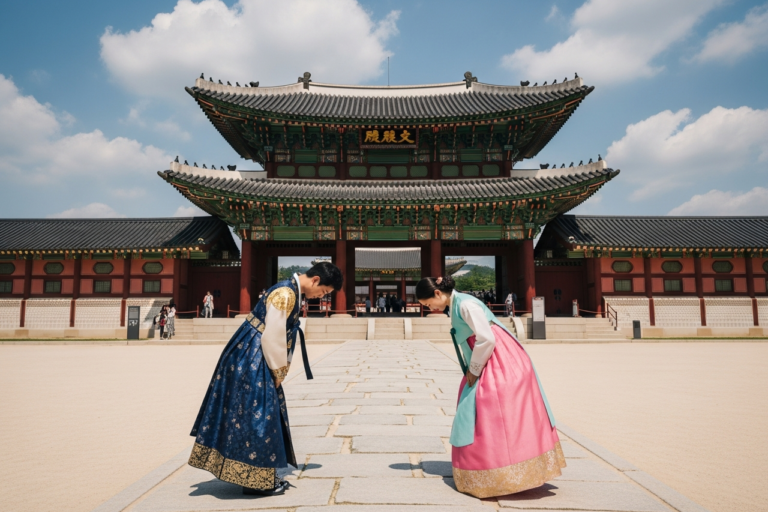
Bowing is a key gesture, and the depth of the bow tells how much respect you are giving.
-
“Annyeong” is for close friends and is more casual, while “Annyeong haseyo” is the polite form and used more often.
-
If you are not from South Korea, you should stick with the formal greetings and add a slight bow.
-
The usual way in formal settings is to use words along with a gesture like a bow or a handshake.
Introduction
Welcome to the world of korean greetings! In south korea, saying hello is not just about words. It shows the nation’s culture and values. To master the korean language, you need to know these key ways people interact. This guide helps you see how korean greetings work. It covers formal and informal phrases. It also explains the meaning of gestures like bowing. You will learn how to use korean greetings well. This will help you connect with people in a respectful and confident way.
Understanding Korean Greeting Culture
In Korean culture, the first greeting matters a lot. It shows respect and that you understand where each person stands in the social hierarchy. People use many forms of greeting, and these are part of everyday life.
The Korean language has levels of politeness that shape how people greet each other. The system of greeting shows respect for age and status. Greetings are an important part of how people act in social situations. Let’s look at this more closely.
The Importance of Greetings in South Korea
Greetings play a big part in the social interactions in Korean culture. They are not just about saying “hello.” The way you greet someone can shape the whole relationship. It’s your first chance to show respect and also let the other person know you see their place in the group.
What you say and how you say it show what you know and how much you think about them. You might use a formal way to greet someone older. You might use a more common way with a friend. No matter what, your choice is important. That first moment can bring you and the other person closer or can push you apart.
The most common way to say hello in South Korea is “Annyeong haseyo” (안녕하세요). This greeting is polite and works in many everyday situations. It mixes both formality and friendliness. That makes it an important thing to know for anyone who wants to fit in with Korean culture.
Social Hierarchy and Politeness in Greetings
The idea of social hierarchy is a big part of Korean society. It affects the way people greet each other in daily life. Age, job title, and how well you know someone decides the right polite form to use. This system helps people show respect from the very start.
If you greet someone of higher status, like a boss, teacher, or elder, you need to use formal language. In very official moments, you might hear “Annyeonghasimnikka” (안녕하십니까). This greeting shows strong respect and is often said in business or at formal events.
Using informal language with someone older can seem disrespectful. It is important to use the correct polite form in all situations. That way, you make sure all your interactions in Korean society go well.
Honoring Elders Through Greeting Etiquette
Showing respect for elders is very important in Korean culture. Greeting manners play a big part in this. When you meet someone older, your greeting should show a high level of respect. The way you speak and act both matter.
A respectful bow is a key part of this in korean culture. You need to bow deeper and hold it longer than you would to someone your own age. This lets the elder know that you honor them and respect what they have done. Your actions show the level of respect you have for them.
It is also important to use honorifics when greeting elders in Korea. Honorifics are ways you speak to show you are being polite and do not cross any lines. If you do not use them, people see it as rude and it can hurt how you connect with others. Using honorifics shows that you respect the value age has and what someone has learned over the years.
Common Ways to Say Hello in South Korea
When you talk about korean greetings, the situation really matters. The most common way to say hello is “Annyeong haseyo.” Still, there are different phrases for everyday situations. Knowing which one to use will help you do well in social interactions.
The language changes when moving from formal situations at work to hanging out with friends. You might need formal speech for a CEO but use informal speech with a classmate. We will look at the key phrases and when to use them.
“Annyeong” vs. “Annyeong Haseyo” Explained
Understanding the difference between “Annyeong” (안녕) and “Annyeong haseyo” (안녕하세요) is one of the first lessons in Korean greetings. The primary distinction lies in the level of formality. “Annyeong haseyo” is the standard, polite way to say “hello” and is suitable for most situations.
“Annyeong,” on the other hand, is a very informal and casual greeting. It is a form of casual speech reserved for close friends, family members, and people who are younger than you. Using it with a stranger or someone older would be considered impolite.
This table breaks down the key differences to help you choose the right greeting.
|
Greeting |
Formality |
When to Use |
|---|---|---|
|
Annyeong haseyo |
Standard/Polite |
Strangers, colleagues, elders, most everyday situations. |
|
Annyeong |
Informal/Casual |
Close friends, family, people younger than you. |
When to Use Formal, Standard, or Informal Greetings
Picking the right way to say hello in Korean depends on the person and the situation. People show respect and keep things running smoothly by using different greetings and being careful about politeness. It is important to use the correct greeting in that moment.
If you need the formal way, like “Annyeonghasimnikka” (안녕하십니까), you use it in business meetings, formal announcements, or with someone who has high status. The standard way, “Annyeong haseyo” (안녕하세요), is what you should say most of the time. You use it when you meet someone for the first time, with colleagues, store clerks, or those older than you.
The informal way, “Annyeong” (안녕), is just for close friends and family. You only say it with people who are very close and casual. Here’s a simple guide:
-
Formal: Use this for business meetings, with high-ranking officials, or in formal announcements.
-
Standard: Say this when it’s the first time meeting someone, with colleagues, store clerks, or acquaintances.
-
Informal: This way is good for close friends, siblings, and people you have a casual relationship with.
Phone Greetings and Everyday Situations
People in Korea use different greetings in everyday situations, even when just picking up the phone. When you answer a phone call, you say “Yeoboseyo?” (여보세요?). This is what people in Korea say as “hello” just for phone conversations. It works if you are the one making the phone call, and also if you are the one who picks up the phone.
“Yeoboseyo?” is easy because it is not mixed with lots of extra rules about being formal or informal. Anyone can use it. But after you find out who is calling, you switch to the right, polite way to speak for the rest of your talk.
Here are some other ways people say hello in everyday situations:
-
Entering a shop: The shop workers will usually say “Annyeong haseyo” to you. It is good manners to say “Annyeong haseyo” back with a slight nod of your head.
-
Morning greeting: There is a special way to say “good morning” in Korea, but most people still just say “Annyeong haseyo.” It does not matter the time of day—it’s used in the morning or at night.
Essential Korean Greeting Phrases for Beginners
If you are just starting out with language learning, it helps to know some basic Korean greetings. These easy Korean words are a good way to say hello, show respect, and make a good first impression. You will also show people you want to learn about their way of life.
When you use these phrases, make sure to focus on your Korean pronunciation so others understand you. It is important for anyone trying to learn Korean words and use them in real life.
We will go over a few key phrases that go beyond just saying “hello.” These basic Korean greetings can help new learners talk with others. After a bit of practice, you can use these greetings every day and feel sure about the way you say them.
How to Say “Nice to Meet You”
When you meet someone for the first time, it’s good manners to say that it’s nice to meet them. In the Korean language, the standard way to say “Nice to meet you” is “Mannaseo bangapseumnida” (만나서 반갑습니다). You can use this phrase in most first meetings. It shows you are polite.
There’s also a less formal version, “Mannaseo bangawoyo” (만나서 반가워요). You may use this with people your age or in friendly settings. When you are not sure which to use, go with the formal version to be safe. It’s always respectful.
To get the correct Korean pronunciation, say “mah-nah-saw pan-gap-soom-ni-da.” You often use this phrase with a bow and handshake, especially in a business or formal time. It’s a good way to make a strong first impression.
Asking “How Are You?” in Korean
In everyday situations in Korea, people don’t usually ask “How are you?” like many do in Western cultures. There is not a direct equivalent used as a simple greeting. Instead, people tend to ask about well-being in other ways, such as “Have you eaten?” (“Bap meogeosseoyo?” / 밥 먹었어요?).
If you want a polite way to check on someone, you can say “Jal jinaeseyo?” (잘 지내세요?). This is used when you have not seen the person for some time. It is a real question that shows you care about them.
There is a casual form for close friends, “Jal jinae?” (잘 지내?), but you should use this only with people you know well. Most of the time, just saying “Annyeong haseyo” works and you do not need to ask more about how the person is.
Seasonal and Holiday Greeting Phrases
Just like in other places, people in Korea have special greetings for each season and holiday. These greetings help you connect with others at important times of the year, like the Lunar New Year (Seollal) or Chuseok (Korean Thanksgiving).
For the Lunar New Year, many people say “Saehae bok mani badeuseyo” (새해 복 많이 받으세요). The words mean “Please receive a lot of luck in the new year.” It’s common to use this greeting with family, friends, and people you work with. This greeting is warm and friendly.
At other times, there are different ways to say good wishes. For example, during Christmas, people might say “Meri Keuriseumaseu” (메리 크리스마스). This greeting comes from the English phrase “Merry Christmas.” Knowing and using these greetings can help show you think about the culture. It also adds a nice touch to what you say to people on these special days.
Greeting Gestures in Korean Culture
In Korean culture, greeting gestures mean as much as words. The most important gesture is bowing. People use it to show respect and to be polite. Handshakes happen too, mainly in work situations. They have their own way of doing them.
People sometimes mix both gestures. They may bow a little while shaking hands. This mix sends a special message. Next, we will talk more about how to bow and shake hands the right way.
Bowing Etiquette and Meaning
In Korea, bowing is a big part of how people show respect. How deep and how long you bow tells others how much respect you have for them. The right bow depends on the level of formality for the time and place. This is an important way to say a lot without words.
A slight bow is when you nod your head and shoulders forward about 15 degrees. This is normal between friends or in casual settings. If you are with elders, superiors, or in formal situations, you should give a deeper bow. This respectful bow is about 30 to 45 degrees. This shows that you have more respect for them.
To do it right, bend from your waist, keep your back straight, and look down. If you need a very formal or respectful bow, put your hands together in front. These little things matter. They help people see the respect you want to give with your bows.
Handshakes: When and How They Are Used
While bowing is the usual way to greet someone, people also shake hands, especially at work and during formal occasions. It is normal for the older or higher-up person to start the handshake. If someone goes to shake your hand, it is polite that you do it as well.
When you shake hands, use your right hand. To give extra respect, you can use your left hand to touch your right forearm or elbow. This move shows that you have humility and respect for the person you meet. Keep your handshake firm but not too strong. A hard grip is not good.
Many people also mix a slight bow with a handshake. You may give a small bow right before or while you reach out your hand. This way shows respect and combines both the slight bow and the handshake. This blend of new and old is normal in business settings and other formal occasions.
Combining Gestures with Verbal Greetings
To show extra respect, Koreans like to use both words and actions together when they greet others. This is very important in formal settings or when saying hello to someone with higher social standing. The respectful bow or gesture helps support the polite things being said.
For example, if you say “Annyeong haseyo” to an elder or someone above you, you will almost always add a respectful bow. The deeper your bow, the more you show your level of respect. Even when people meet in a casual way, it’s normal to give a slight nod with your greeting.
At a formal business meeting, you may say “Mannaseo bangapseumnida” (“Nice to meet you”), do a respectful bow, and then take a handshake. Using words and actions together helps your greeting be seen as polite, warm, and right for the culture. This will make sure you leave a good impression on the other person.
Greeting Friends vs. Strangers in Korea
In Korea, the way you greet close friends is very different from how you greet strangers. If you meet someone for the first time, you should use formal greetings. This is a way to show respect and be polite.
But when you are with your close friends, you can relax. You use informal language and casual greetings. This is an important part of the way people act in Korea. Understanding these differences will help you know what to do in different social situations.
Casual Greetings Among Peers
When Korean friends or people of the same age meet, the way they greet each other is more relaxed. The most casual way to say hello is “Annyeong” (안녕). People use this informal greeting with close friends all the time, and it can also mean goodbye.
On top of that, body language with younger people or Korean friends is always much more casual. Most of the time, instead of a big, formal bow, you might see a slight nod, a wave, or maybe someone giving a friend a quick pat on the back. When people are close, they talk to each other in a casual way and even use slang or short phrases.
If you are with close friends, you can speak without using formal words. Using this kind of informal language shows how comfortable you are with the other person, and it means you are close. But you should keep this level of casual way of talking just for people who are about your age or younger and who you know well.
Formal Greetings for First Encounters
When you meet someone for the first time, it is best to use formal greetings. This shows respect and helps you make a good first impression. Most people say, “Annyeong haseyo” (안녕하세요) at these meetings. It works well for almost any first-time meet.
For extra politeness, use a bow along with your words. You should give a deeper bow if the person is much older or holds a higher position. This shows them strong respect without speaking.
You can also say, “Mannaseo bangapseumnida” (만나서 반갑습니다). It means, “Nice to meet you.” In formal situations, every part of your greeting matters. The words, your bow, and how you stand all help people know how polite you are. It is better to be too polite than too casual.
Polite Ways for Foreigners to Greet Koreans
As a foreigner in Korean society, it helps to greet people in a polite way. Try to show respect at all times. Even if your pronunciation is not perfect, most people will see and like your effort. Language learners should try to get a few main phrases right.
If you are not sure, choose formal language. Saying “Annyeong haseyo” is a good and polite way to greet almost anyone. Make a slight bow or nod your head with it. This simple mix is a good and respectful way for any foreigner to greet.
Here are a few tips for making a good impression:
-
In business meetings, wait for the senior person to start the handshake. When you shake hands, support your right arm with your left hand for extra respect.
-
Always use formal language and titles until you are told it’s OK to speak more casually. This shows you know and follow their cultural norms.
Do’s and Don’ts of Greeting in South Korea
It can look hard to find your way through Korean cultural ways, but you can avoid many mistakes by following a few easy do’s and don’ts. The main rule you should know is to always choose to be polite. Using the polite form helps you show respect for what people do in South Korea.
Knowing these simple rules will help you have smoother and better social interactions while you are there. Let’s go over the most important things you should do, and also what not to do, when you greet someone in South Korea.
Using Honorifics with Elders and Authority Figures
In Korea, it is very important to use honorifics when you talk to elders or people who have higher status. Using honorifics is not just something you can choose to do. It is required if you want to speak politely and show respect. You should use formal language and say the right titles.
When you talk to someone, do not call them by their first name. Instead, say their title, like “seonsaengnim” for a teacher or “sajangnim” for a company president. You add “-nim” at the end, which is a way to show respect for their role and experience.
If you forget to use honorifics, people can see it as being very disrespectful. It does not matter if you are a foreigner or someone from Korea. If you take time to learn the right way to address people, they will see that you know and respect their culture. This will mean a lot to your Korean friends or coworkers.
Cultural Mistakes to Avoid as a Foreigner
If you are new to Korea, most people will understand if you make small mistakes in their culture. But if you can avoid these, it will help your social interactions be much smoother. The most important things are to watch, show respect, and try to learn. If you put in a little work to show extra respect, it can really make things better.
One big thing you should know is to not be too casual at the start. Korean culture puts a lot of value on having a clear order, and you should show a good level of formality until you get to know someone. This means you need to be careful about the words you use, your hand motions, and your personal space.
Here are some common mistakes you want to avoid in korean culture:
-
Using informal language, like saying “Annyeong” to someone you just met or who is older than you.
-
Shaking someone’s hand while your other hand is in your pocket.
-
Calling a person by their first name without being told you can, especially when they are older or in a higher spot than you.
-
Not bowing back or giving a bow in too simple a way, like just doing a small nod.
This little extra respect and the right level of formality will really help your social interactions go better.
Conclusion
To sum up, knowing how to greet people in South Korea is more than just the words you use. It shows what you know about their culture, which values respect and puts a lot of importance on social hierarchy. When you learn these greetings, you can make your time with people there better and it also helps you connect in a good way with locals. Things like bowing and picking the right level of formality are not just small customs—they make what you do in South Korea feel real and honest. When you try to follow these greeting customs, people will notice your effort, and it can help you get closer to them. If you want to go to South Korea or you want to learn more, take some time to find out about this amazing culture.
Frequently Asked Questions
Is it necessary to bow every time you greet someone in Korea?
In Korean society, people use a bow as a greeting, but you don’t have to do it every time. A deep bow happens in formal situations or when you need to show a lot of respect. When with friends or the same age group, a slight nod is fine.
How should foreigners greet Koreans when meeting for the first time?
The most polite way when you meet a Korean for the first time is to say “Annyeong haseyo.” Give a slight bow with it. In business meetings, be ready for a handshake. Use your right hand and support it with your left. When you use the formal Korean language, it shows respect and that you know the culture.
What is the difference between greetings in North and South Korea?
While people use the Korean language in both North and South Korea, the way they greet each other is not the same. In South Korea, most people say “Annyeong haseyo” when they greet someone. But in North Korea, they use “Annyeonghasimnikka” which is a more formal way to speak. People in the North tend to use more formal speech and older ways of talking when they give korean greetings. South Korea uses korean greetings with many levels of formality, so things sound a bit different in both places.



