

Key Highlights
-
Learning some basic greetings in Kinyarwanda is a good way to connect with people in Rwanda.
-
“Muraho” is a word people use to say hello. For “Good morning,” use “Mwaramutse,” and say “Mwiriwe” in the afternoon or evening.
-
In Rwandan culture, greetings matter a lot. They show respect and are a polite way to start a chat.
-
“Murakoze” means “thank you.” It is important to know and use this word often.
-
There can be formal or casual greetings, based on a person’s age and how you know them.
-
Kinyarwanda is the main language of Rwanda, but some people also use Swahili. The greetings in both are not the same.
Introduction
Welcome to the heart of Africa! If you are going to visit Rwanda, you are in for a good time. You will get to see what makes this country special. One way to get close to Rwandan culture is to learn some words in Kinyarwanda. Greetings in Rwanda are not just simple words. They are an important part of how people talk each day and show respect. In this guide, you will see some common greetings in Kinyarwanda. You will use them to talk with people in Rwanda and show that you care about their country and ways.
Greetings in Kinyarwanda: Common Phrases and Their Meanings
In Rwanda, people use simple greetings that mean a lot. The most usual way to say hello is, “Muraho.” You can use it in many places, and it shows respect. When you need to say thank you, just say, “Murakoze.” These two words are helpful. They make people happy and show you care.
You will hear greetings change depending on the time of day. If you want to wish someone a nice afternoon or evening, you can say, “Mwiriwe neza.” Learning these basic Kinyarwanda greetings helps you fit in with local people. It lets people see that you want to understand their culture. Next, we will look at some everyday phrases and how to use them the right way.
Everyday Greetings: How Rwandans Say Hello, Good Morning, and More
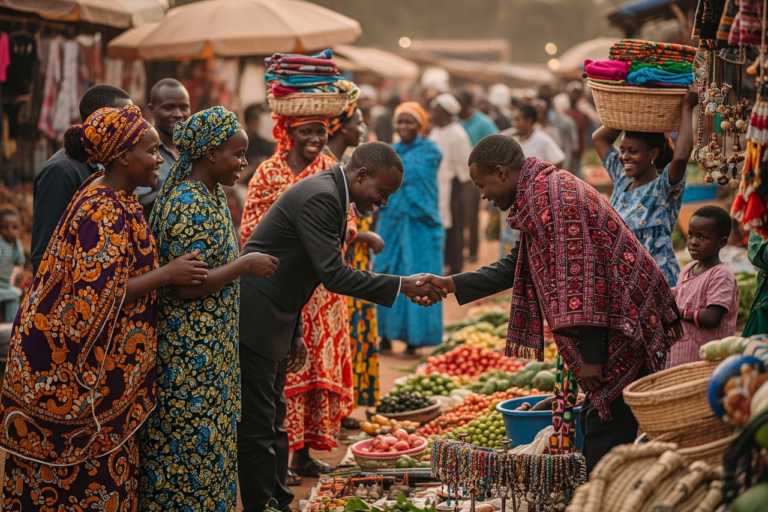
Starting your day in Rwanda is great when you use the right greetings. Begin with a bright “Mwaramutse” if you want to say “Good morning.” Most people will like it and answer back with a smile. In Rwanda, greetings change as the day goes on. This makes it easy to talk to people and makes time spent with them feel special. You might hear these words at a busy Kigali market or when you see someone for the first time. Using the correct greetings shows that you care and respect people.
When it is the afternoon or evening, people use the same word. Say “Mwiriwe” and you will cover both “Good afternoon” and “Good evening.” If you want to add a little more feeling, say “mwiriwe neza” for “good” or “well”, making the greeting even nicer. It’s an easy way to be warm to others in Rwanda.
Here are some greetings to use and remember when you are in Rwanda or at a Kigali market:
-
Muraho: This means “Hi” or “Hello.”
-
Mwaramutse: Say this for “Good morning.”
-
Mwiriwe: Use this for both “Good afternoon” and “Good evening.”
-
Ijoro ryiza: Tell people “Good night.”
Try these every day and you will make people happy when you greet them in Rwanda.
Formal vs. Informal Greetings: Which to Use and When
Choosing the right greeting in Rwanda often depends on who you are talking to. Formal greetings are typically used when addressing elders, authority figures, or people you don’t know well. Using phrases like “Muraho” (Hello) or “Mwaramutse” (Good morning) shows a level of respect that is deeply appreciated in Rwandan society. While English and French are also official languages, making an effort in Kinyarwanda is always a good idea.
When you’re with friends or people your own age, you can switch to more informal greetings. These are more casual and are perfect for relaxed settings. For instance, asking “Umeze neza?” (Are you good?) is a common way to check in with a friend. These informal greetings help build a friendly rapport.
Understanding the difference is key to navigating social situations smoothly. Here is a simple table to help you distinguish between formal and informal Kinyarwanda greetings:
|
Situation |
Greeting Option |
Meaning |
|---|---|---|
|
Formal |
Muraho |
Hello |
|
Formal |
Mumeze mute? |
How are you? (plural/formal) |
|
Informal |
Bigenze bite? |
What’s up? |
|
Informal |
Umeze neza? |
You good? |
Greeting Etiquette and Cultural Norms in Rwanda
Greeting others is an important custom in Rwandan culture. In Rwanda, people think it is good manners to say hello to everyone you meet, especially if you are in a small town or village. It does not matter if you are walking into a shop in Kigali or about to go on a trek to see gorillas. A friendly greeting always helps make the moment nicer. Try to give a handshake and look at the person’s face when you greet them. This shows you mean it and respect them.
It is also important to say “Murakoze,” which means thank you, as much as you can. This small act of saying thanks is something people in Rwanda value a lot. All these habits around greetings are ways to show respect and that you see the other person. In the next sections, you will see more about how to call people, answer when they greet you, and learn about other things people do in Rwanda when they greet one another.
Proper Ways to Address People and Respond to Greetings
In Rwanda, how you respond to greetings is just as important as saying hello first. If someone says “Umeze neza?” (Are you good?), you can answer with “Meze neza” (I’m okay) or “Meze neza cyane” (I’m great). It is good manners to ask them the same question, so they know you care about how they are doing too. In Rwanda, showing respect goes both ways.
When you meet someone and want to introduce yourself, start with “Muraho.” To say your name, say “Nitwa,” then your name. For example: “Nitwa John.” If you want to know their name, you can ask, “Witwa nde?” This is an easy way to begin talking with people and make new friends.
Here are some common responses you can use for greetings:
-
Meze neza: I’m okay.
-
Tumeze neza: We are okay.
-
Nasinziriye neza: I slept well (you can use this if someone asks “Wasinziriye neza?”).
-
Don’t forget to say Murakoze (thank you) after they answer you.
Gender Differences and Special Occasion Greetings
In daily life, people use common greetings in Kinyarwanda, and both men and women use the same words. You will see a handshake is done by everyone no matter if they are male or female, mainly when you are in a work setting or at a formal event. Rwandan greetings are less about being male or female, and more about age or who has more status. People often show respect to older people and those in charge.
On special days, Rwandans have ways to say good things for big moments, but there may not be a set phrase for each holiday like you see in some other places. Instead, they often use happy words and everyday phrases but say them with more feeling. For example, in Africa, some languages such as Swahili give different greetings just for holidays, but in Kinyarwanda, people use friendly wishes that work at any happy time.
You may find people saying these for special events:
-
An example is “Nishimiye guhura nawe” (Nice to meet you), but people say it with more joy.
-
Simple good wishes that fit the special moment, hoping for joy and good things for you.
Conclusion
To sum up, greetings in Rwanda show both culture and how people talk to each other. People use phrases like “Muraho” when they want to say hello. You may have to use a different greeting, depending on the place or who you talk to. When you know how and when to use these greetings, your talks with others get better. It is good to think about the local rules and if someone is a man or woman. This shows you care about Rwandan ways. Doing this not only makes your trip better, but helps you get close to others. The next time you go to Rwanda, remember that giving a warm hello can help you meet people and make new friends.
Frequently Asked Questions
How do I introduce myself when meeting someone for the first time in Rwanda?
To introduce yourself in Rwanda, start by saying “Muraho.” This is a polite way to greet people. Then, you can say, “Nitwa [Your Name].” That tells them, “My name is [Your Name].” You can ask, “Witwa nde?” to find out their name. This works well if you are on a trek or in a city.
Are there greetings in Rwanda used specifically for holidays or special events?
Kinyarwanda doesn’t have many holiday greetings like some other tongues in Africa. But Rwandans show a lot of joy and excitement when they celebrate. For big days, people use everyday kinyarwanda greetings, but they say them with more warmth and happiness. These greetings help bring the community closer and make everyone feel good.
How are greetings in Kinyarwanda different from those in Swahili?
Kinyarwanda and Swahili are both Bantu languages, but people who speak them do not always understand each other. The greetings that people use are not the same in each one. For example, to say “Hello” in Kinyarwanda, you say “Muraho.” In Swahili, the common ways are “Jambo” or “Habari.” In Kigali, some people do speak Swahili. But most people in Rwanda use Kinyarwanda for their greetings every day.



